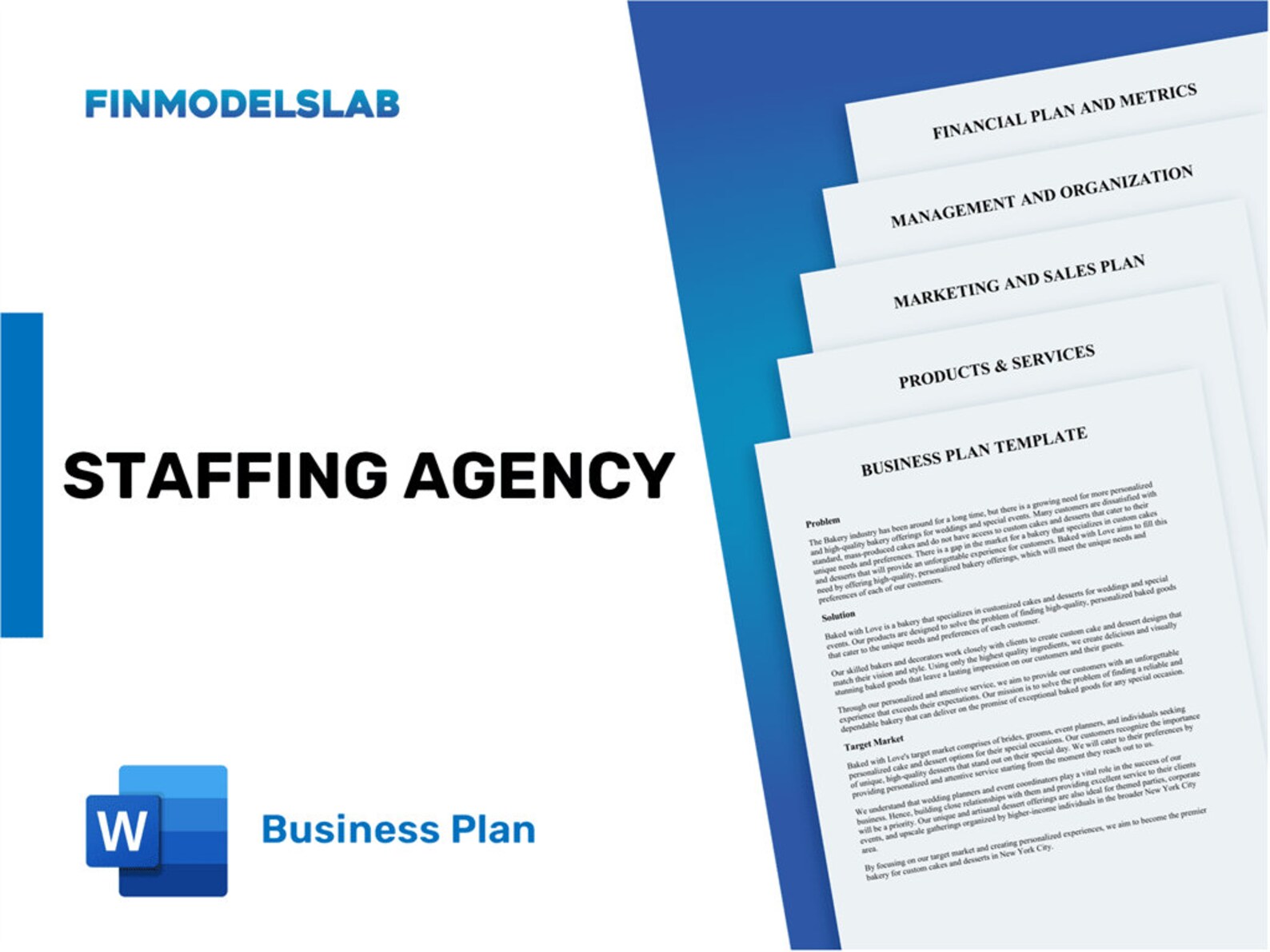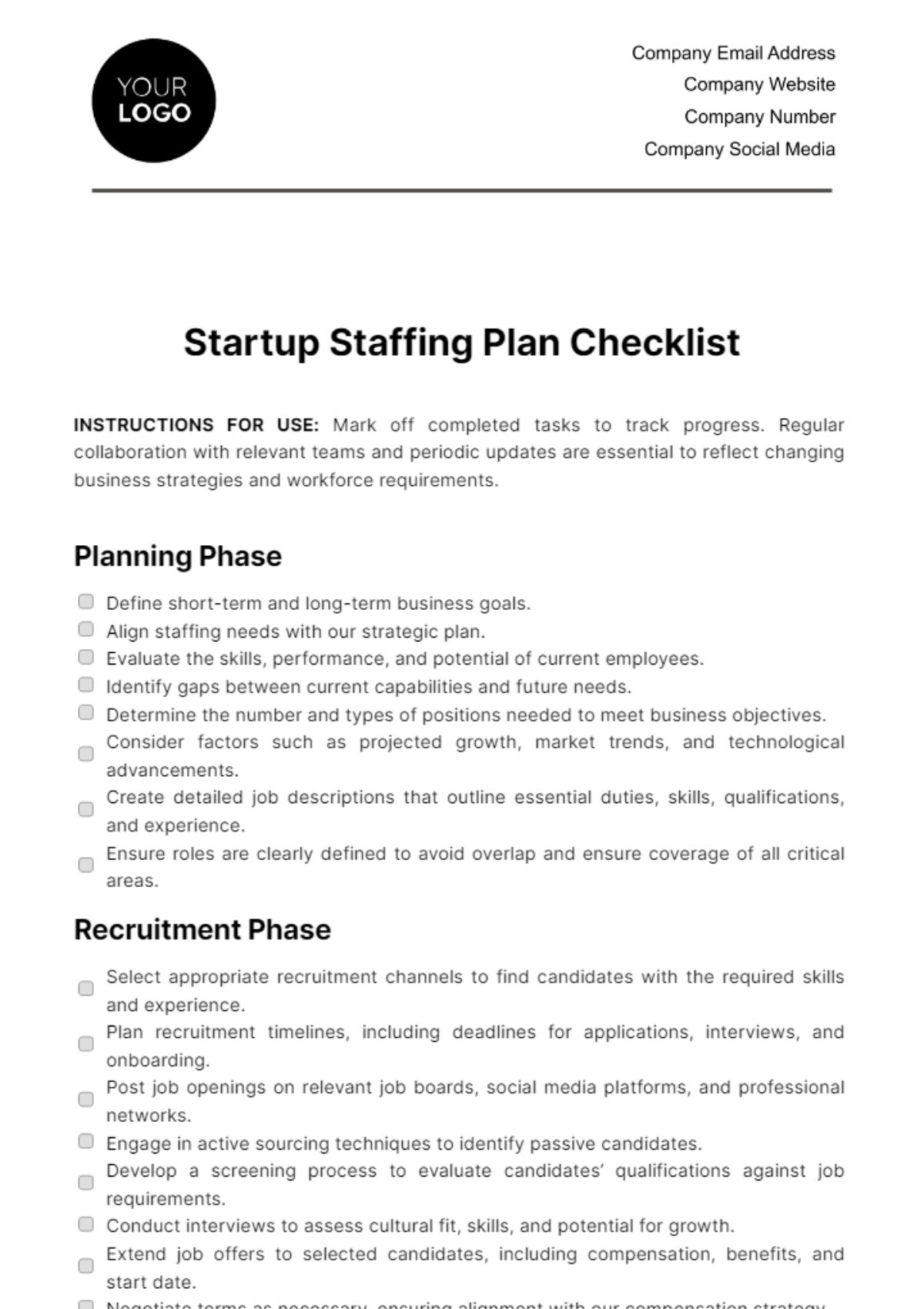
When you first think about launching a staffing agency, the idea of drafting a Staffing Agency Business Plan Template may feel overwhelming, yet it is the cornerstone that turns ambition into a structured, sustainable venture. A well-crafted business plan not only guides daily decisions but also serves as the language that investors, lenders, and partners use to assess your potential. In this post, we walk through every essential section of a staffing agency business plan, providing actionable guidance, real-world insights, and a step‑by‑step blueprint that you can adapt to your unique business vision.
Why a Staffing Agency Needs a Business Plan

Defining Your Niche
Before you even open a spreadsheet, you must answer two simple questions: Who do you serve and what gap does your agency fill? Whether you specialize in IT, healthcare, creative services, or temporary construction labor, a clear niche gives your marketing strategy focus and reduces competition. Define your target industries, job levels, and geographic reach. This specificity becomes the backbone of your operational and financial sections, ensuring every line item supports a single, measurable goal.
Market Analysis
A robust market analysis shows that you understand the demand, competition, and regulatory landscape. Collect data on average staffing rates in your target markets, the volume of vacancies, and the turnover rates of the sectors you serve. Use local labor statistics and industry reports to estimate the size of your potential client base and the percentage of that base you realistically can capture within the first 24 months.
Financial Forecasting
Financial viability is the ultimate test of any business plan. Your staffing agency’s cash flow hinges on a delicate balance: client payments arrive after you have already paid salaries, benefits, and overhead. A realistic financial forecast should include a detailed payroll schedule, client billing cycles, and contingency buffers for slow periods. Remember, the first year is often the most challenging; build in a realistic runway that covers at least 12 months of operating expenses.
Core Components of a Staffing Agency Business Plan Template
Executive Summary
This is the elevator pitch of your business plan. In one page, outline the mission of your agency, the market need, the size of the opportunity, and your unique value proposition. Keep it concise yet compelling—aim for 250–300 words that capture the essence of what you do, who you serve, and why you’ll succeed.
Company Overview
Describe your company structure, legal form, and ownership. Explain your staffing model: direct hire, temporary, or a hybrid. Include a brief history of your founding team and their relevant experience in recruiting, HR technology, or industry verticals. Highlight any existing client relationships or pipeline that demonstrates traction.
Services & Pricing
Detail every service you offer: temporary staffing, permanent placement, executive search, and workforce consulting. For each, explain the pricing mechanism—hourly rates, per-placement fees, or retainer structures. Use a pricing table that compares your rates against average market prices to demonstrate competitiveness and profitability.
Operational Plan
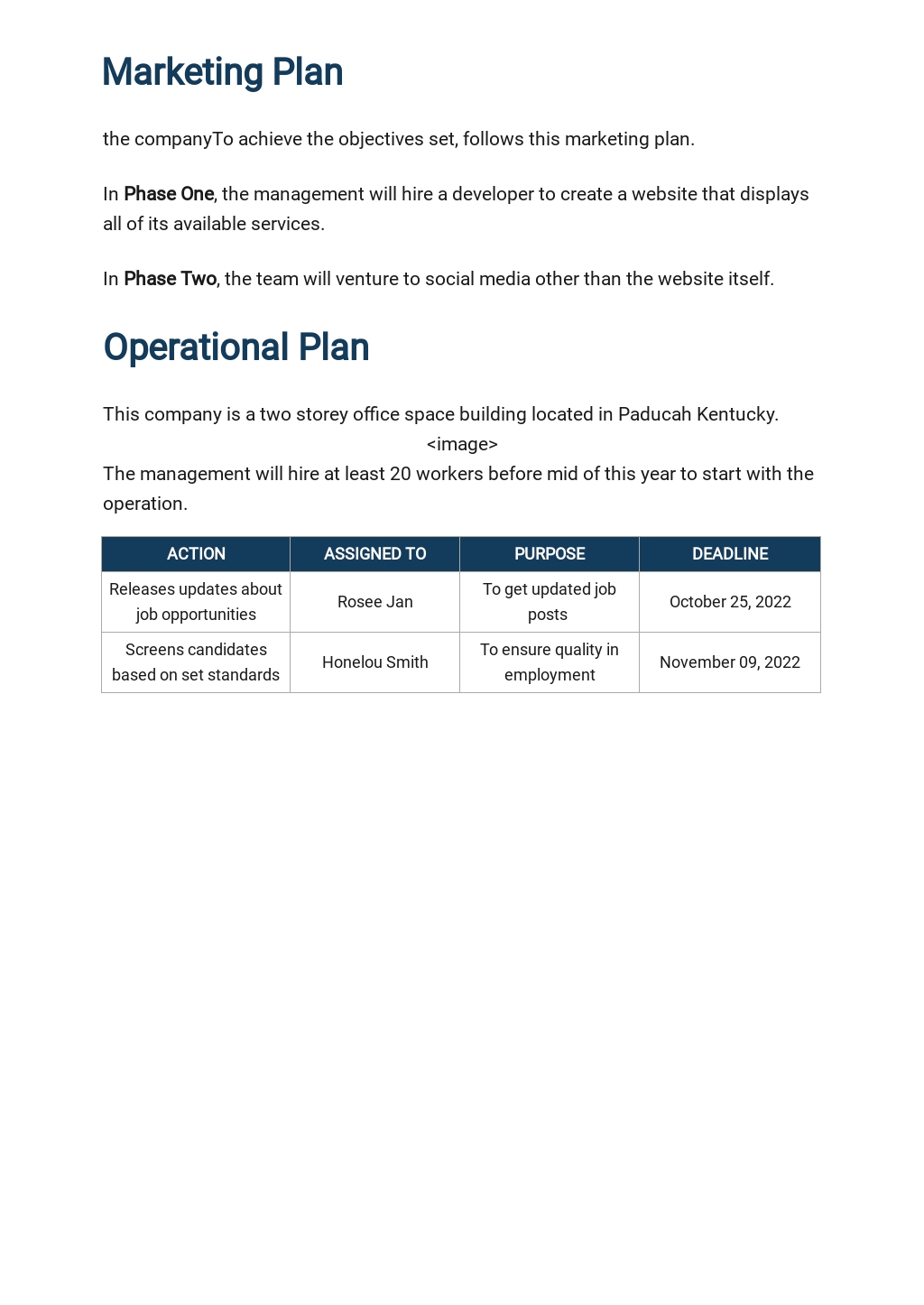
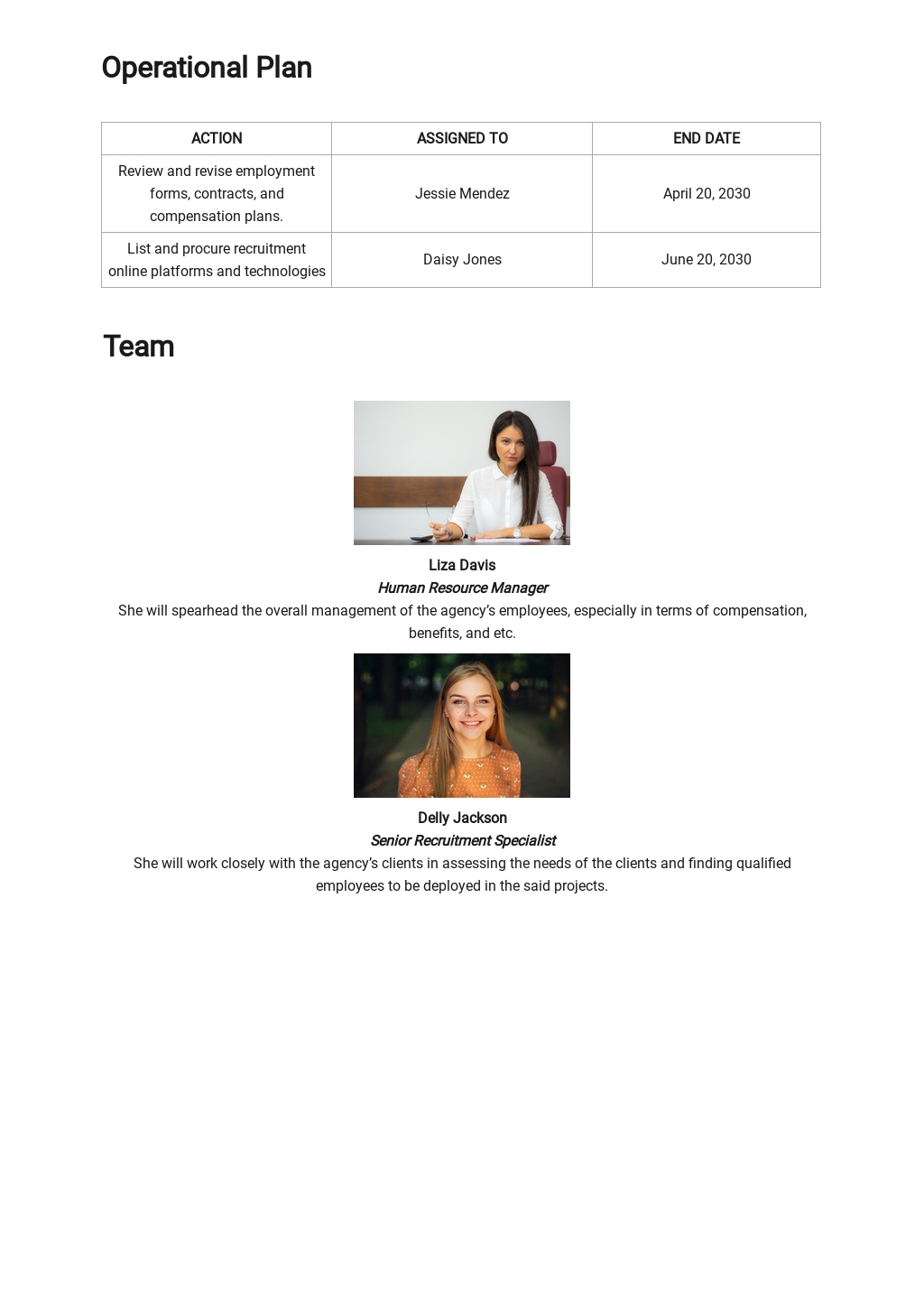
Show how your agency will operate daily. Include recruitment workflows, candidate sourcing channels (job boards, social media, referrals), interview processes, onboarding protocols, and client management systems. Discuss the technology stack you’ll use—ATS, CRM, payment portals, and reporting dashboards—to illustrate scalability and efficiency.
Marketing & Sales Strategy
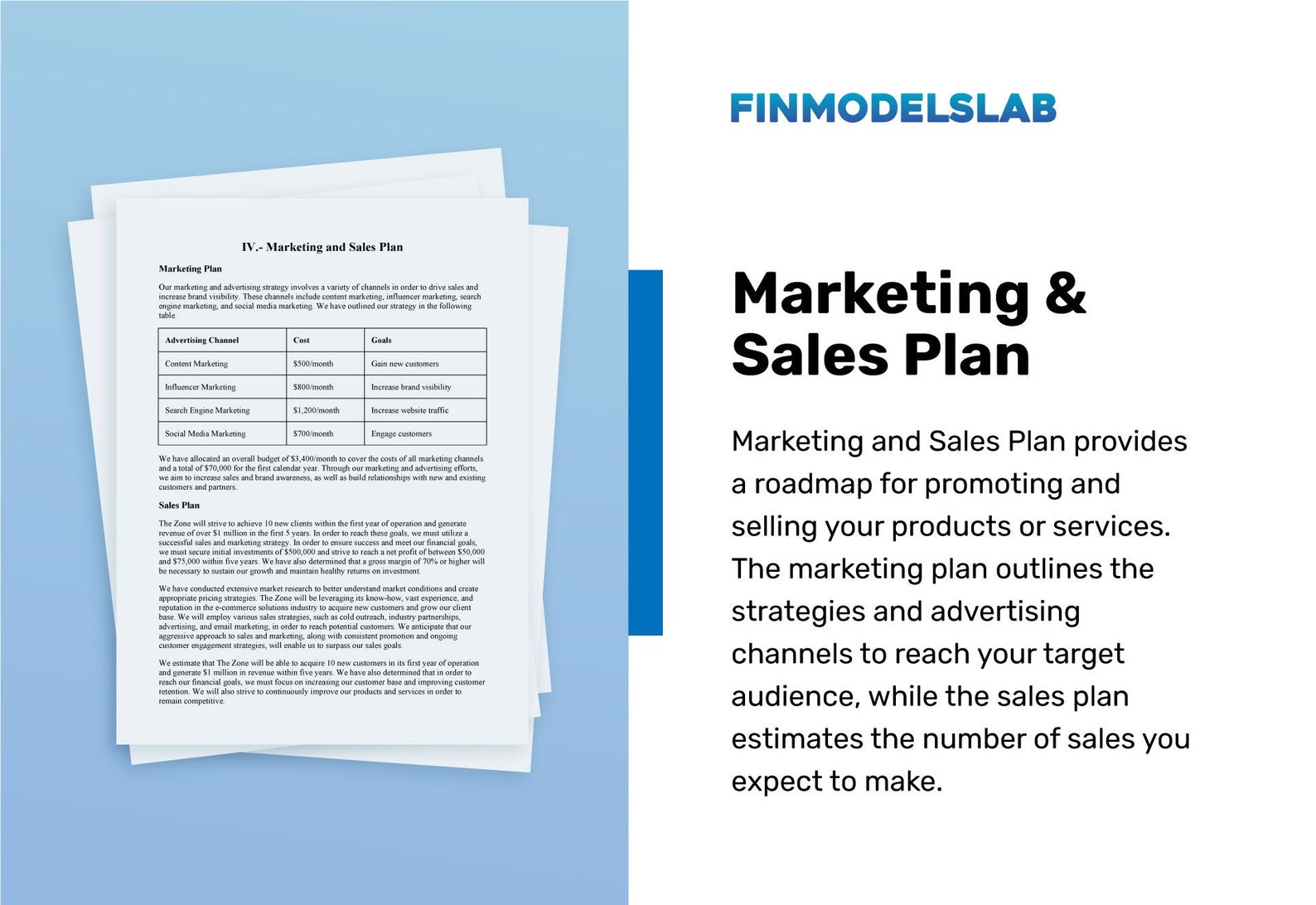
Define your inbound and outbound marketing tactics. For inbound, outline content strategies, SEO keywords, and social media presence. For outbound, list cold outreach plans, industry events, and partnership opportunities. Attach a sales funnel diagram that maps lead capture to client onboarding, illustrating conversion rates and expected revenue per client.
Financial Projections
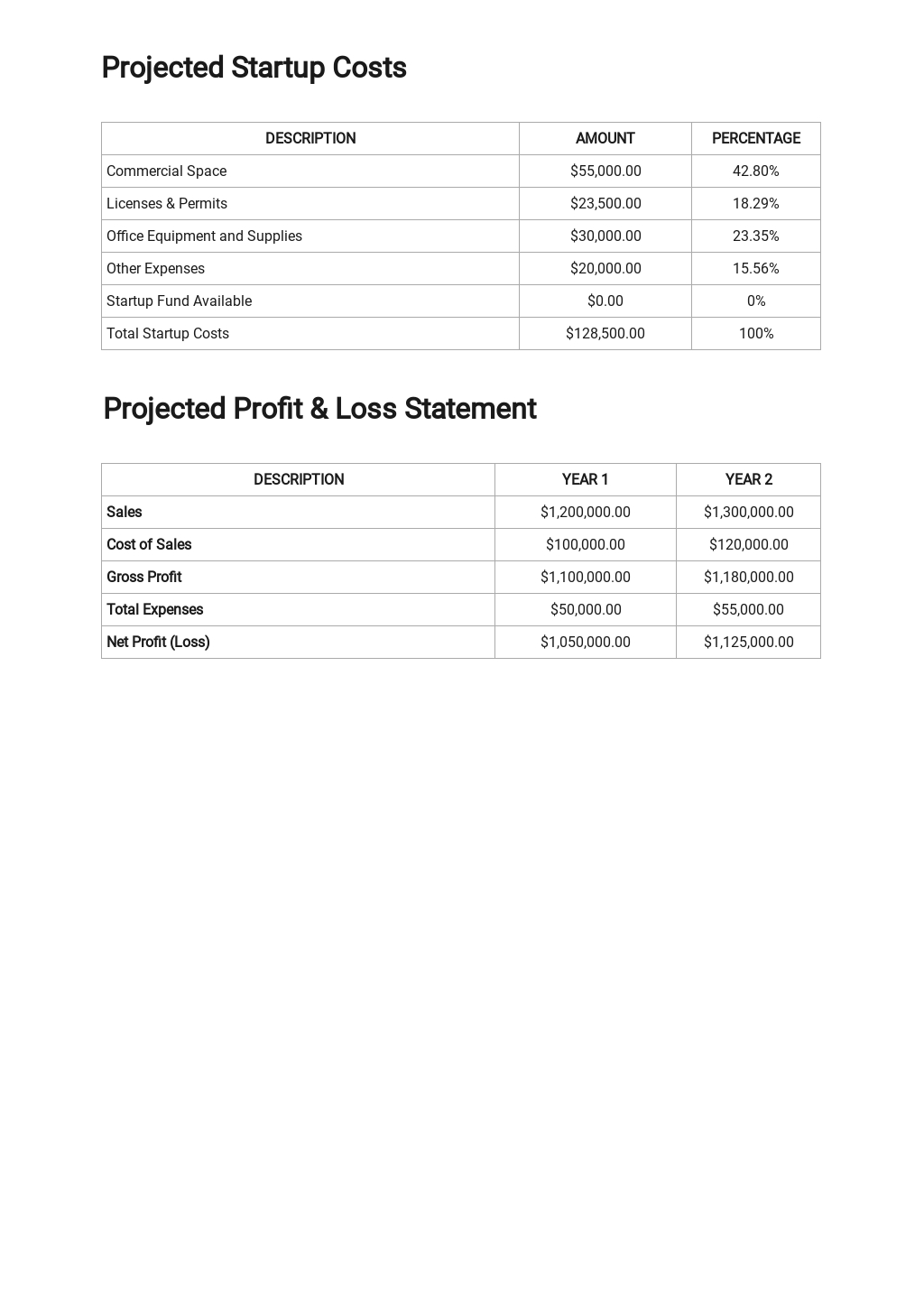
Provide a three‑year financial model that includes projected income statements, cash flow statements, and balance sheets. Break down revenue by service line, cost of labor, operating expenses, and net profit. Include key assumptions—average placement rate, average billable hours, and client acquisition cost—to allow reviewers to evaluate the logic behind the numbers.
Step‑by‑Step Guide to Building Your Template
Gather Your Data
Start with a data collection phase that gathers market research, competitor analysis, and internal cost structures. Use free resources like the U.S. Bureau of Labor Statistics, industry association reports, and Google Trends to validate your niche assumptions. Capture all expenses: salaries, benefits, office rent, software subscriptions, and marketing spend.
Craft the Executive Summary
Translate your data into a narrative. Highlight the problem you solve, the size of the opportunity, and how your team’s expertise positions you uniquely. End with a clear call‑to‑action—what you seek from investors or partners—and a snapshot of your projected financial outcome.
Detail the Operations
Map each step of your recruiting pipeline. Use a flowchart or process diagram to illustrate candidate sourcing, screening, placement, and retention. Quantify the time each stage takes and the staff required. This clarity helps identify bottlenecks and showcases operational efficiency to stakeholders.
Create Marketing Plan
Align your marketing plan with your target client personas. Identify the channels where decision‑makers in your niche spend time—LinkedIn groups for IT hiring managers, industry conferences for healthcare recruiters, or local chamber meetings for construction staffing. Allocate budgets for paid ads, content creation, and event sponsorships, and set measurable KPIs like lead‑to‑client conversion rate.
Build Financial Model
Construct a dynamic spreadsheet that links each business component to the financial outcome. For example, the number of placements directly influences revenue, while recruitment time influences cost of labor. Build scenarios—best case, base case, and worst case—to demonstrate resilience. Use charts to visually represent growth trends and cash‑flow cycles.
Real‑World Example: A Mid‑Sized Staffing Agency

Background
GreenBridge Staffing launched in 2018 as a boutique agency focusing on IT and cybersecurity roles in the Midwest. The founders brought 15 years of recruiting experience and a network of over 2,000 qualified candidates. Their mission: deliver high‑quality talent quickly while providing personalized client service.
Plan Highlights
GreenBridge’s business plan showcased a lean operational model: a small core team of recruiters and a virtual office to cut overhead. They priced temporary staffing at $25–$35 per hour and permanent placements at 20% of the first year’s salary. Their marketing strategy leveraged LinkedIn sponsored posts and industry webinars, generating a 15% conversion rate from lead to client over the first year.
Results
Within 12 months, GreenBridge placed over 200 candidates, achieved a $1.2 million revenue run‑rate, and secured a 30% net profit margin. Their detailed financial forecasting allowed them to negotiate a $250,000 bridge loan, which was repaid within 18 months thanks to disciplined cash‑flow management.
Common Pitfalls and How to Avoid Them

Overlooking Legal Compliance
Staffing agencies must navigate labor laws, payroll taxes, and client contract regulations. Failing to register correctly, misclassify workers, or neglect mandatory benefits can result in hefty fines. Build a compliance checklist and engage a labor attorney early in your planning stage.
Underestimating Cash Flow Needs
Many agencies launch with optimistic revenue projections but forget that payments from clients lag behind payroll expenses. Incorporate a cash‑flow buffer of at least three months of operating expenses. Use an actual cash‑flow statement to track real versus projected cash positions.
Ignoring Talent Pipeline
Recruiting is not a one‑off activity. Continuous sourcing and nurturing of passive candidates are essential for long‑term success. Allocate resources for talent community building, referral programs, and continuous learning for your recruitment team.
Tips for Customizing the Template to Fit Your Business

Align with Your Vision
Every line item should reflect your mission. If you prioritize employee development, include a dedicated training budget. If your focus is speed, allocate resources to rapid screening tools and automation.
Keep It Lean
Use templates to streamline repetitive tasks, but avoid overcomplicating the plan. A concise, well‑structured plan is easier to present and revise than a bloated document filled with jargon.
Update Regularly
Business plans should evolve. Schedule quarterly reviews to compare actual performance against projections, adjust assumptions, and incorporate new market insights. This habit keeps the plan relevant and actionable.
Final Thoughts

Crafting a robust Staffing Agency Business Plan Template is not merely a bureaucratic exercise; it is a strategic framework that aligns your vision, operations, marketing, and finances. By systematically addressing each component—from niche definition to financial forecasting—you equip yourself to attract investors, secure credit, and steer your agency toward sustainable growth. Embrace the iterative nature of the plan, remain disciplined about cash flow, and always keep your clients’ needs at the center of every decision. With a solid plan in hand, your staffing agency will not only launch successfully but thrive in a competitive, dynamic market.