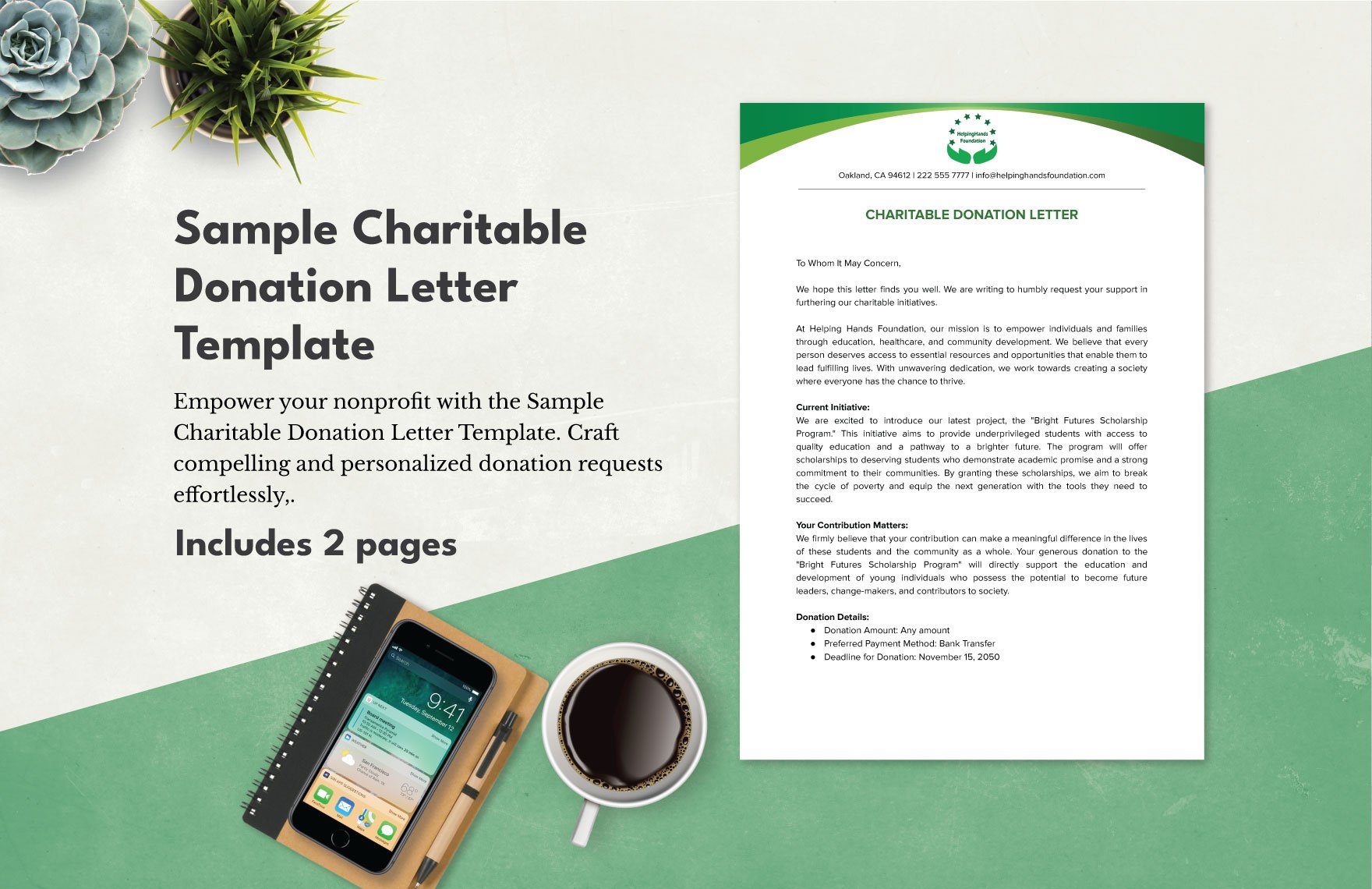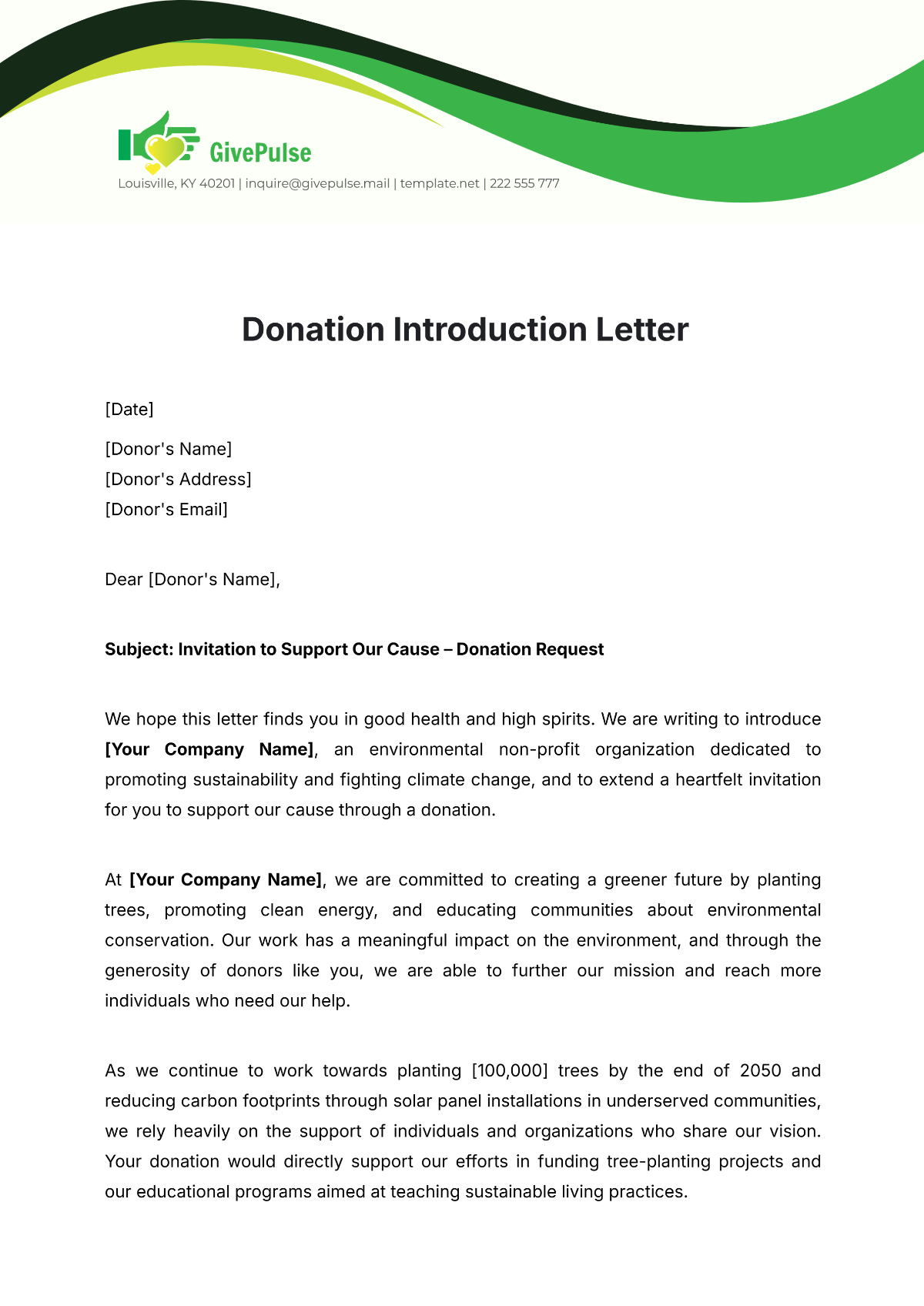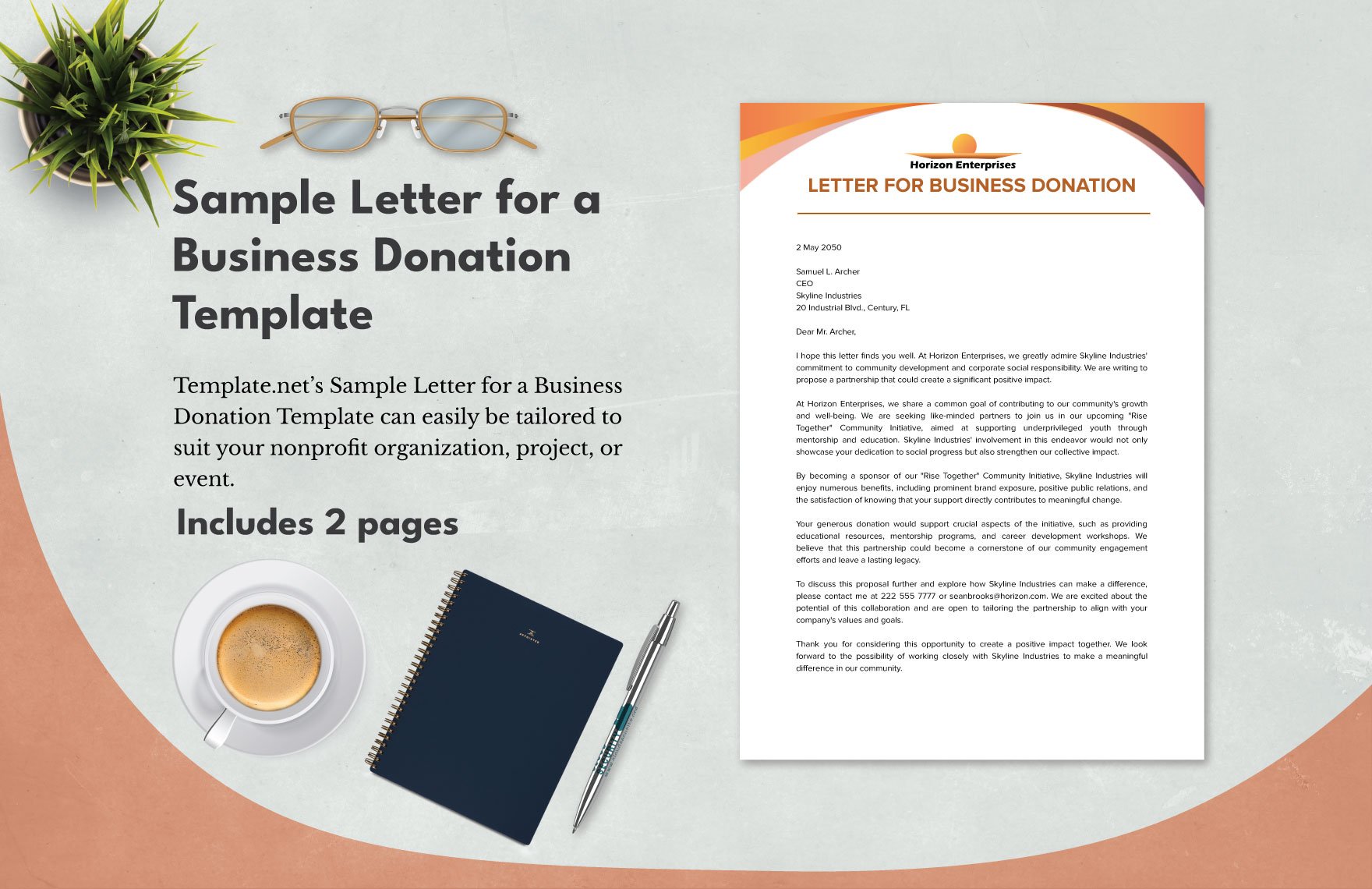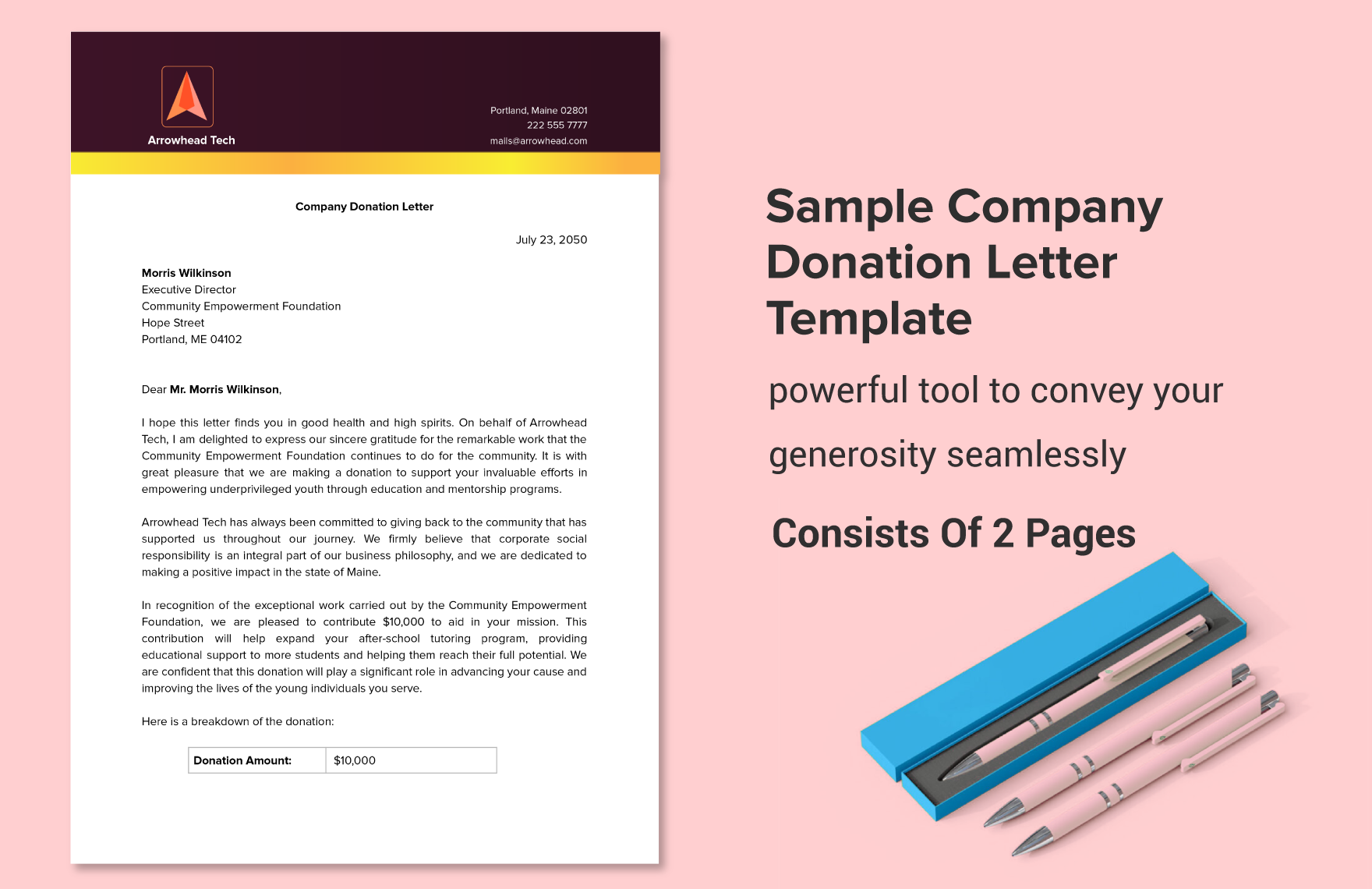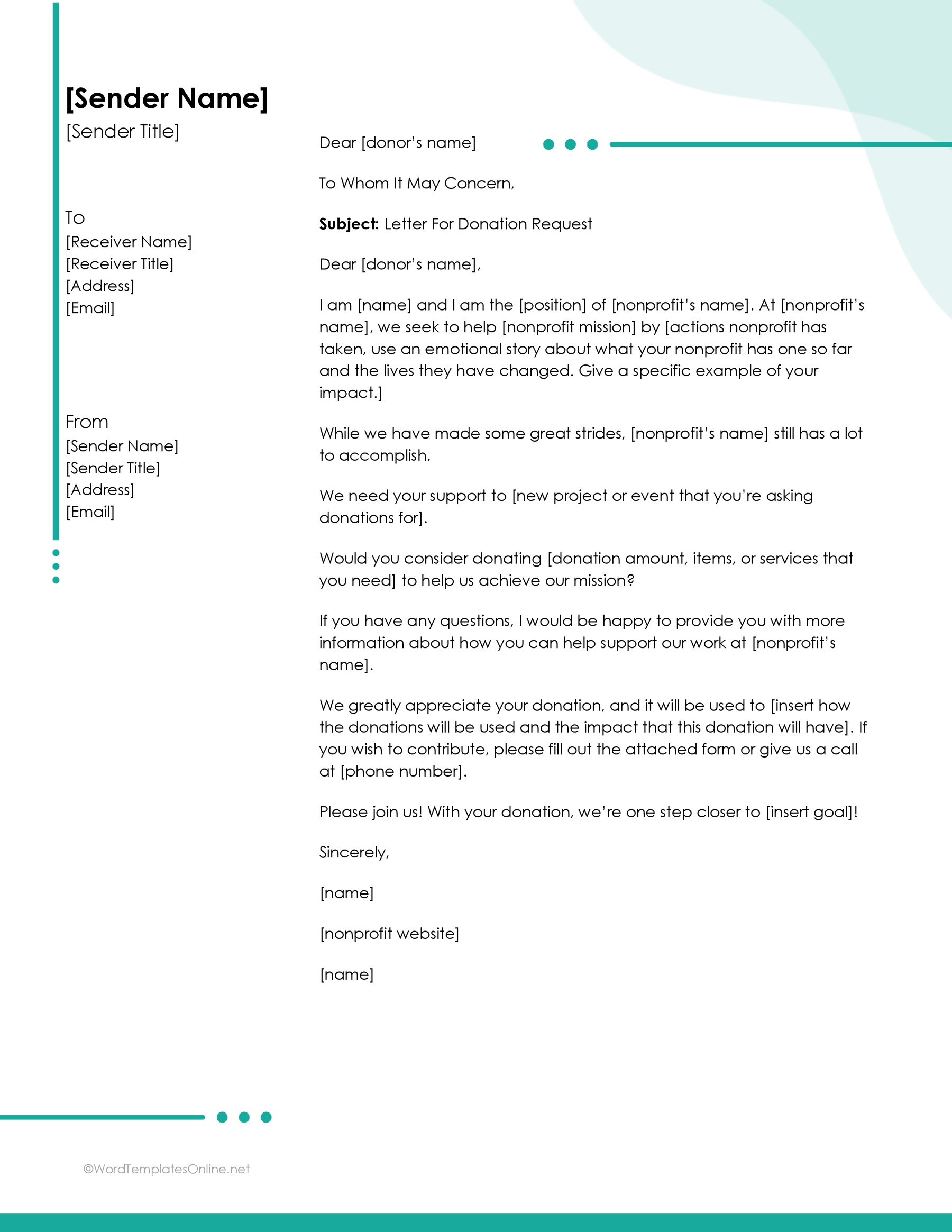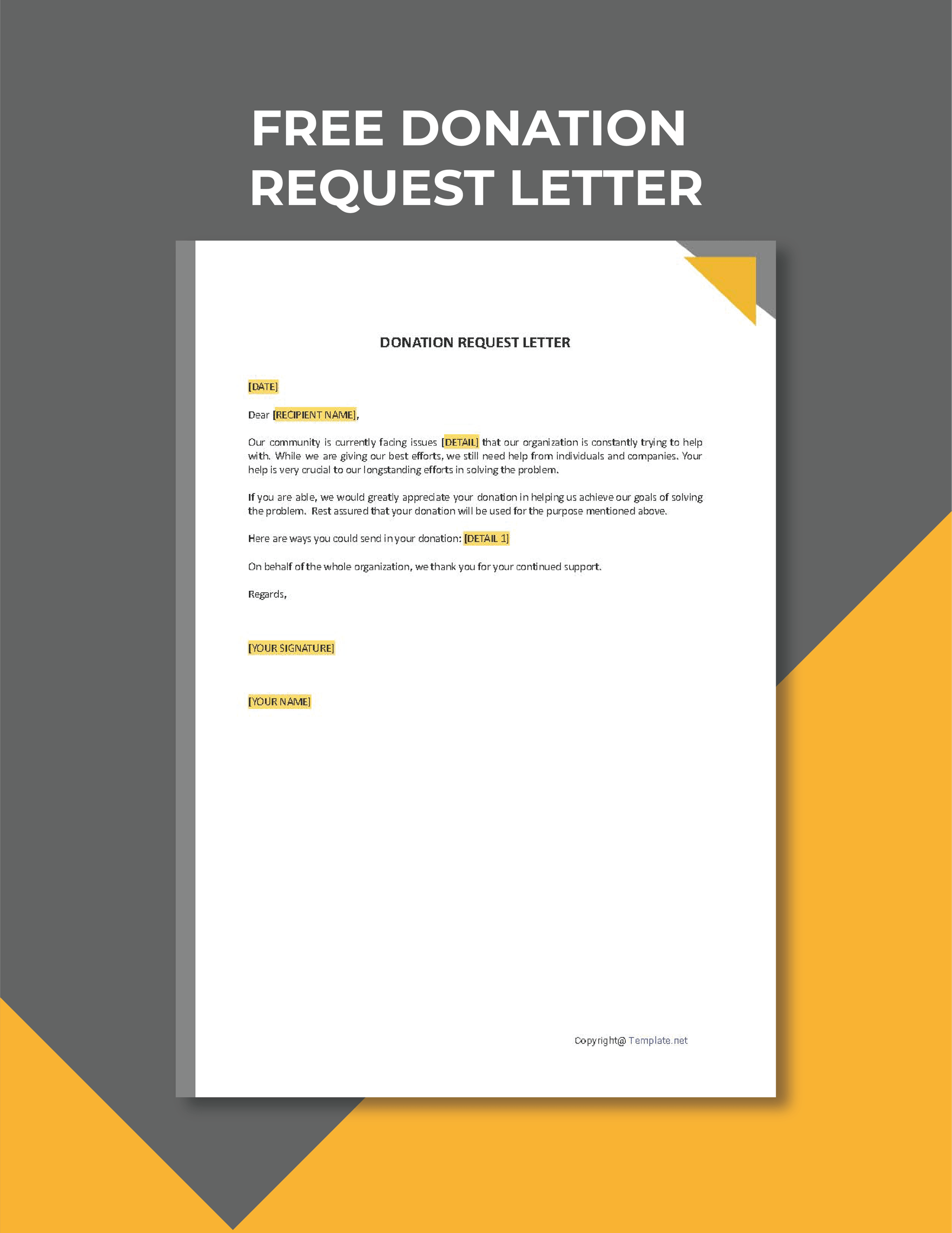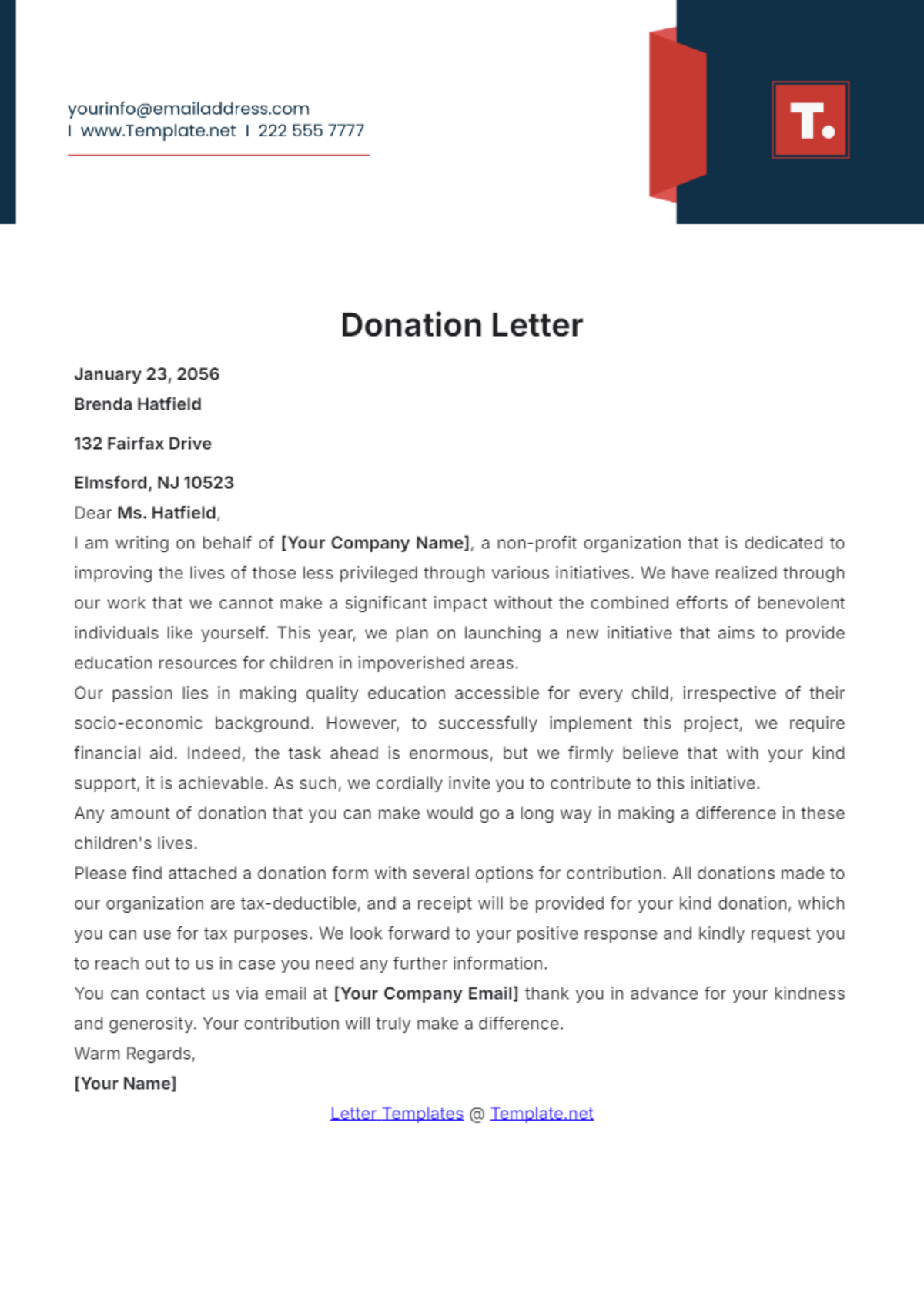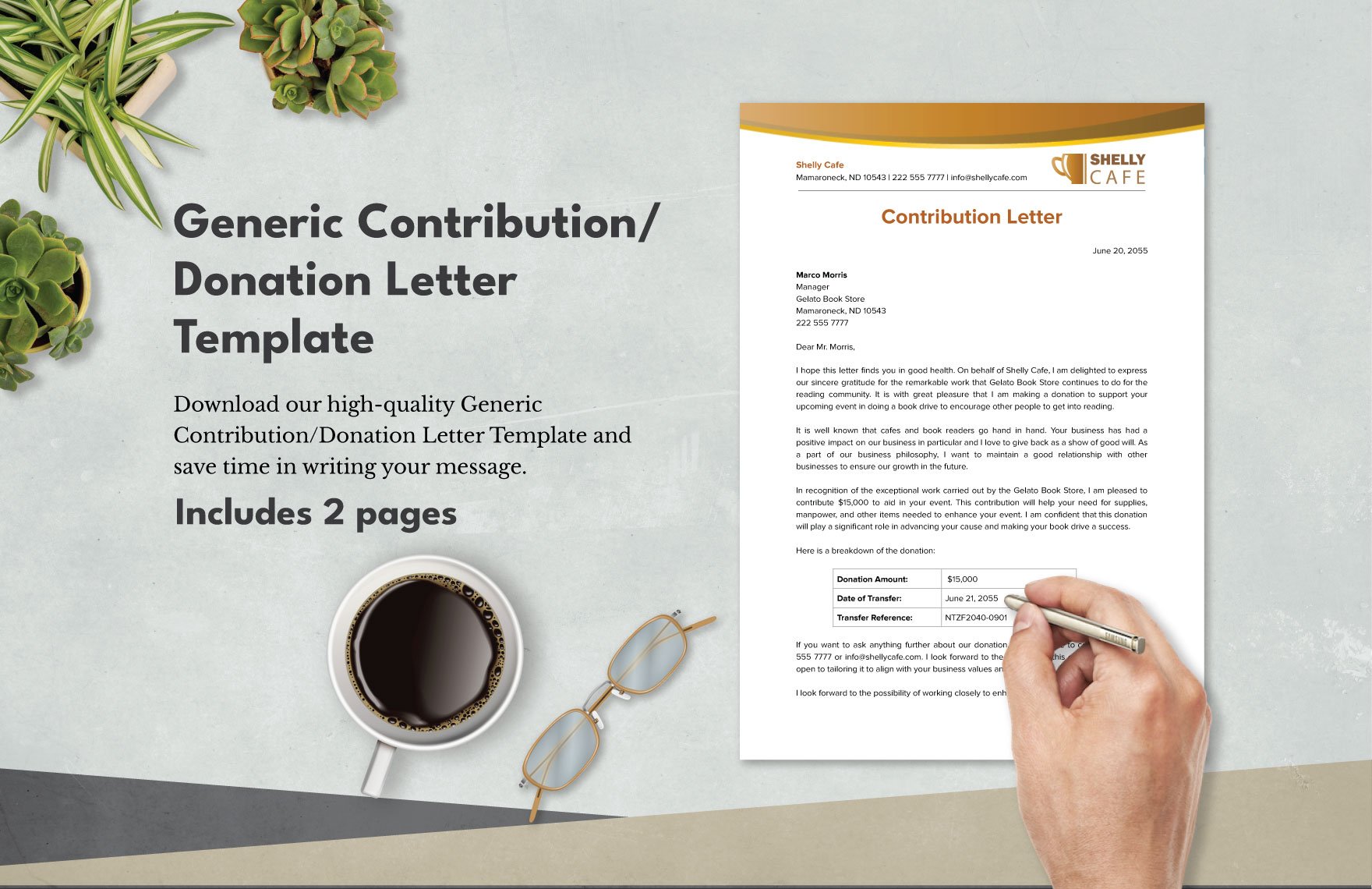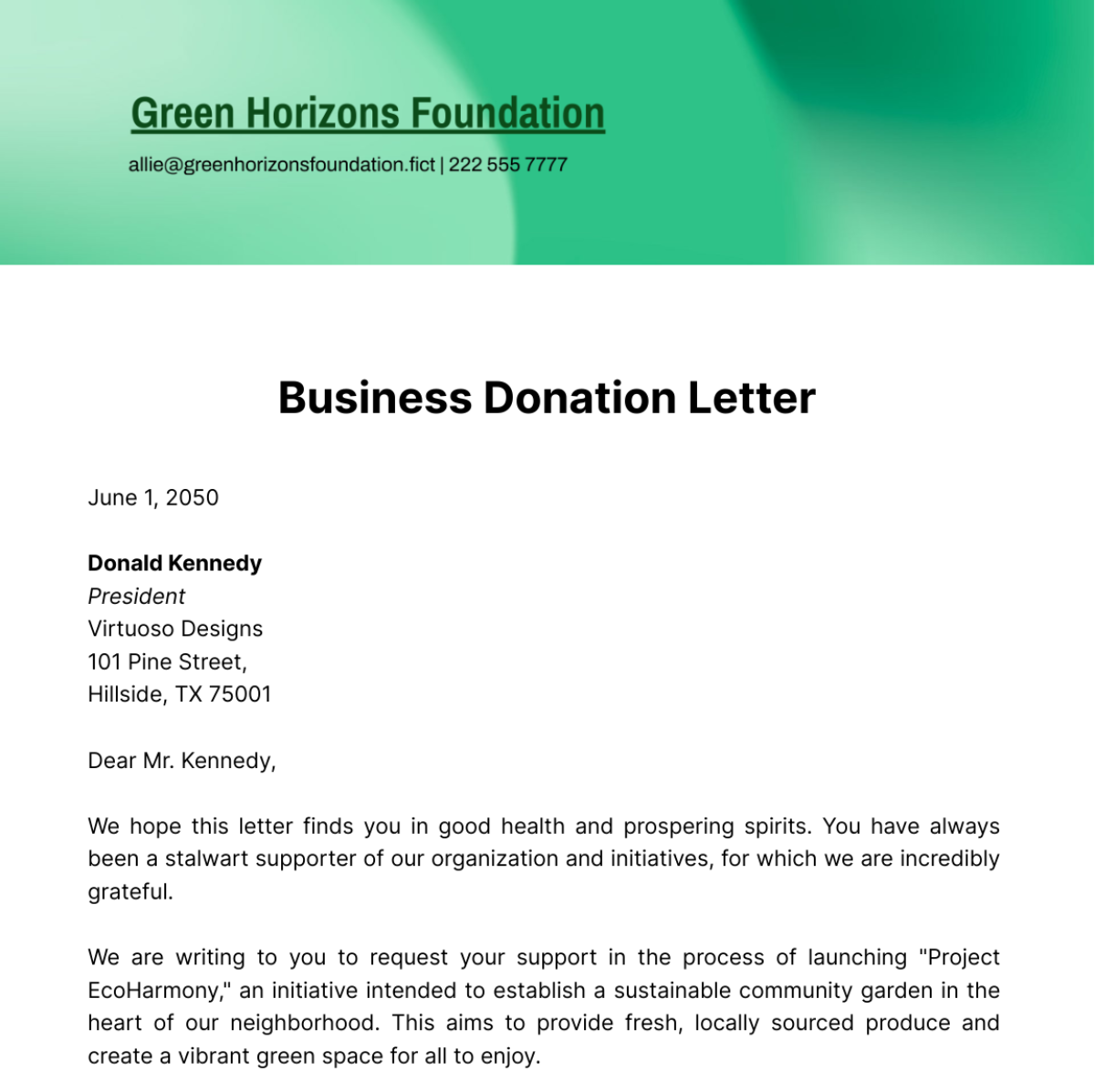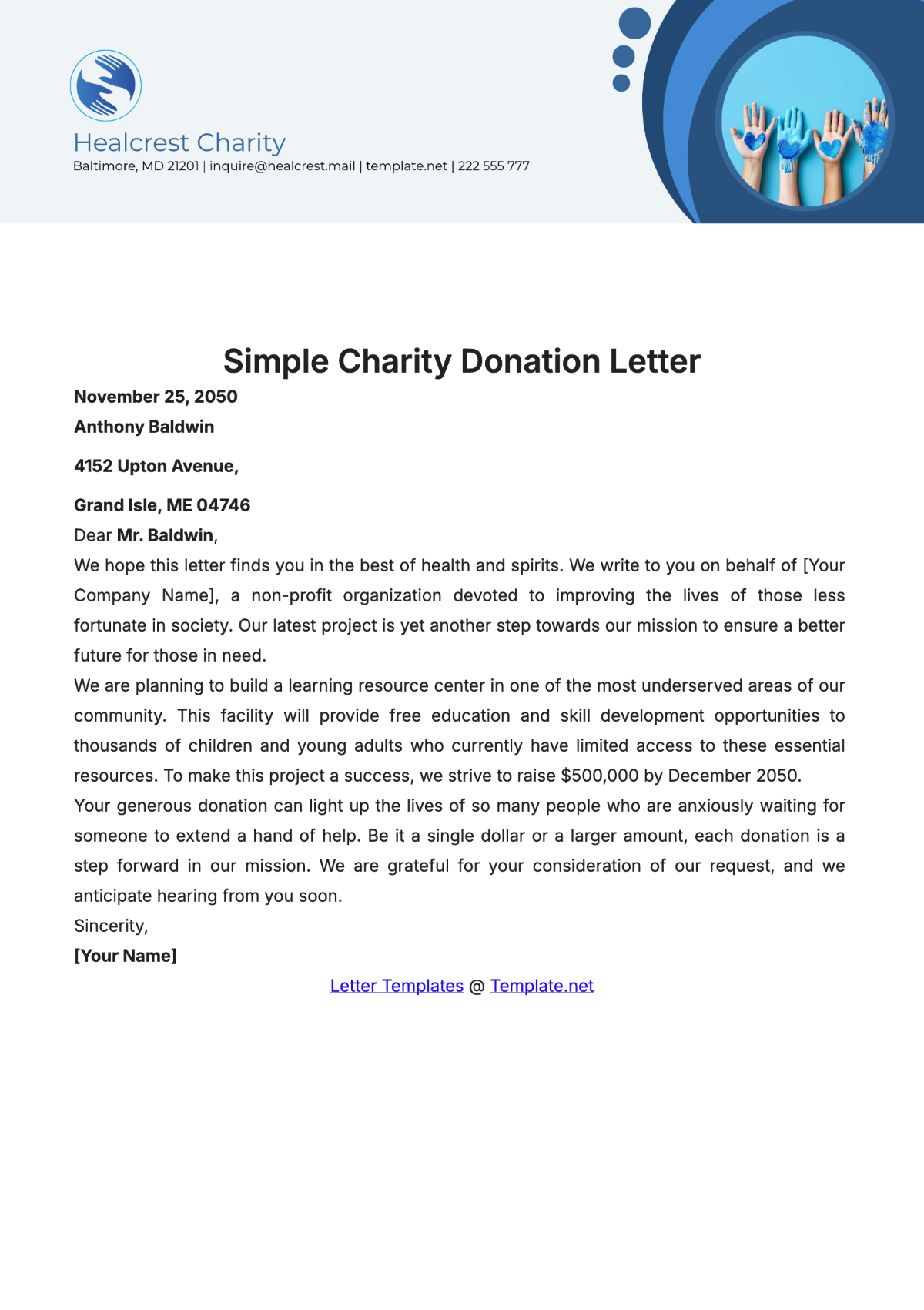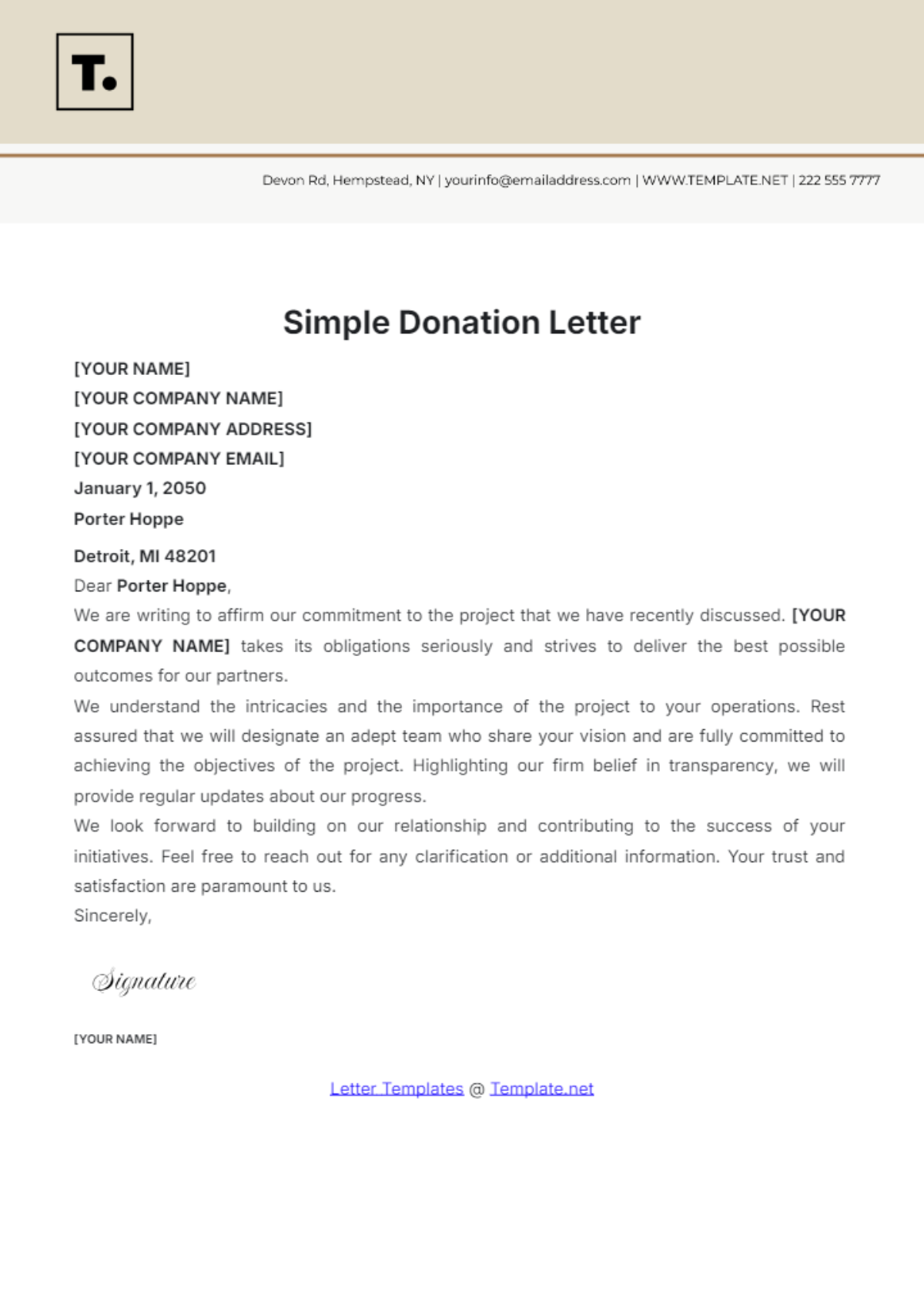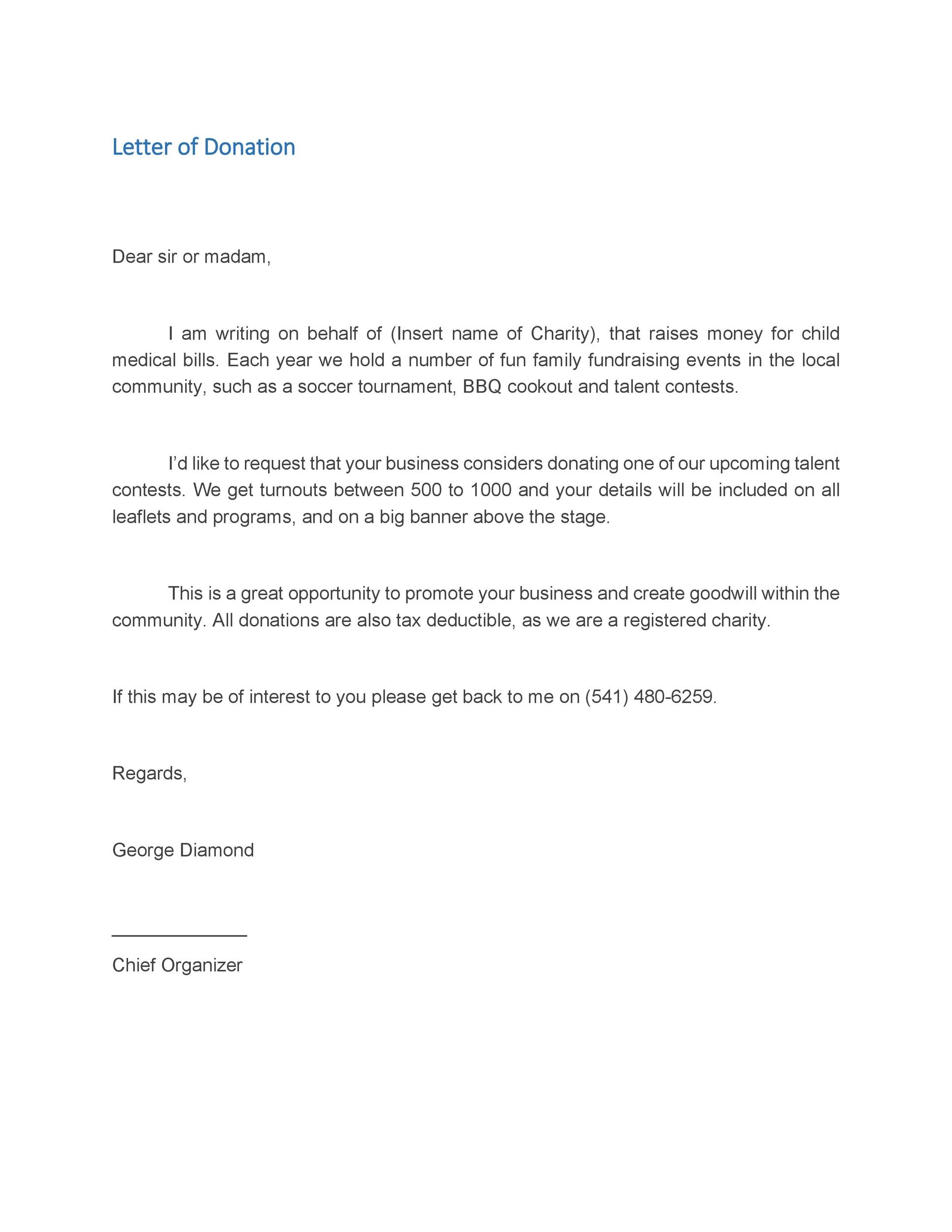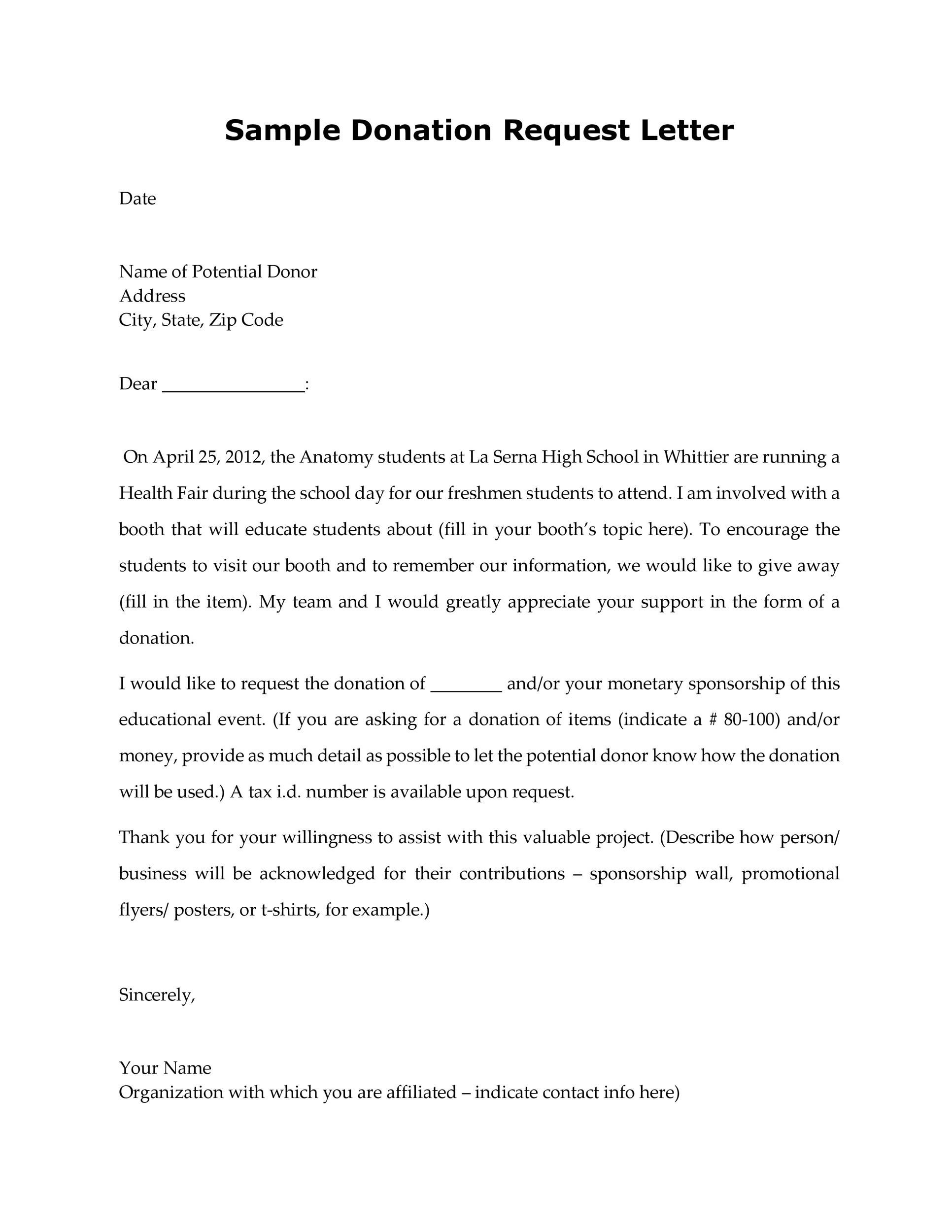
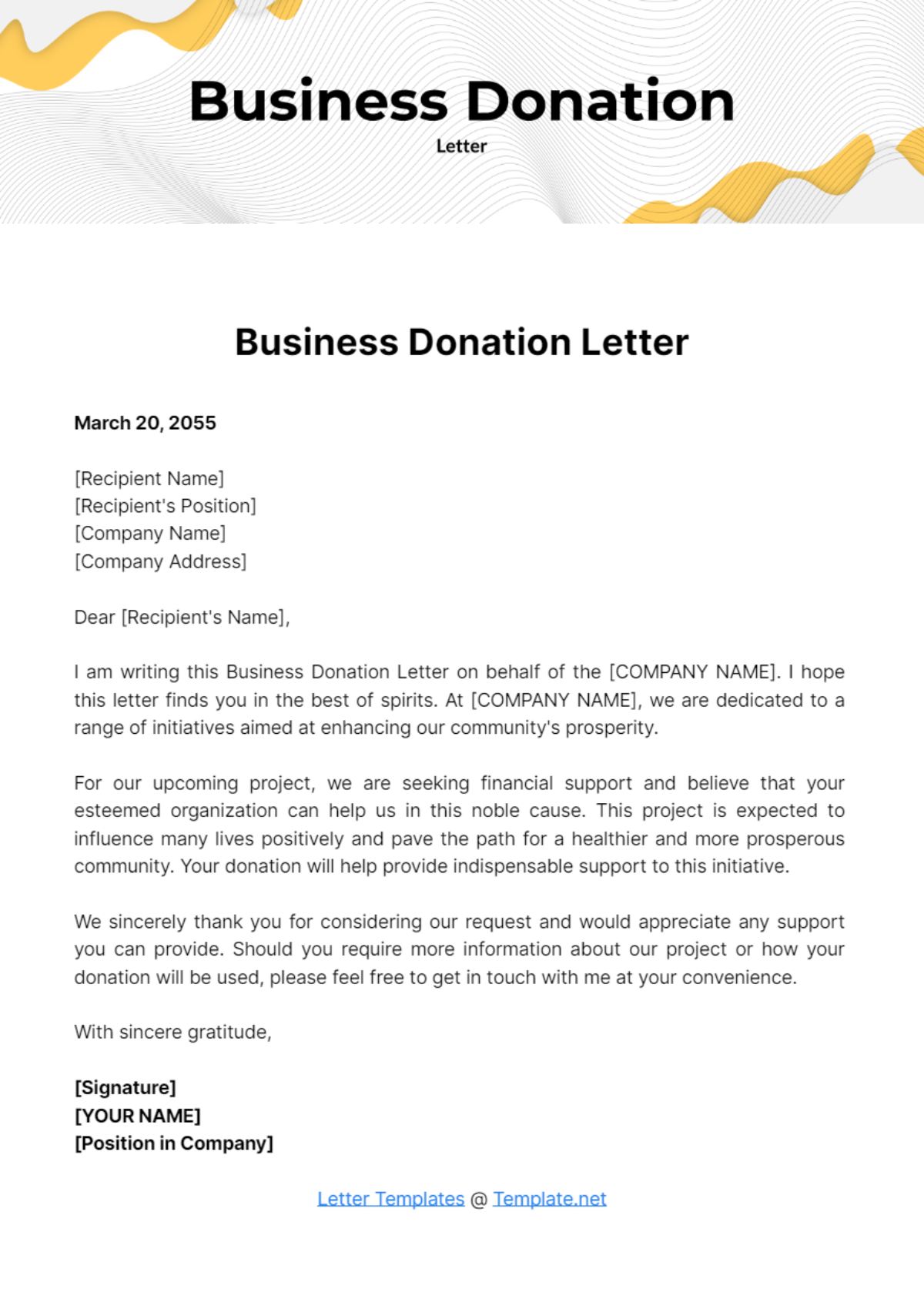
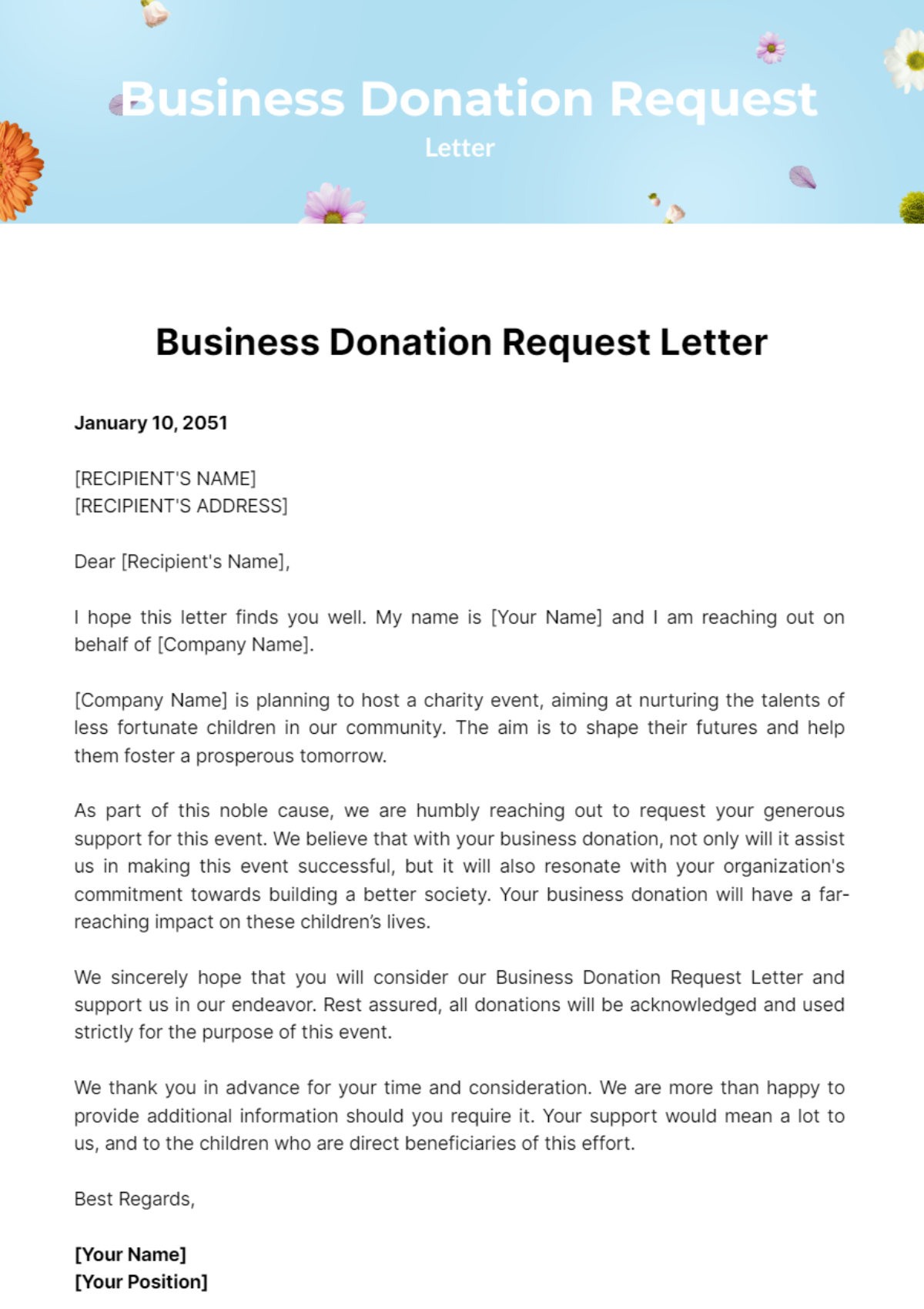
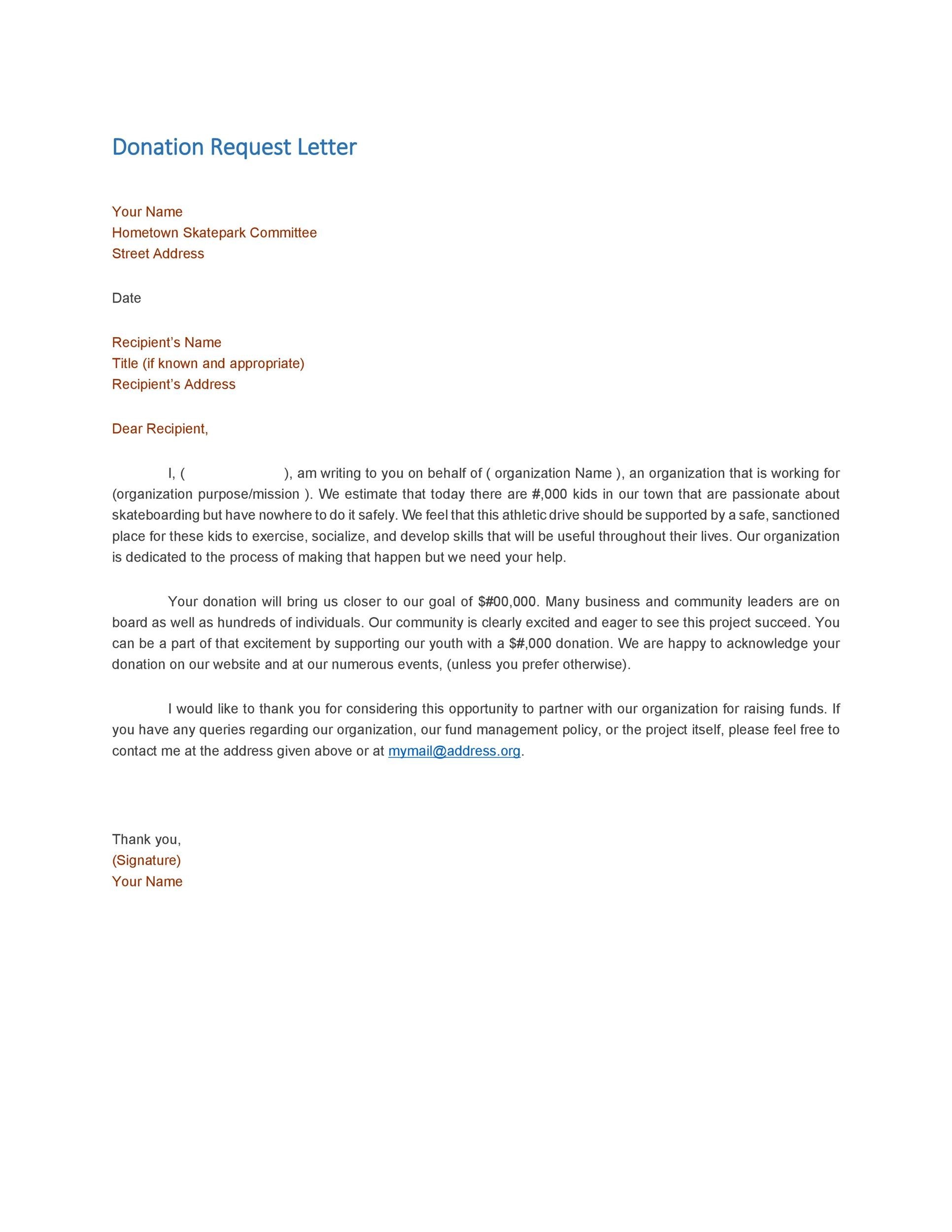
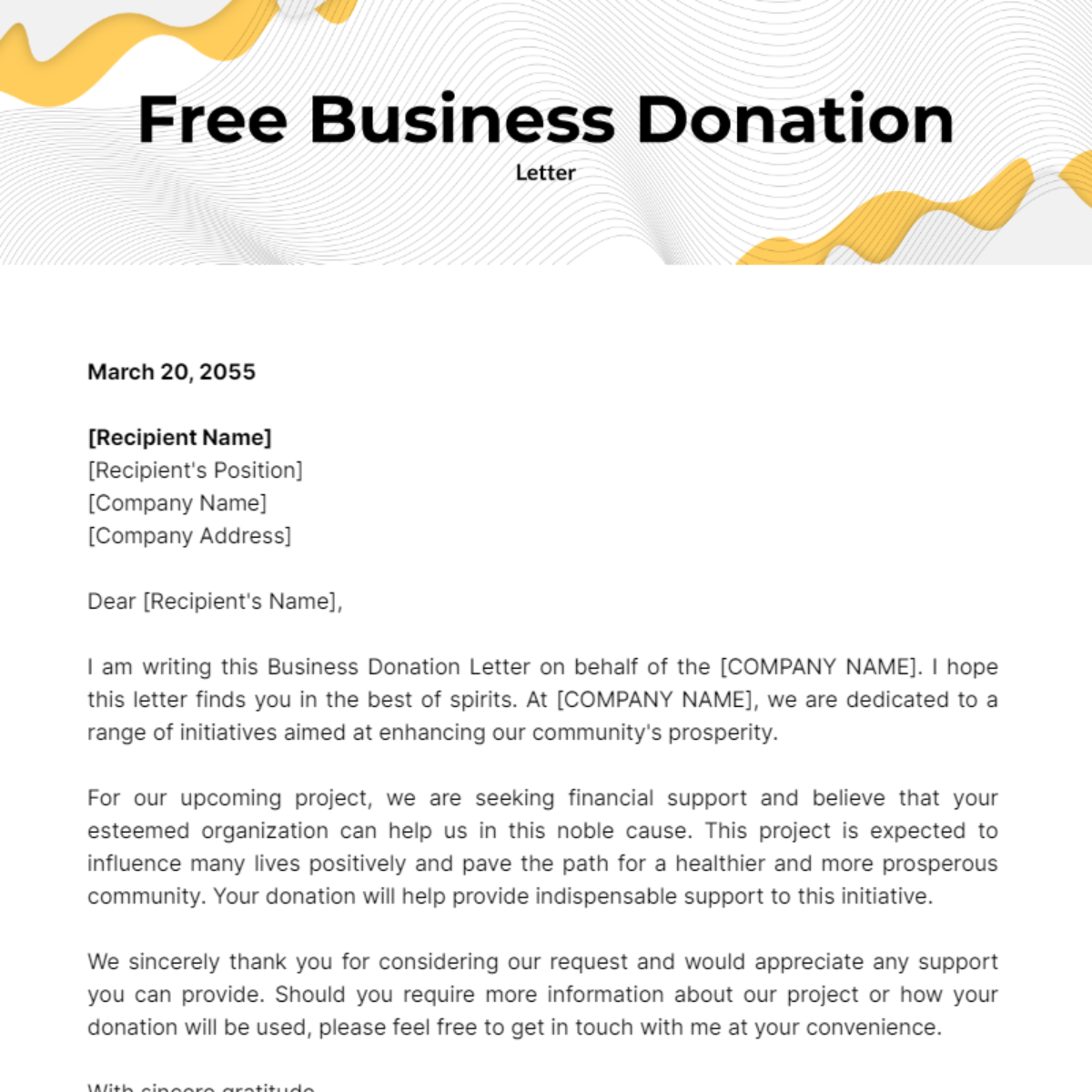
Business Donation Letter Template serves as the bridge between a company’s charitable aspirations and the generosity of its supporters. When crafted thoughtfully, this simple document becomes a powerful tool that can unlock community partnerships, enhance brand reputation, and drive meaningful social impact—all while maintaining a professional, courteous tone that resonates with the recipient.
Why a Business Donation Letter Matters
Building Relationships with Philanthropy
In today’s socially conscious market, consumers and partners increasingly expect businesses to play an active role in solving local and global challenges. A well‑written donation letter doesn’t just request funds; it introduces the company as a committed community stakeholder. By framing the request within a narrative that highlights shared values and long‑term goals, you create a foundation for a lasting partnership that can evolve into joint marketing, volunteer opportunities, or future sponsorships.
Legal and Tax Implications
Beyond the goodwill factor, a donation letter can carry significant legal weight. When the letter clearly states the nature of the contribution—whether it’s a monetary grant, in‑kind goods, or volunteer time—both parties have a documented reference point that can be used for tax deductions, compliance audits, or corporate reporting. Ensuring that your template includes standard clauses and a professional format reduces the risk of miscommunication and protects the business from potential liability.
Key Elements of a Business Donation Letter Template

Header and Contact Information
Start with your company’s logo, address, phone number, and email. Align this information in a clean, top‑aligned block that establishes credibility right from the first glance. Including a clear reference to your organization’s mission or tagline right under the header reinforces brand identity and sets the tone for the rest of the letter.
Salutation and Personal Touch
Address the recipient by name whenever possible. A personalized salutation such as “Dear Mr. Thompson,” or “Hello Dr. Ramirez,” shows that you have done your homework and respect the individual’s contribution history. If you’re reaching out to a corporate entity with a designated point of contact, use a polite but professional greeting that acknowledges their role.
Purpose of the Request
Open with a concise paragraph that explains why you are writing. Highlight the specific program, event, or project that needs funding. Provide a compelling statistic or anecdote that underscores the urgency and relevance of the cause. This section should be no longer than two or three sentences but powerful enough to hook the reader’s interest.
Specifics of the Donation
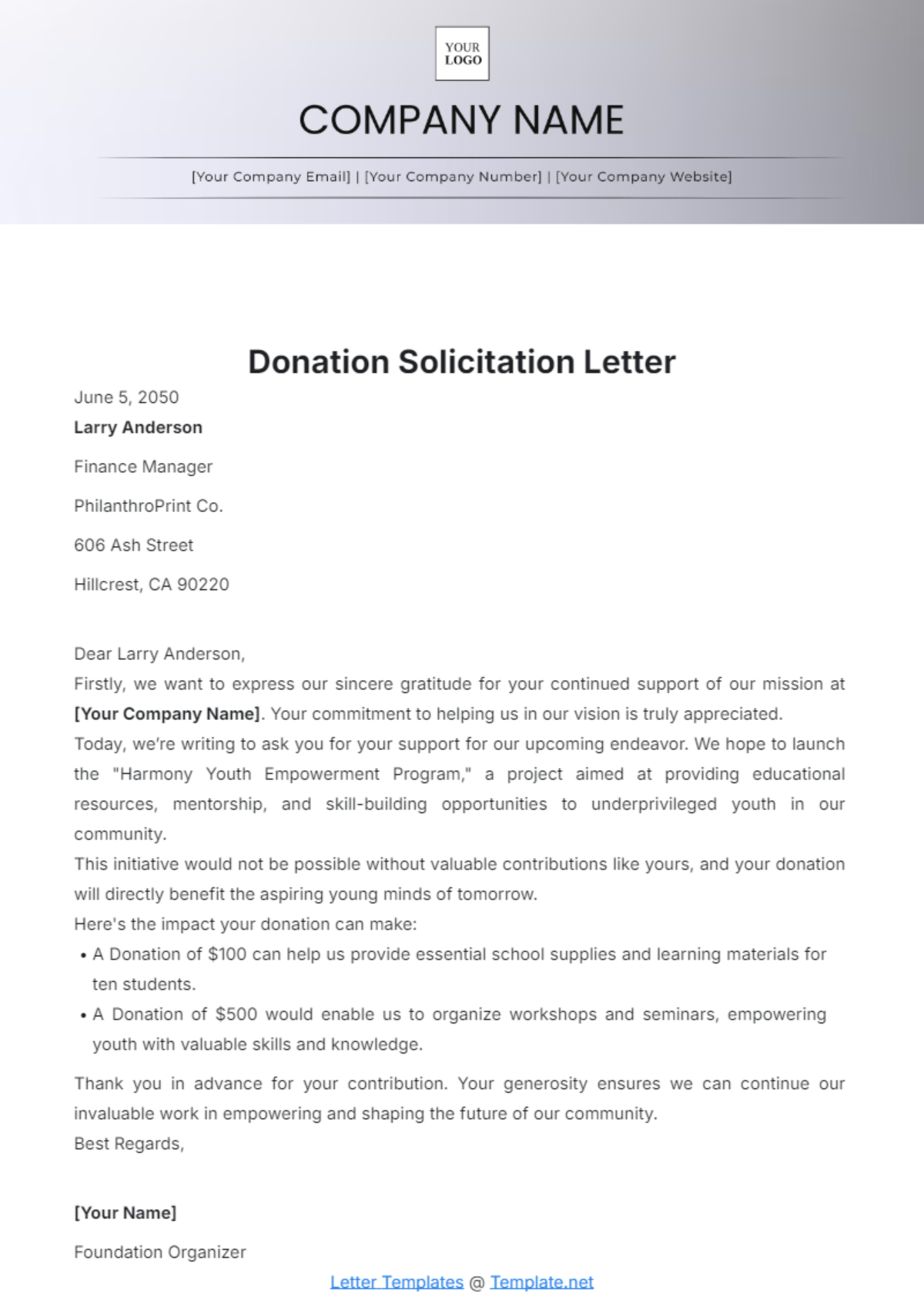
Detail what you need—amount, type of goods, or volunteer hours—and how it will be used. Break down the allocation of funds if applicable: “$5,000 will cover venue costs, while $3,000 will support educational materials.” Transparency builds trust and encourages larger contributions because donors see exactly where their money will go.
Benefits for the Donor
Donors want to see tangible benefits. Outline how the partnership can enhance the company’s public image, provide networking opportunities, or offer tax advantages. Use bullet points or short sub‑paragraphs to keep this section digestible. For example, “Your sponsorship will be highlighted in our annual report, on our website, and at all event signage,” or “Your company will receive a 30% tax deduction on the full donation amount.”
Call to Action and Closing
Conclude with a clear, actionable step: “Please let us know if you can contribute $10,000 by May 15th, or if you prefer a smaller donation, we would welcome any support.” Provide a direct contact line, an email address, and an optional phone number. Finish with a courteous closing line that reaffirms appreciation, such as “Thank you for considering this opportunity to make a lasting difference.” Sign off with your name, title, and organization.
Step-by-Step Guide to Crafting Your Own Template

Step 1: Define Your Mission Statement
Begin by refining a clear, one‑sentence mission statement that encapsulates the purpose of your nonprofit or community initiative. This statement will guide the tone and content throughout the letter, ensuring every paragraph aligns with your overarching goals.
Step 2: Identify the Ideal Donor
Research potential supporters—corporations, foundations, or high‑net‑worth individuals—who have a history of aligning with causes similar to yours. Compile a quick profile for each: industry, donation patterns, and decision‑making hierarchy. Tailoring the letter to match the donor’s interests increases engagement and acceptance rates.
Step 3: Choose a Tone and Formatting Style
Decide on a voice that reflects your brand—formal, conversational, or somewhere in between. Maintain a consistent font type and size, use the company’s color palette subtly in headers, and keep margins uniform. A clean, professional layout demonstrates respect for the recipient’s time and reinforces your credibility.
Step 4: Draft the Content
Using the key elements outlined above, draft the initial letter. Keep sentences short, avoid jargon, and employ active verbs. Once you have the draft, read it aloud to spot awkward phrasing or redundancies. Incorporate a storytelling hook in the opening paragraph to capture attention quickly.
Step 5: Review, Edit, and Personalize
After drafting, perform a rigorous edit for grammar, flow, and compliance with donation guidelines. Have a colleague proofread to catch typos. Add a personal note—such as a mention of a previous meeting or a shared project—to each letter before sending it out.
Real-World Examples of Effective Business Donation Letters
Example 1: Community Development Grant
Imagine a small tech startup requesting a $15,000 grant to fund a community coding bootcamp. The letter begins with a brief story about a local student who lost access to after‑school programs. It then outlines the project’s budget, the expected outcome of 200 new coding skills, and the marketing exposure the donor will receive. By coupling tangible metrics with a human story, the startup’s request feels urgent and credible.
Example 2: Educational Program Sponsorship
A regional food bank seeks sponsorship for a nutrition education series. The template includes a quick snapshot of current nutrition statistics in the area, a list of educational materials, and a schedule of events. It highlights that the sponsor’s logo will appear on all flyers, in the newsletter, and on a dedicated “Partner” page on the website. This clear mapping of benefits aligns the sponsor’s marketing objectives with the organization’s outreach goals.
Common Mistakes to Avoid
Overcomplicating the Language
Using overly technical or legalistic language can alienate potential donors. Aim for clarity—use plain language and short sentences. Readers should grasp the request within the first few lines without needing a dictionary.
Neglecting Personalization
A generic “Dear Sir/Madam” sends a chilling message that you do not care about the recipient’s unique contribution history. Whenever possible, insert the donor’s name, company, or past involvement. Even a small personalized detail can significantly increase response rates.
Failing to Follow Up
Many businesses draft perfect letters and then forget to track responses. Use a simple spreadsheet to record dates of outreach, response status, and follow‑up actions. A polite follow‑up email or call after a week demonstrates professionalism and keeps your request top of mind.
Tools and Resources for Customizing Your Template
Online Editors and Templates
While you should avoid directly copying templates from the web, using a reputable online editor can help you structure your letter efficiently. These tools often provide pre‑built sections for contact info, mission statements, and call‑to‑action statements. Customize each section to fit your specific needs before finalizing.
Professional Copywriting Services
If budget allows, consider hiring a copywriter with nonprofit experience. Their expertise can elevate your tone, refine the messaging, and incorporate proven persuasion techniques. A well‑crafted letter can improve conversion rates by up to 30% compared to DIY approaches.
Final Thoughts and Call to Action
A Business Donation Letter Template is more than a formality—it is a strategic communication tool that encapsulates your organization’s vision, needs, and partnership potential. By thoughtfully integrating key elements, tailoring the message to each donor, and avoiding common pitfalls, you can transform a simple request into a compelling narrative that resonates with decision‑makers. Start drafting today, personalize your outreach, and watch as your community’s generosity begins to flow in support of your mission.