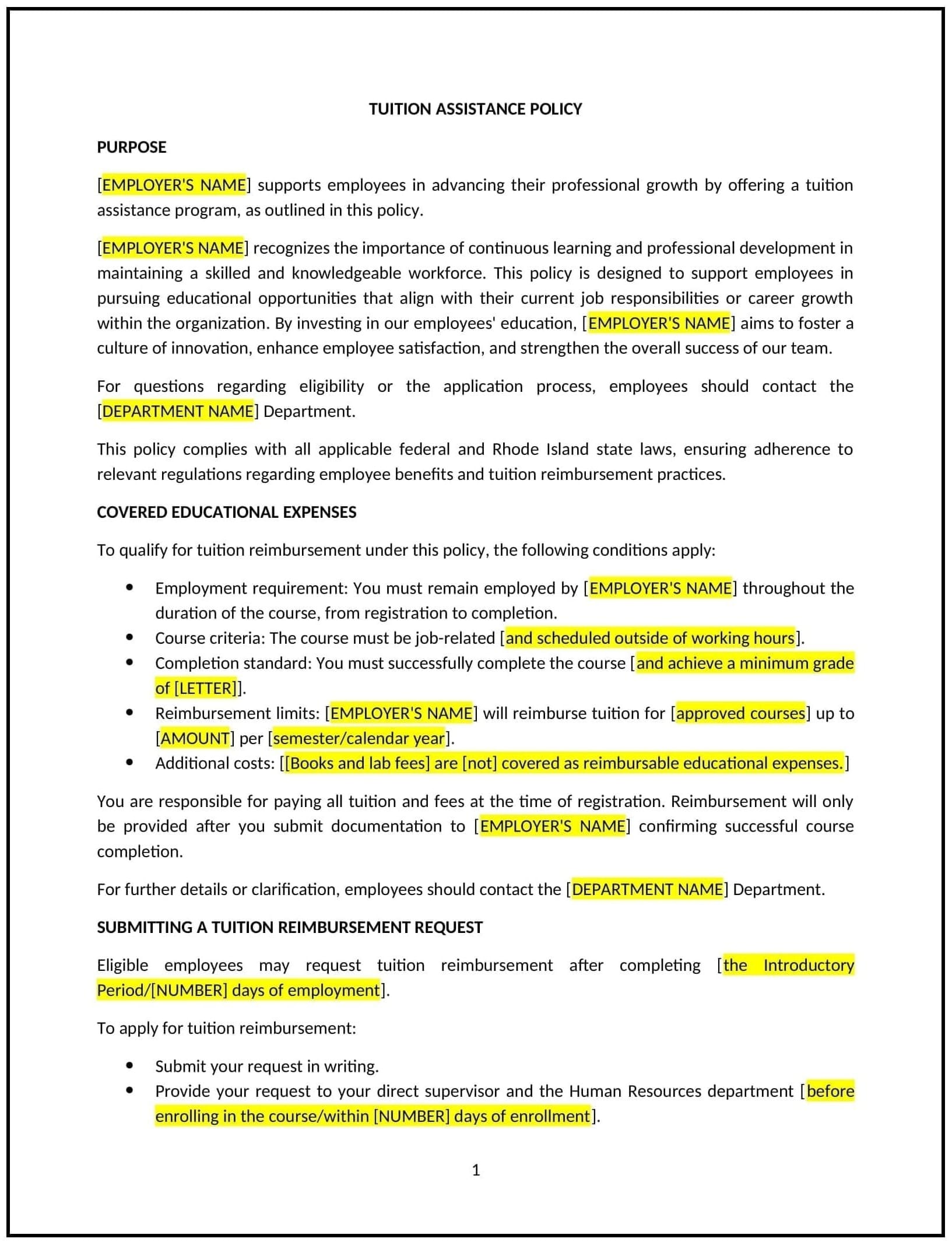
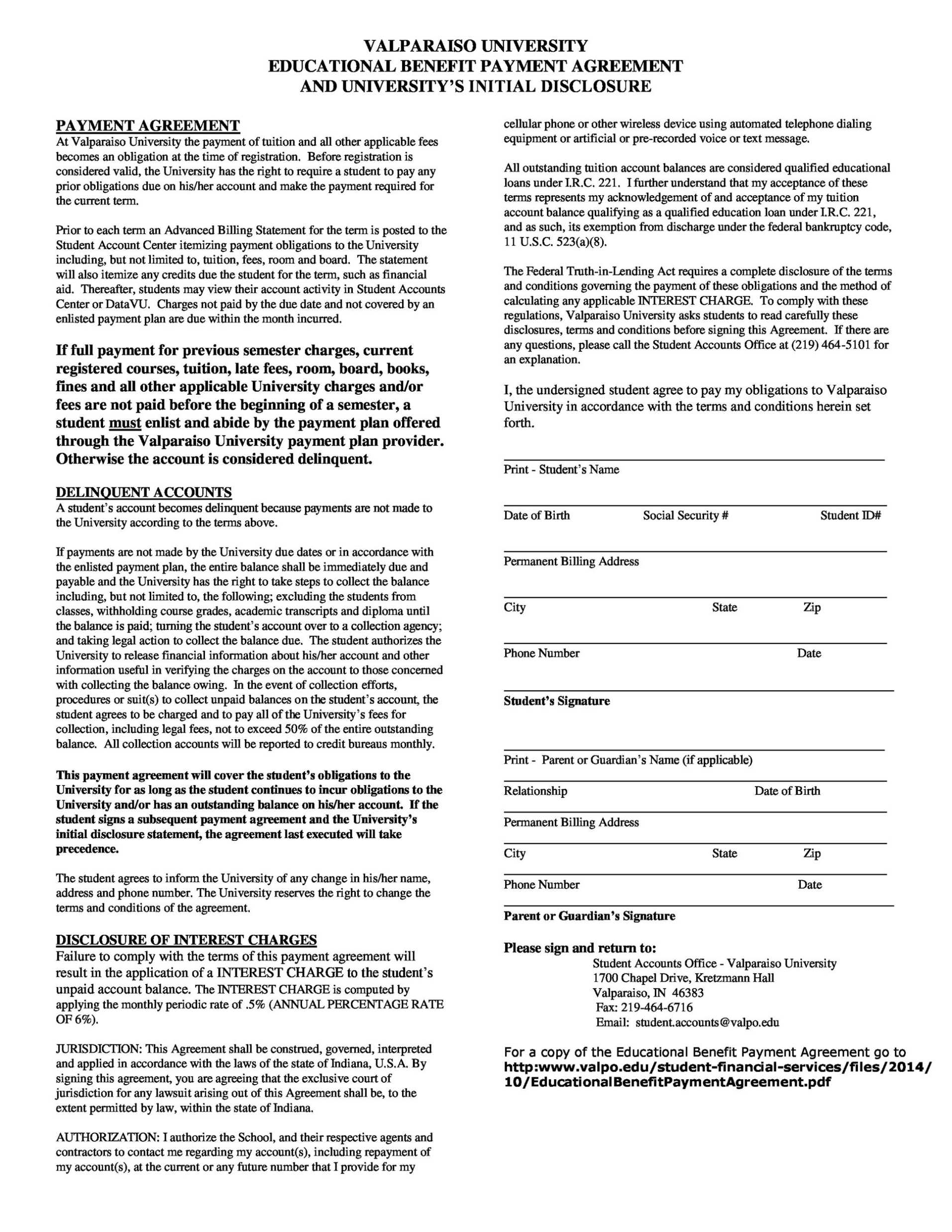
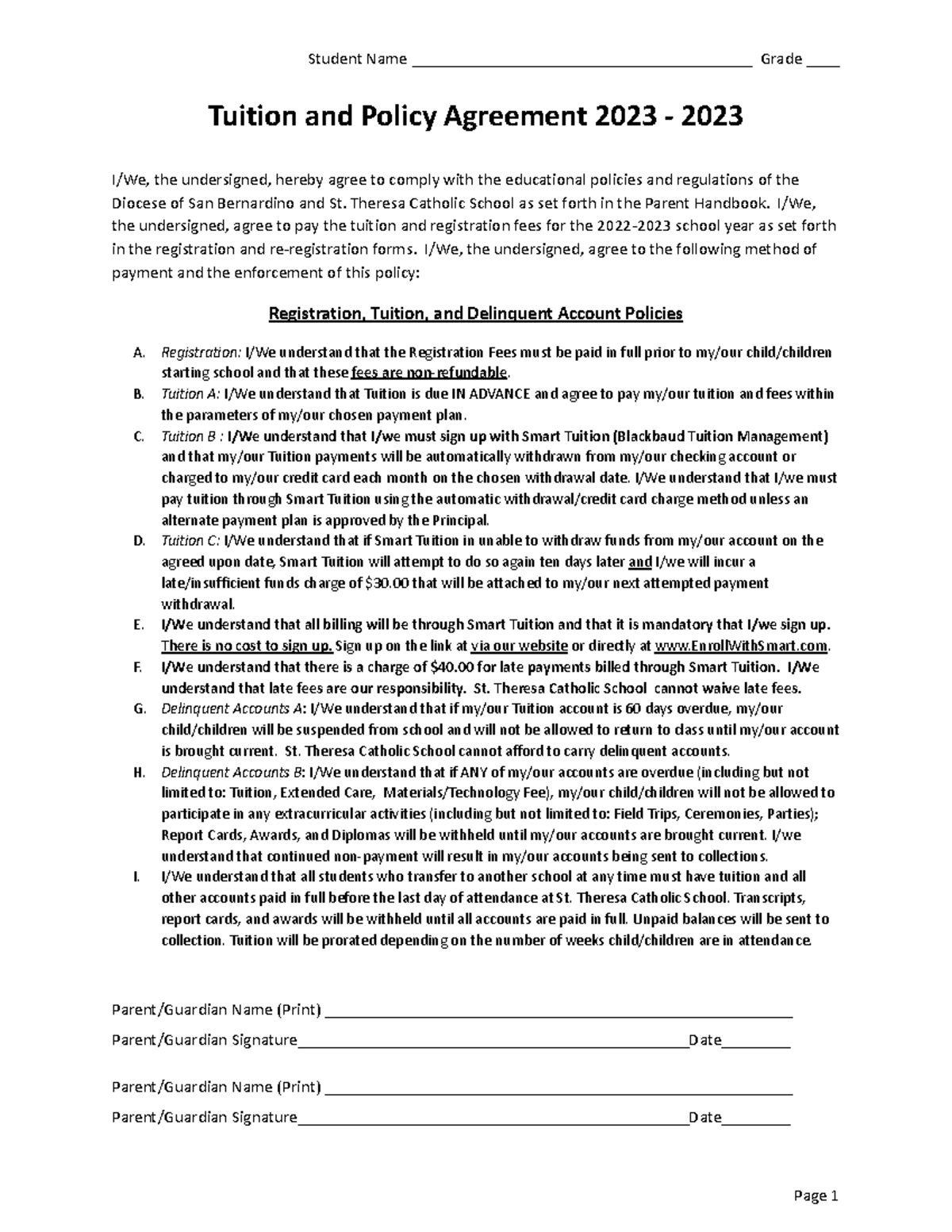
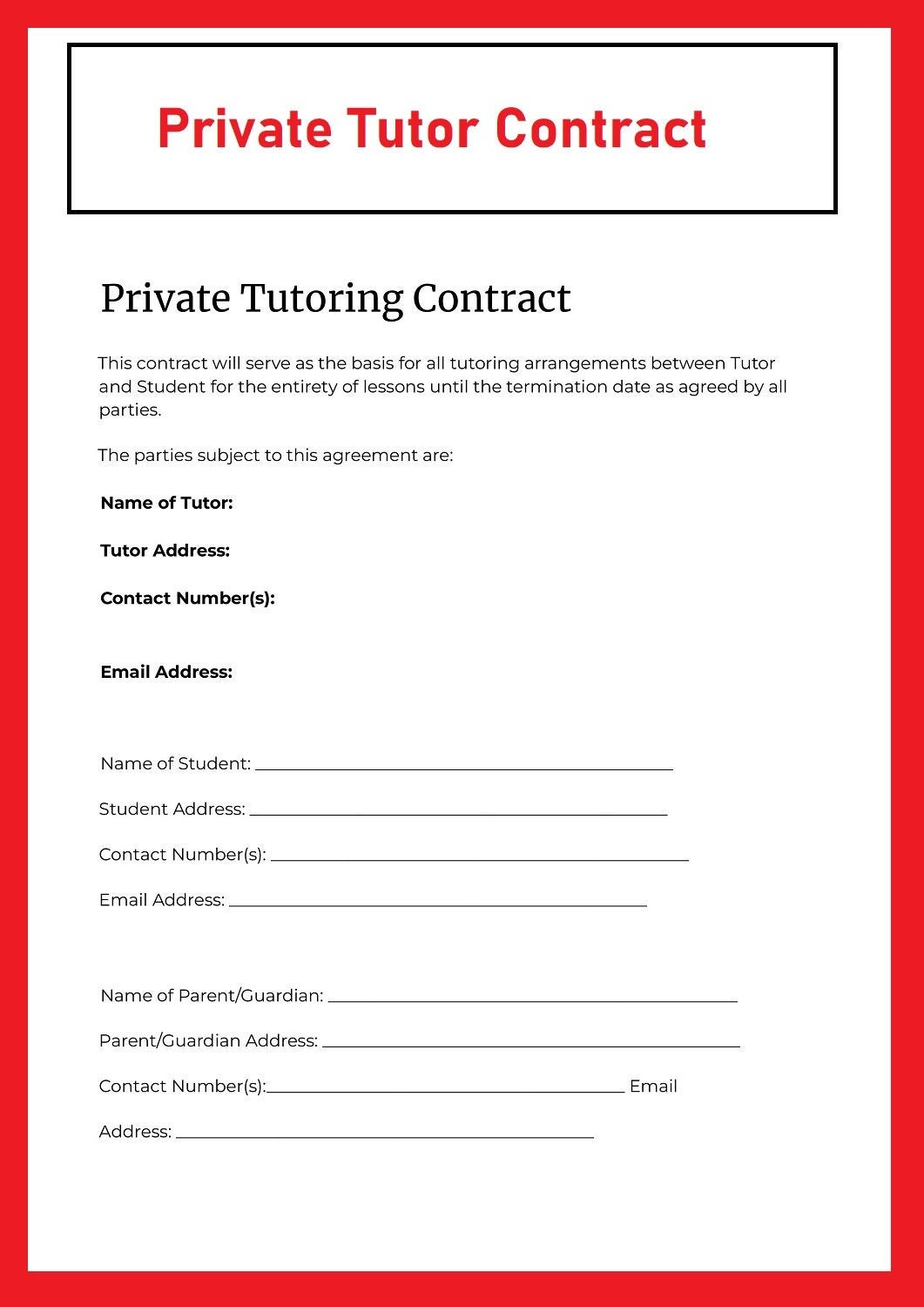
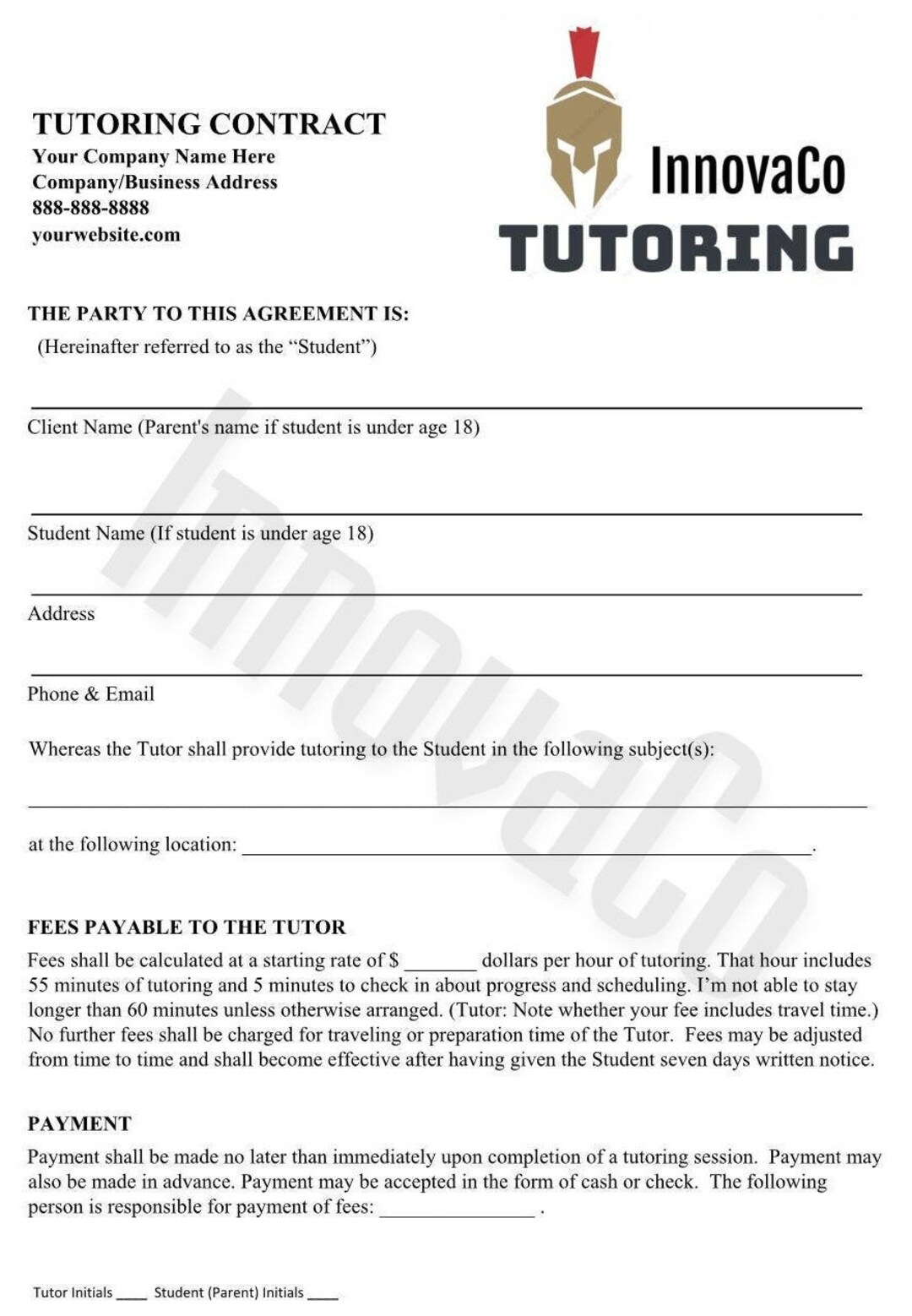
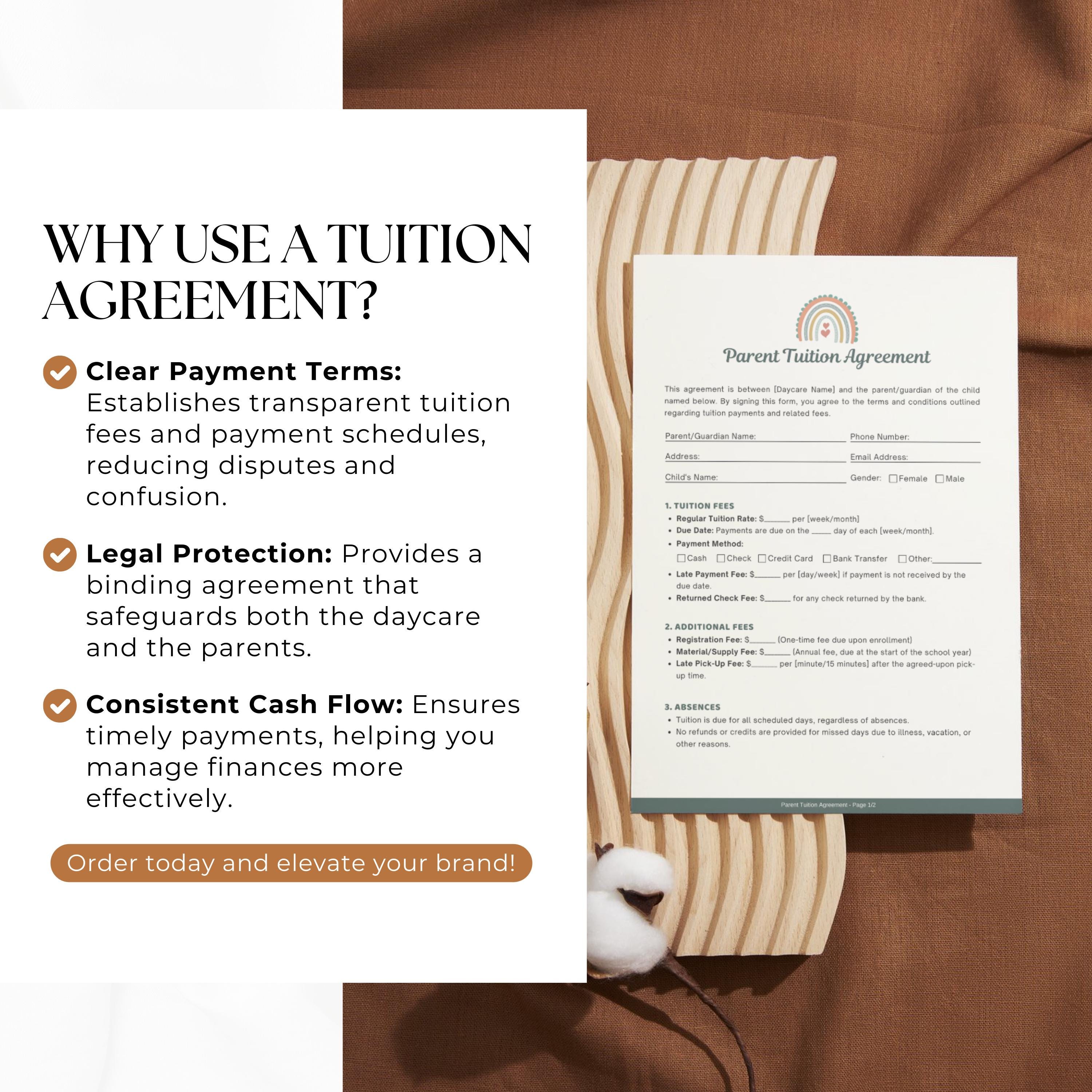
Tuition Agreement Template is more than just a form—it’s a roadmap that connects your educational goals with the financial realities of a college career or professional development program. In this guide, we break down every part of a typical agreement, show how to tailor it to your personal or business needs, and give you real‑world examples that will make drafting or signing feel less intimidating.
Why a Tuition Agreement Matters
When you or an employee enrolls in a course, the promise of reimbursement or payment flexibility is a powerful motivator. A clear agreement protects everyone: the student, the employer, and the educational institution. Without it, misunderstandings about deadlines, responsibilities, or refund conditions can turn a good opportunity into a costly dispute.
Key Benefits for Students
- Financial Transparency: You know upfront how much you will pay and when.
- Predictable Planning: Budgets become easier when tuition is spread over a fixed schedule.
- Legal Safeguard: In case of withdrawal or program change, the agreement defines your rights.
Key Benefits for Employers
- Cost Control: The contract sets repayment limits and timelines, preventing budget surprises.
- Retention Tool: Offering tuition reimbursement keeps top talent engaged.
- Compliance Assurance: A formal document helps satisfy tax and audit requirements.
Essential Sections of a Tuition Agreement Template
Below we outline the most common clauses and provide tips for customizing each section. Think of the template as a skeleton that can be fleshed out with specifics relevant to your situation.
1. Parties and Purpose
This opening paragraph identifies the student or employee, the sponsoring organization, and the educational program. A concise purpose statement clarifies the agreement’s intent: “to outline the terms under which tuition costs will be reimbursed or paid.”
2. Program Details
List the course title, institution name, start and end dates, and total tuition cost. If the program is split into semesters, indicate each installment separately. Adding a table helps maintain clarity:
Semester | Institution | Course | Tuition | Due Date
-----------------------------------------------
Fall     | University A | MBA    | $4,000  | 01/15/2025
Spring   | University A | MBA    | $4,000  | 08/01/2025
3. Payment Structure
Decide whether the sponsor pays directly to the institution, offers a stipend, or requires a reimbursement model. Include:
- Payment Method: Check, ACH transfer, or credit card.
- Timing: Monthly, quarterly, or per semester.
- Late Fees: Percentage or flat amount if payment lags.
4. Eligibility and Completion Requirements
Define the conditions that grant a student or employee the right to claim tuition. Common clauses:
- Minimum attendance or academic performance (e.g., a 3.0 GPA).
- Full-time enrollment status for a set period.
- Completion of a probationary period (e.g., six months of employment).
5. Repayment Terms (if applicable)
When employers offer upfront tuition coverage, they often expect repayment if the employee leaves early. Outline:
- Grace Period: How many months the employee can stay before repayment kicks in.
- Installment Schedule: Monthly, quarterly, or annually.
- Interest Rate: If any, and how it’s calculated.
6. Refund and Withdrawal Policies
Educational institutions may allow partial refunds or require a specific notice period. The agreement should mirror that policy, ensuring the sponsor knows when they’ll get money back.
7. Confidentiality and Data Sharing
Include a clause that protects personal academic information. This is especially relevant for employees sharing performance metrics with HR.
8. Governing Law and Dispute Resolution
State the jurisdiction that will govern any disagreements. Arbitration clauses can speed up resolution and reduce legal costs.
9. Signature Block
Both parties must sign, acknowledging that they understand and agree to the terms. A digital signature field can streamline the process.
Step‑by‑Step: How to Draft Your Own Tuition Agreement

Now that we’ve broken down each section, let’s walk through creating a template from scratch.
Step 1: Gather Core Information
Collect the program name, dates, cost breakdown, and any scholarship details. For employers, confirm the budget for tuition assistance and the desired repayment structure.
Step 2: Choose Your Structure
Decide between a simple agreement for a single student or a broader policy for a whole organization. Use the template as a base and adjust the scope accordingly.
Step 3: Draft the Text
Start with a clear, plain‑language statement of purpose. Avoid legal jargon where possible to make the document approachable for non‑lawyers.
Step 4: Add Custom Clauses
Insert specific terms that reflect your situation: for example, “The employee will not be eligible for reimbursement if they resign with less than 12 months of remaining service.”
Step 5: Review with Stakeholders
Send the draft to the student or employee, HR, and a legal advisor. Incorporate feedback promptly to avoid delays.
Step 6: Finalize and Sign
Once all parties agree, print or use an e‑signature platform to capture signatures. Keep a PDF copy for records.
Real‑World Examples: Templates in Action
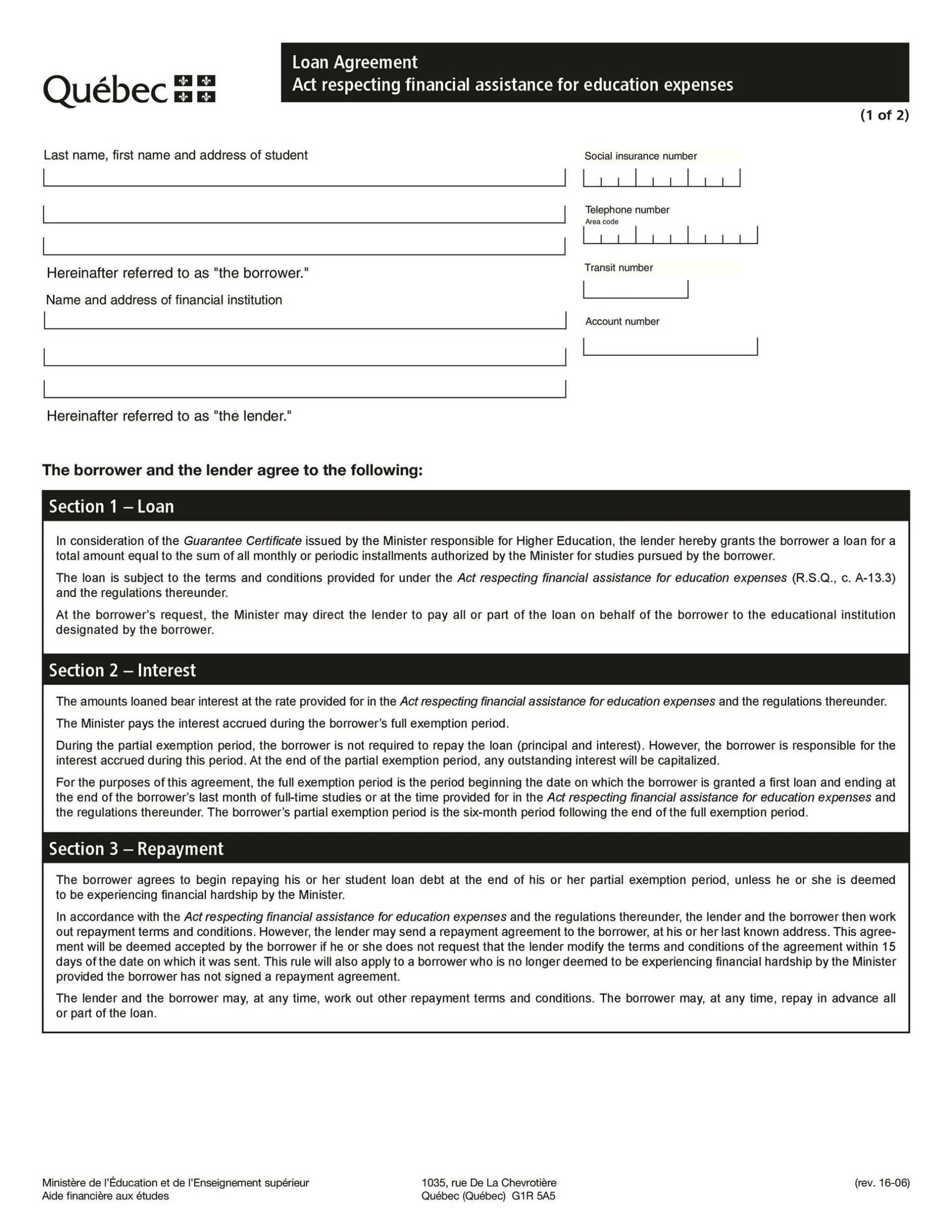
To help you visualize how a tuition agreement plays out, here are two scenarios—one for a student seeking a private loan, and one for an employee benefiting from a corporate reimbursement program.
Case Study 1: The Aspiring Data Scientist
Jane, a recent graduate, enrolls in a Data Analytics bootcamp. Her family offers to cover 75% of the tuition in exchange for a promise that she will work for them for at least two years after completion. Jane’s agreement includes:
- Detailed payment schedule: 30% upfront, 30% mid‑course, 40% upon graduation.
- Repayment clause: If Jane leaves before 24 months, she must repay the remaining balance plus a 5% penalty.
- Performance guarantee: A minimum project score of 85% to qualify for the full reimbursement.
Case Study 2: The Tech Startup’s Upskilling Initiative
BrightTech offers its software engineers a $3,000 stipend per year to pursue certifications. The company’s tuition agreement covers:
- Eligibility: Must be a full‑time employee for at least one year and have a quarterly performance review score of 3.5/5.
- Reimbursement: The stipend is paid directly to the educational provider on a quarterly basis.
- Retention: If an engineer leaves voluntarily within 12 months of receiving the stipend, they must repay 50% of the amount.
Common Pitfalls and How to Avoid Them
Even with a solid template, mistakes can happen. Here are frequent errors and practical fixes.
Missing Renewal Terms
Some agreements lack a clear mechanism for extending or renewing tuition support. Add a clause that specifies whether the agreement can be extended after a certain period.
Inadequate Tax Considerations
Employers might unintentionally expose themselves to tax penalties by misclassifying the tuition benefit. Consult a tax professional to ensure compliance with IRS rules for employee educational assistance.
Not Defining Withdrawal Conditions
Without explicit withdrawal policies, disputes over partial refunds can arise. Align your contract with the institution’s official refund schedule.
Overlooking Confidentiality
Academic performance data is protected under FERPA and other privacy laws. Include a confidentiality clause to guard against accidental disclosure.
Why SEO‑Friendly Language Matters

When students or HR managers search online for “Tuition Agreement Template,” they expect clear, actionable content. Use keyword‑rich headings and natural phrasing to help your article rank while still sounding approachable.
Keyword Placement
- Primary keyword: “Tuition Agreement Template” in the first sentence and a few subheadings.
- Secondary keywords: “tuition reimbursement agreement,” “employee tuition policy,” “university tuition contract.”
Readability Tips
- Short paragraphs of 3–4 sentences.
- Bullet points for quick reference.
- Use bold to emphasize critical terms without overdoing it.
Final Thoughts: Making the Most of Your Tuition Agreement
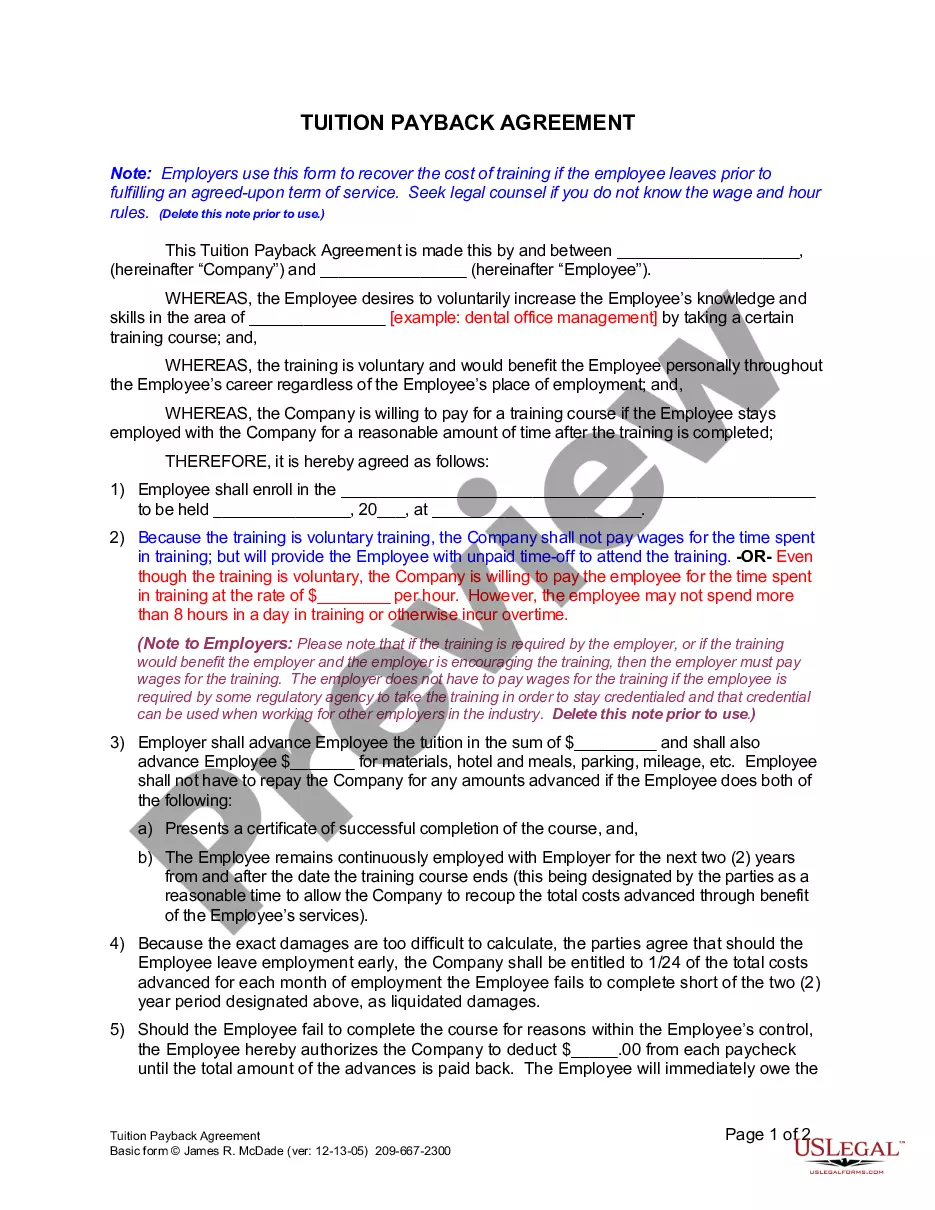
A well‑crafted tuition agreement not only clarifies financial responsibilities but also strengthens the trust between students, employees, and institutions. By customizing a template to your unique circumstances—whether you’re a lifelong learner or a forward‑thinking employer—you create a foundation that supports growth, accountability, and peace of mind. With the checklist and examples provided, you’re ready to draft a contract that works for everyone involved. Happy learning and smart investing in education!