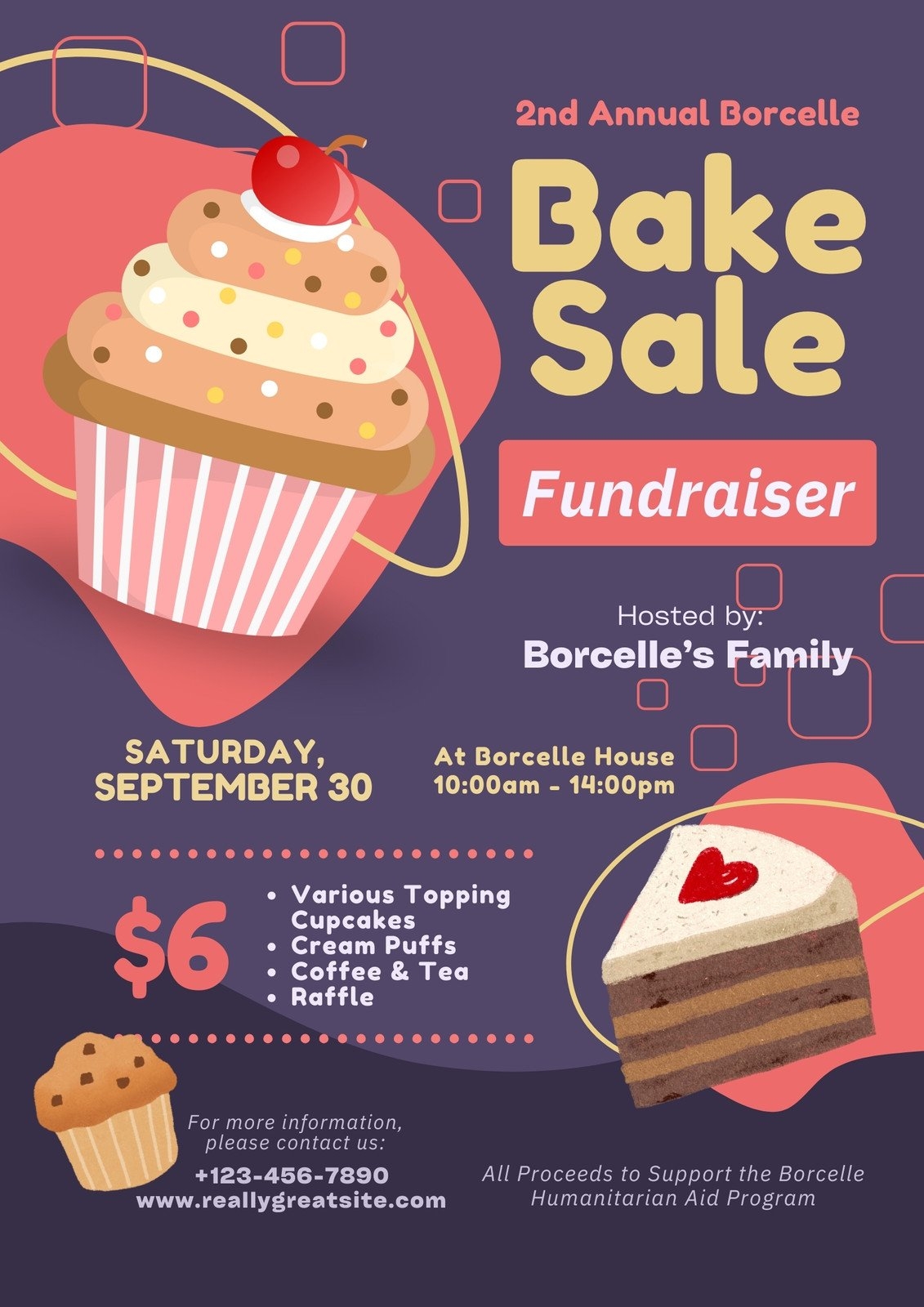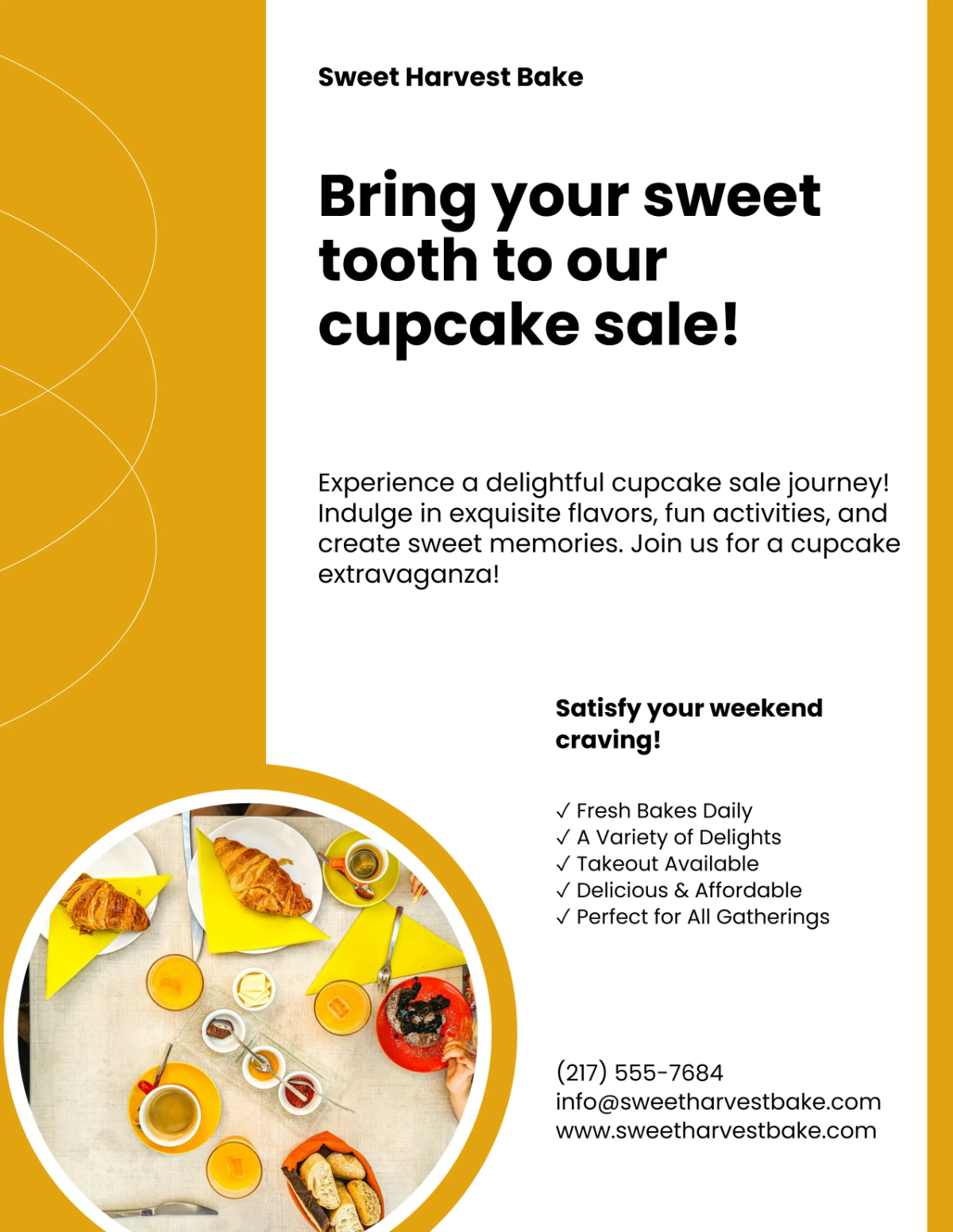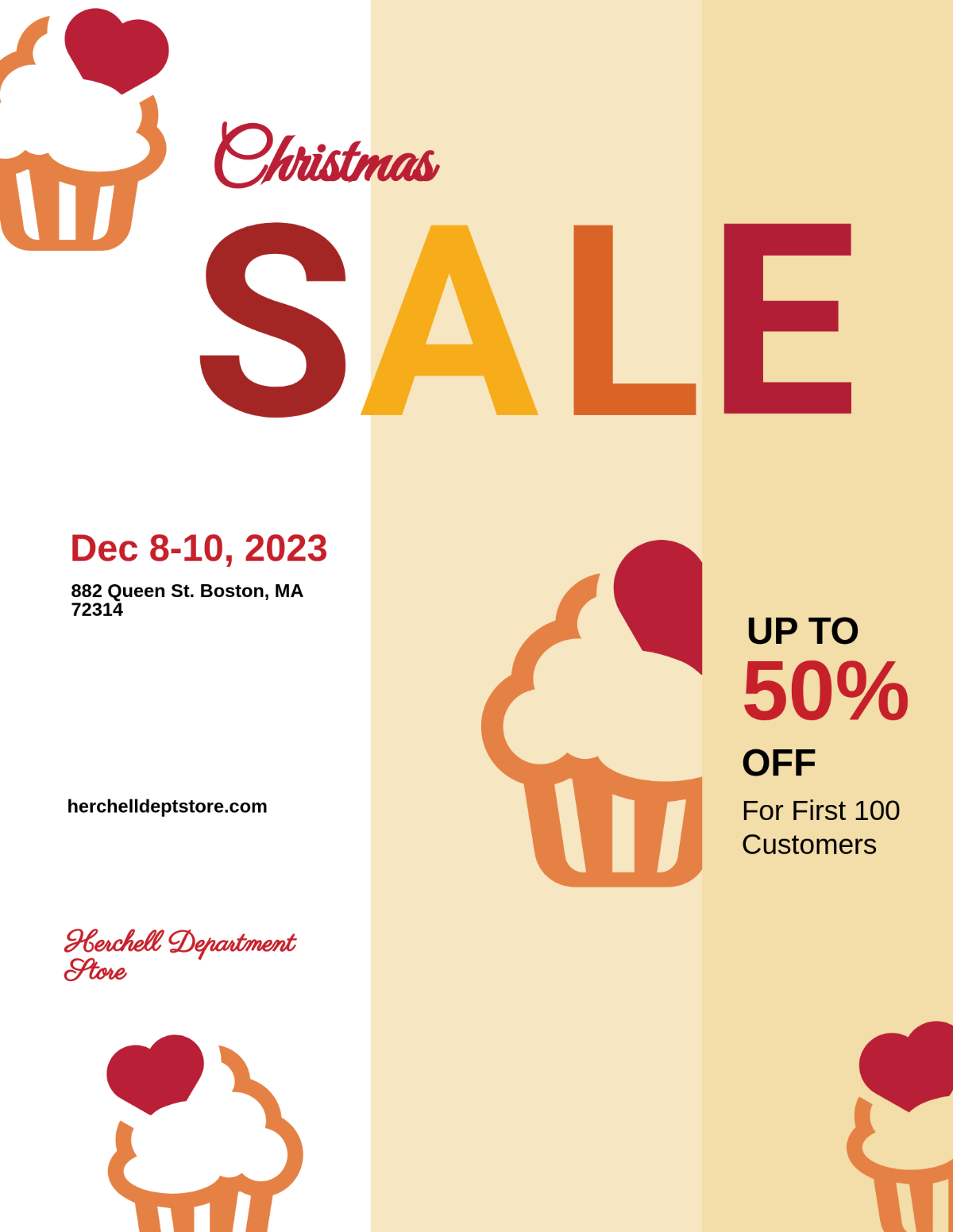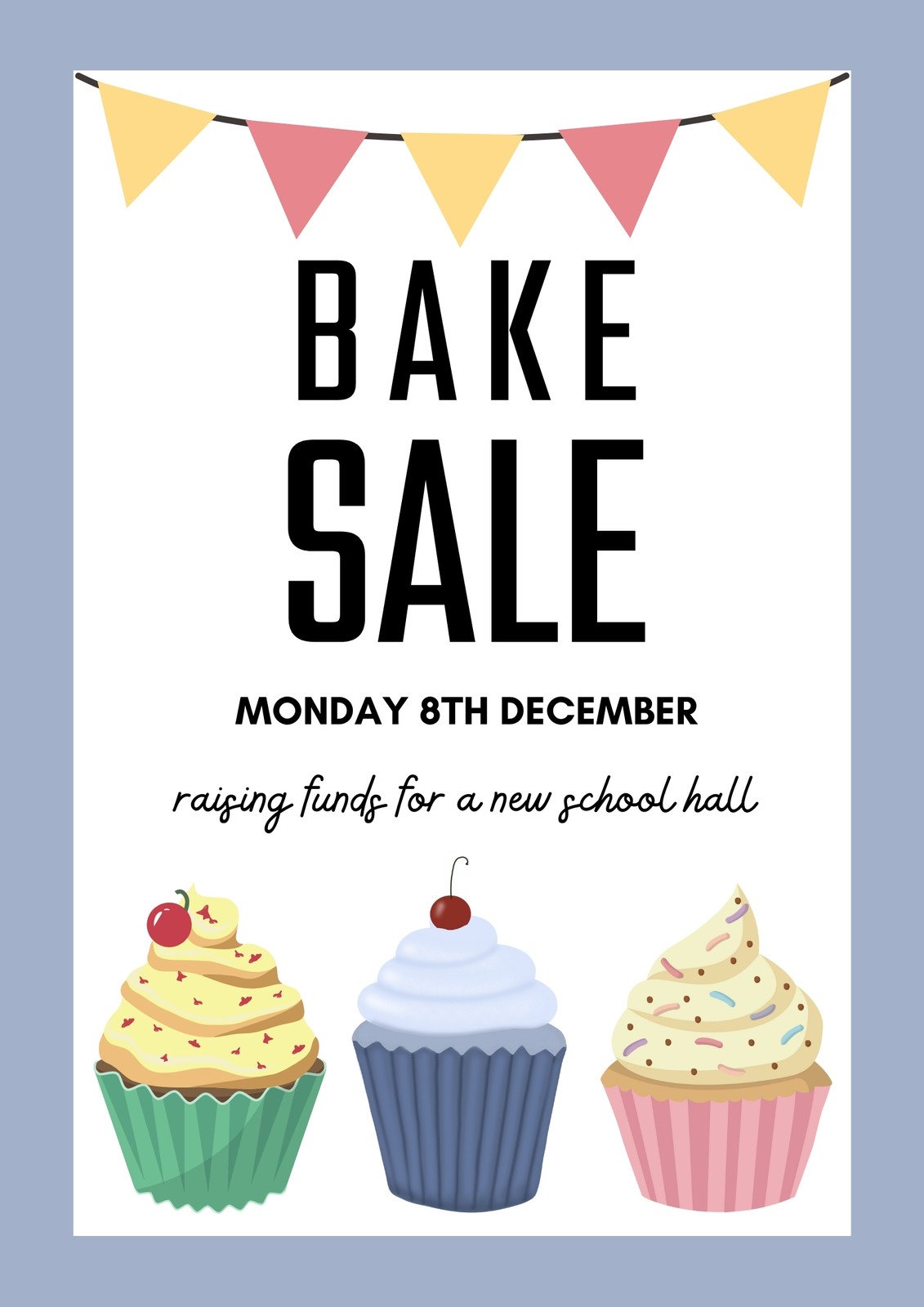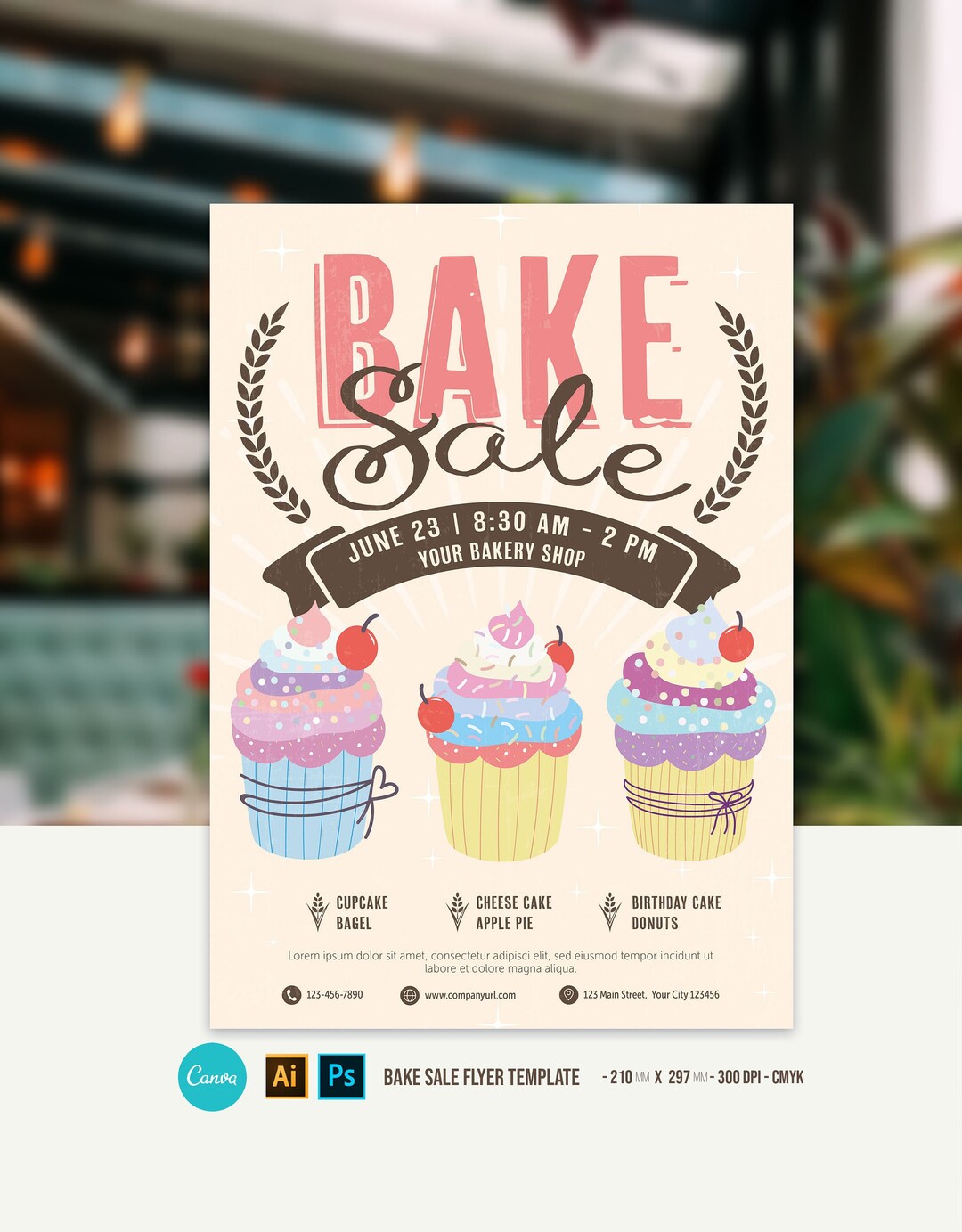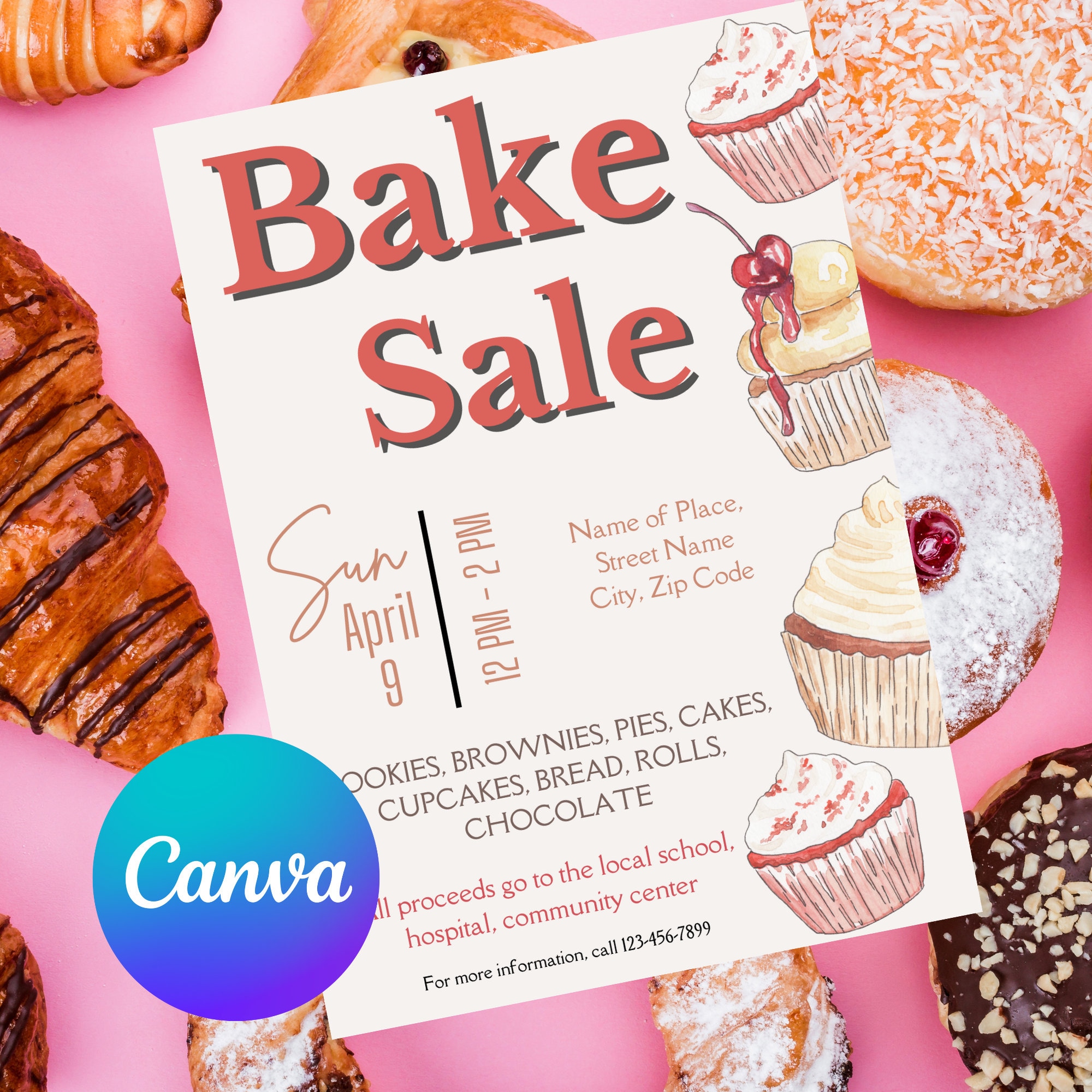
Bake Sale Flyer Free Template is the secret weapon that transforms a simple community fundraiser into an unforgettable event that draws crowds, sparks excitement, and fills every table with delicious treats. Whether you’re a church committee, a school PTA, or a neighborhood association, a well‑designed flyer can be the difference between a quiet bake‑sale and a bustling celebration that exceeds your fundraising goals. In this guide we’ll explore why free flyer templates are worth your attention, how to pick the perfect design, step‑by‑step customization tips, and proven strategies for printing, sharing, and turning your flyer into a powerful marketing tool.
Why a Free Template Beats a Blank Canvas
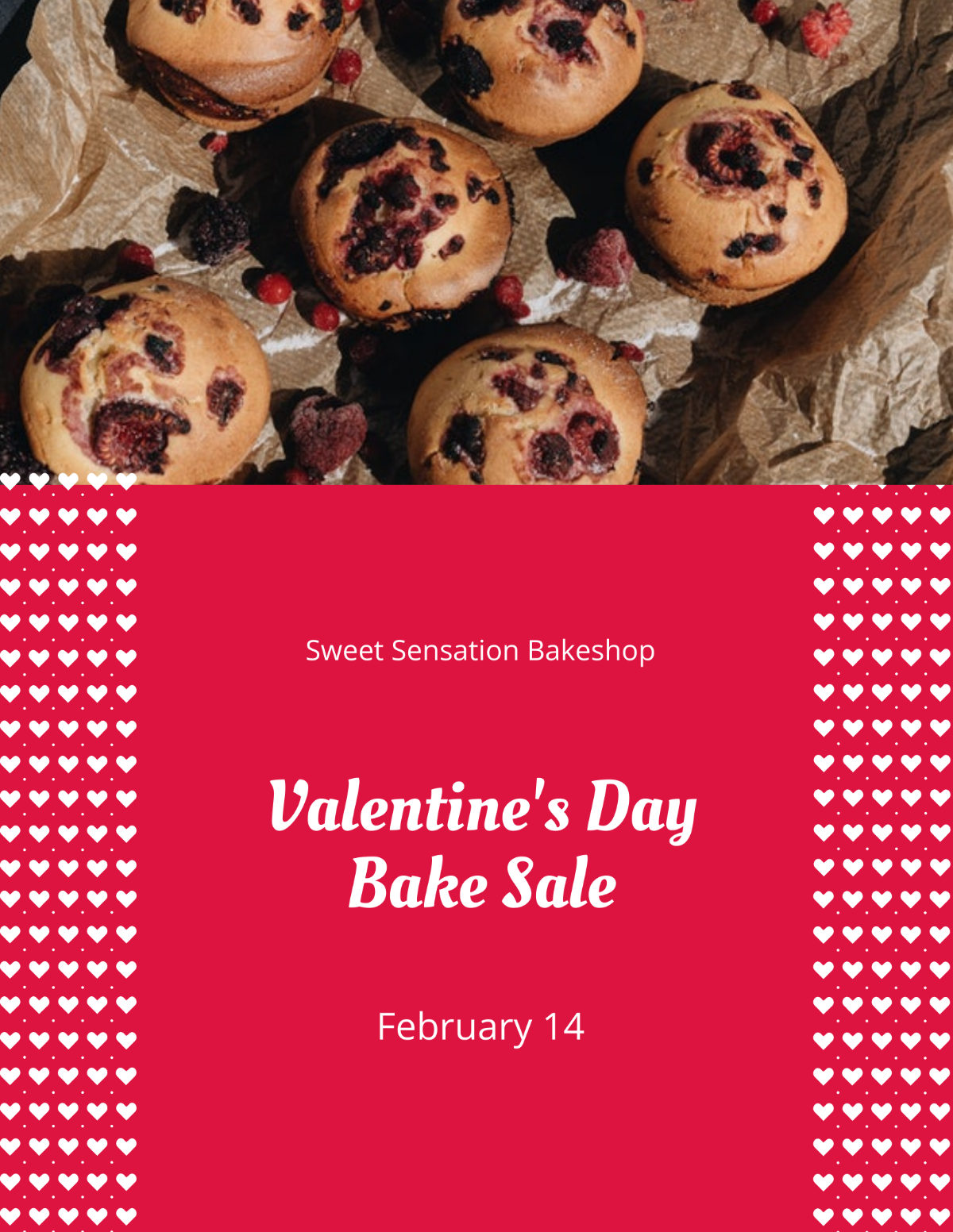
Creating a flyer from scratch often feels overwhelming, especially if you’re not a seasoned graphic designer. Free templates solve that problem by providing a polished layout, balanced typography, and ready‑made visual elements that you can simply swap out with your own details. This saves time, cuts costs, and ensures a professional look that builds trust with potential customers.
Moreover, many free templates are built on proven design principles: high contrast for readability, strategic use of color to evoke appetite, and clear call‑to‑action (CTA) placement. By leveraging these built‑in features you automatically boost the flyer’s conversion rate—more people will notice, remember, and act on your bake‑sale invitation.
Key Elements of an Effective Bake Sale Flyer
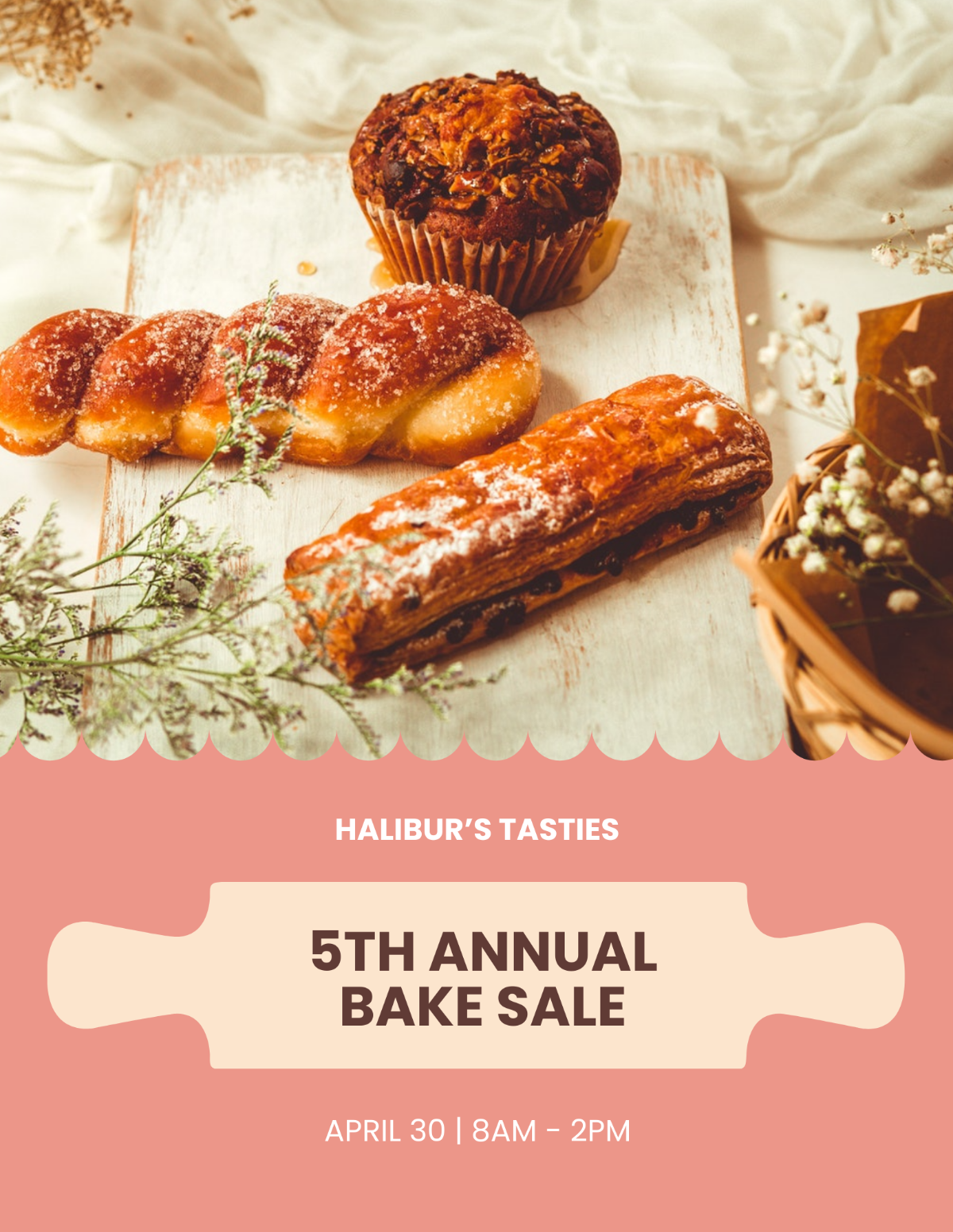
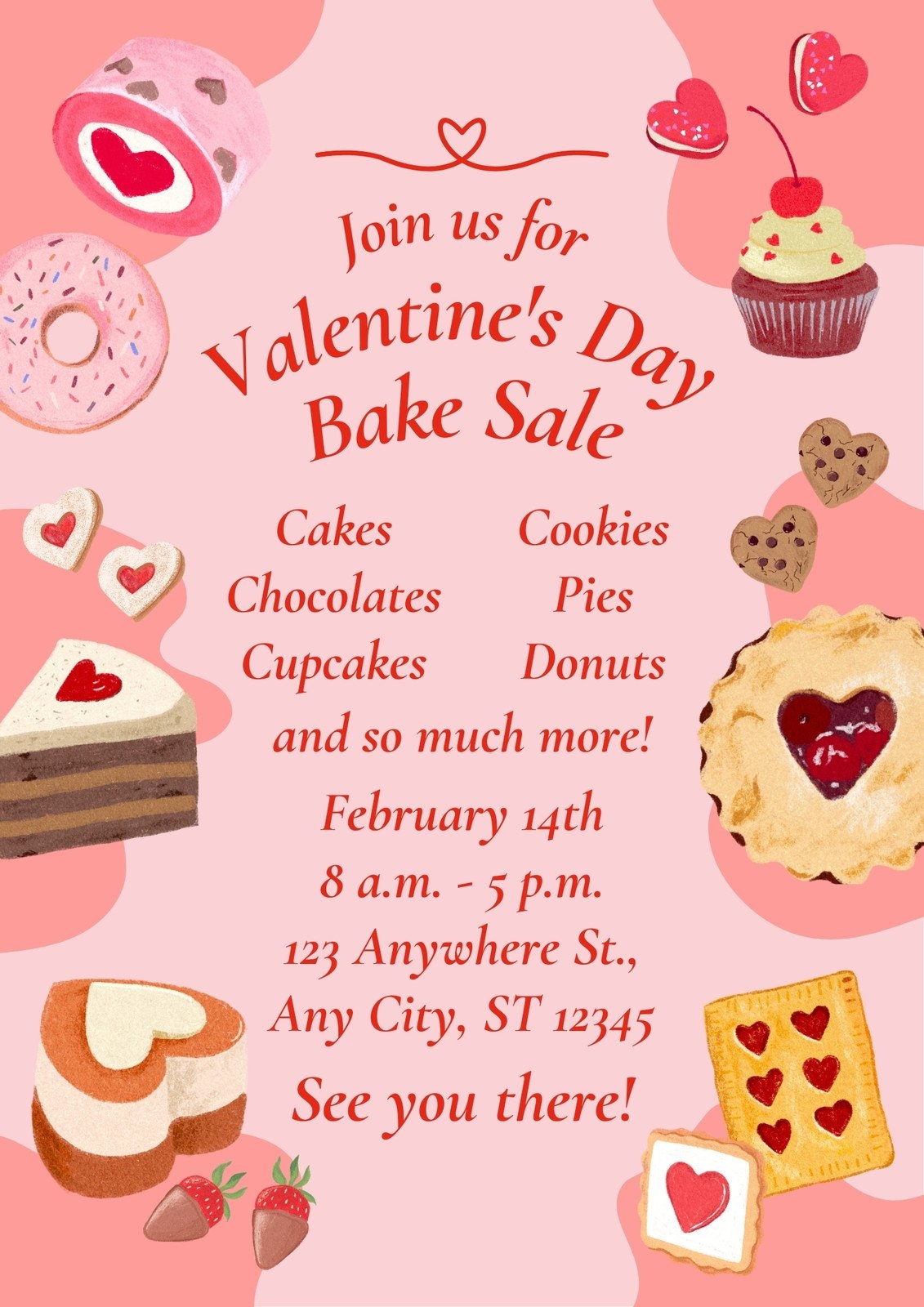
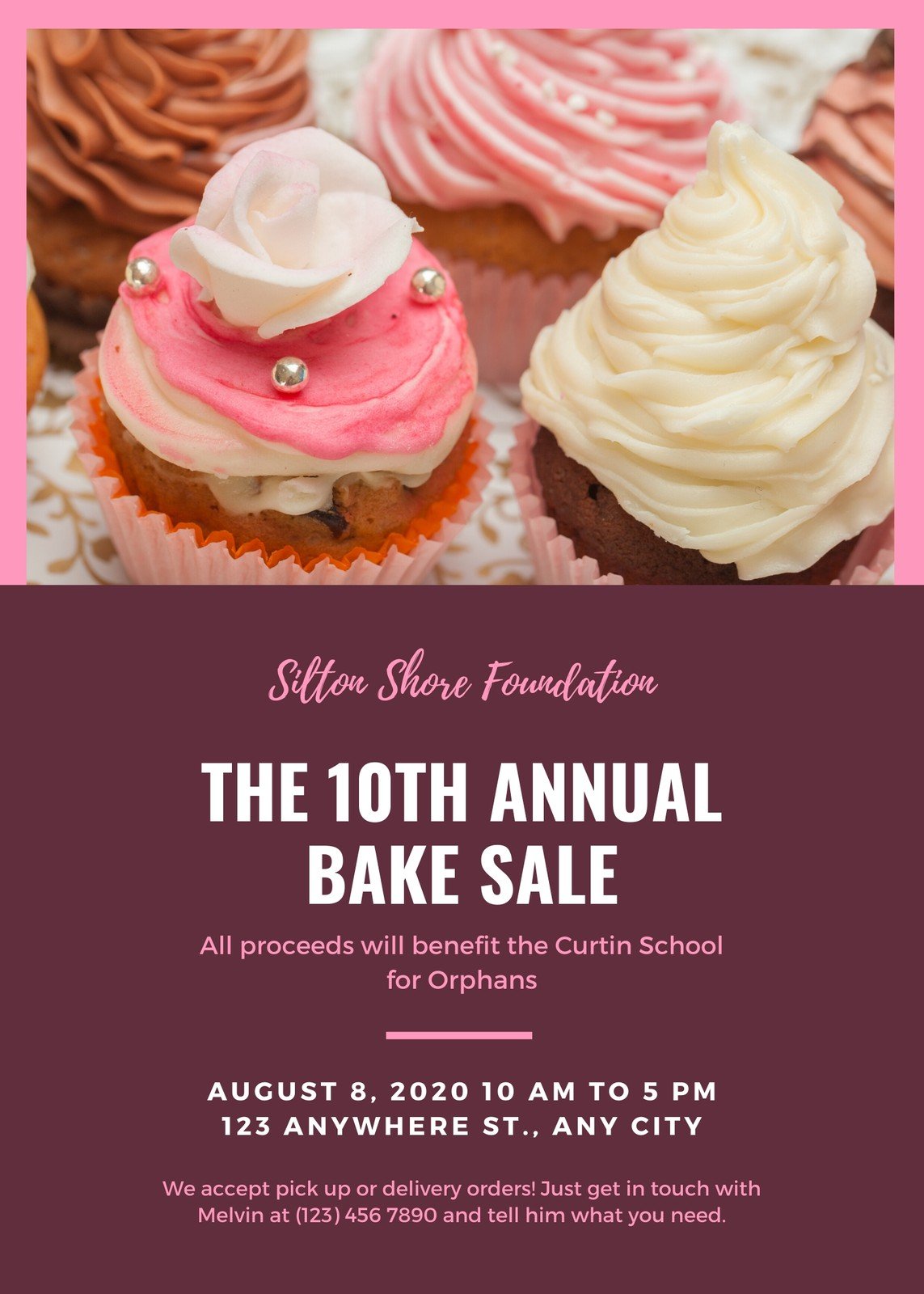
An eye‑catching flyer isn’t just about pretty pictures; it follows a structure that guides the reader’s eye from headline to action. Below are the essential components you should never omit:
- Compelling Headline: A short, benefit‑focused phrase such as “Sweet Treats for a Good Cause!” that instantly tells the audience what’s in it for them.
- Date, Time, and Location: Place these details prominently—usually near the top or in a colored box—so readers can quickly confirm they can attend.
- Visuals of Baked Goods: High‑resolution photos or illustrations of cookies, cupcakes, and pies create mouth‑watering anticipation.
- Brief Description: One or two sentences explaining the purpose of the fundraiser (e.g., supporting mission work, school supplies, or community garden).
- Call‑to‑Action: Direct language like “Join us at 10 am!” or “Bring a donation!” that tells readers exactly what to do next.
- Contact Information: Phone number, email, or social media handle for questions and volunteers.
Choosing the Right Design for Your Audience
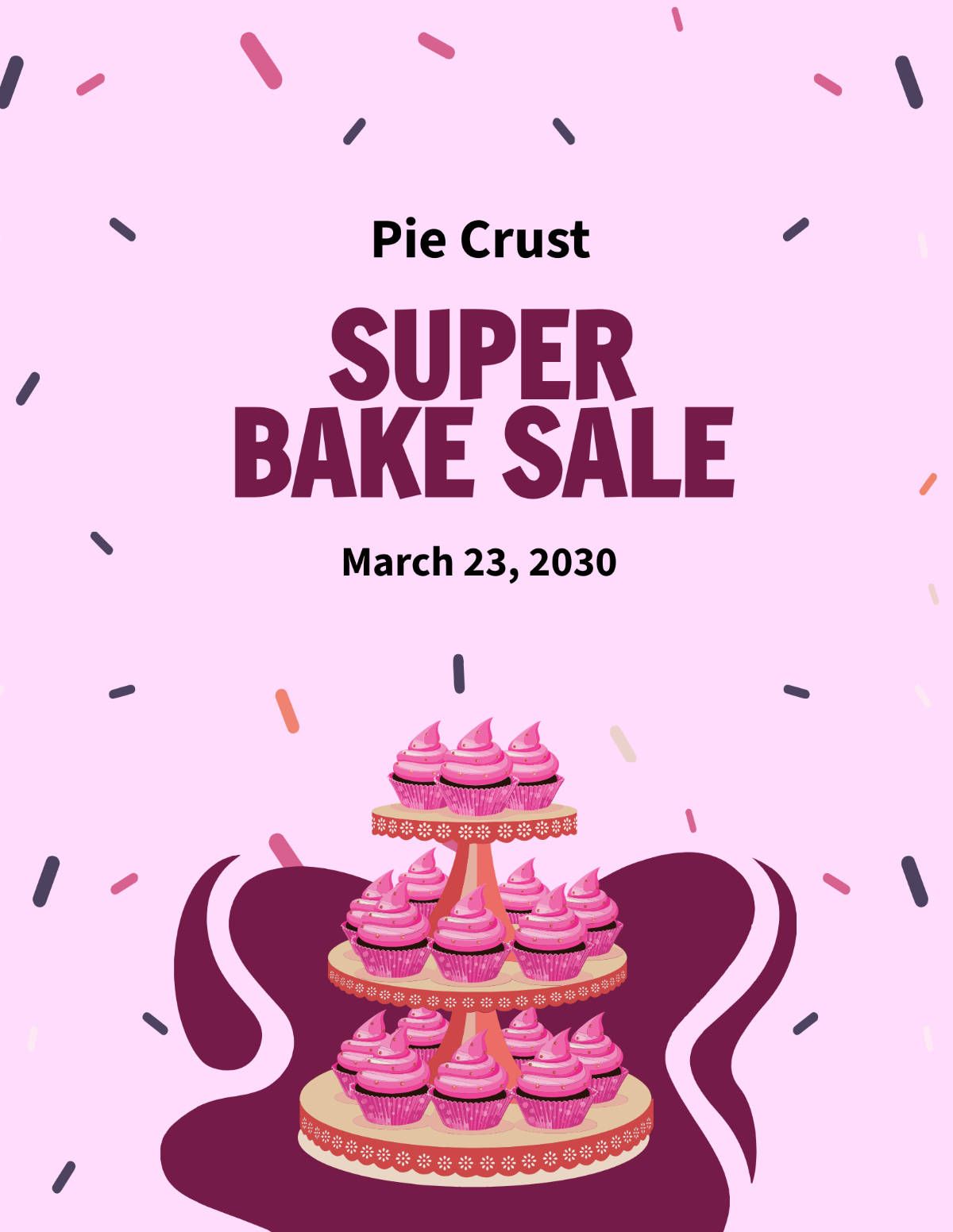
Different communities respond to different visual cues. A church bake sale may favor a warm, classic look, while a high‑school event might benefit from a bold, modern style. Here’s how to match template aesthetics to your audience:
Understanding Your Demographic
Ask yourself: Who are you inviting? Families with young children? College students? Senior citizens? Each group has distinct preferences. Families often love playful fonts and pastel colors, while young adults appreciate sleek lines and vibrant contrast.
Color Psychology in Food Marketing
Colors can stimulate appetite and convey emotion. Red and orange are known to increase hunger, while green suggests freshness and health. For a bake sale focused on comfort foods, a warm palette of browns, creams, and soft reds works well. If you’re highlighting gluten‑free or vegan options, consider a fresh green or teal accent.
Typography That Reads
Choose fonts that are easy to read from a distance. Pair a bold, decorative header with a clean sans‑serif body text. Avoid overly script fonts for the main copy, as they can become illegible on a printed flyer.
Step‑by‑Step Customization Process
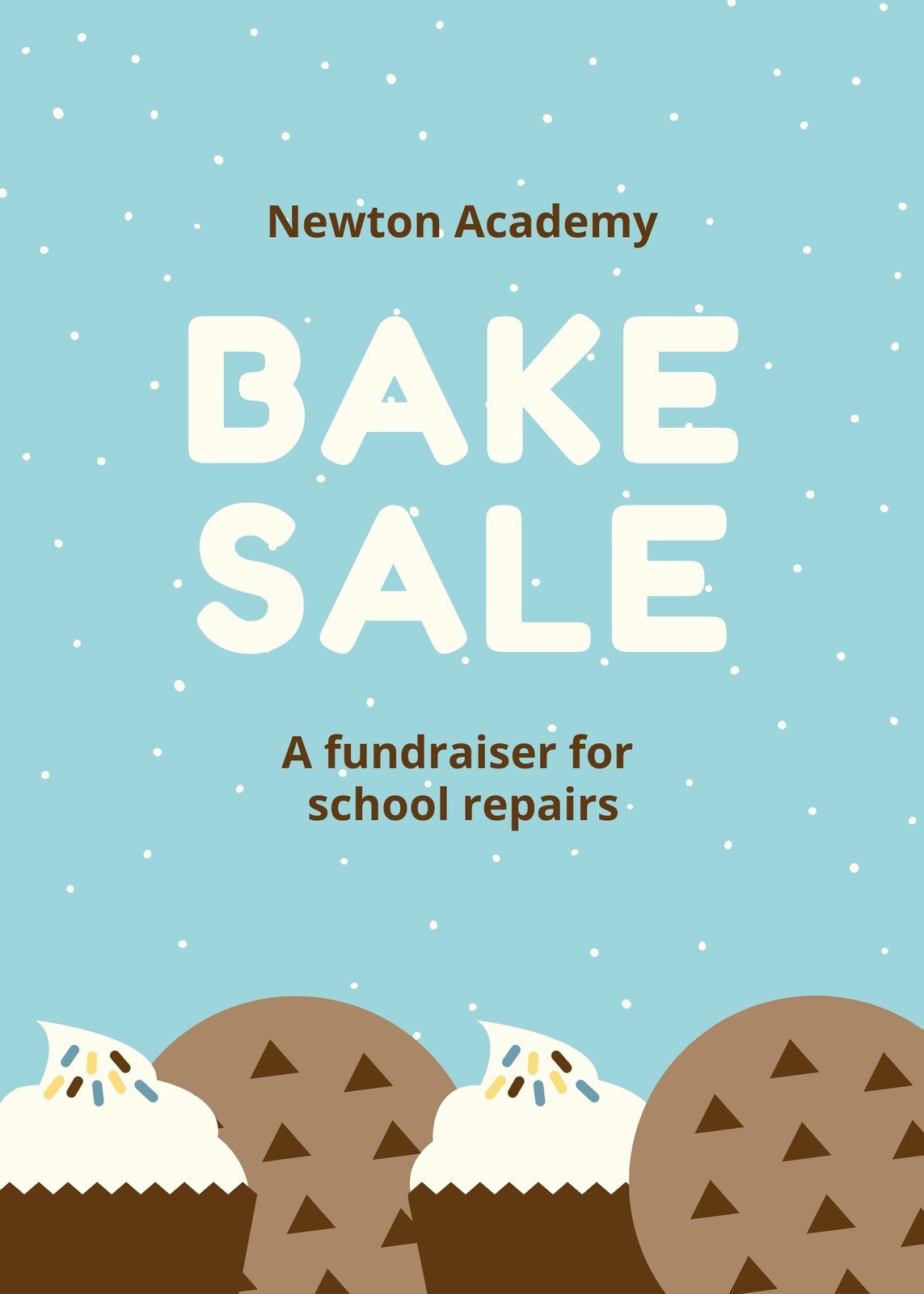
Even if you’ve never touched design software before, modern free templates are built for simplicity. Follow these steps to make the flyer truly yours:
1. Download and Open the Template
Most free templates are available in formats like Canva, PowerPoint, Google Slides, or Adobe Illustrator. Choose the platform you’re comfortable with and open the file.
2. Replace Placeholder Images
Swap the generic images with photos of your own baked goods. If you don’t have professional shots, use a smartphone in natural light—place the food on a neutral background, angle the camera slightly from above, and capture the texture.
3. Edit Text Elements
Replace placeholder text with your event’s specifics. Keep headlines concise (no more than 6‑8 words) and use bullet points for any list of featured treats or donation ideas.
4. Adjust Colors and Fonts
If the template’s color scheme doesn’t match your branding, use the color picker tool to switch to your preferred palette. Maintain contrast for readability: dark text on light background or vice versa.
5. Insert QR Code (Optional)
Generate a QR code linking to a donation page, volunteer sign‑up sheet, or event calendar. Place the code near the bottom corner with a short instruction like “Scan to RSVP!”
6. Review and Export
Proofread every line for spelling, date accuracy, and contact info. Export the flyer as a high‑resolution PDF for printing or as a PNG/JPEG for digital sharing.
Print vs. Digital Distribution: Best Practices

Both print and digital channels have unique advantages. Selecting the right mix maximizes reach without blowing your budget.
Print Strategies
- Community Boards: Pin flyers on church bulletin boards, school notice boards, and local coffee shops.
- Hand‑outs: Distribute at other community events, grocery stores, and after‑service gatherings.
- Mail Inserts: Include a flyer in weekly newsletters or parish mailings for added visibility.
When printing, use a glossy 80‑lb paper for a professional feel, and consider a bleed of 0.125 in to avoid white edges after cutting.
Digital Strategies
- Social Media Posts: Resize the flyer to a square (1080 × 1080 px) for Instagram and a vertical format (1080 × 1920 px) for Stories.
- Email Blast: Embed the flyer at the top of your newsletter with a concise call‑to‑action linking to your event page.
- Community Websites: Upload the PDF to the church or school website’s “Events” section.
- WhatsApp & Text Messaging: Send the image directly to group chats for instant visibility.
Proven Tips to Boost Participation
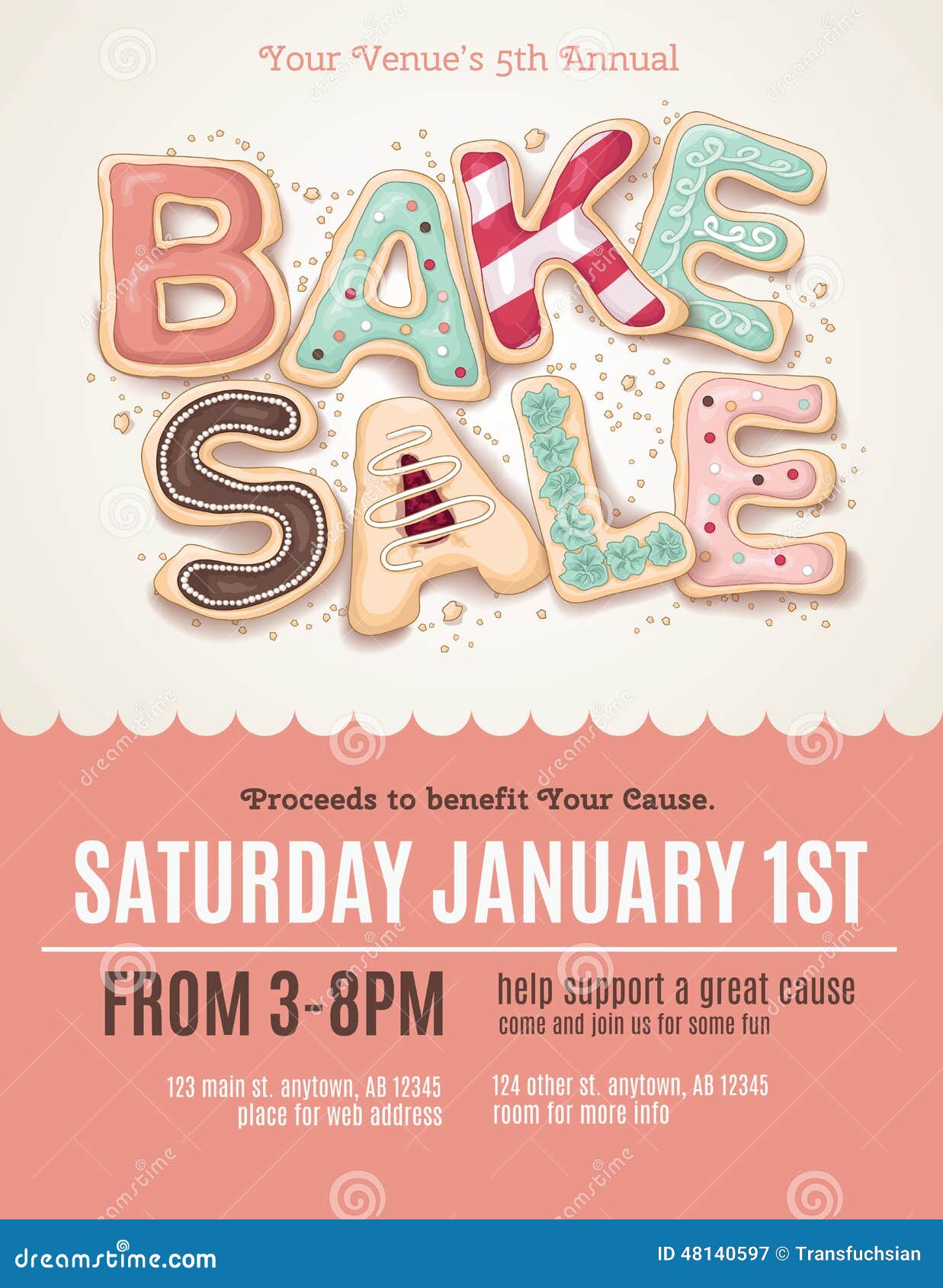
A flyer can only do so much; pairing it with strategic outreach amplifies impact. Here are five tactics that consistently raise attendance and donations:
- Early Bird Incentive: Offer a free cookie to the first ten families who mention the flyer at the door.
- Volunteer Spotlight: Feature a volunteer’s photo and a short thank‑you note on the flyer to personalize the event.
- Bundle Deals: Advertise “Buy 3, Get 1 Free” offers directly on the flyer to encourage larger purchases.
- Storytelling: Include a brief sentence about the cause—e.g., “Your purchase helps fund after‑school tutoring for 20 children.”
- Cross‑Promotion: Partner with a local bakery or coffee shop and list their name on the flyer, then ask them to display your flyer in their store.
Real‑World Success Stories
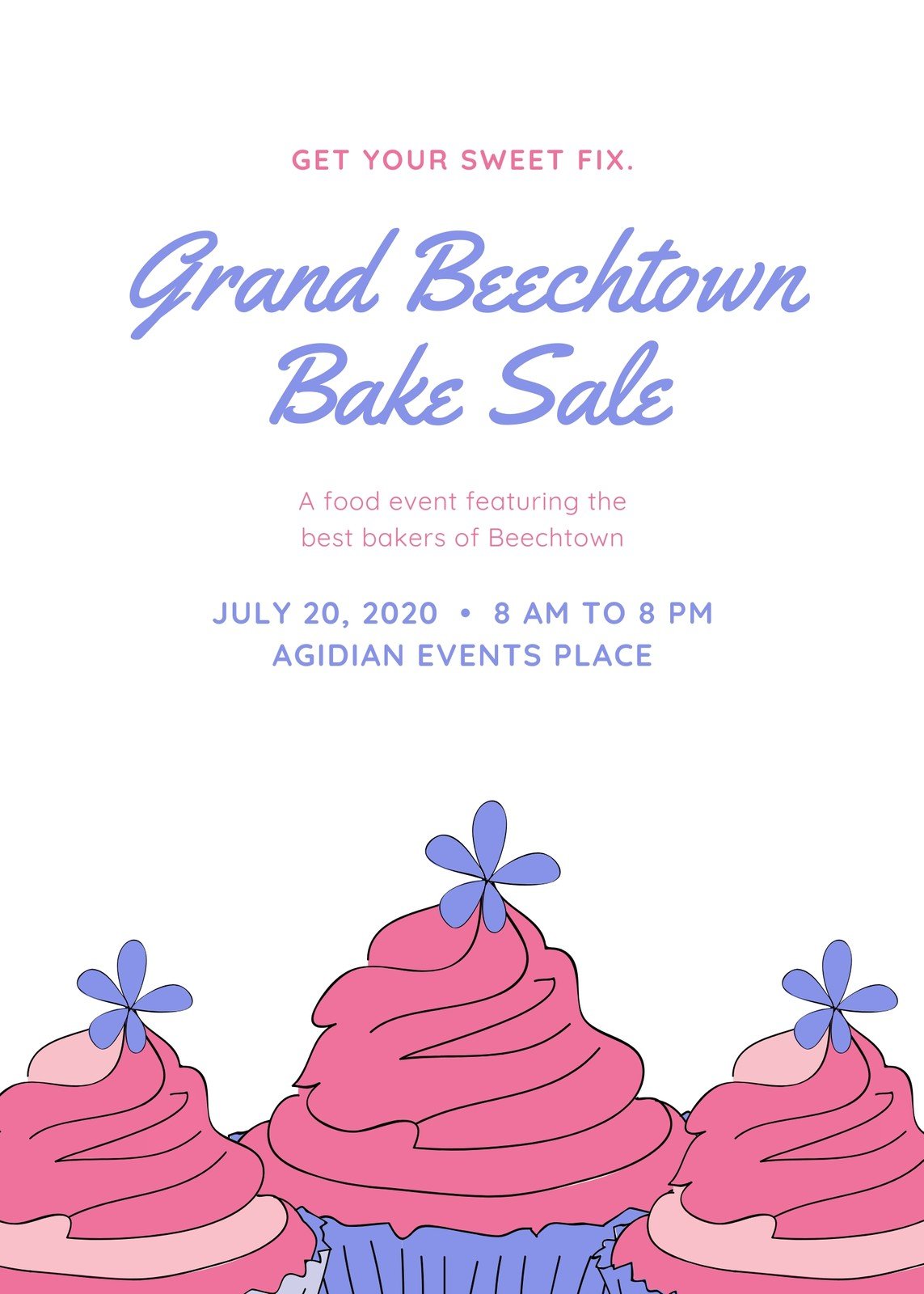
Seeing how others have leveraged free templates can inspire your own approach. Below are two concise case studies that illustrate the power of a well‑executed flyer.
Case Study: Community Church Bake Sale
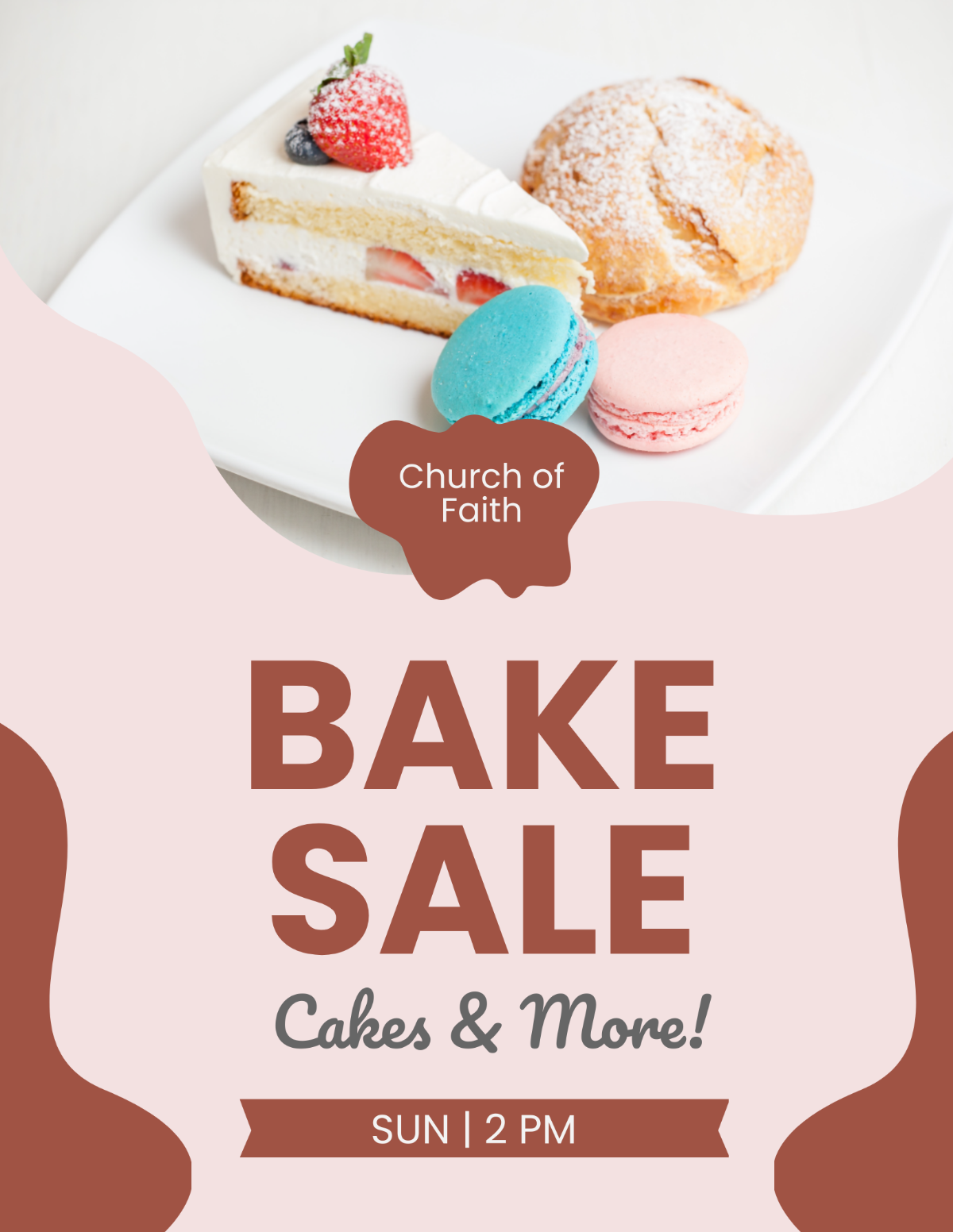
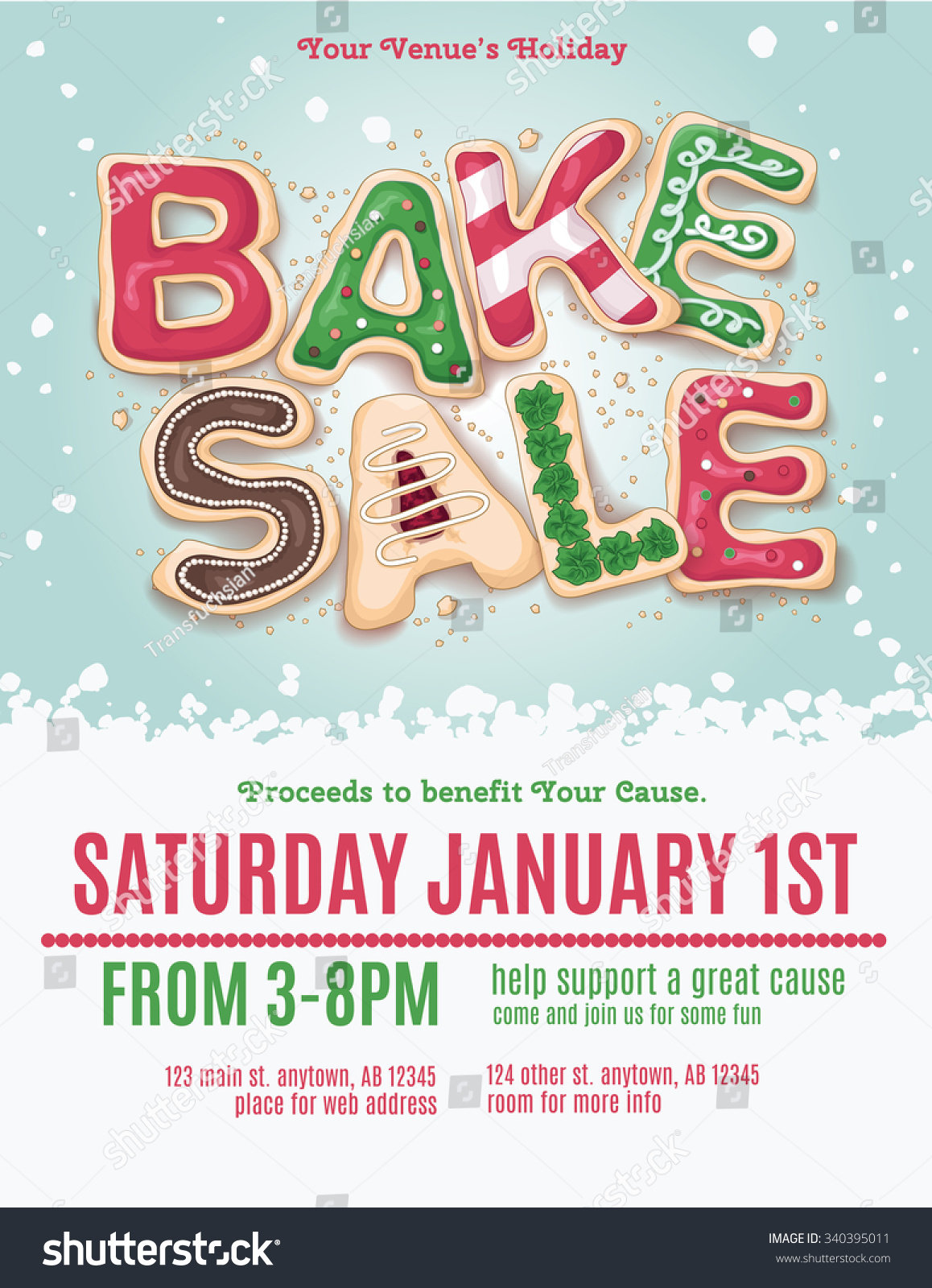
A mid‑size suburban church downloaded a free template featuring warm pastel tones and hand‑drawn cookie illustrations. After customizing the flyer with a QR code linking to a Google Form for volunteer sign‑ups, they printed 200 copies on glossy cardstock and posted them at three local schools and two coffee shops. The digital version was shared on the church’s Facebook page and Instagram Story, reaching an estimated 1,500 users. Result: Over 300 attendees, $1,200 raised for mission trips, and a 30% increase in volunteer sign‑ups compared to the previous year.
Case Study: High School Student Council Fundraiser
A high‑school student council used a bold, modern template with bright orange accents to promote a “Cookie‑Crawl” fundraiser. They added a short video teaser on Instagram and attached the flyer as a PDF in a mass email. By offering a “Best Dressed” costume contest announced on the flyer, they attracted 150 students and raised $800 for new sports equipment. The QR code linking to a PayPal donation page generated an additional $250 in online contributions.
Frequently Asked Questions

Can I use a free template for commercial purposes?
Yes, most free templates come with a royalty‑free license that permits both personal and commercial use. Always double‑check the specific license terms attached to the download to ensure compliance.
Do I need design software to edit a free template?
No. Many templates are available on web‑based platforms like Canva, which only require a free account and a web browser. Others may be editable in Microsoft PowerPoint or Google Slides, both of which are widely accessible.
How many flyers should I print?
Estimate based on foot traffic and distribution channels. A good rule of thumb is to print 1.5 × the expected number of attendees, plus extra for high‑traffic public spots.
What size is optimal for a bake‑sale flyer?
A5 (148 × 210 mm) or 5 × 7 inches are popular because they are easy to hand out and fit comfortably on community bulletin boards. For digital use, a square format works best on social media.
How do I make my flyer stand out among many others?
Combine bold color contrast, a clear CTA, and a compelling visual of the baked goods. Adding a unique element like a QR code, a limited‑time offer, or a personal story about the cause can also differentiate your flyer.
Conclusion

Investing a few minutes to choose and customize a Bake Sale Flyer Free Template yields a high‑impact marketing tool that can dramatically increase attendance, donations, and community spirit. By understanding the core elements of effective flyer design, aligning the visual style with your audience’s preferences, and following a systematic customization process, you can create a flyer that not only looks professional but also drives real results. Pair the printed or digital flyer with targeted outreach—early‑bird incentives, volunteer spotlights, and strategic placement—and you’ll turn a modest bake‑sale into a thriving fundraiser that supports your cause and leaves participants craving the next event.