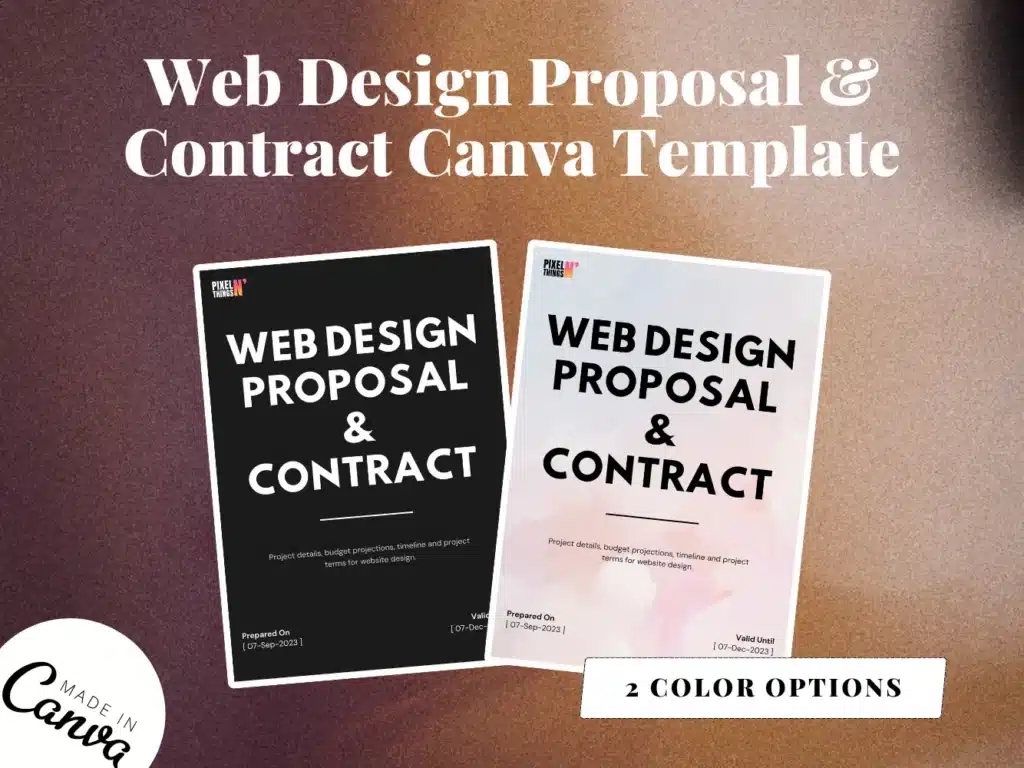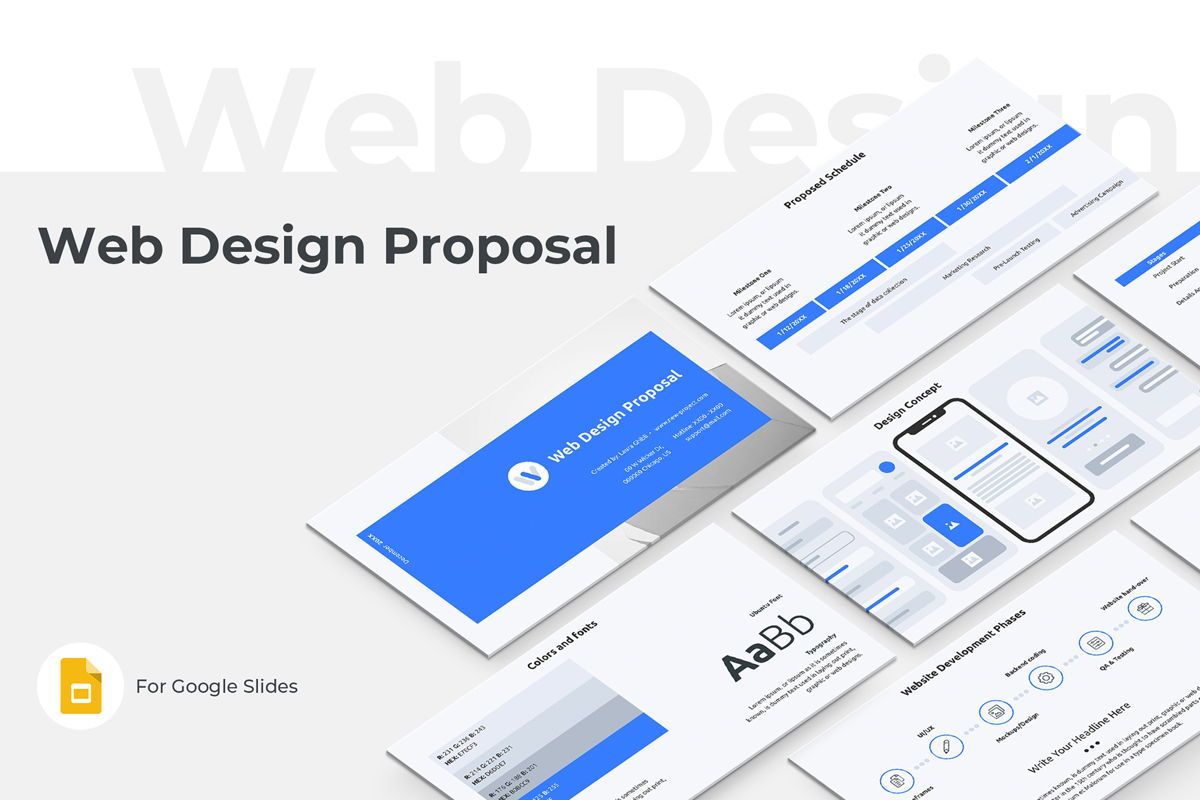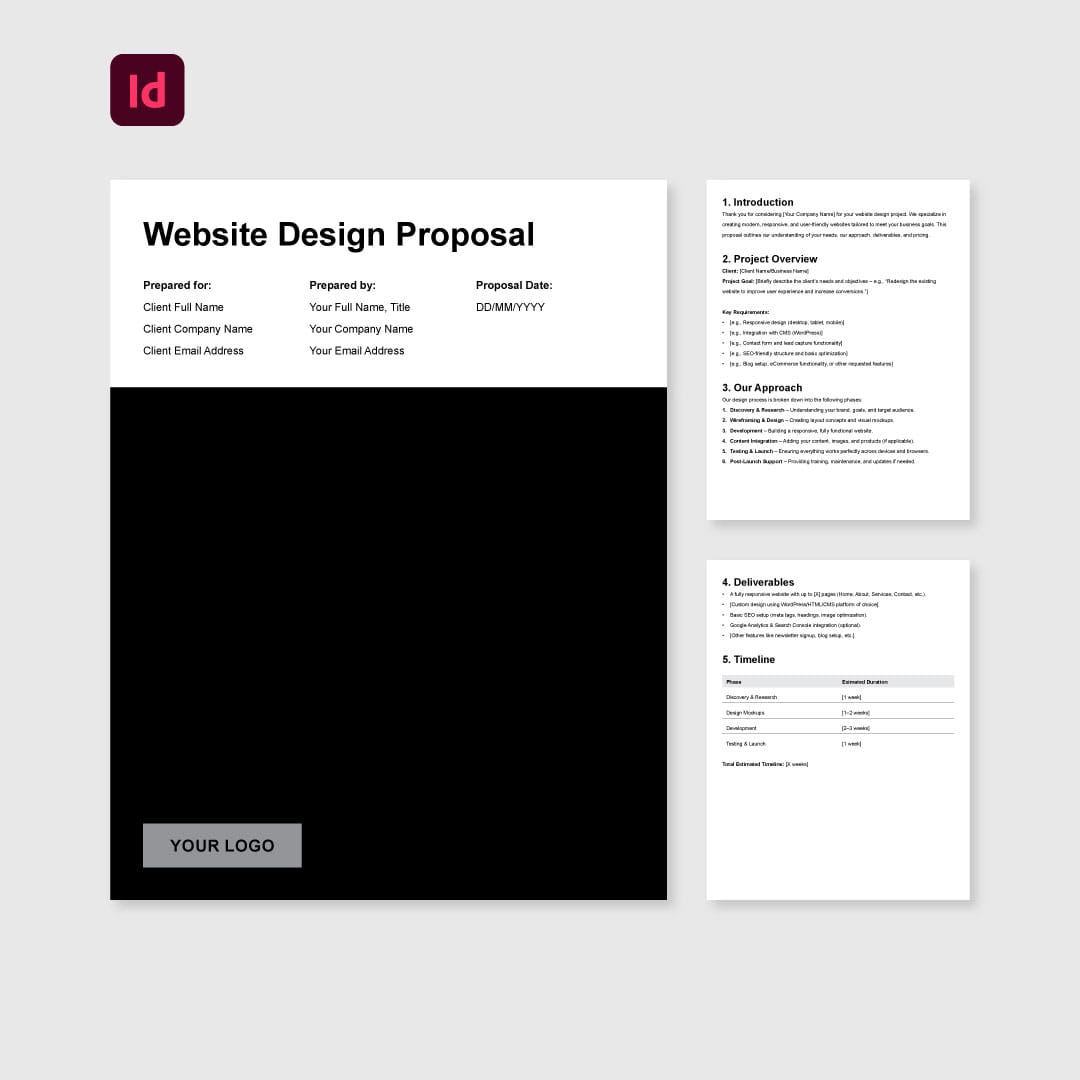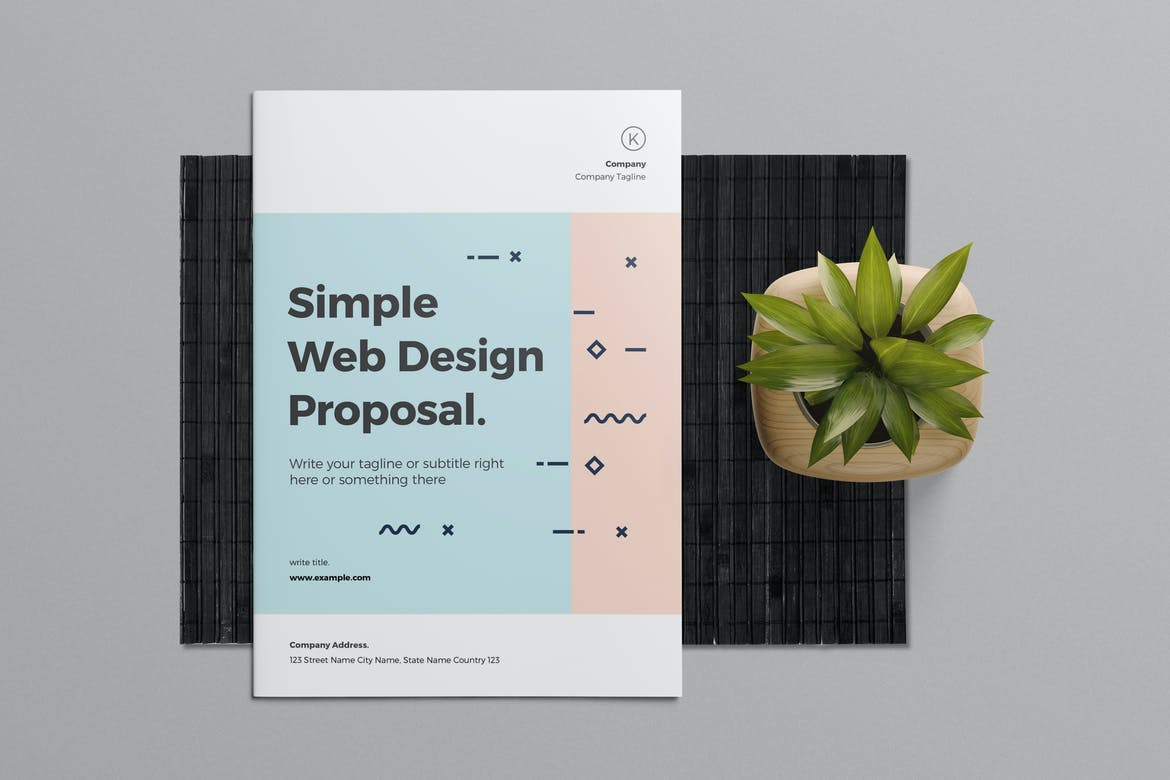
Web Design Proposal Template is the backbone of every successful client engagement in the digital design industry. It translates creative vision into measurable deliverables, aligns expectations, and provides a clear roadmap for both parties. By mastering the structure and content of a well‑crafted proposal, designers can streamline negotiations, reduce scope creep, and position themselves as professional partners rather than just service providers.
Overview of the Web Design Proposal Template
What Is It?
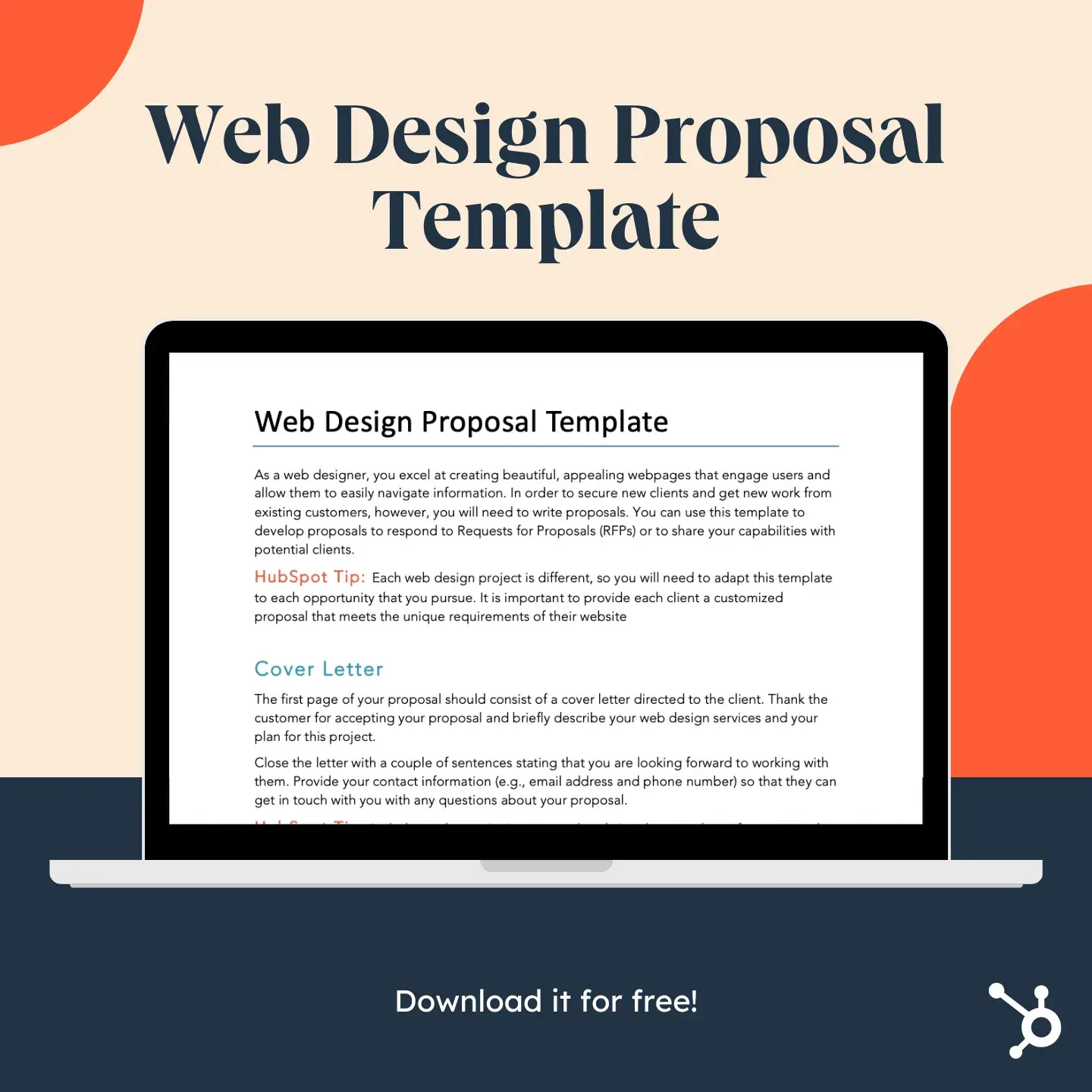
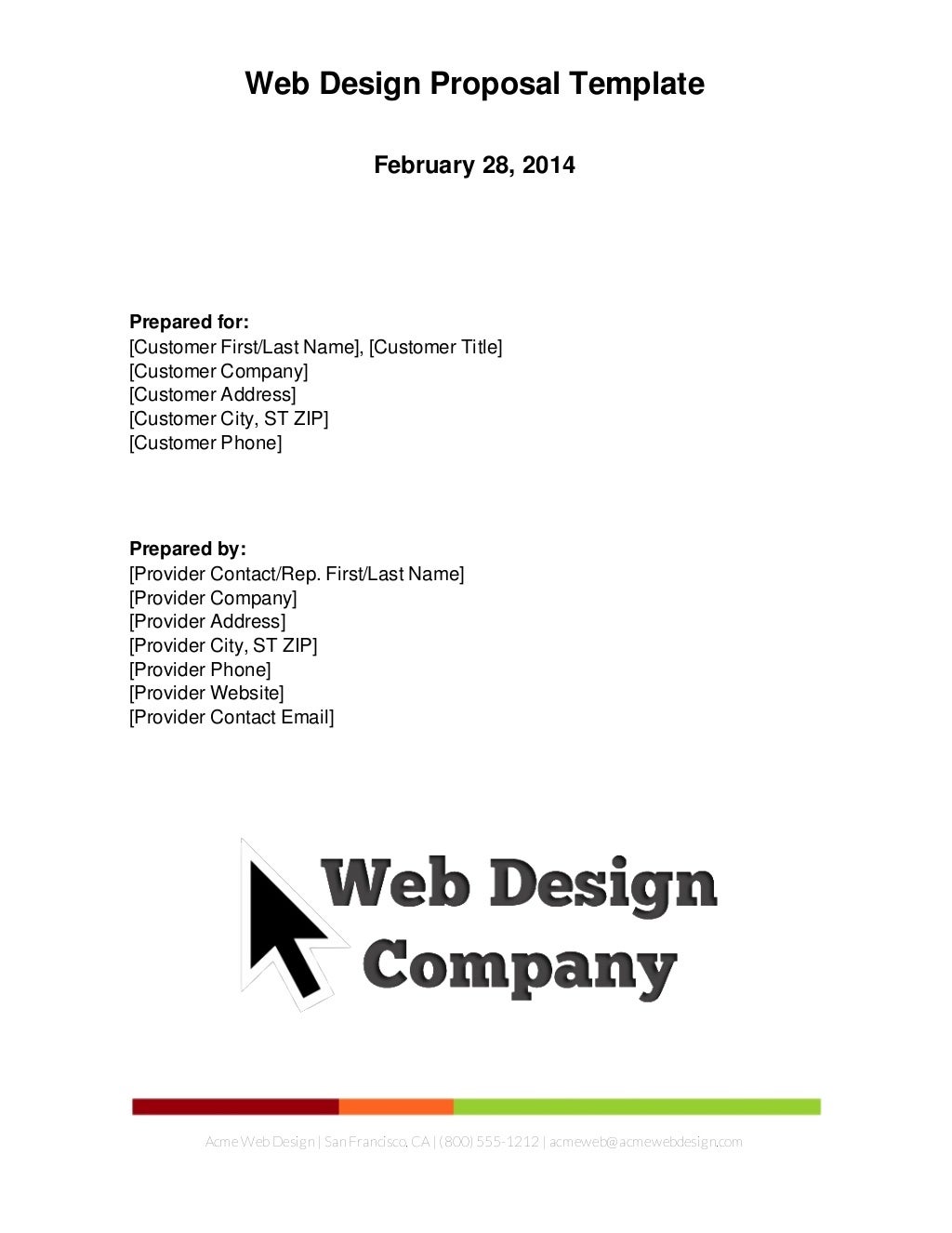
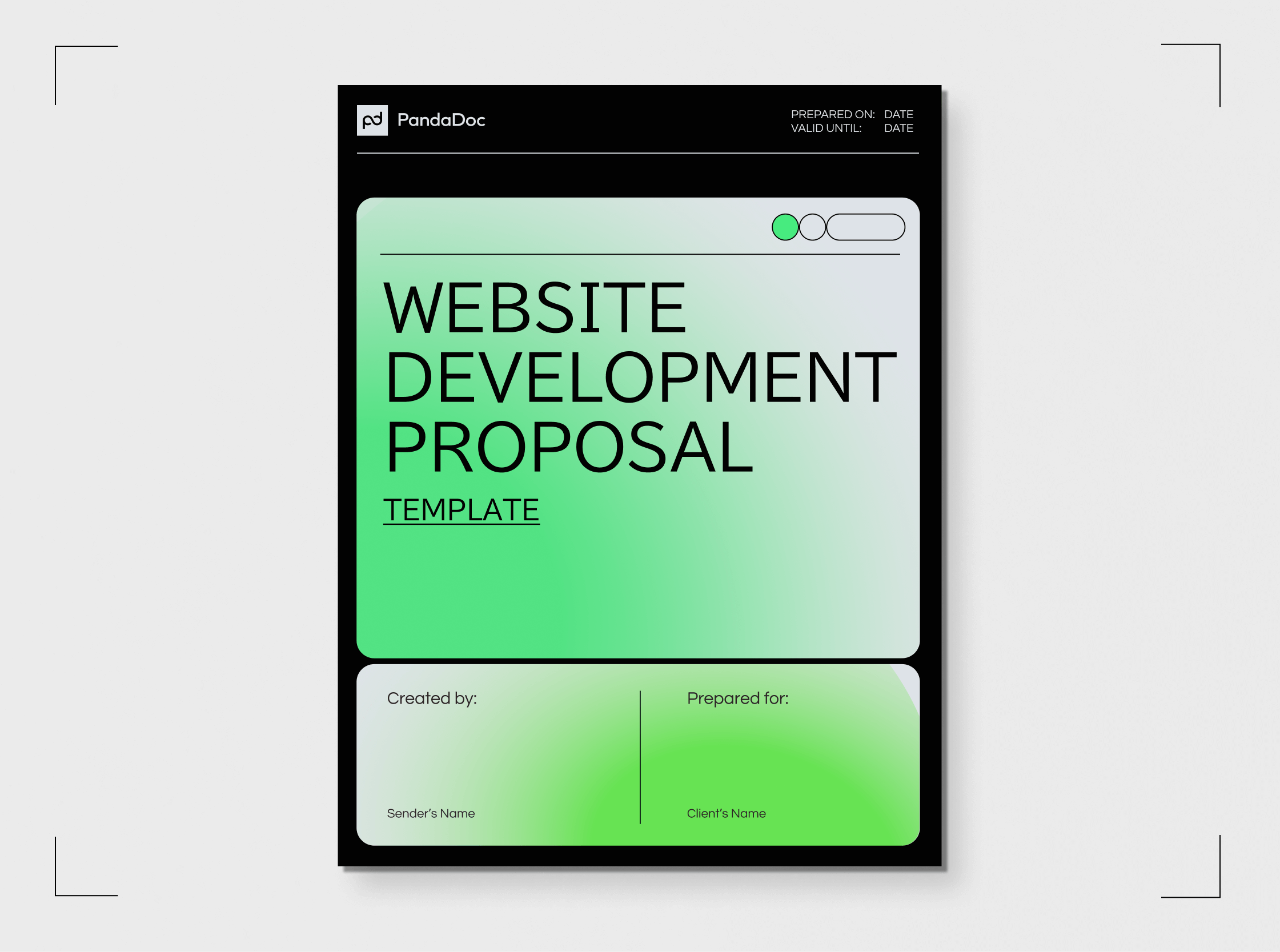
A Web Design Proposal Template is a pre‑formatted document that outlines every aspect of a web design project. From the initial concept to final launch, the template serves as a living contract, detailing scope, timelines, costs, and responsibilities. It’s more than a sales pitch; it’s a strategic plan that guides project execution.
Why It Matters
Without a clear proposal, miscommunication can derail a project. A solid template ensures both parties understand deliverables, reduces hidden costs, and establishes a professional foundation that builds trust. When the proposal is thorough, the likelihood of client hesitation decreases, and the project’s success rate increases.
Core Components of an Effective Proposal Template

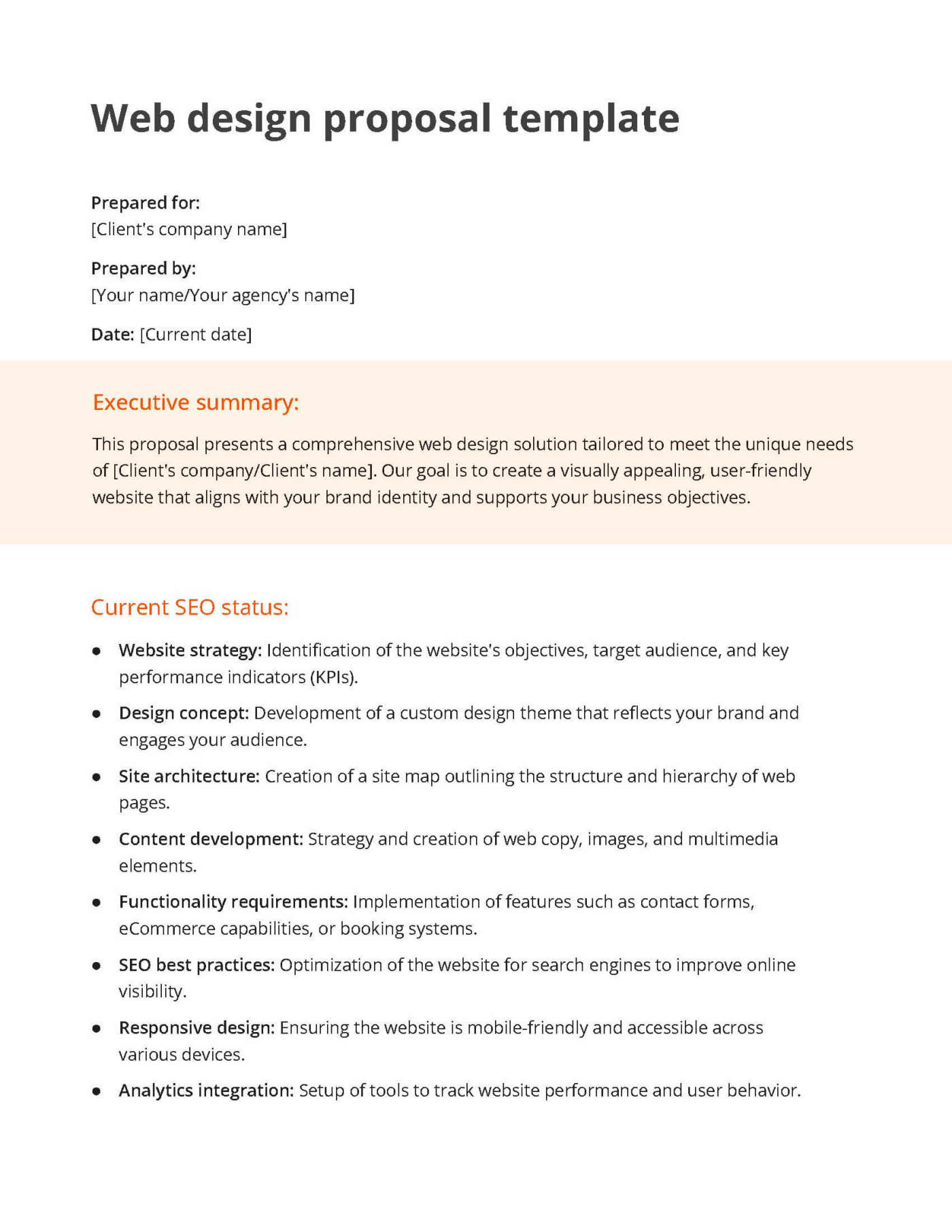
Executive Summary
The executive summary provides a concise snapshot of the project’s purpose, goals, and key outcomes. It should capture the client’s pain points, the designer’s solution, and the projected impact on the client’s business.
Project Scope
Scope defines what the project will and will not cover. It includes site architecture, content strategy, visual design, functionality, integrations, and any post‑launch services such as maintenance or SEO. Clear boundaries prevent scope creep and keep timelines realistic.
Deliverables
List specific deliverables: wireframes, mockups, final designs, HTML/CSS files, source files, user manuals, and training materials. Assign measurable metrics where possible—e.g., “10 high‑resolution mockups” or “Responsive design across iOS, Android, and desktop.”
Timeline
Break the project into phases: Discovery, Design, Development, Testing, Deployment, and Review. Provide estimated start and end dates, along with milestone checkpoints and review periods.
Budget
Detail the cost structure. Include hourly rates or fixed fees, cost of third‑party services (hosting, stock images, plugins), and any contingency funds. Transparency in pricing builds credibility.
Payment Terms
Define deposit amounts, milestone payments, final balance due, and accepted payment methods. Clear terms protect both parties and smooth cash flow.
Project Management
Describe communication channels, reporting frequency, project management tools, and point of contact. A defined governance structure ensures that stakeholders remain informed and engaged.
Risks and Mitigations
Identify potential project risks—technical challenges, content delays, design approvals—and outline mitigation strategies. Proactively addressing risks signals professionalism.
Crafting Each Section: Step‑by‑Step Guidance

Executive Summary Best Practices
Start with the client’s core challenge. Then describe your unique approach and the benefits they’ll gain. Conclude with a clear call‑to‑action: “Let’s schedule a discovery call to discuss your vision.” This brief yet compelling narrative sets the tone for the rest of the proposal.
Defining Scope with Precision
Use a scope statement that answers: “What will be done?” “How will it be done?” and “When will it be done?” For example:
- Site Architecture: 5 primary pages + 3 secondary pages
- Content: 15 original articles and 3 video integrations
- Functionality: Contact form, blog, e‑commerce cart, and newsletter signup
By enumerating specific items, the client instantly sees the breadth of work, reducing ambiguity.
Deliverables: Clarity and Metrics
Deliverables should be actionable and measurable. Example:
- Wireframes for all pages (desktop & mobile) – 12 pages total
- Design mockups in Adobe XD – 10 iterations per page
- Front‑end code (HTML5, CSS3, JavaScript) – fully responsive
- Content Management System (CMS) migration plan
Creating a Realistic Timeline
Divide the project into logical phases:
- Discovery & Research – 1 week
- Wireframing – 1 week
- Design Mockups – 2 weeks
- Development – 3 weeks
- Testing & QA – 1 week
- Launch & Post‑Launch Support – 2 weeks
Include buffer days for revisions and unforeseen delays.
Budgeting: Detailed Cost Breakdown
Present costs in a table for clarity:
- Design & Development: $12,000
- Stock Imagery: $800
- Hosting & Domain (first year): $200
- SEO Optimization: $1,200
- Contingency (10%): $1,480
- Total: $15,680
Payment Schedule
Structure payments around milestones:
- Deposit (30%): $4,704 upon agreement
- Post‑Design Approval (30%): $4,704
- Pre‑Launch (20%): $3,136
- Final Delivery (20%): $3,136
Project Governance and Communication
Assign roles: Project Lead, Design Lead, Development Lead. Set weekly status emails, bi‑weekly video calls, and a shared Trello board for task tracking. Clarify who signs off on each phase.
Customizing the Template for Different Clients

Small Business vs. Enterprise
Small businesses often value cost efficiency and rapid deployment. Highlight phased rollouts, modular design, and ongoing maintenance packages. Enterprises may require robust security, scalability, and integration with legacy systems. Emphasize architecture, compliance, and dedicated support.
Industry‑Specific Adjustments
Retail sites need shopping carts and payment gateways. Healthcare sites require HIPAA‑compliant data forms. Educational platforms require LMS integration. Tailor the proposal to each industry’s compliance and functional demands.
Adding Value with Design Thinking
Showcase how you’ll apply user research, personas, and journey maps to inform design decisions. Provide a brief user flow diagram or empathy map to illustrate the client’s perspective.
Real‑World Example: A Successful Proposal

Client: A boutique fitness studio seeking a new online booking platform. The proposal included:
- Executive Summary: “We will transform your in‑person booking system into a seamless online experience, increasing monthly bookings by 25%.”
- Scope: Custom CMS, responsive design, integrated payment gateway, social media widgets, and email marketing automation.
- Deliverables: 8 page designs, 3 revision cycles, fully coded front‑end, SEO audit.
- Timeline: 6 weeks total, with weekly check‑ins.
- Budget: $18,000 total, broken down by phase.
- Payment Terms: 40% deposit, 30% post‑design, 20% pre‑launch, 10% post‑launch support.
- Risk Mitigation: Content approval delays addressed with a flexible content buffer.
The client signed on within 3 days, and the site launched on schedule, exceeding the projected booking growth target.
Common Pitfalls to Avoid

Overpromising
It’s tempting to promise the moon to win a project. However, setting unrealistic expectations leads to disappointment and strained relationships. Stick to achievable outcomes.
Missing Legal Clauses
Omit essential clauses such as intellectual property rights, confidentiality agreements, and dispute resolution mechanisms. A missing clause can lead to legal headaches down the line.
Poor Formatting
A cluttered proposal appears unprofessional. Use consistent fonts, spacing, and headings. Insert visual cues like icons or infographics to enhance readability.
Not Tailoring to Client Needs
Sending a generic template can make clients feel undervalued. Personalize each proposal with client references, industry jargon, and specific benefits.
Finalizing and Delivering the Proposal
Proofreading Checklist
- Spelling and grammar review
- Consistent terminology (e.g., “CMS” vs. “content management system”)
- Accurate cost calculations
- Correct dates and milestones
- Legal clause confirmation
Visual Design Touches
Incorporate the client’s brand colors and typography where appropriate. Use high‑quality mockups to showcase design vision. A polished layout reflects professionalism.
Client Presentation Tips
- Schedule a virtual meeting to walk through the proposal.
- Use screen sharing to highlight key sections.
- Provide a one‑page executive summary for quick reference.
- Invite questions and address concerns promptly.
Conclusion

Mastering a Web Design Proposal Template is essential for establishing credibility, managing expectations, and securing high‑value projects. By meticulously outlining scope, deliverables, timelines, and budgets—and customizing each proposal to the client’s unique needs—designers can differentiate themselves in a crowded market. A clear, well‑structured proposal not only wins clients but also paves the way for smooth project execution, satisfied stakeholders, and lasting professional relationships. Armed with the strategies outlined above, you’re ready to craft proposals that open doors, secure funding, and set the stage for web design excellence.