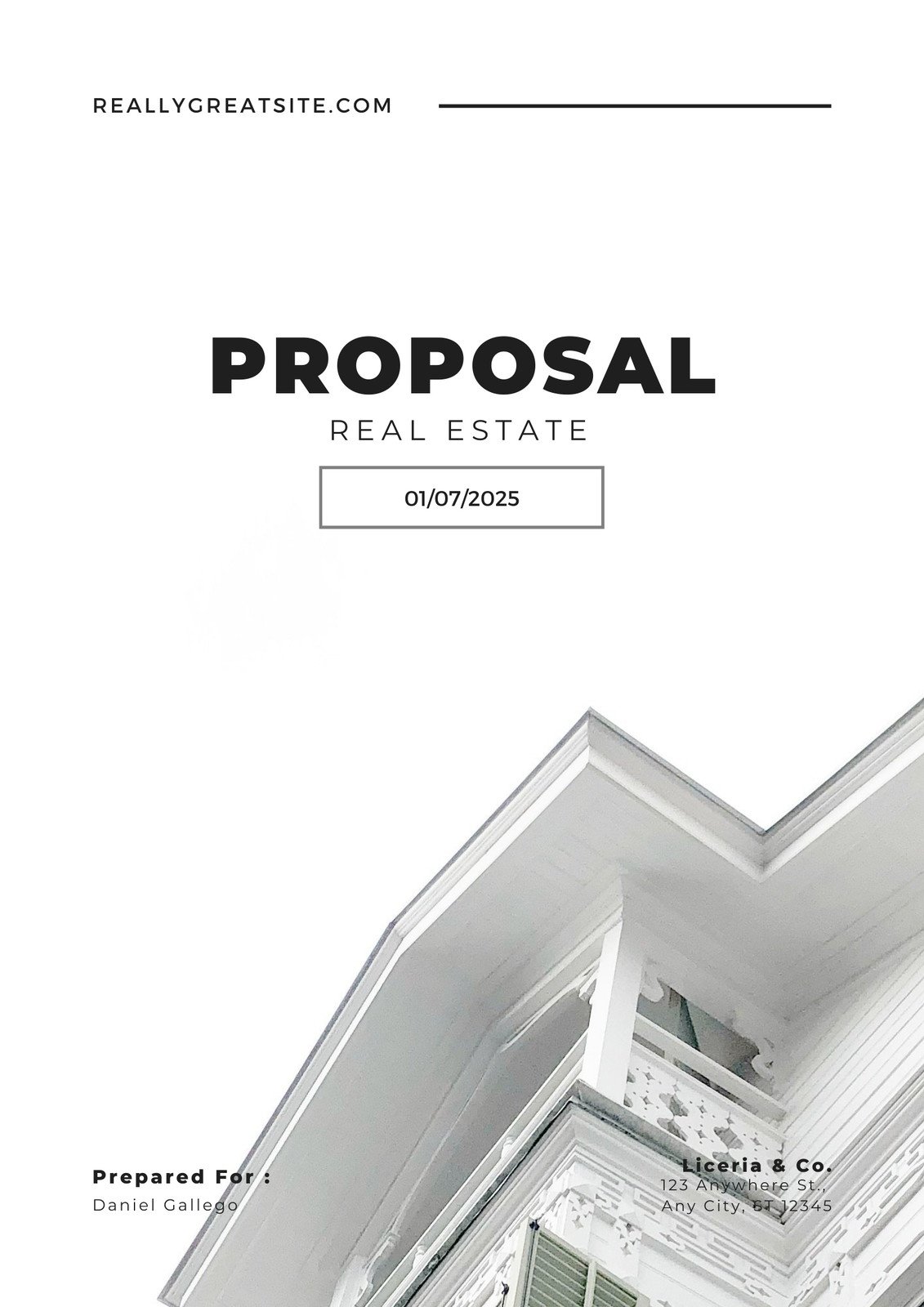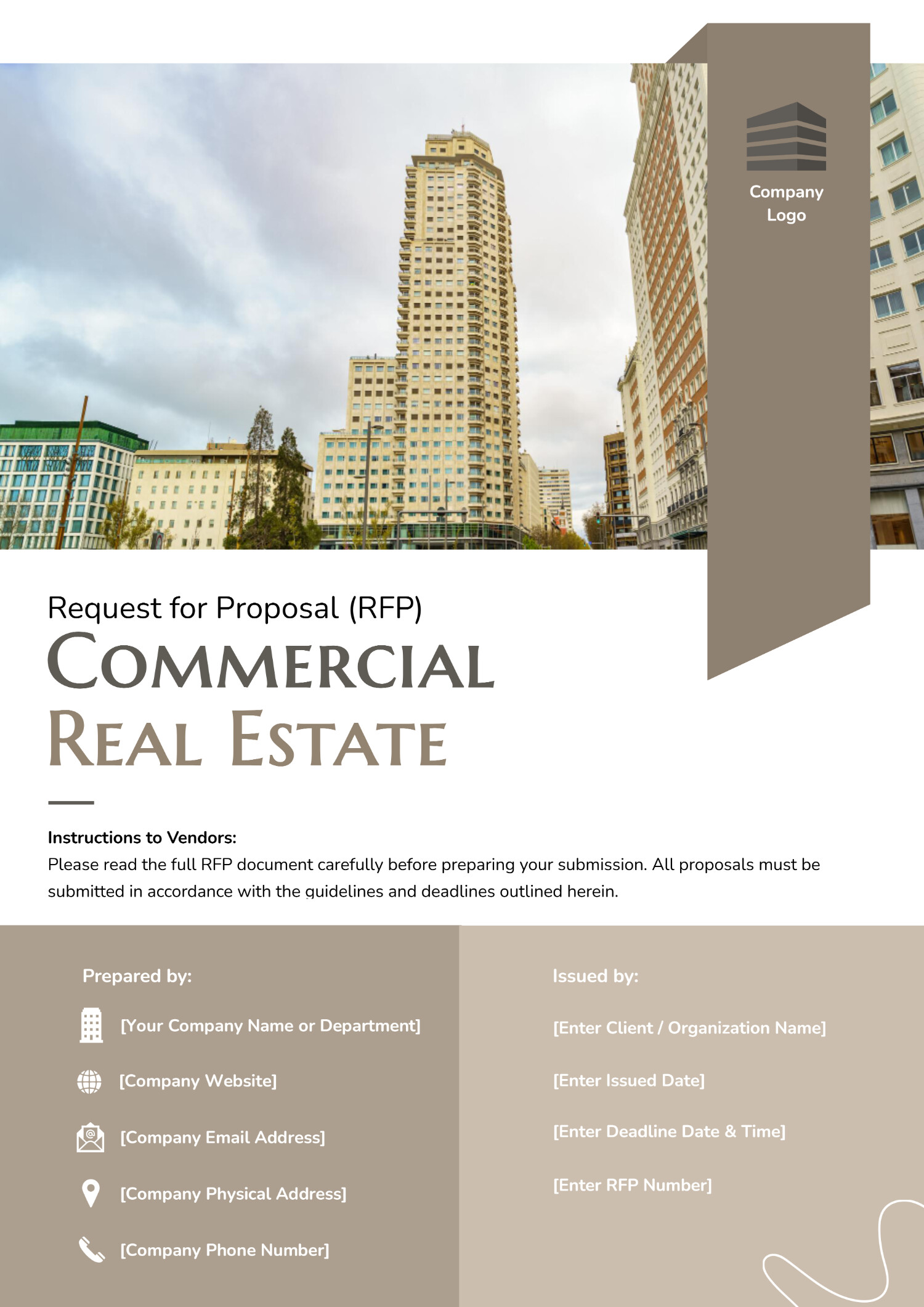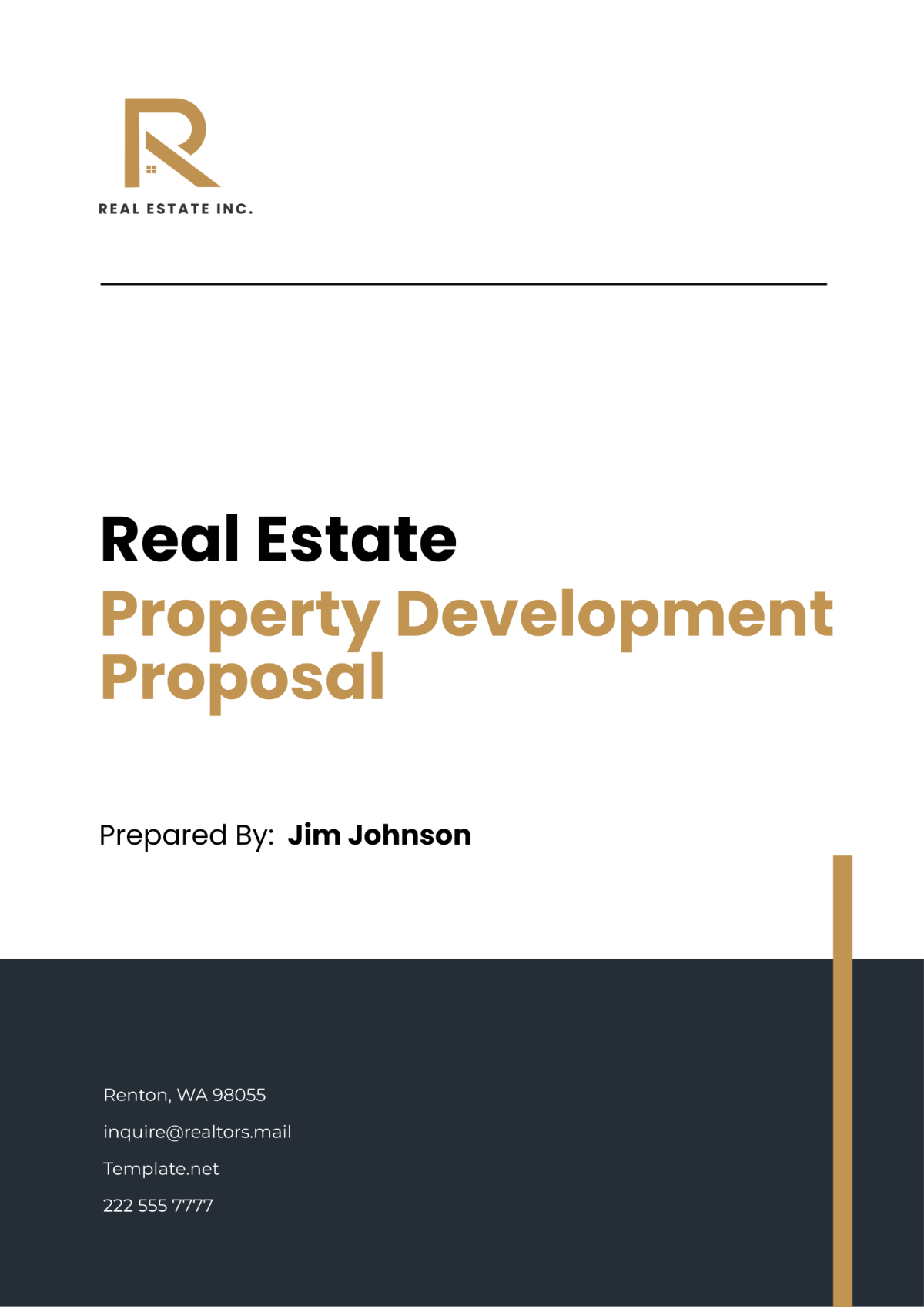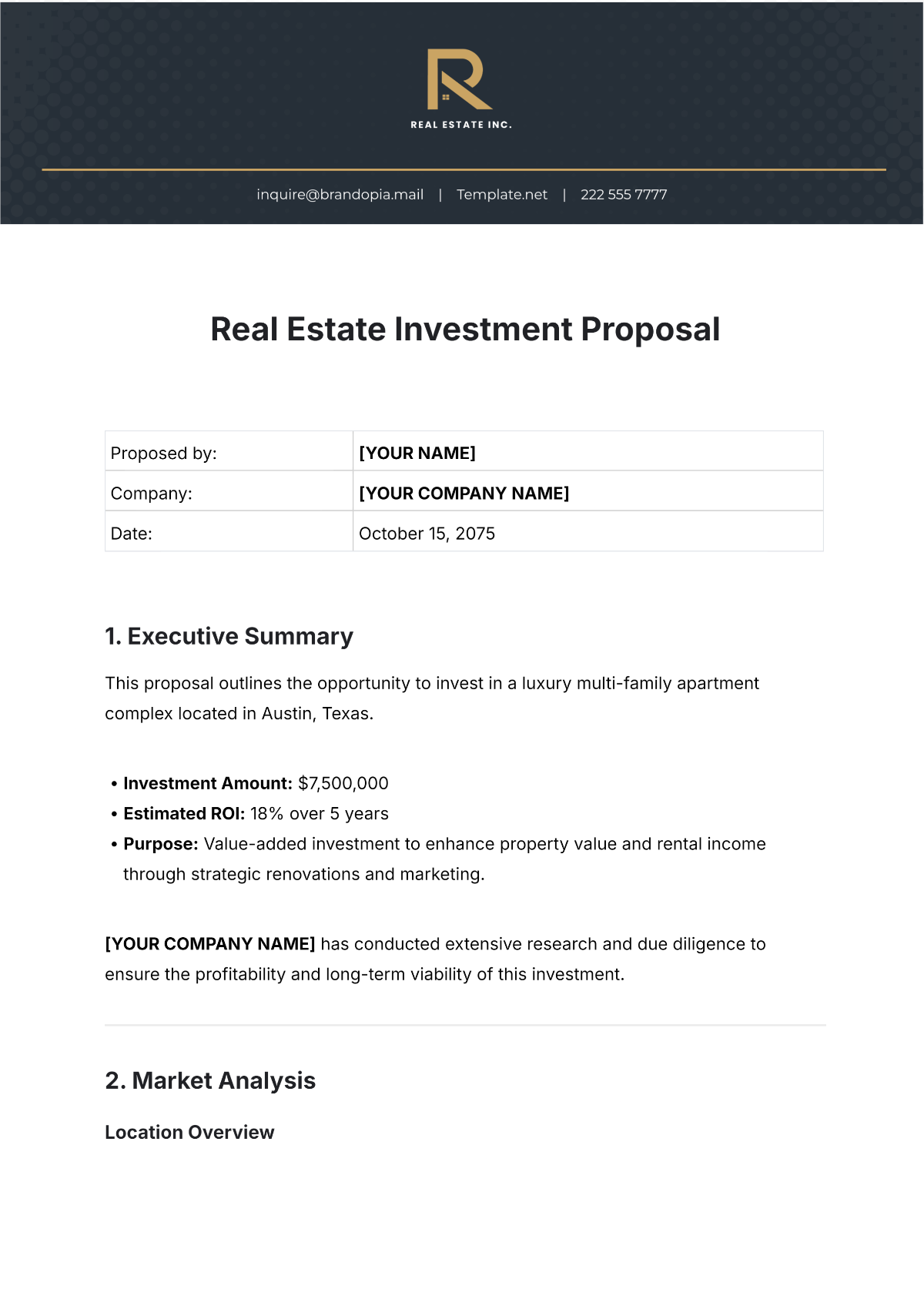
Real Estate Proposal Template is more than a simple document—it’s the cornerstone of every successful property venture, especially in the dynamic Asian market where competition is fierce and cultural nuances shape investor expectations. By mastering a well‑structured template, you can communicate value, build trust, and secure funding faster than with a generic pitch.
Why a Well‑Crafted Real Estate Proposal Matters
First Impressions Count
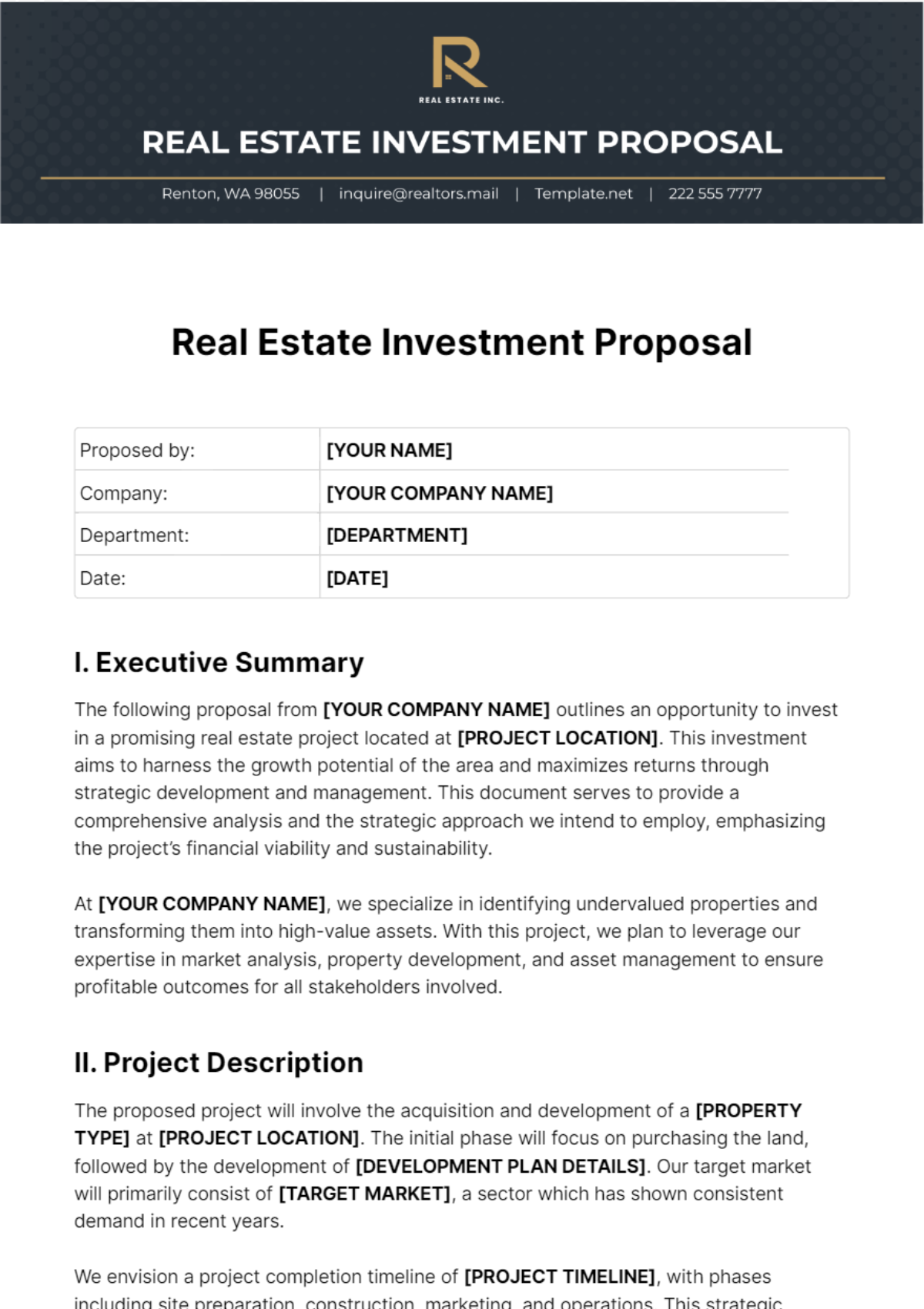
Investors in Asia often make quick decisions based on presentation quality. A polished proposal signals professionalism and attention to detail, turning a casual inquiry into a serious conversation. Even a single misaligned table can raise doubts about the entire project’s feasibility.
Building Credibility Across Borders
Real estate deals in regions such as Hong Kong, Singapore, and Tokyo involve partners from multiple countries. A clear, bilingual template—English and Mandarin, for example—demonstrates respect for local practices and facilitates smoother cross‑border negotiations.
Key Elements Every Real Estate Proposal Template Should Contain
Executive Summary
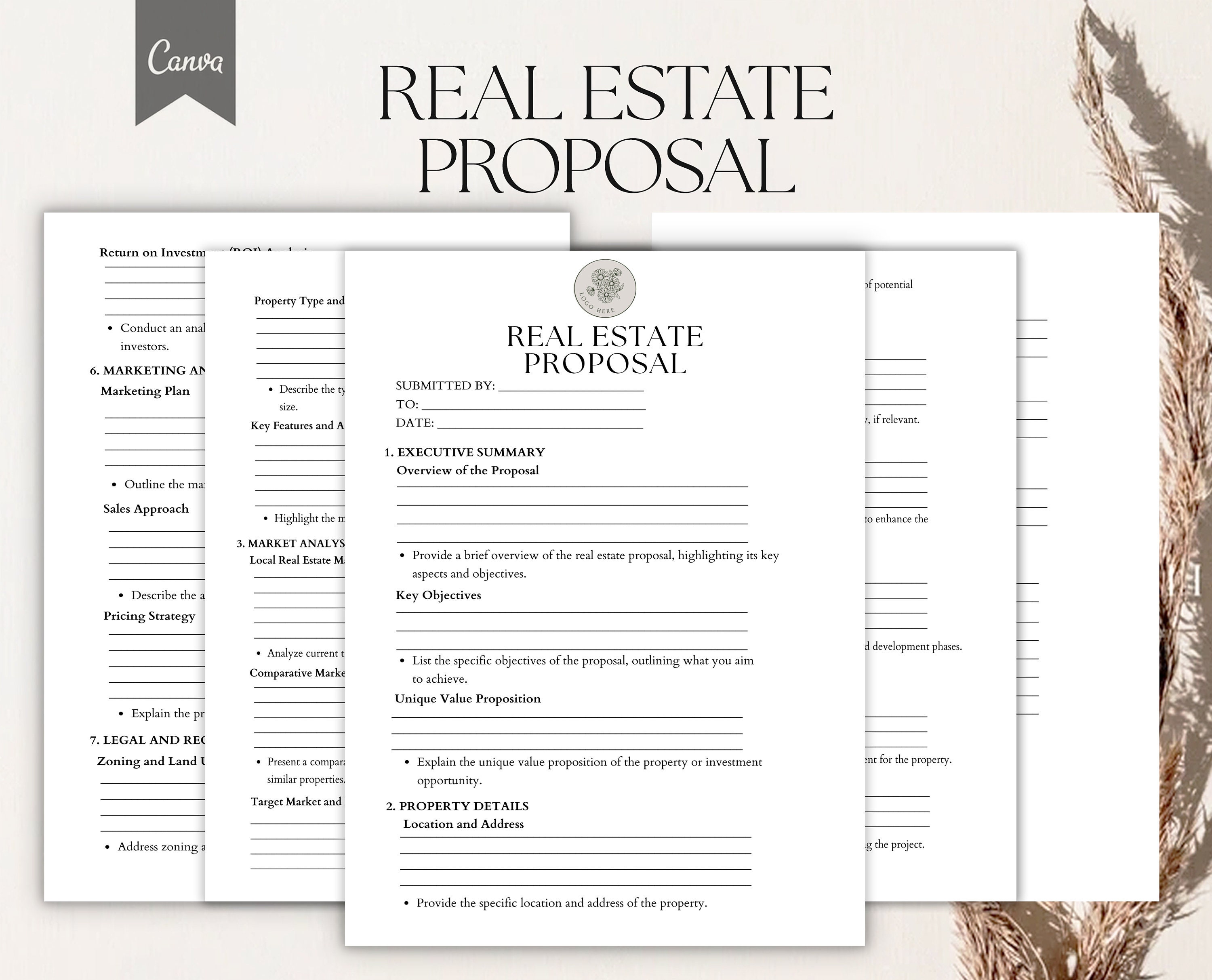
This concise overview should capture the project’s essence: location, value proposition, expected return, and why it stands out in the Asian market. Keep it under 250 words, and end with a strong call to action.
Market Analysis
Use recent data from local real estate agencies and government statistics to show supply, demand, and price trends. Highlight any upcoming infrastructure projects—like a new MRT line in Singapore—that can boost property value.
Property Details
Include precise coordinates, zoning classification, floor plans, and any unique features (e.g., waterfront views, green certification). Attach high‑quality images or renderings to give investors a visual sense of the asset.
Investment Highlights
Outline key selling points: projected rental yields, tax incentives, strategic location, and exit strategy. Use bullet points for clarity, and back every claim with data.
Financial Projections
Present a 5‑year forecast, covering acquisition costs, construction budgets, operating expenses, and projected cash flows. Incorporate sensitivity analysis to show how the investment performs under different market scenarios.
Risk Assessment & Mitigation
Identify regulatory risks (e.g., land transfer restrictions), market risks, and construction risks. Pair each risk with a mitigation strategy, such as obtaining early permits or using a reputable local contractor.
Design Tips: Making Your Template Stand Out
Choosing the Right Color Palette
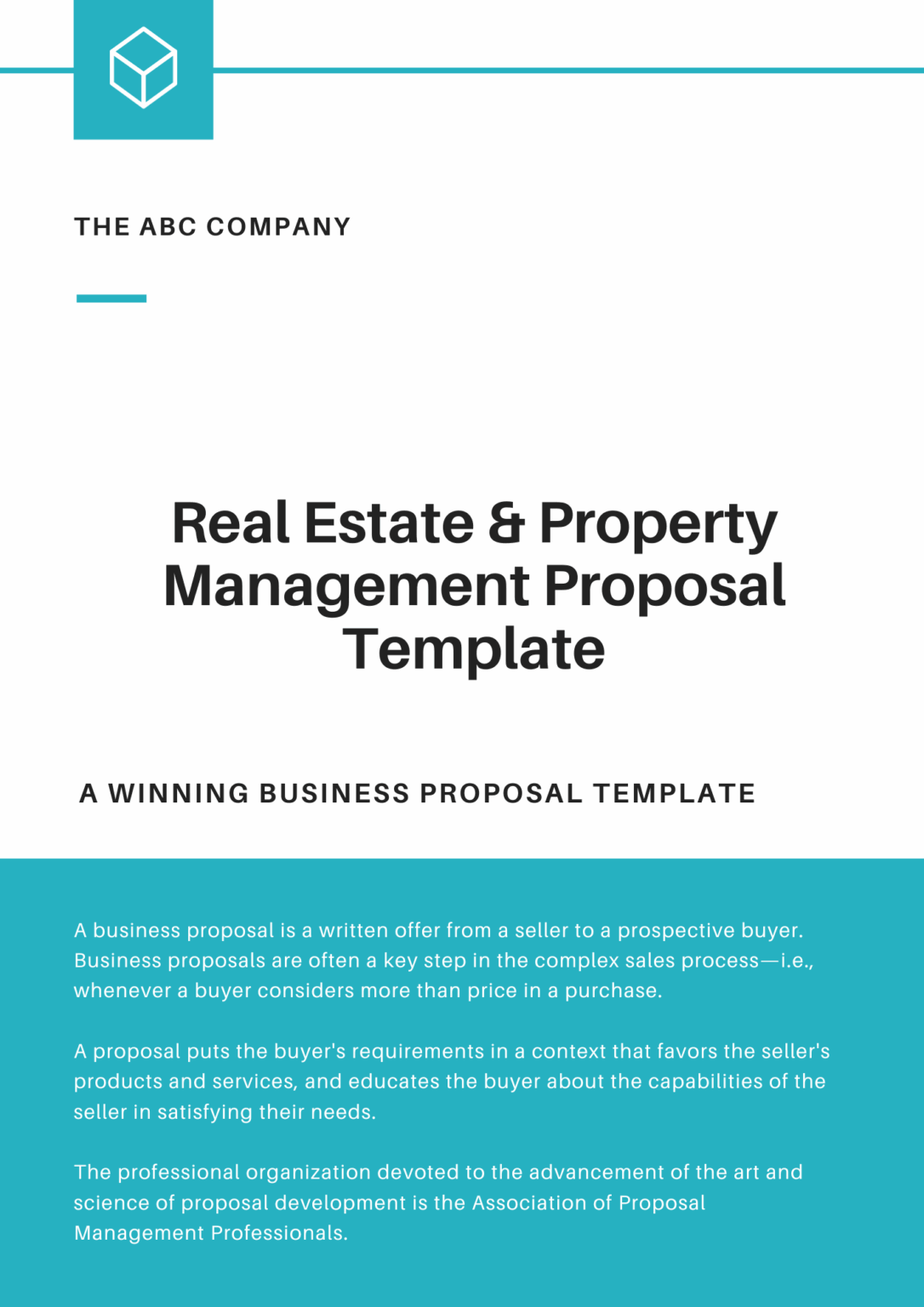
Asian design aesthetics favor subtle tones with occasional accents. Use a base of navy or charcoal for professionalism, and add gold or teal highlights to evoke prestige and innovation.
Typography and Readability
Adopt clean fonts like Helvetica or Lato for body text, and pair them with a serif font for headings to add hierarchy. Maintain a line spacing of 1.5 to ensure easy reading for international investors.
Visual Hierarchy and Layout
Organize information into clear sections with ample white space. Use numbered sections (1, 2, 3) to guide readers, and place key metrics on the right side to match Western reading patterns.
Step‑by‑Step Guide to Customizing Your Template
Gather Accurate Data
- Collect latest market reports from reputable sources.
- Verify legal documents and land titles with local authorities.
- Record past performance data of similar projects in the area.
Set Clear Objectives
Define what you want from the proposal: equity investment, debt financing, or joint venture partnership. Align every section of the template to support that objective.
Draft the Proposal Structure
Start with the executive summary, then sequentially build market analysis, property details, investment highlights, financial projections, and risk assessment. Keep transitions smooth by linking each section with a brief summary sentence.
Incorporate Visual Elements
Add charts for financial data, heat maps for market trends, and infographics for project timeline. Ensure all visuals are properly captioned and referenced in the text.
Review and Iterate
Have a local attorney and a financial analyst review the draft. Test readability with a cross‑border audience; adjust language that may be culturally ambiguous.
Real‑World Case Study: A Successful Proposal in Asia
In 2023, a Singaporean developer used a customized template to secure a USD 200 million equity stake for a mixed‑use project near the Marina Bay area. By highlighting the upcoming MRT extension and providing a clear sensitivity analysis, the proposal convinced investors that the project’s cash flows would be robust even under economic downturns. The final document also included bilingual sections, which facilitated quick reviews by Japanese partners.
Common Pitfalls and How to Avoid Them
Overloading with Jargon
While technical terms can showcase expertise, excessive jargon alienates non‑technical stakeholders. Replace industry slang with plain language, and offer a glossary for necessary terms.
Neglecting Localization
Assuming a one‑size‑fits‑all approach fails in markets with strict regulatory environments. Include local compliance checklists and tailor risk assessments to the specific legal landscape.
Ignoring Legal Compliance
Failing to incorporate up‑to‑date land‑use regulations can lead to costly delays. Regularly update the legal section and, if possible, embed a clause that automatically pulls in the latest statutes.
Conclusion
A meticulously crafted Real Estate Proposal Template is your most powerful tool for unlocking investment in Asia’s vibrant property markets. By blending robust data, thoughtful design, and localized insights, you transform a simple document into a persuasive narrative that speaks directly to the priorities of international investors. Implement the steps outlined above, avoid common pitfalls, and watch as your proposals consistently attract the capital needed to turn visions into reality.