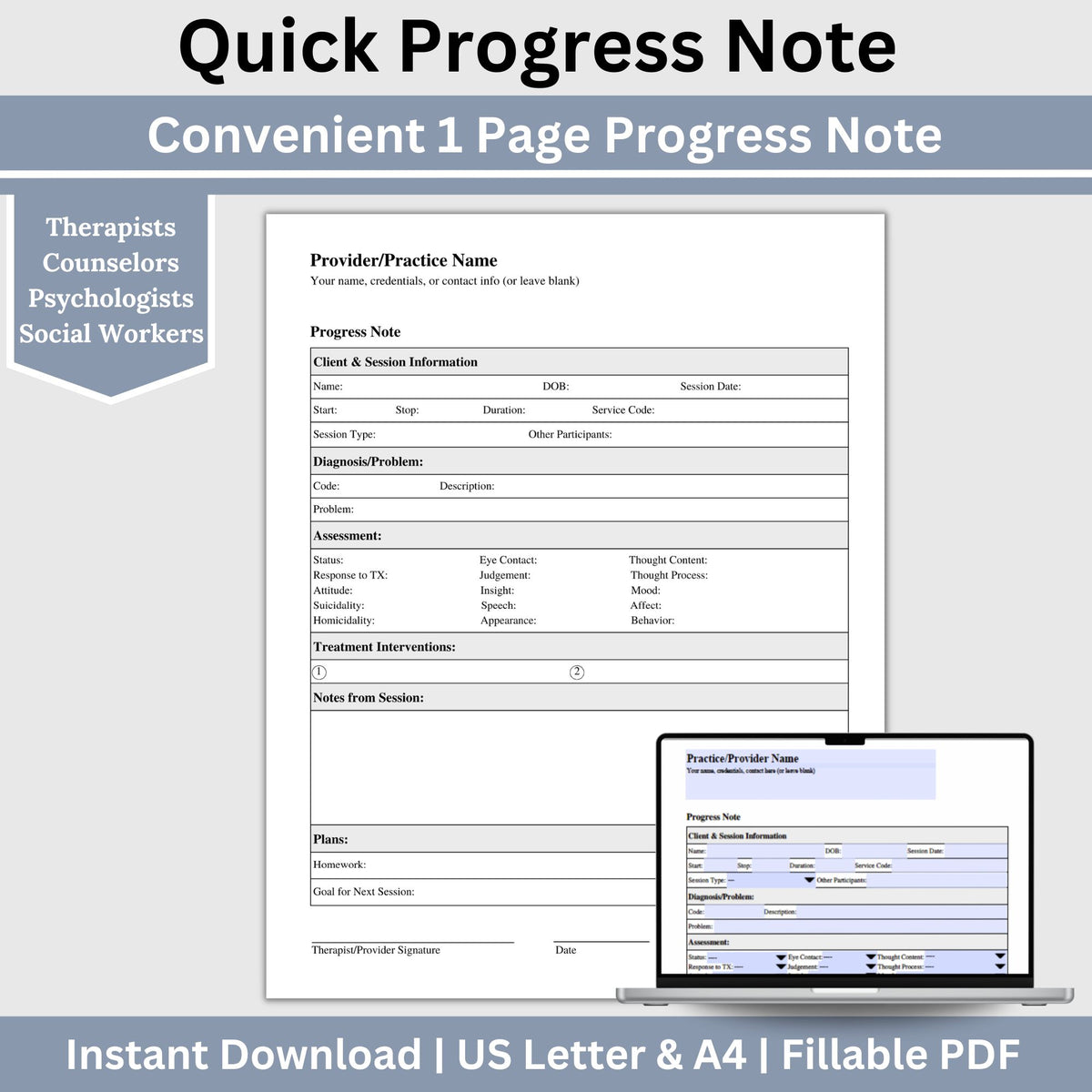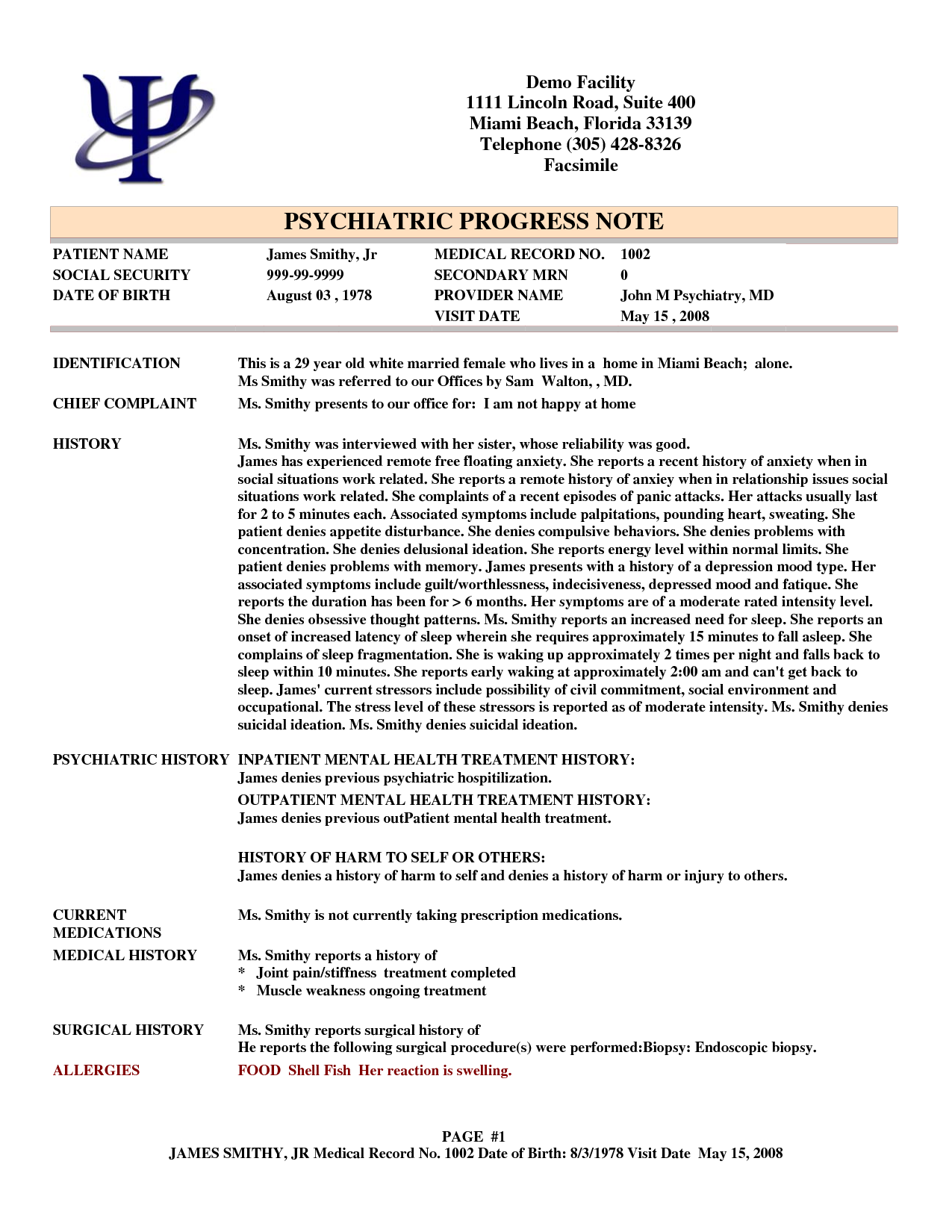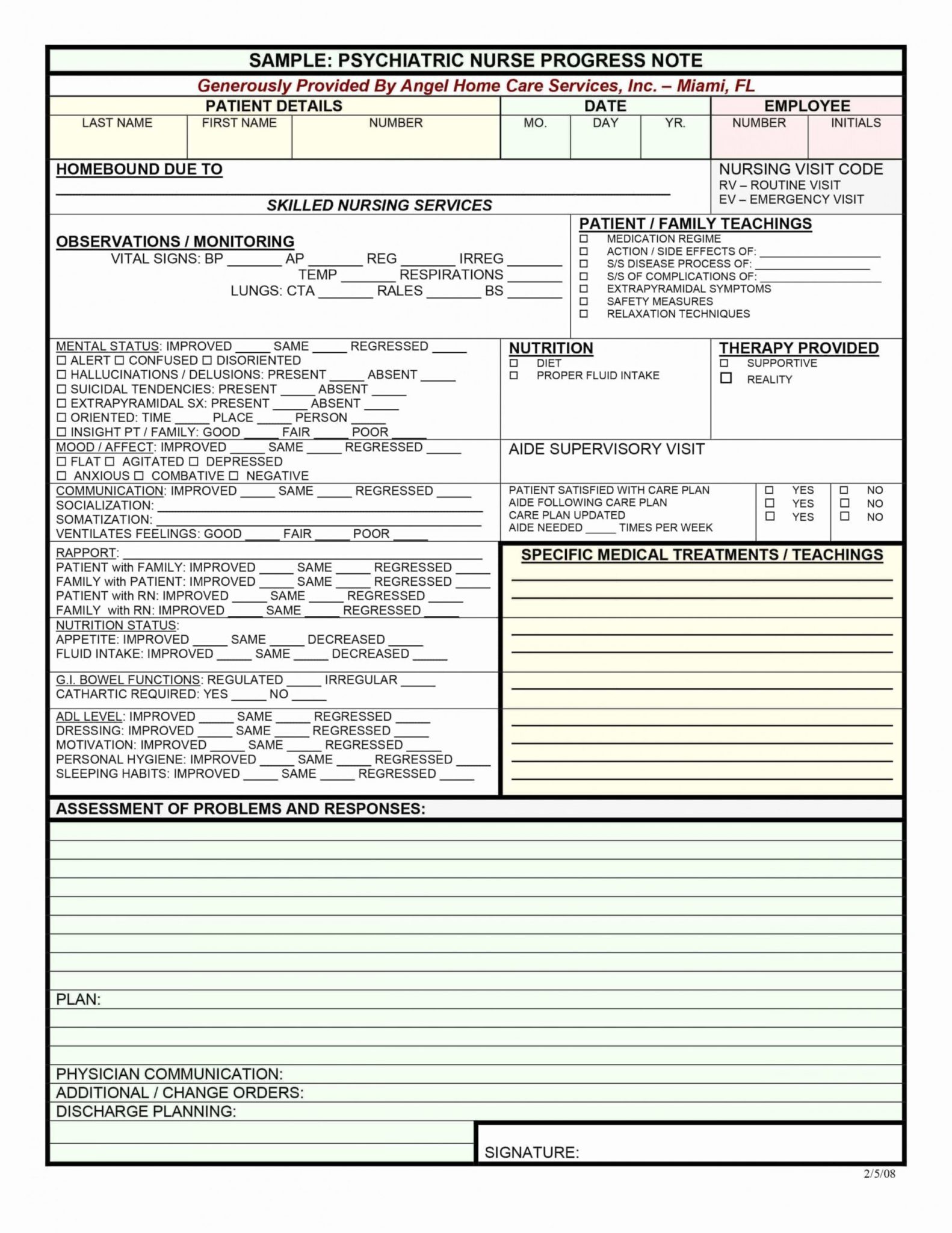
Psychiatric Progress Note Template is a cornerstone tool for mental health professionals, enabling precise documentation of patient interactions, treatment plans, and therapeutic outcomes. This comprehensive guide unpacks the essential elements of an effective psychiatric progress note, demonstrates how to structure it efficiently, and offers practical tips to maximize clinical value and compliance.
The Core Components of a Psychiatric Progress Note
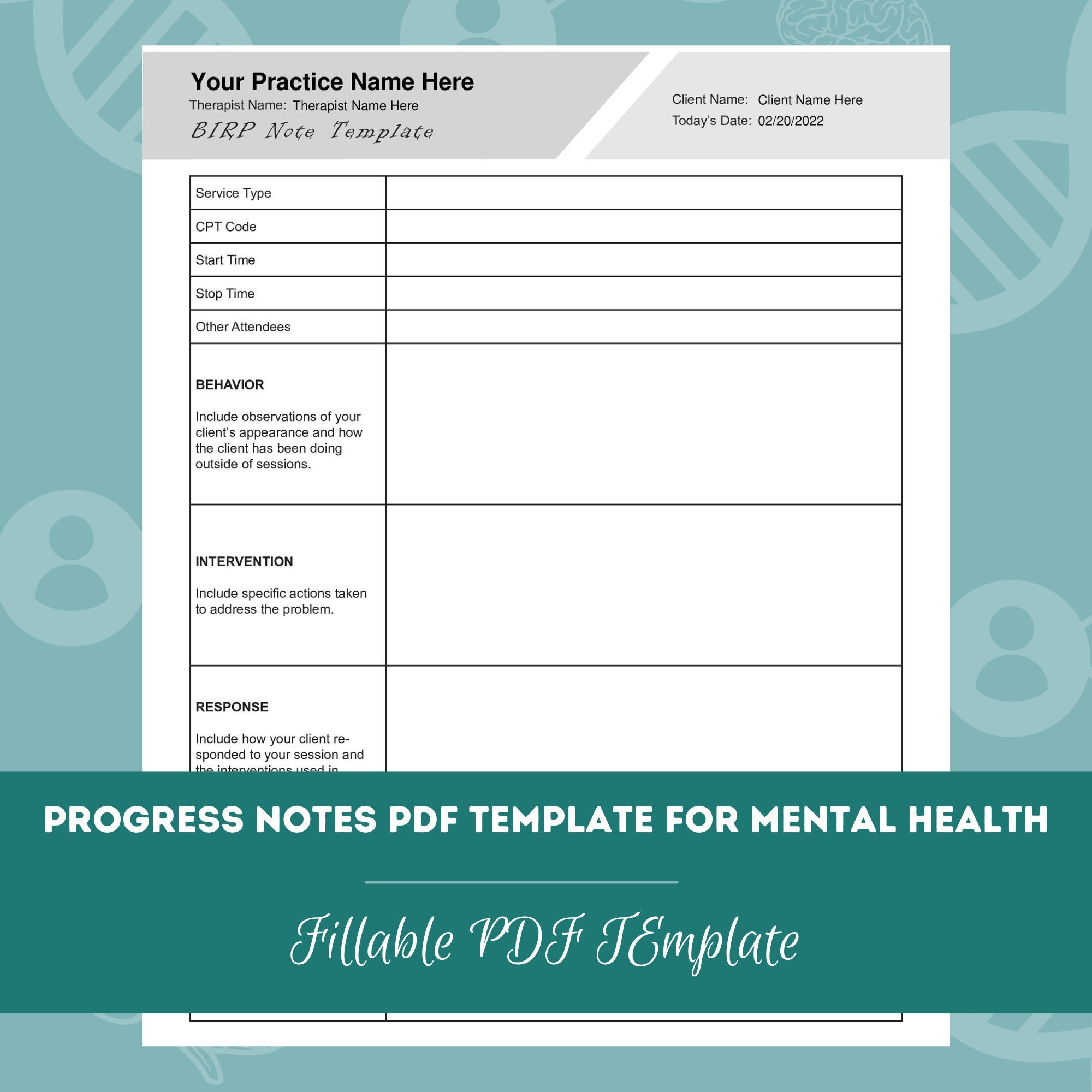
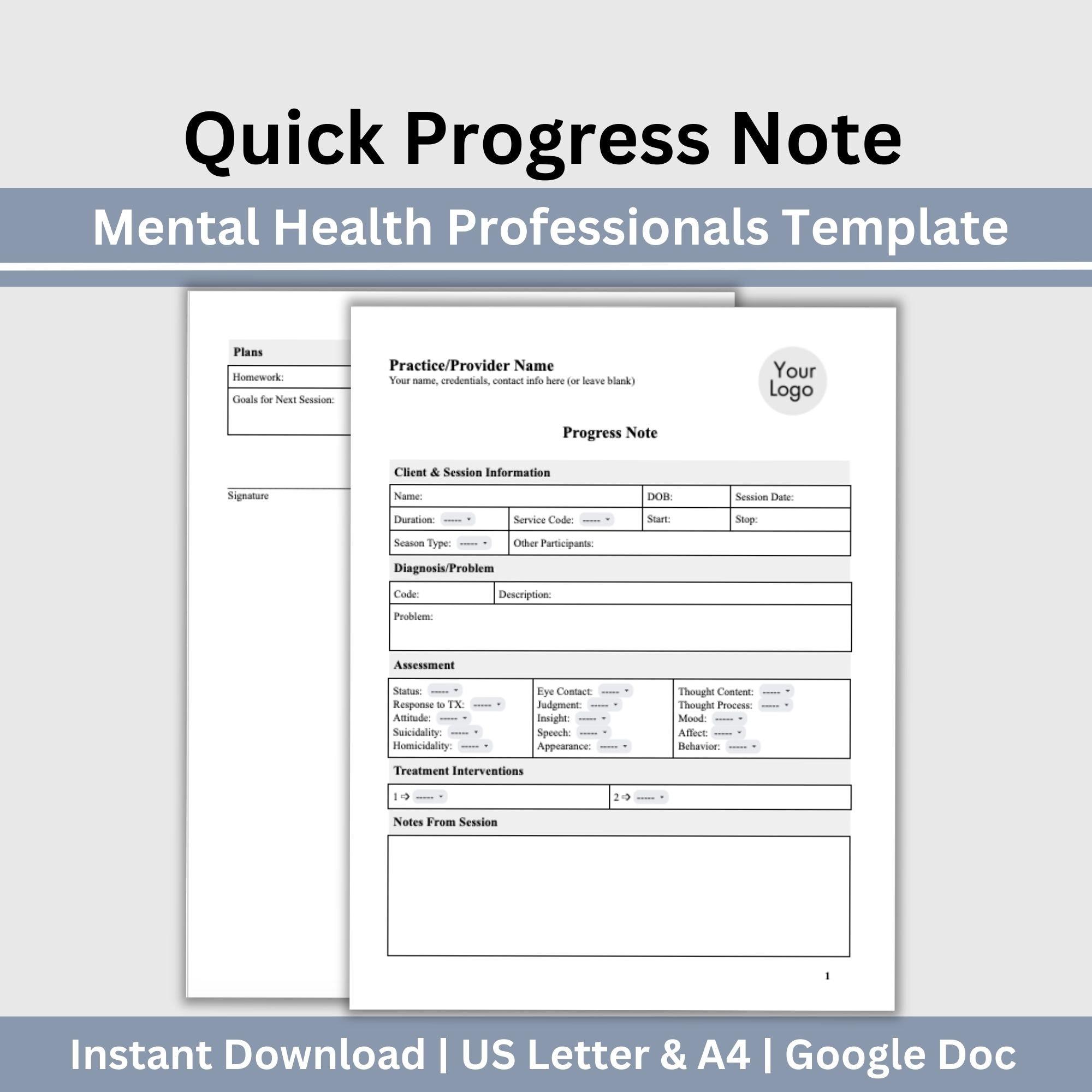
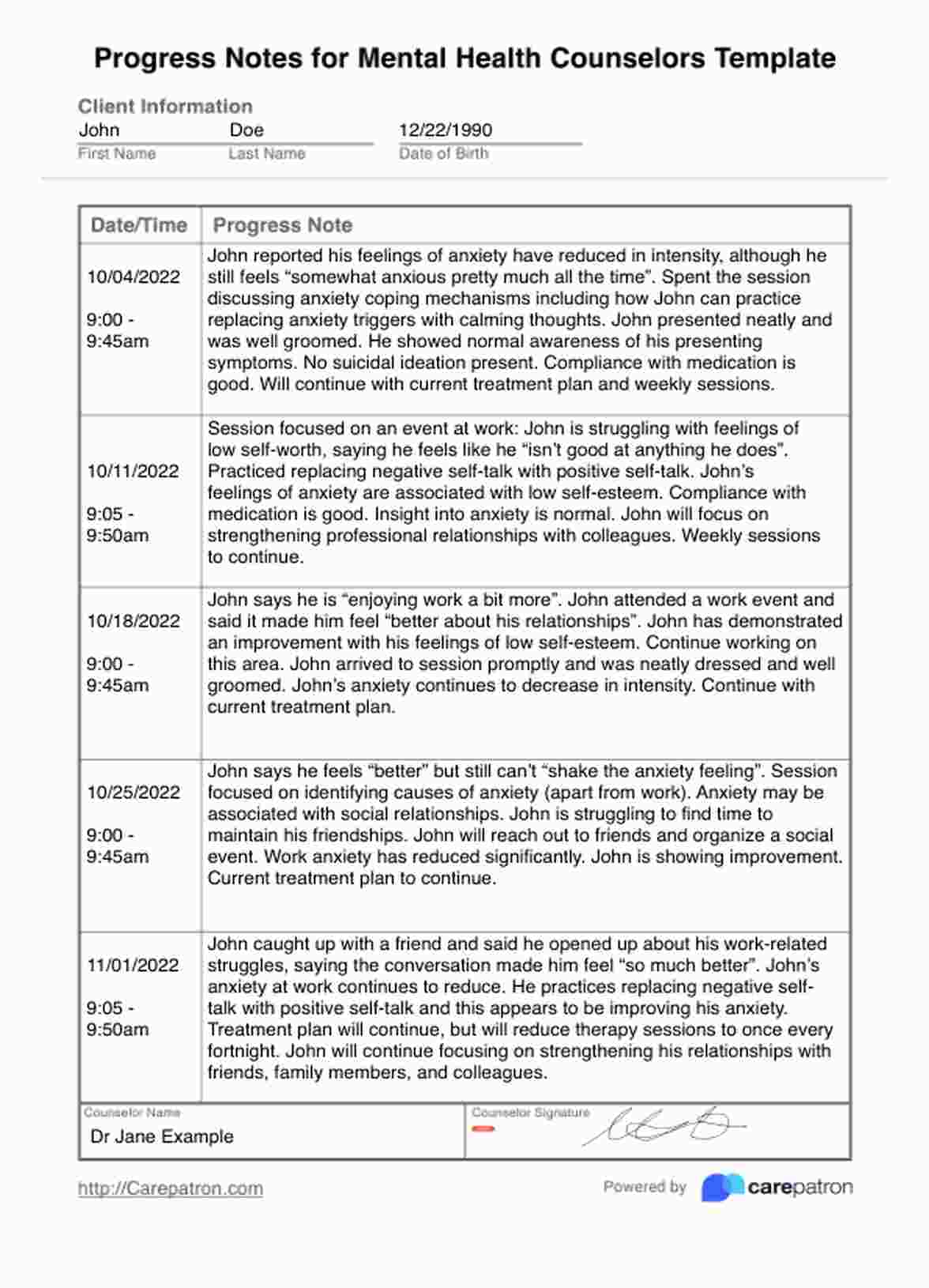
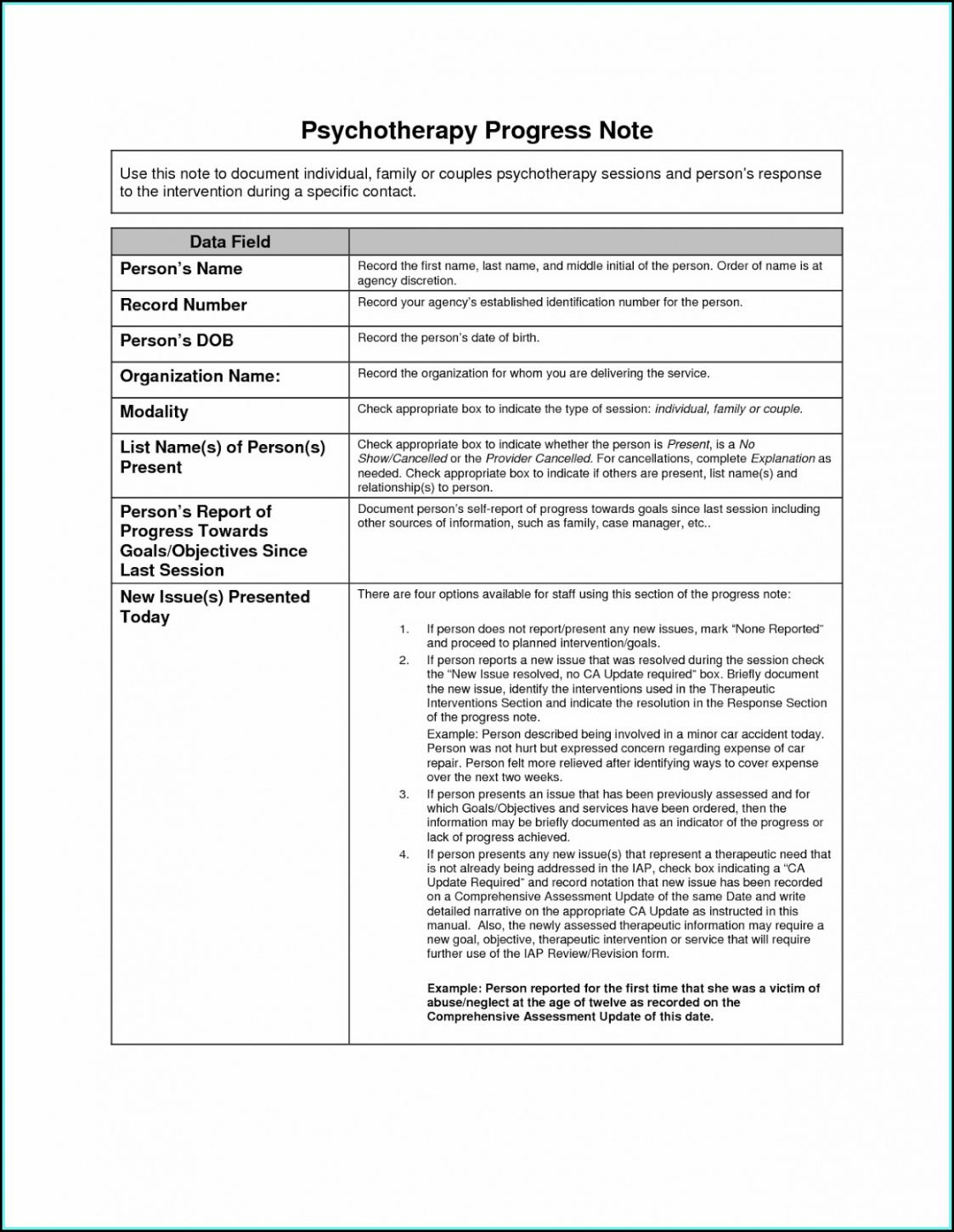
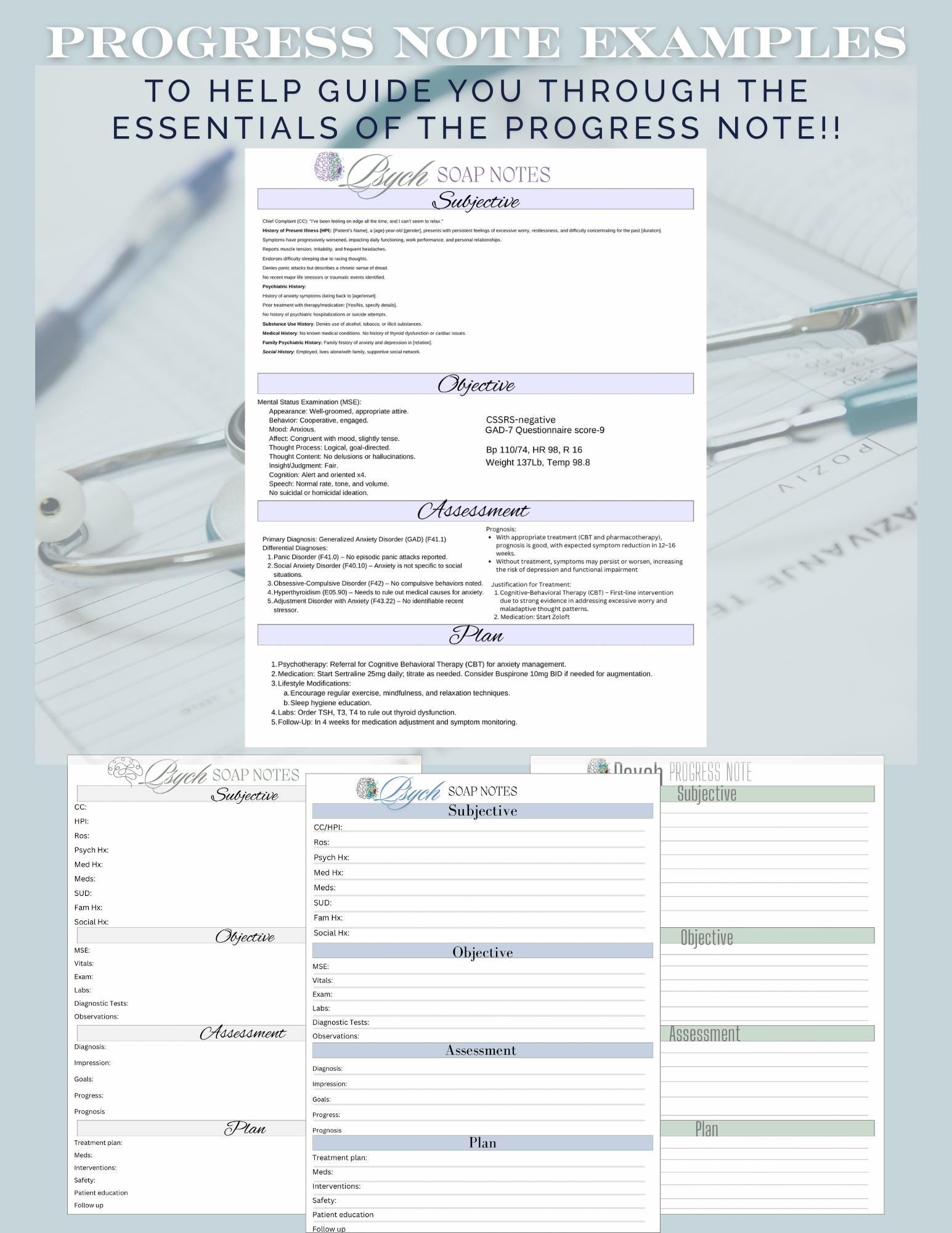
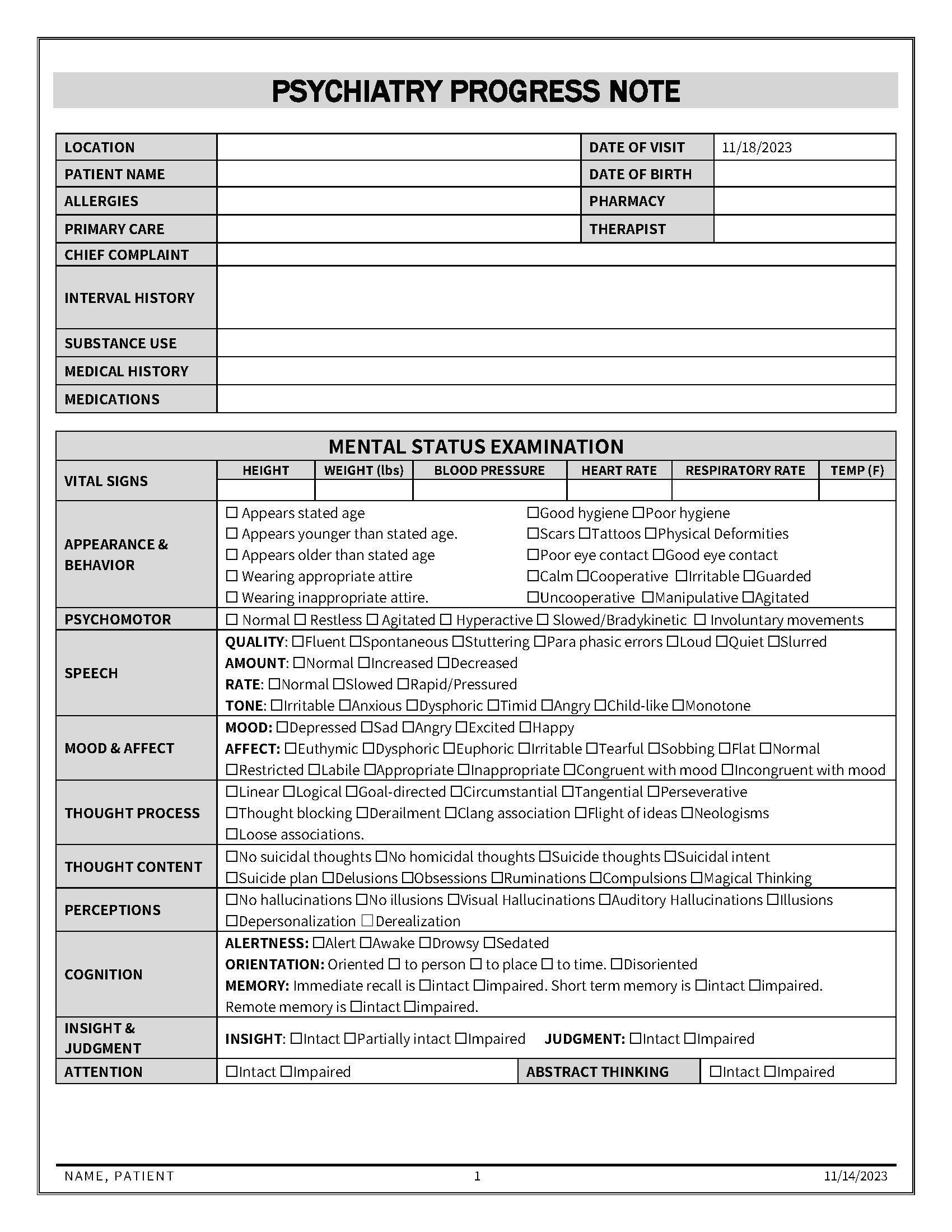
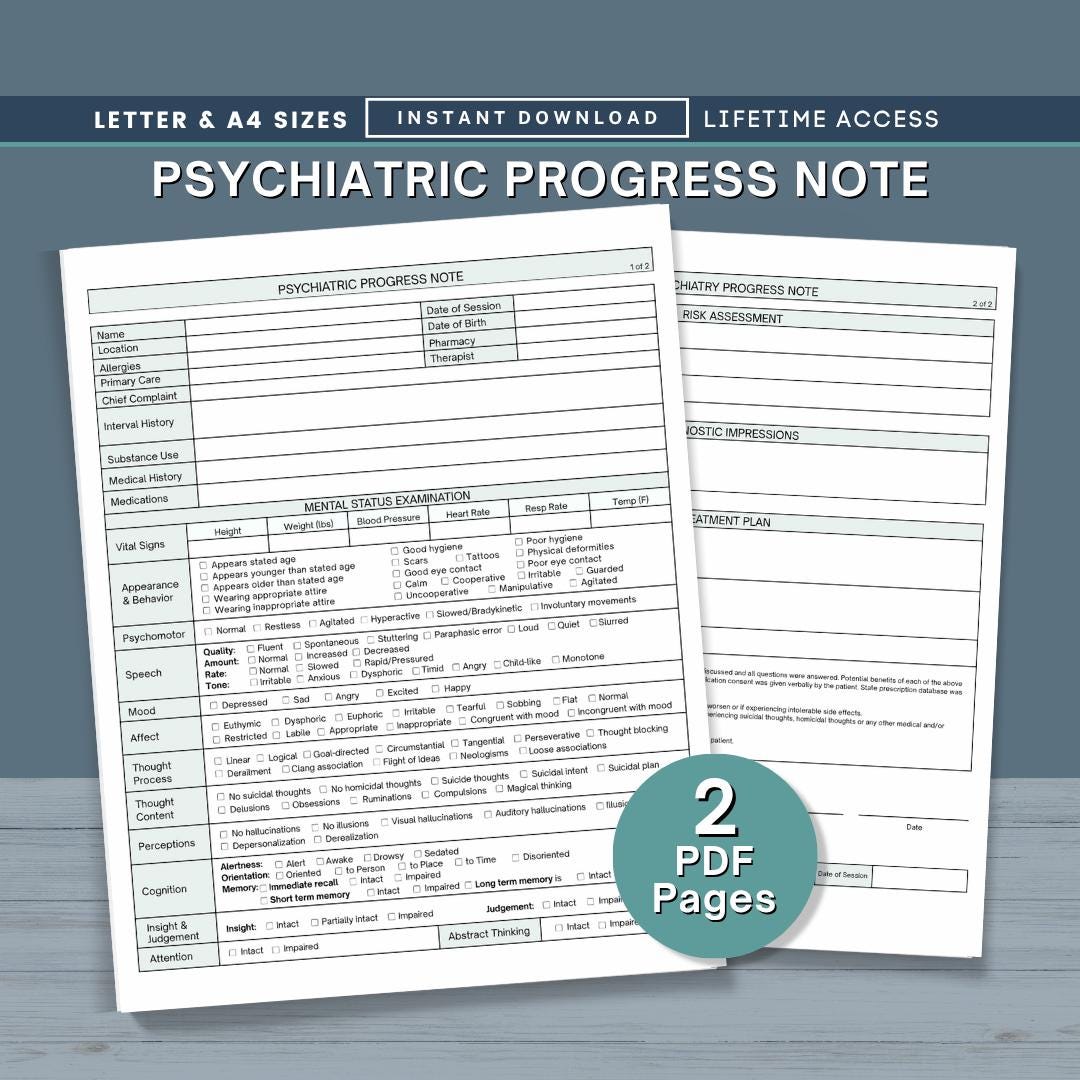
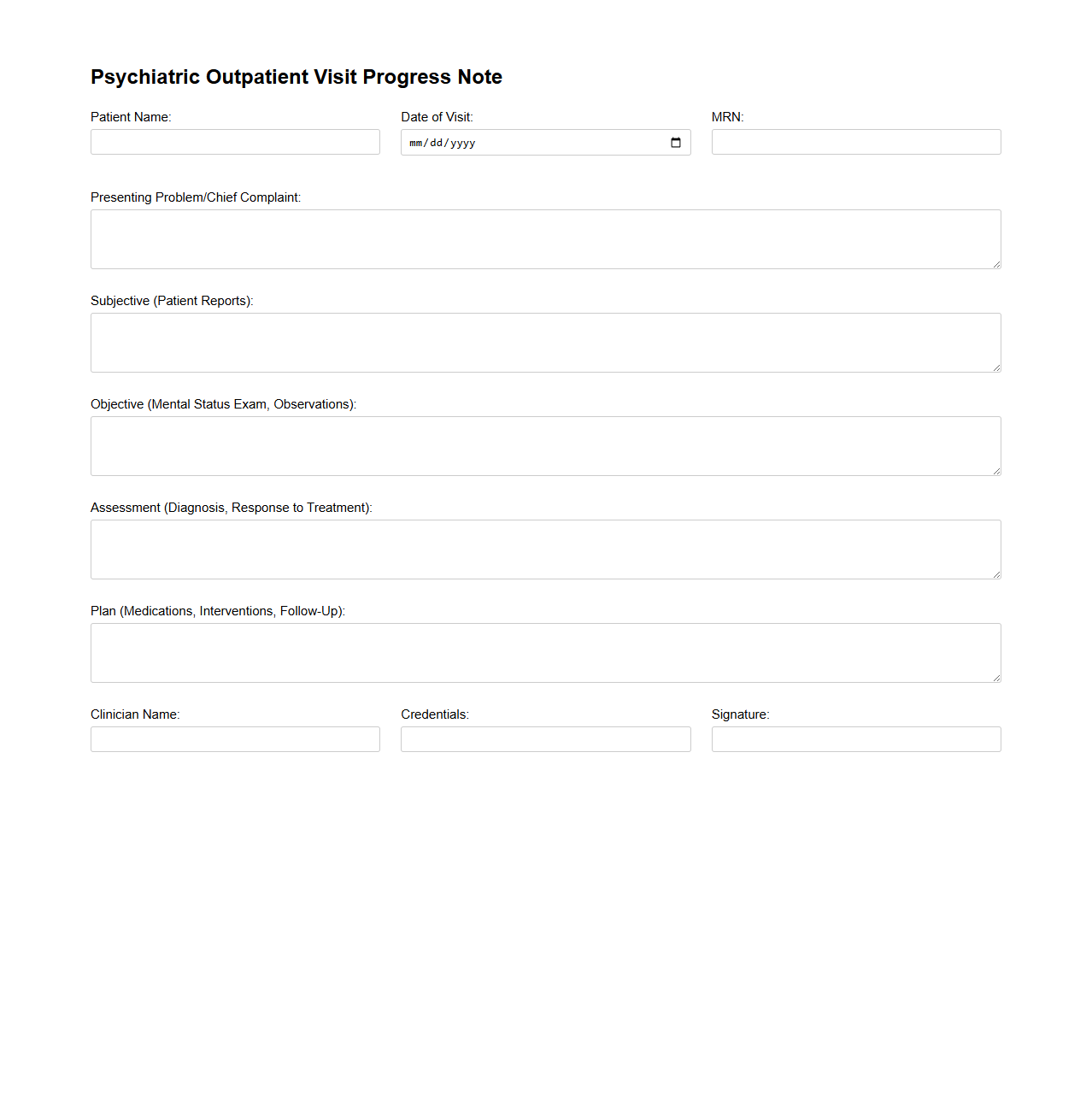
A well‑structured progress note captures the full spectrum of patient care—from subjective observations to objective assessments, and from clinical impressions to actionable plans. While the exact format can vary by practice or electronic health record (EHR) system, most high‑quality notes adhere to the following five pillars:
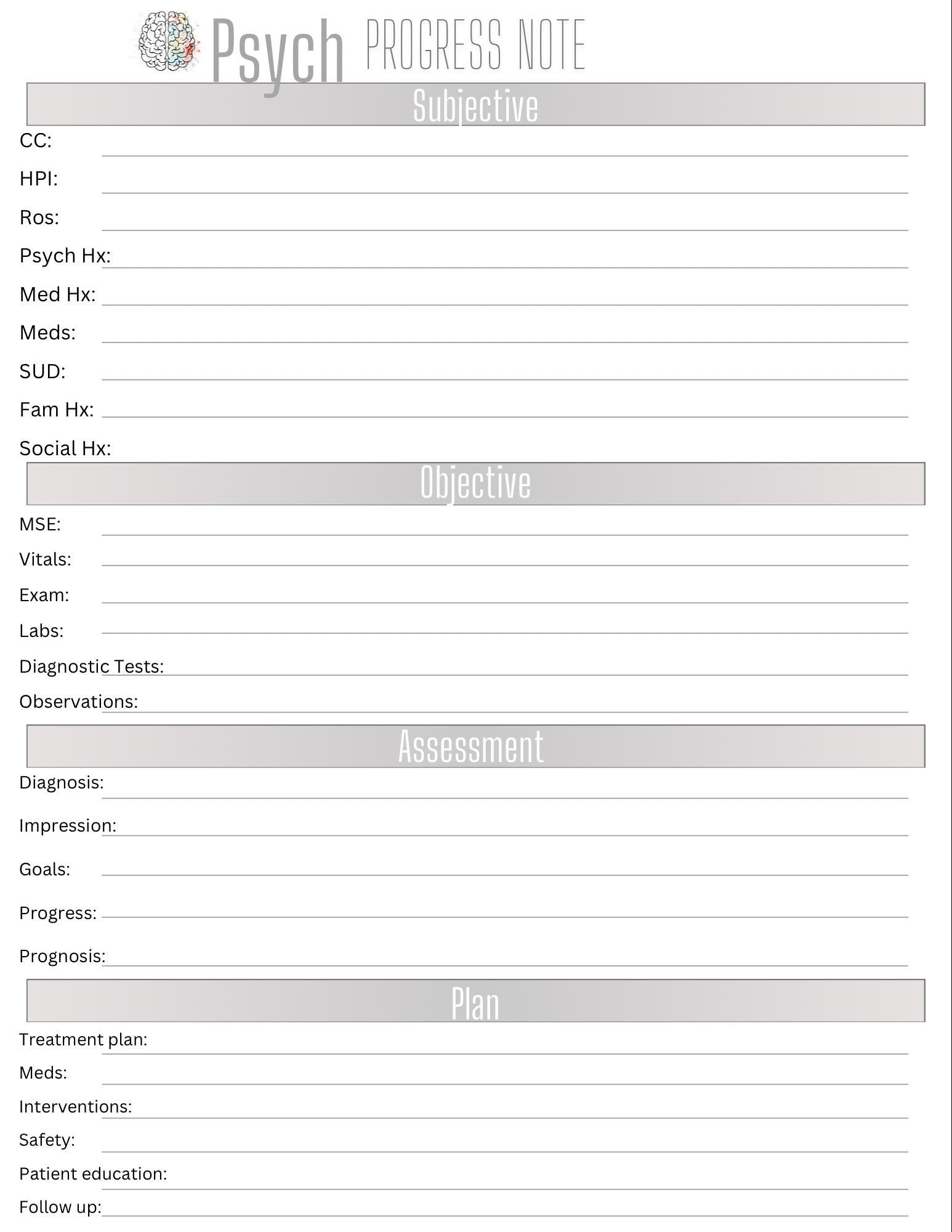
1. Subjective Data
- Chief Complaint: Concise statement of the patient’s presenting issue.
- History of Present Illness: Timeline, symptom evolution, and relevant context.
- Patient’s Own Words: Direct quotes that illustrate mood, anxiety, or other affective states.
- Social and Family History: Key psychosocial factors that influence treatment.
2. Objective Findings
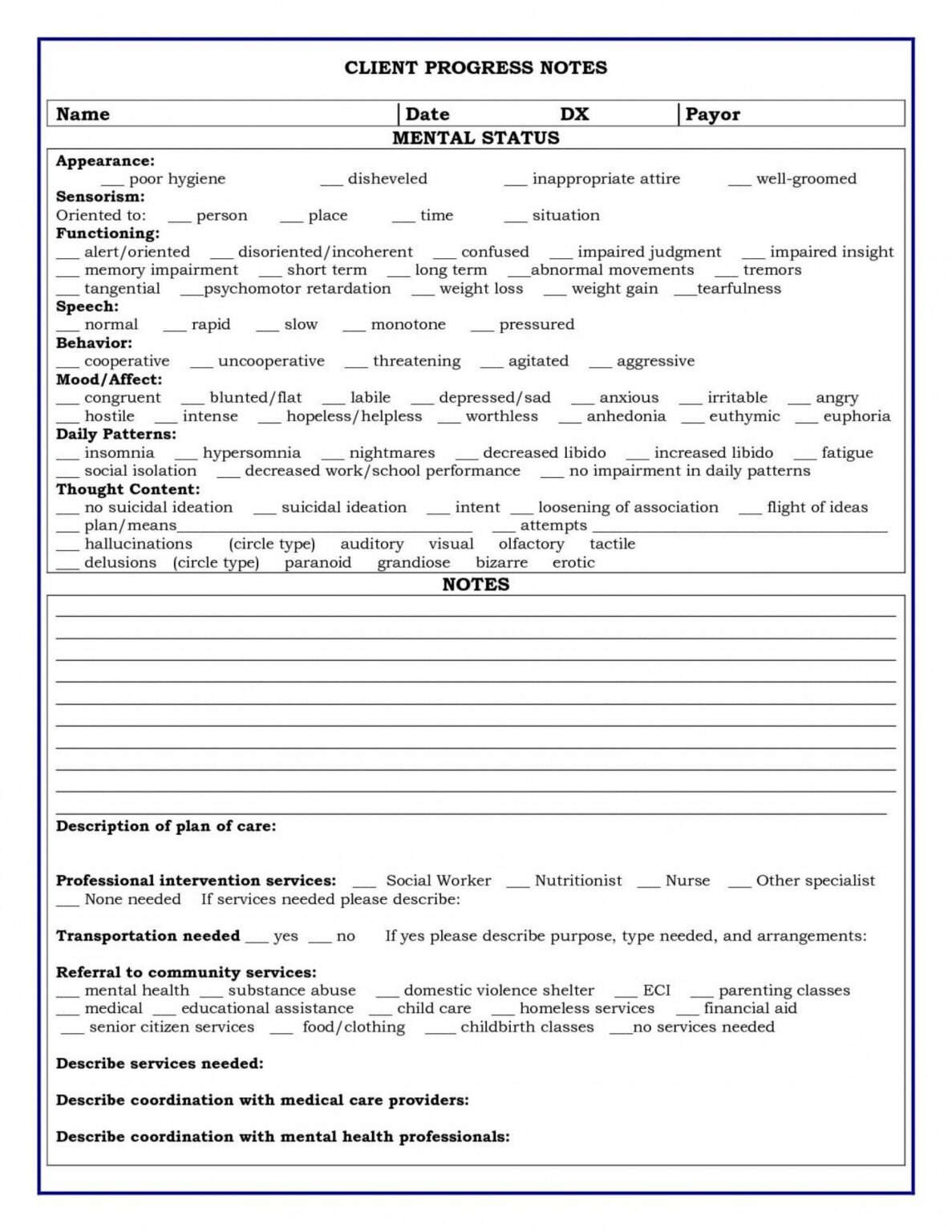
- Mental Status Exam (MSE): Appearance, behavior, speech, mood, cognition, thought content, insight, and judgment.
- Physical Exam Notes: If relevant, such as medication side‑effects or somatic symptoms.
- Vital Signs and Baseline Labs: Include results that inform medication management.
- Risk Assessments: Suicidal or homicidal ideation, self‑harm behaviors, or safety concerns.
3. Assessment
The assessment synthesizes subjective and objective data into a clinical interpretation. Key elements include:
- Diagnostic Impressions: ICD‑10 codes or DSM‑5 categorizations.
- Severity Rating: Utilization of scales (e.g., PHQ‑9, GAD‑7) to quantify symptom burden.
- Response to Treatment: Evaluation of therapy progress or medication efficacy.
4. Plan
The plan outlines concrete next steps, ensuring continuity of care:
- Medication Management: Dosage adjustments, new prescriptions, or discontinuation notes.
- Therapeutic Interventions: CBT sessions, psychoeducation, or referrals to specialists.
- Follow‑Up Schedule: Timing of next appointments or crisis check‑ins.
- Patient Education: Coping strategies, medication adherence tips, or safety plans.
5. Signature and Credentials
Verification by the treating clinician, including date and time, establishes legal and professional accountability.
Choosing a Template: Paper vs. Electronic
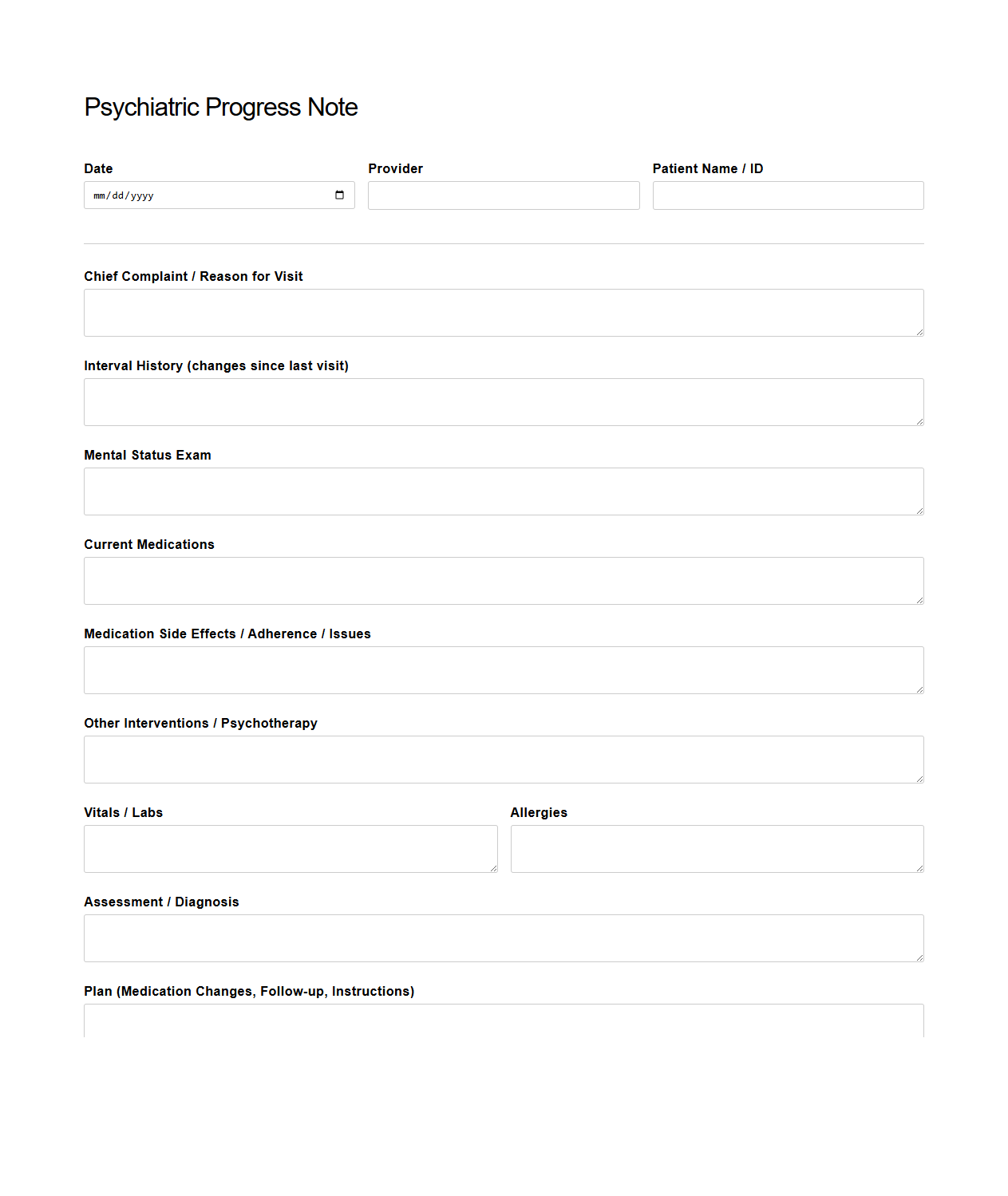
While paper templates remain in some rural or low‑resource settings, most practices now leverage digital platforms. EHRs often provide pre‑built forms that automatically capture structured fields, enforce compliance with regulatory standards, and facilitate data analytics. Regardless of format, the template must allow for clinical flexibility while maintaining consistency across providers.
Step‑by‑Step: Crafting a Note in Practice
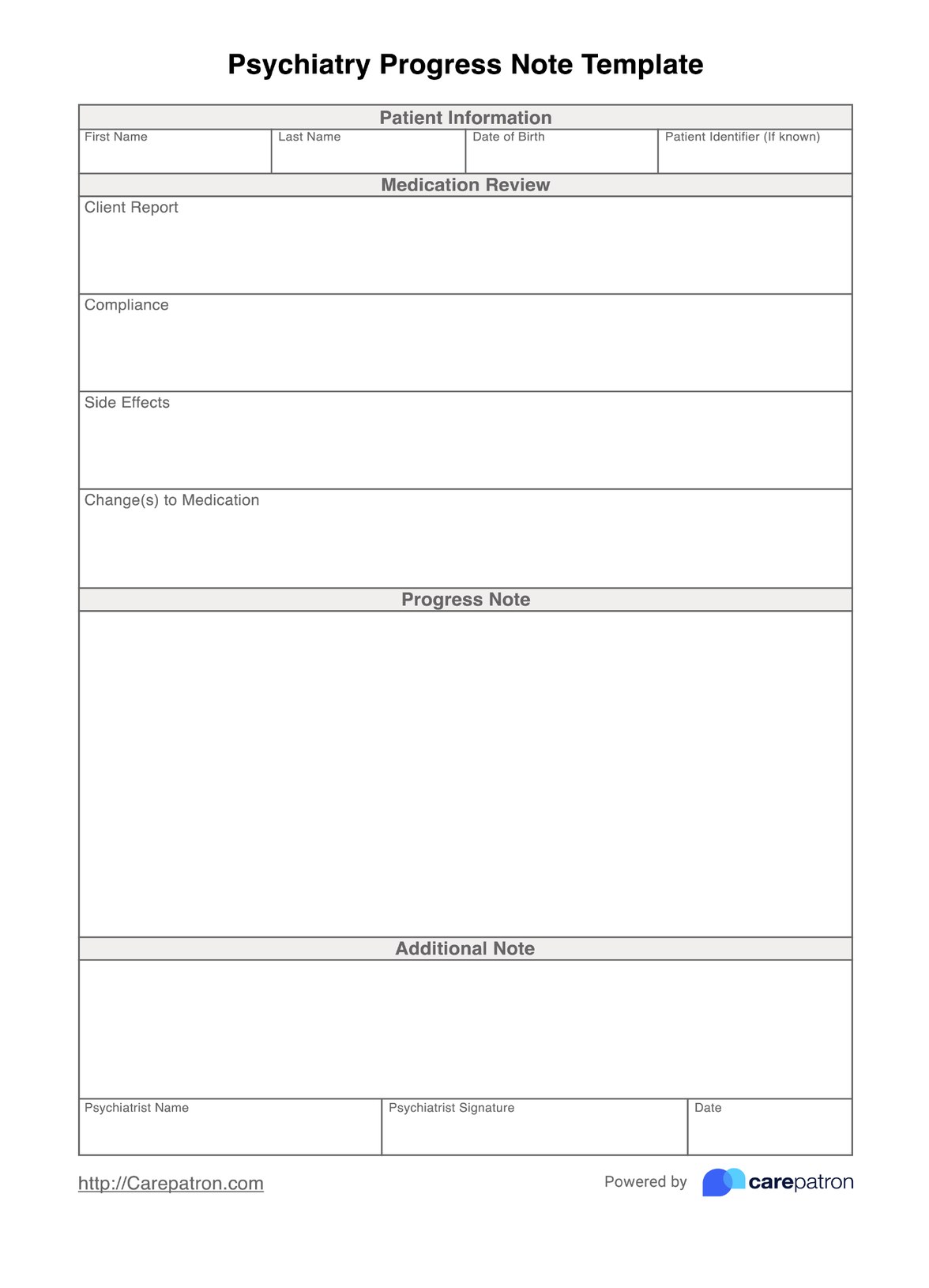
Preparing the Environment
- Secure Patient Privacy: Verify that the workstation complies with HIPAA regulations and is free from external viewing.
- Gather All Relevant Documents: Recent lab results, previous progress notes, and assessment tools.
- Review the Patient’s History: Focus on previous diagnoses, past medication trials, and prior therapeutic interventions.
Documenting the Session
- Start with the Subjective Section: Use the patient’s own narrative first, then supplement with clinical observations.
- Move to Objective Data: Conduct a concise MSE; record vital signs and risk assessments before or after the session to reflect real‑time clinical status.
- Draft the Assessment: Integrate data points and reference diagnostic criteria. Consider including a brief statement on functional impact.
- Outline the Plan: Specify medication changes, therapy frequency, and any referrals. Use bullet points for clarity.
- Sign and Date: Ensure the signature is scanned or typed with full credentials.
Reviewing and Finalizing
After completing the draft, take a moment to verify that:
- All sections are present and coherent.
- Medical terminology is precise and avoids ambiguity.
- Confidentiality is preserved by excluding unnecessary identifiers.
- The document adheres to your institution’s length or formatting policies.
Common Pitfalls and How to Avoid Them

1. Overuse of Medical Jargon
While professionals may be comfortable with technical language, excessive jargon can obscure meaning for interdisciplinary teams or patients’ families. Aim for a balance between clinical accuracy and readability.
2. Forgetting Risk Assessments
Missing a suicide or self‑harm evaluation can lead to legal and clinical consequences. Embed a quick “Risk Assessment” checkbox in the template to prompt consistent documentation.
3. Inconsistent Use of Coding
Failing to include ICD‑10 codes or proper diagnostic labels undermines billing accuracy and quality reporting. Verify code validity before finalizing the note.
Real‑World Example: A 32‑Year‑Old Female with Major Depressive Disorder
Subjective: “I feel like I’m stuck in a dark tunnel that I can’t climb out of. The mornings are the worst; I can’t get out of bed.”
Objective: MSE: Mild psychomotor retardation, flat affect, impaired concentration. No suicidal ideation reported. Blood pressure 120/78, HR 72.
Assessment: Major Depressive Disorder, recurrent, moderate severity. PHQ‑9 score 17. Functional impairment noted in occupational performance.
Plan: Increase sertraline to 100 mg daily, add cognitive-behavioral therapy weekly, schedule follow‑up in 4 weeks. Provide safety plan and crisis hotline information.
Signature: Dr. Jane Doe, Psychiatrist, .
Integrating Progress Notes into Quality Improvement

Well‑structured templates facilitate data extraction for clinical audits, population health management, and research. By standardizing elements such as symptom scales and risk indicators, clinicians can generate dashboards that track treatment effectiveness across cohorts. This data‑driven insight informs policy decisions and resource allocation.
Legal and Ethical Considerations
1. Accuracy and Timeliness
Documentation must reflect the exact time of assessment and interventions. Delayed entries can create gaps that raise questions about clinical responsibility.
2. Informed Consent and Confidentiality
Only essential information should be recorded. Avoid disclosing sensitive details beyond what is required for treatment, especially in shared spaces or collaborative EHR environments.
3. Documentation for Litigation Defense
Progress notes serve as evidence in malpractice claims. A clear, objective, and methodical record can protect clinicians by demonstrating adherence to standard care protocols.
Tips for Enhancing Efficiency with Templates
- Use Smart Text Snippets: Pre‑populate common phrases such as “Patient denied suicidal ideation.”
- Leverage Voice Recognition: Convert dictation into structured text, ensuring the software maps to template fields.
- Incorporate Decision‑Support Algorithms: Some EHRs flag medication interactions or dosage limits automatically.
- Review Regularly: Conduct quarterly audits of note completeness and accuracy.
Future Trends in Psychiatric Progress Documentation
Advances in artificial intelligence and natural language processing are beginning to streamline note creation. Predictive analytics can suggest diagnostic codes based on input fields, while AI‑driven summaries condense lengthy notes into actionable highlights for quick review. Nonetheless, the clinician’s judgment remains irreplaceable, especially when interpreting nuanced psychosocial dynamics.
Conclusion
Mastering a Psychiatric Progress Note Template is more than a clerical task; it is an integral part of patient care that enhances therapeutic continuity, supports legal compliance, and fuels quality improvement initiatives. By systematically capturing subjective insights, objective data, clinical assessment, and actionable plans—and by vigilantly guarding against common pitfalls—mental health professionals can produce notes that are not only compliant but also rich in clinical value. Consistent use of a thoughtfully designed template ultimately empowers clinicians to deliver evidence‑based, patient‑centered care while maintaining operational efficiency and safeguarding both patient privacy and institutional integrity.