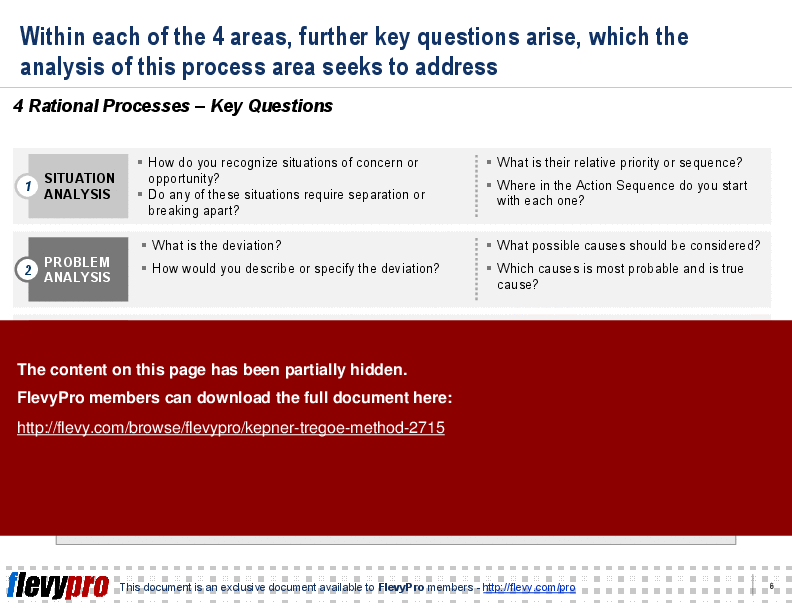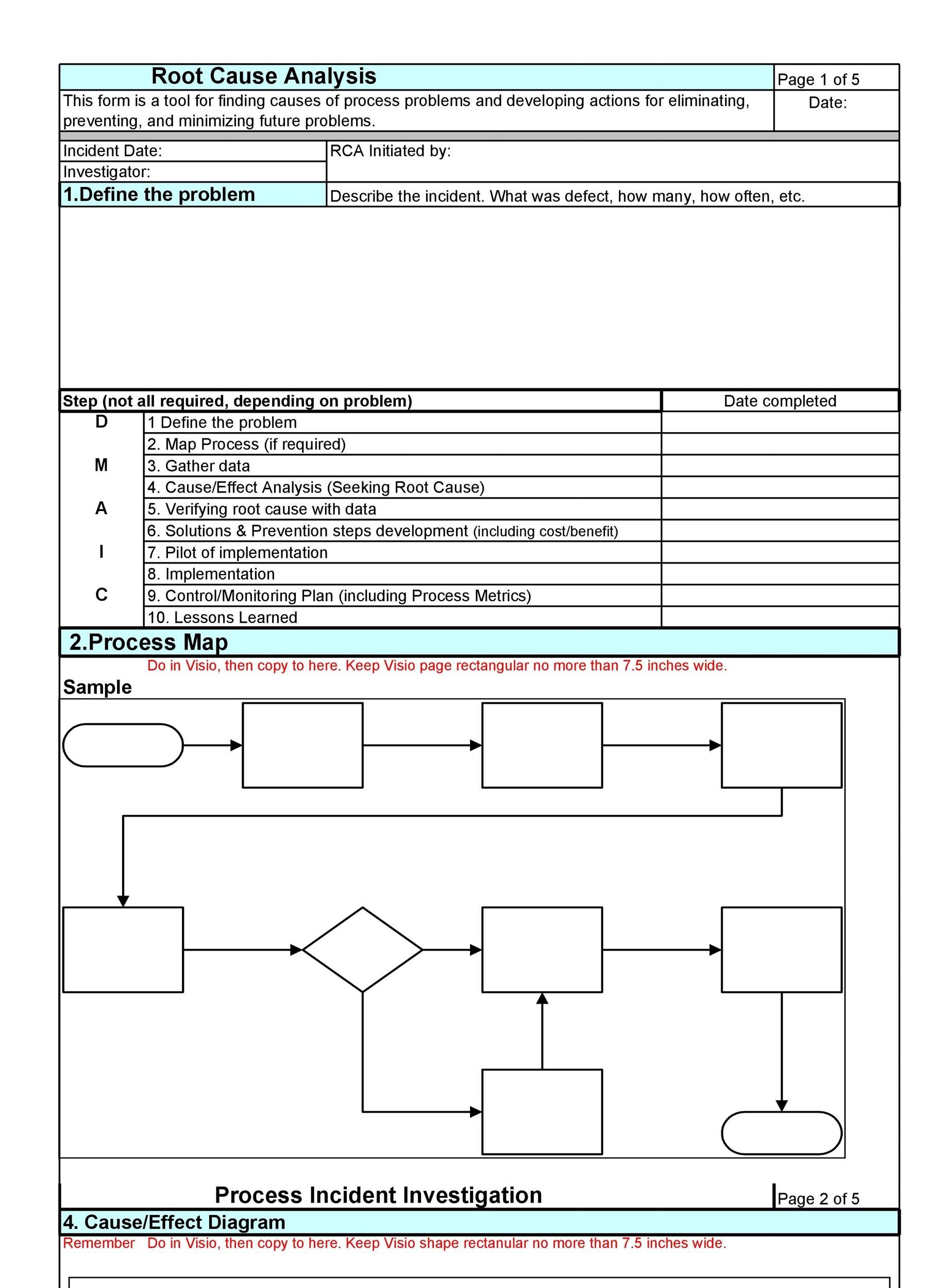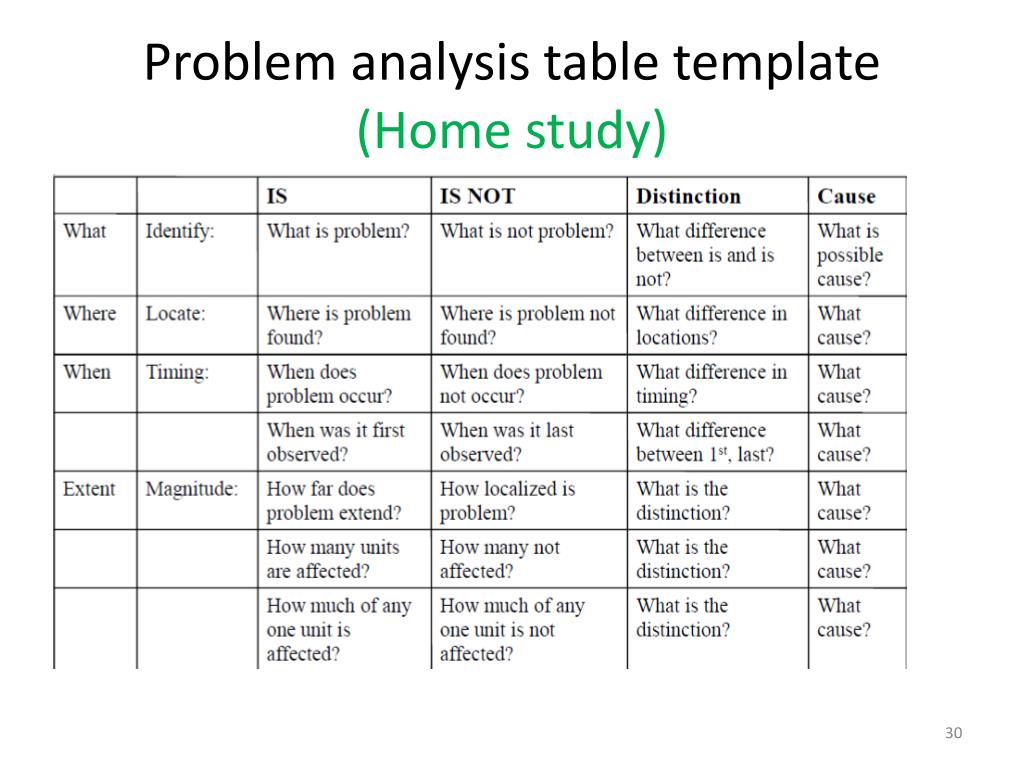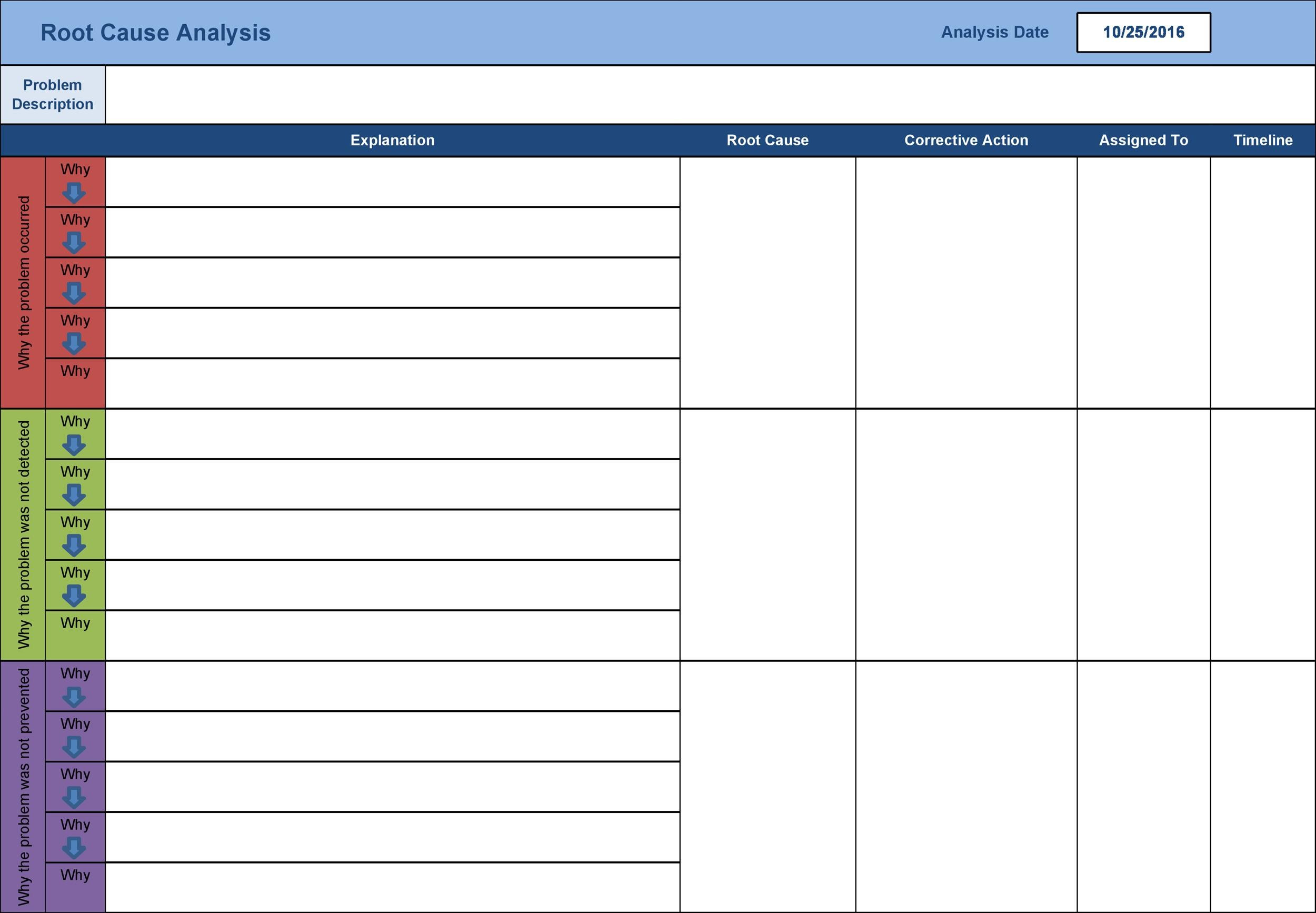
Kepner Tregoe Problem Analysis Template has been my go‑to framework whenever I’m stuck in a maze of conflicting data, unclear priorities, or urgent decisions that feel like walking on a tightrope. It turns chaotic information into a clear roadmap, and the best part is that you can apply it without a PhD in management science. In this post I’ll walk you through the template step by step, share real‑world examples, and give you practical tips so you can start solving problems faster, more confidently, and with less stress.
Why the Kepner Tregoe Approach Stands Out
Rooted in Logic, Not Guesswork
The core strength of the Kepner Tregoe method is its logical structure. It forces you to separate facts from assumptions, identify the real cause of a problem, and evaluate alternatives against clear criteria. This discipline cuts through the noise that usually clouds decision‑making.
Versatility Across Industries
From manufacturing plants troubleshooting equipment failures to software teams debugging code, the template adapts to any context where a problem needs to be defined, analyzed, and solved. Its universality makes it a favorite tool for consultants, project managers, and frontline supervisors alike.
Boosts Team Alignment
When you walk a cross‑functional group through the same structured questions, you create a shared language. That reduces misunderstandings and speeds up consensus, which is priceless when deadlines are tight.
Core Components of the Template
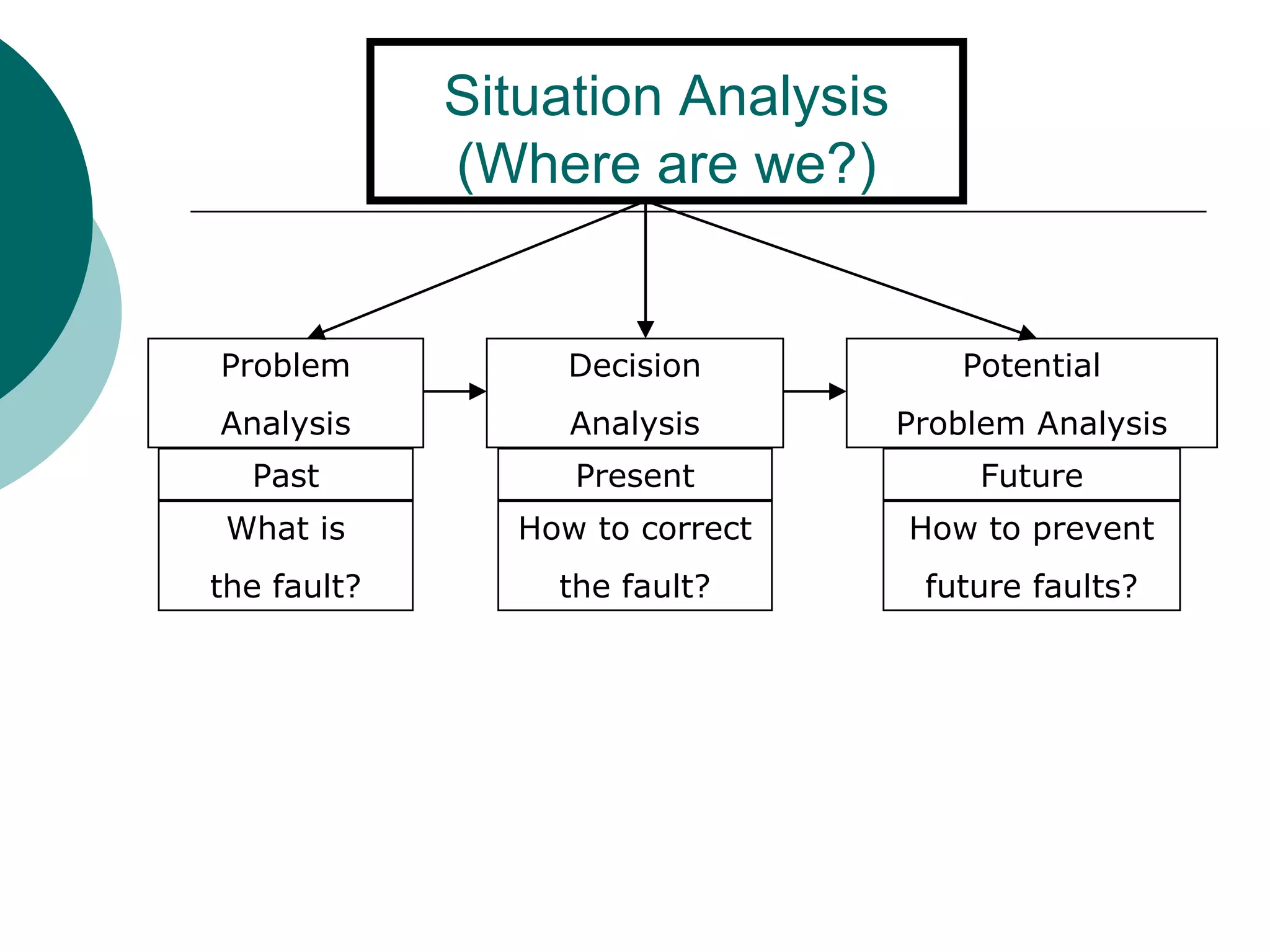
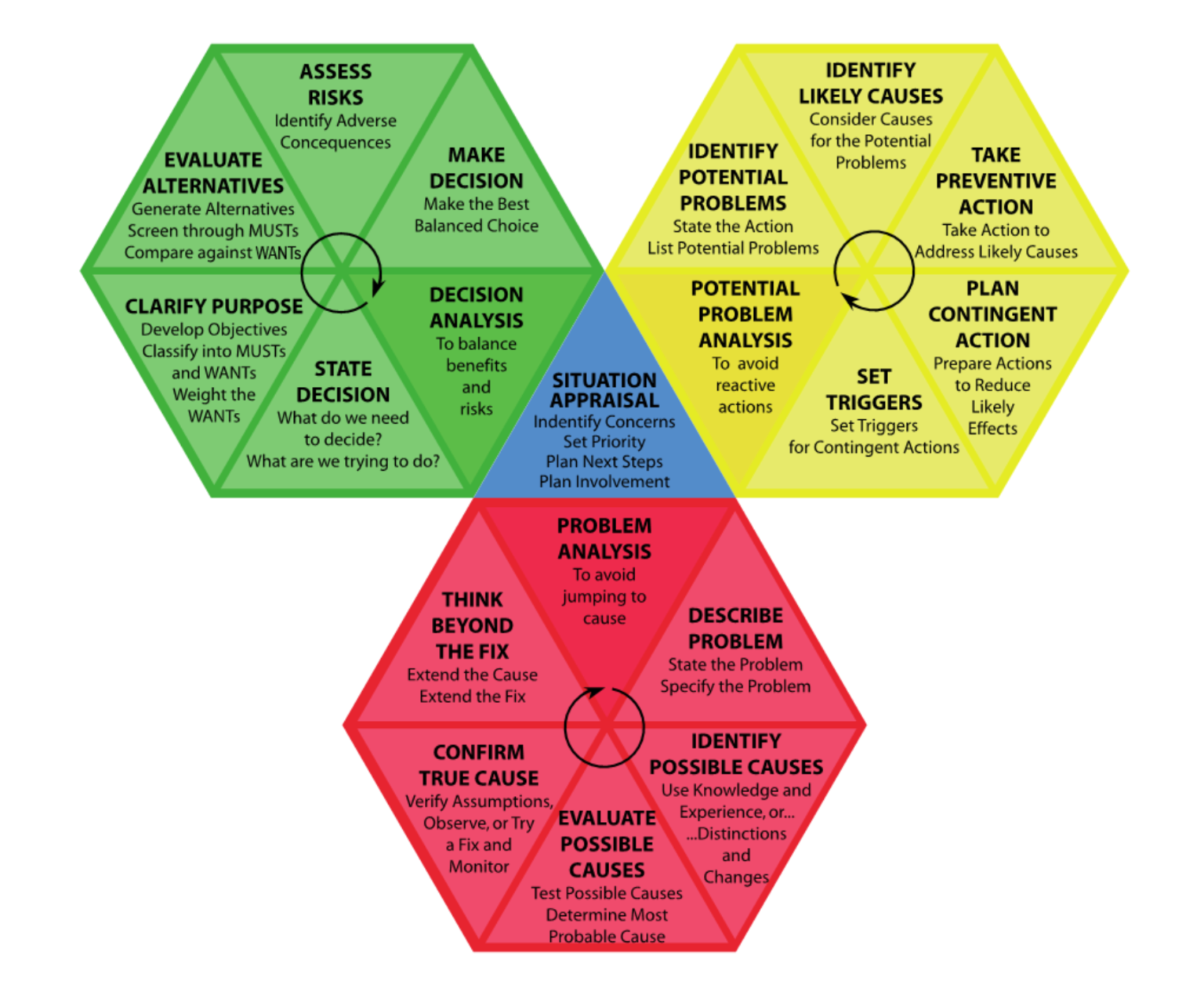
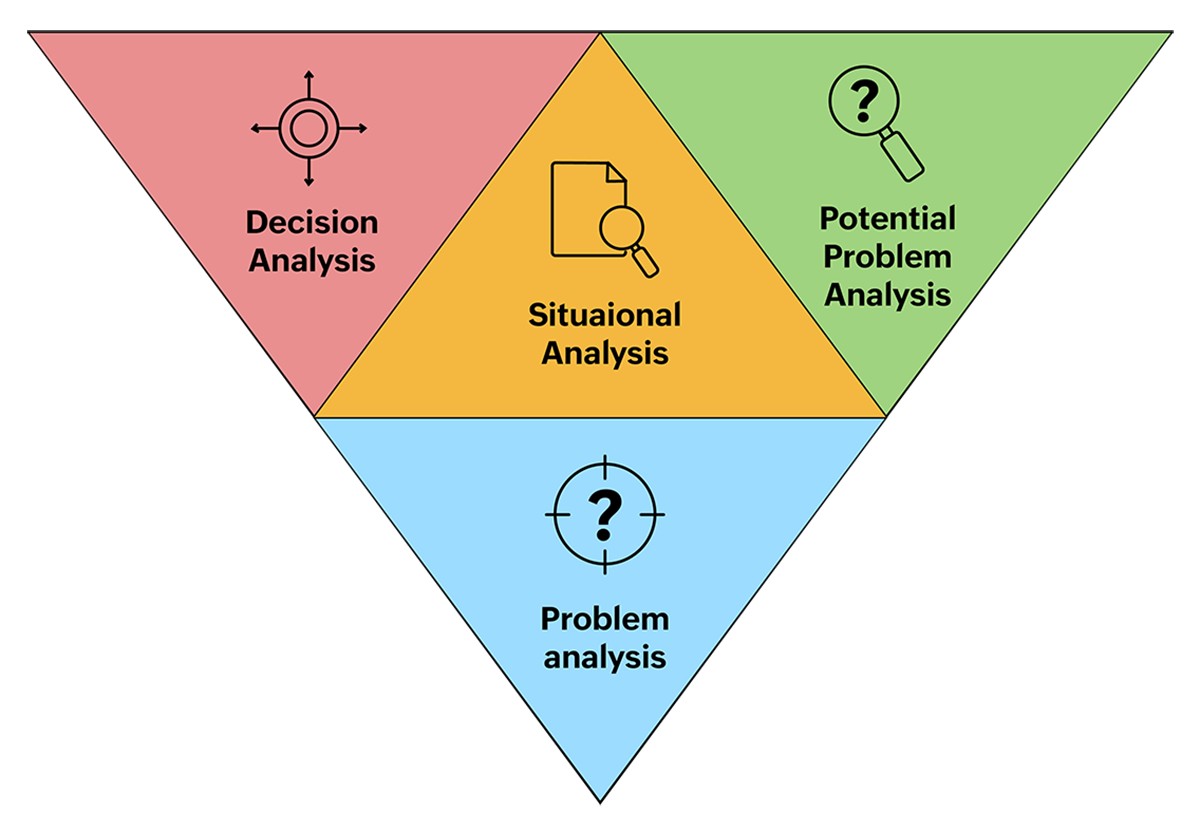
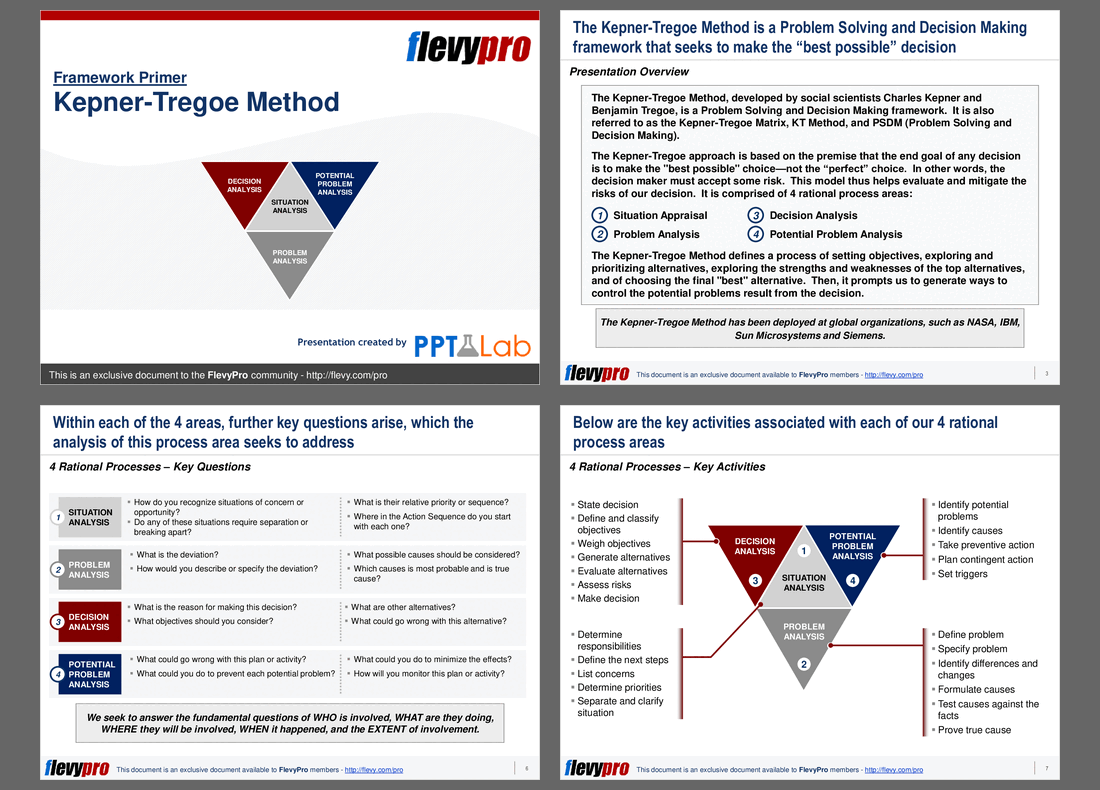
Situation Appraisal
This first block asks, “What’s happening?” and “What’s the impact?” You list the symptoms, prioritize them, and decide which ones need immediate attention. By separating urgent from important, you avoid chasing red herrings.
Problem Analysis
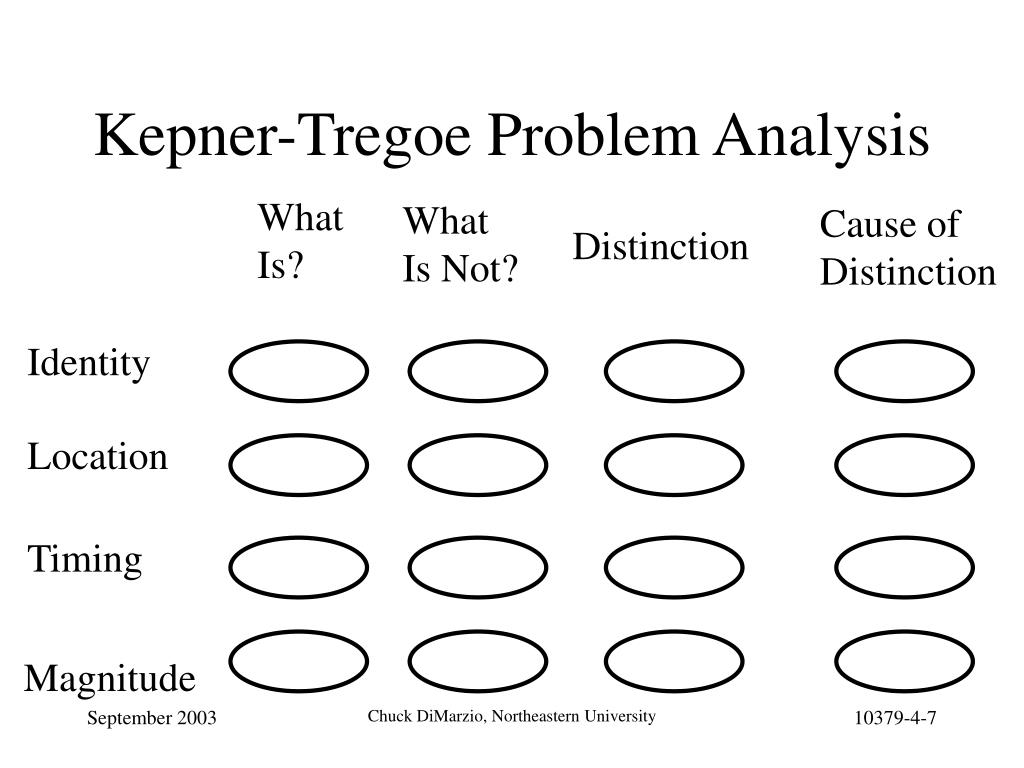
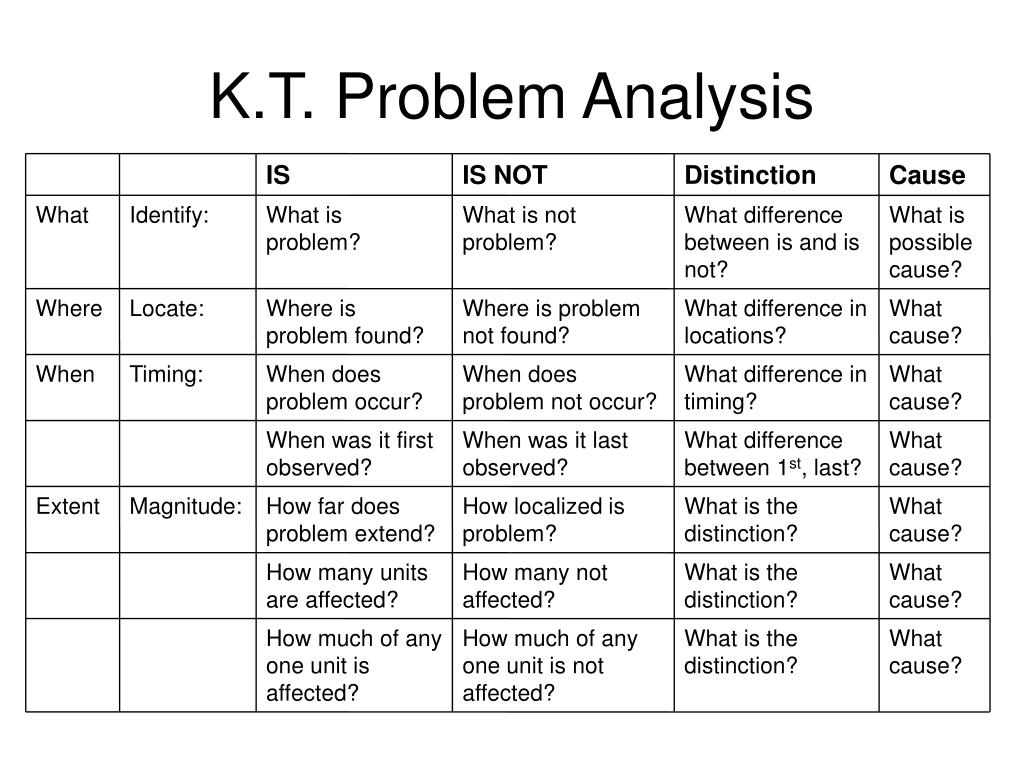
Here you dig deeper: What is the problem? When did it start? Where does it occur? Who is affected? You then compare the “what is” with the “what should be” to pinpoint the gap. The result is a concise problem statement that serves as a north star for the rest of the effort.
Decision Analysis
Once the problem is defined, you generate solution alternatives and evaluate them against a set of criteria—cost, time, risk, alignment with goals, etc. The template guides you to weight each criterion, score each option, and calculate a clear recommendation.
Potential Problem Analysis (PPA)
Before you commit, you ask, “What could go wrong with the chosen solution?” You identify preventive actions and contingency plans, turning a good solution into a robust one.
Step‑by‑Step Guide to Using the Template

Step 1: Gather the Facts
Start by assembling all relevant data—reports, emails, sensor logs, customer complaints. Resist the urge to interpret at this stage; just capture the raw observations. Write them in bullet form, and note the source and timestamp for each item.
Step 2: Conduct Situation Appraisal
Ask yourself four quick questions:
- What is the current situation?
- What are the immediate concerns?
- What are the longer‑term implications?
- What is the desired outcome?
Rank the concerns using a simple high/medium/low scale. This ranking will tell you which symptoms to tackle first.
Step 3: Perform Problem Analysis
Use the classic “4‑W” questions—Who, What, When, Where—plus “Why.” Create a table that lines up each symptom with its possible cause. Then apply the “Difference” technique: compare the situation where the problem occurs with a similar situation where it does not. The differences often reveal the root cause.
Step 4: Draft a Clear Problem Statement
Combine the findings into a single sentence that includes the gap, the impact, and the scope. For example: “The packaging line is producing 15 % more defective units than the target, resulting in a $120 K weekly loss and delayed shipments to three key customers.” This statement will be referenced throughout the analysis.
Step 5: Generate Alternatives
Brainstorm at least three viable solutions. Encourage wild ideas; you can filter later. Document each option with a brief description, required resources, and expected timeline.
Step 6: Set Decision Criteria
Identify the factors that matter most for your organization—cost, implementation speed, risk, scalability, compliance, etc. Assign a weight to each criterion (e.g., 1–5) based on its relative importance.
Step 7: Score Each Alternative
Rate each option against every criterion using a consistent scale (e.g., 1–10). Multiply the rating by the criterion weight, sum the results, and you’ll have a numeric score that points to the best choice.
Step 8: Conduct Potential Problem Analysis
Take the top‑scoring solution and ask, “What could fail?” List possible failure modes, assign a probability and impact rating, and devise preventive actions. Also note contingency steps if the preventive measures fall short.
Step 9: Document the Action Plan
Translate the chosen solution and its safeguards into a concrete plan: tasks, owners, deadlines, and success metrics. A simple table with columns for “Task,” “Owner,” “Due Date,” and “Metric” works well.
Step 10: Review and Communicate
Share the completed template with stakeholders. Walk them through the problem statement, analysis, decision logic, and risk mitigation. This transparency builds trust and ensures everyone is on the same page.
Real‑World Applications and Case Studies
Manufacturing Plant Reduces Defects by 40 %
A mid‑size automotive parts factory faced a sudden spike in scrap rates. Using the Situation Appraisal, the team identified that the defect surge coincided with a new raw‑material supplier. Problem Analysis revealed a temperature variance in the molding process as the root cause. Decision Analysis presented three solutions: recalibrate the molds, switch back to the old supplier, or invest in a new temperature‑control system. After scoring, the team chose to recalibrate the molds—a low‑cost, quick‑win option. A subsequent PPA highlighted the need for a daily temperature log, which was implemented. Within four weeks, defects dropped from 12 % to 7 % and eventually settled at 5 %—a 40 % reduction.
IT Service Desk Cuts Resolution Time in Half
A SaaS company’s support desk struggled with long ticket queues. By applying the template, the team discovered that the bottleneck was not the technical issue itself but an outdated ticket triage process. The Decision Analysis compared three options: hire additional staff, automate triage with AI, or redesign the workflow. The weighted scoring favored workflow redesign because it required minimal investment and promised immediate impact. The PPA warned of resistance from senior agents; a change‑management plan was added. After implementation, average resolution time fell from 6 hours to 2.8 hours, and customer satisfaction scores rose sharply.
Healthcare Provider Improves Patient Flow
A regional hospital experienced chronic ER overcrowding. Situation Appraisal highlighted long wait times during peak hours. Problem Analysis pinpointed a mismatch between physician shift patterns and patient arrival spikes. Decision Analysis evaluated shift realignment, adding a rapid‑assessment unit, and hiring float nurses. The weighted scores selected shift realignment combined with a modest staffing boost. PPA identified potential morale issues; a communication plan and incentives were incorporated. Within three months, average wait times dropped by 30 %, and the hospital avoided costly overtime expenses.
Tips for Customizing the Template to Your Team
Keep It Light at First
If your team is new to structured analysis, start with a condensed version—perhaps just Situation Appraisal and Problem Analysis. As confidence grows, layer in Decision Analysis and PPA.
Use Visual Aids
Flowcharts, cause‑and‑effect diagrams, and simple tables make the template more accessible. Visuals also help remote participants stay engaged during virtual workshops.
Leverage Digital Tools
Spreadsheets, collaborative platforms (e.g., Google Sheets or Microsoft Teams), and specialized problem‑solving software can host the template, enable real‑time edits, and preserve version history.
Assign a Champion
Designate a “template owner” who ensures the document stays updated, facilitates meetings, and trains new members. This role prevents the template from becoming a neglected artifact.
Iterate After Each Use
After completing a project, hold a short retrospective: What worked? What needed clarification? Adjust the template headings, weighting scales, or terminology based on that feedback.
Common Pitfalls and How to Avoid Them
Skipping the Fact‑Finding Phase
Jumping straight to solutions without a solid fact base leads to misdiagnosis. Guard against this by setting a “no‑solution” rule until the fact‑gathering checklist is 100 % complete.
Over‑Weighting Personal Preferences
When scoring alternatives, personal bias can distort the weights. Use a small group of stakeholders to agree on weights, or apply a simple consensus technique like “dot voting” to keep the process democratic.
Neglecting the Potential Problem Analysis
Skipping PPA is a shortcut that often backfires. Even a brief risk checklist—identifying probability, impact, and mitigation—can catch hidden flaws before they become costly failures.
Allowing Scope Creep
If new issues emerge during analysis, resist the urge to expand the problem statement dramatically. Instead, note them as “future considerations” and keep the current scope tight to maintain momentum.
Failing to Communicate Outcomes
A well‑crafted analysis is useless if no one sees the final plan. Schedule a short debrief, circulate the completed template, and track progress against the defined metrics to close the loop.
Tools and Resources to Enhance Your Analysis
Spreadsheet Templates
Many free downloadable Excel or Google Sheets templates mirror the Kepner Tregoe structure. Look for versions that include pre‑built weighting formulas and conditional formatting for quick visual cues.
Collaboration Platforms
Platforms like Miro or Lucidchart let you map cause‑and‑effect diagrams in real time, which pairs nicely with the Problem Analysis stage.
Training Courses
Several online providers offer short courses on the Kepner Tregoe method, often with interactive case studies. Investing a few hours in formal training can dramatically reduce the learning curve for new team members.
Books and Guides
The original “Kepner‑Tregoe Rational Decision‑Making” book remains a solid reference. Complement it with modern guides that apply the method to agile environments and digital transformation projects.
Conclusion
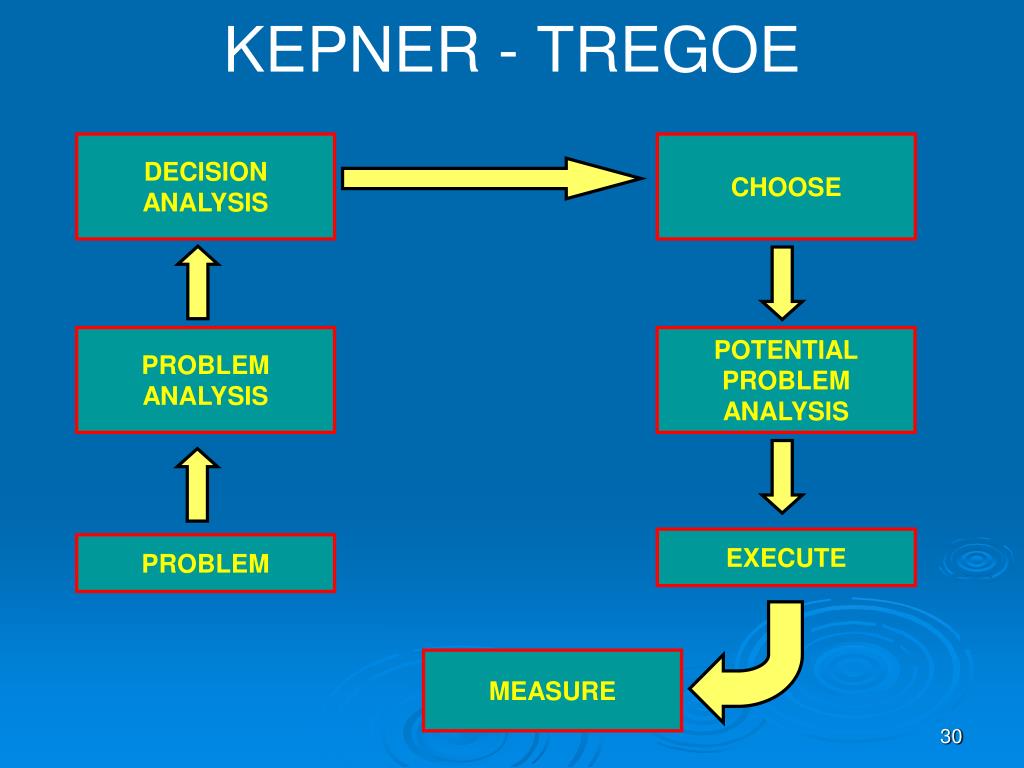
The Kepner Tregoe Problem Analysis Template is more than a checklist—it’s a mindset that turns ambiguity into clarity, risk into opportunity, and isolated data points into a cohesive action plan. By following the structured steps—starting with factual gathering, moving through Situation Appraisal, Problem Analysis, Decision Analysis, and Potential Problem Analysis—you can consistently arrive at solutions that are both effective and resilient. Real‑world case studies show that organizations across manufacturing, IT, and healthcare reap measurable gains when they embed this template into their problem‑solving culture. Customize the tool to fit your team’s size and maturity, guard against common shortcuts, and use modern collaboration tools to keep the process fluid and engaging. With disciplined practice, you’ll find that even the most tangled problems become manageable puzzles, and you’ll navigate them with confidence and speed.