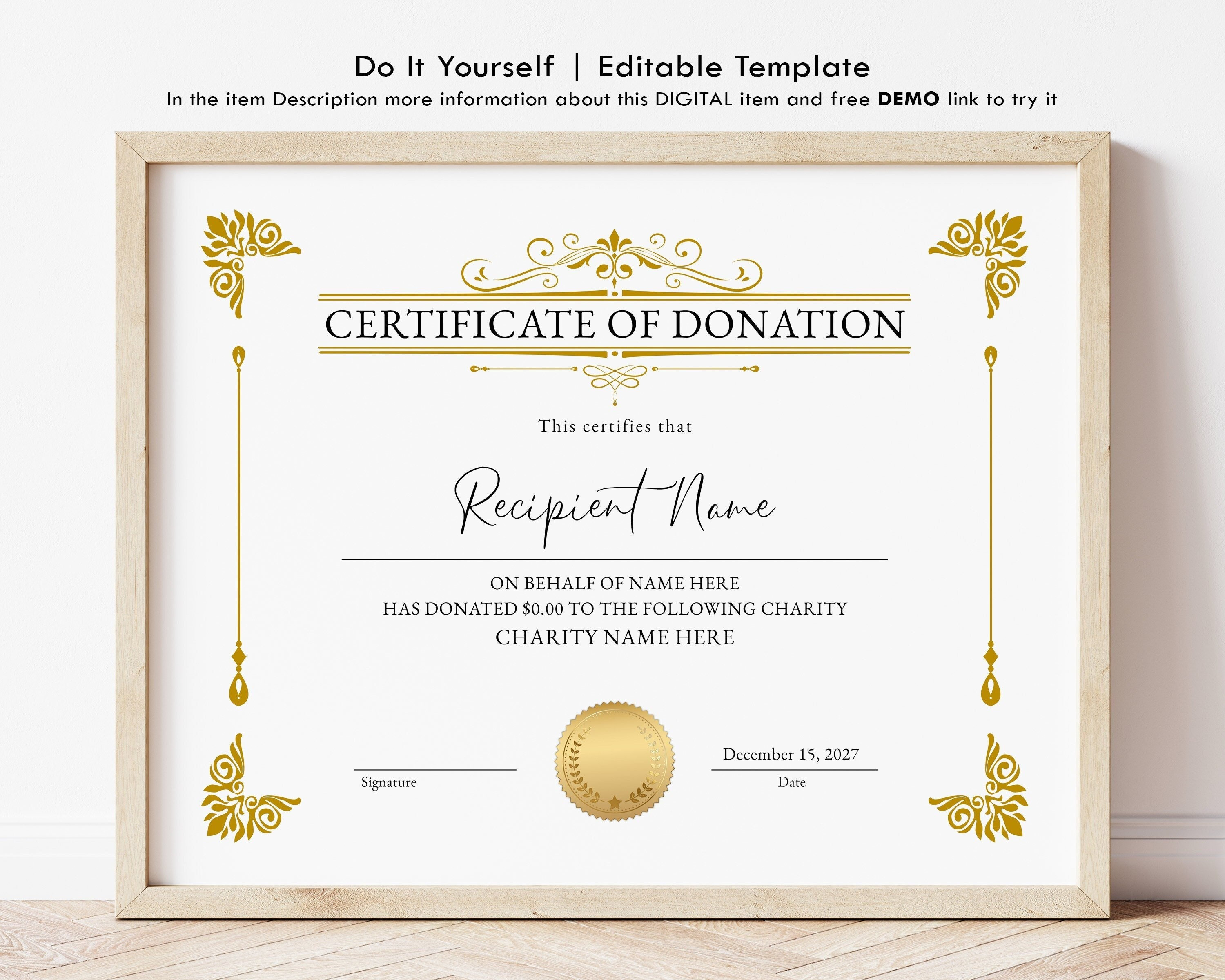
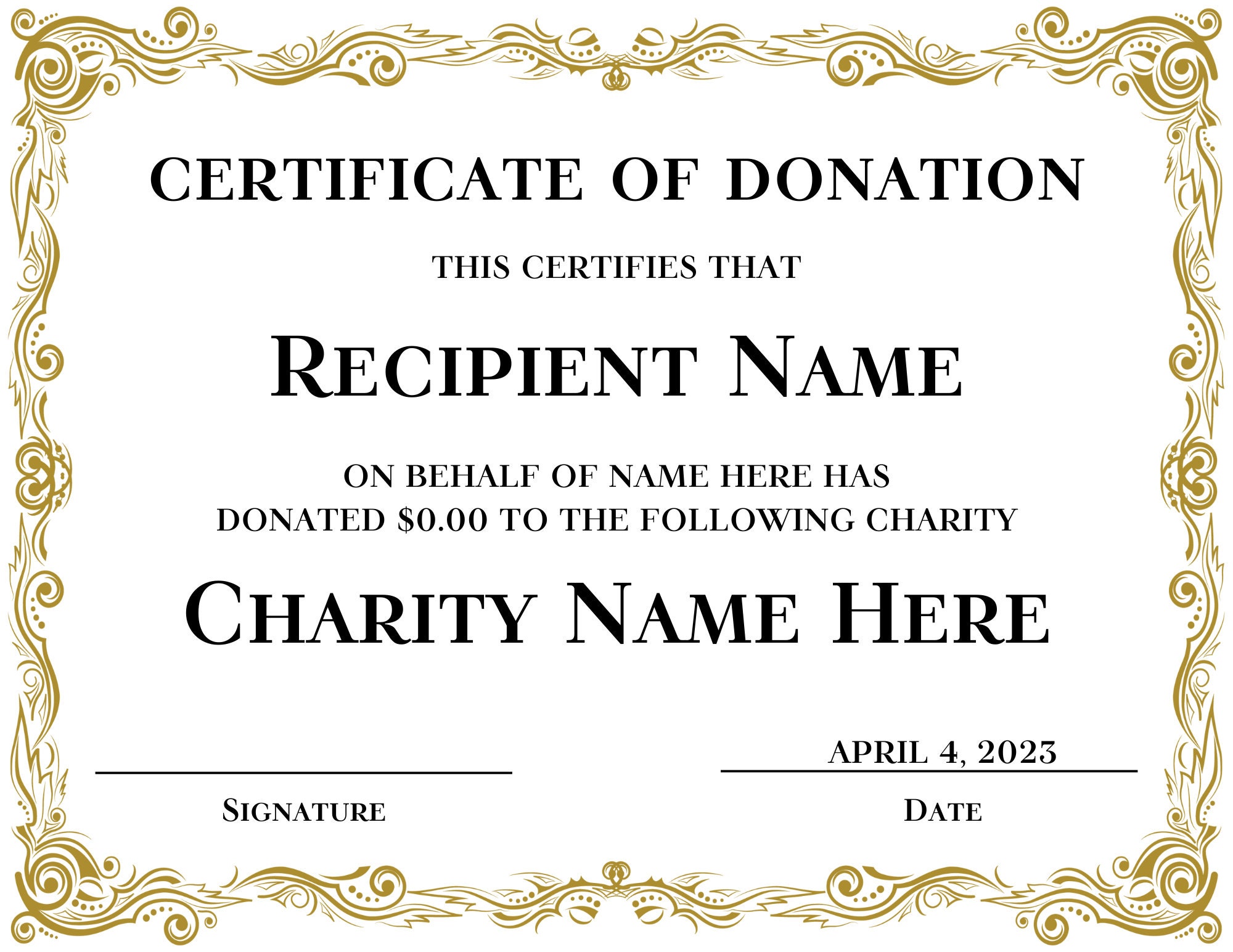
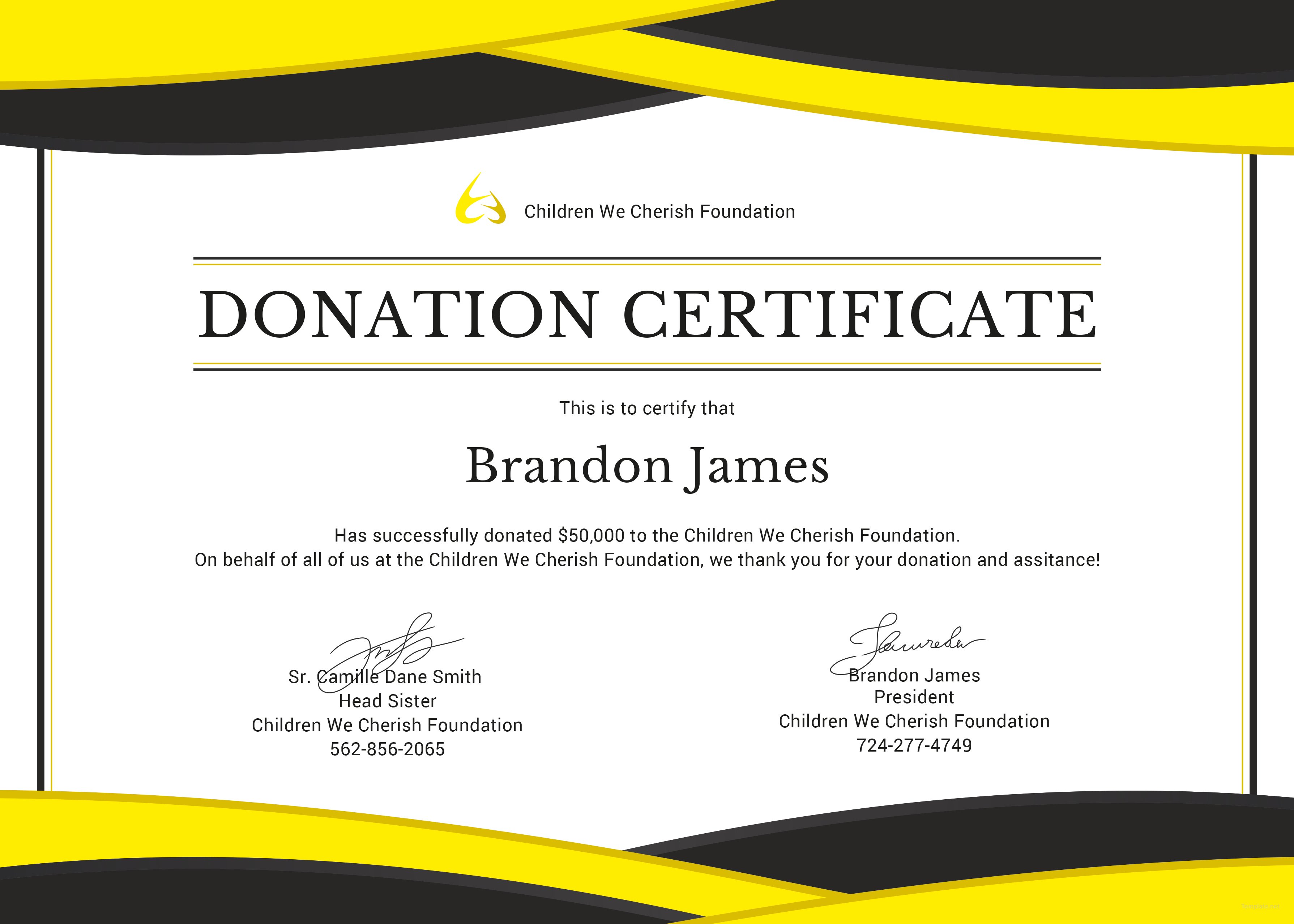
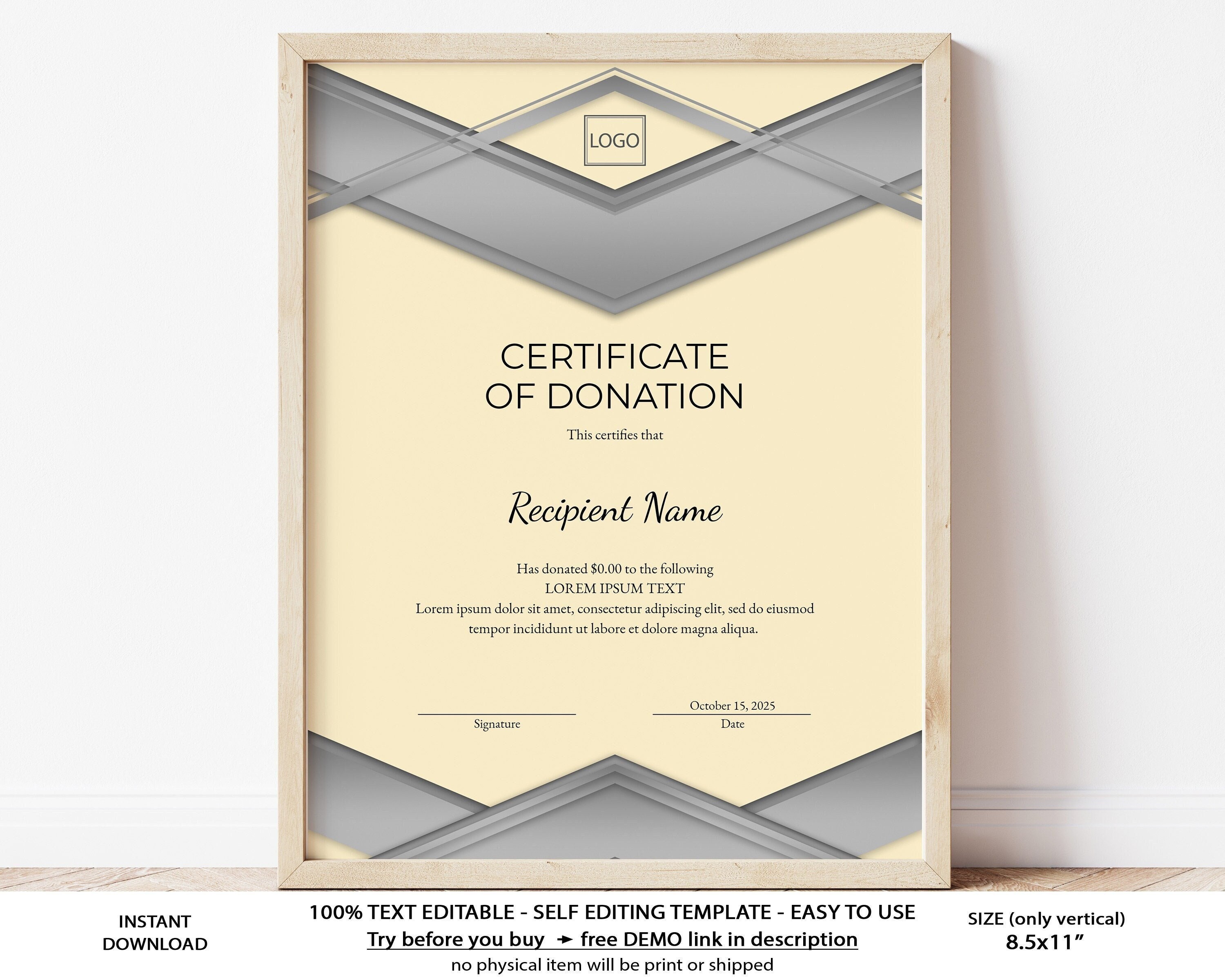
Donation Certificate Template plays a pivotal role in acknowledging and rewarding donors, while also providing a vital tax‑deduction record for charitable organizations. By presenting donors with a polished, professionally designed certificate, nonprofits can strengthen relationships, reinforce credibility, and streamline compliance.
What Is a Donation Certificate Template and Why It Matters

Definition
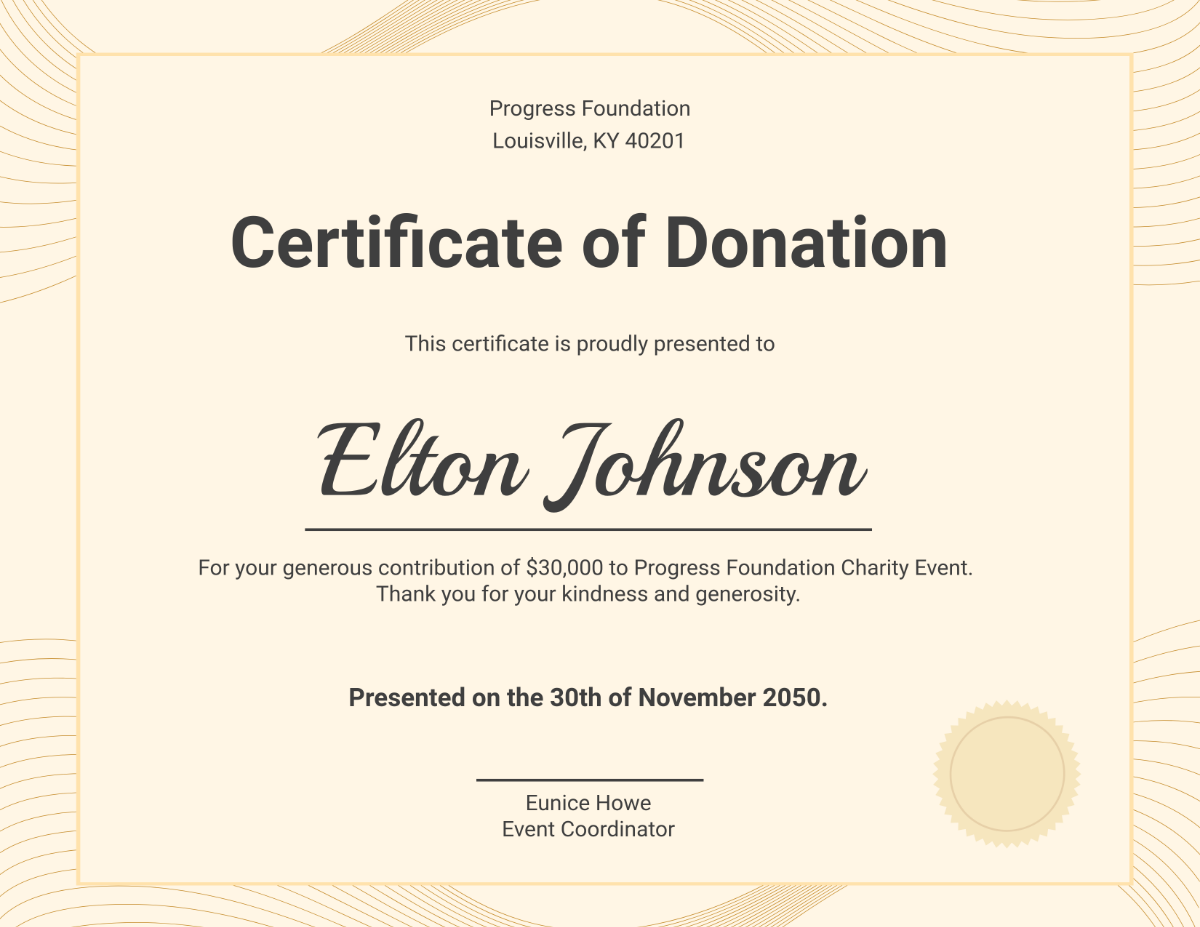
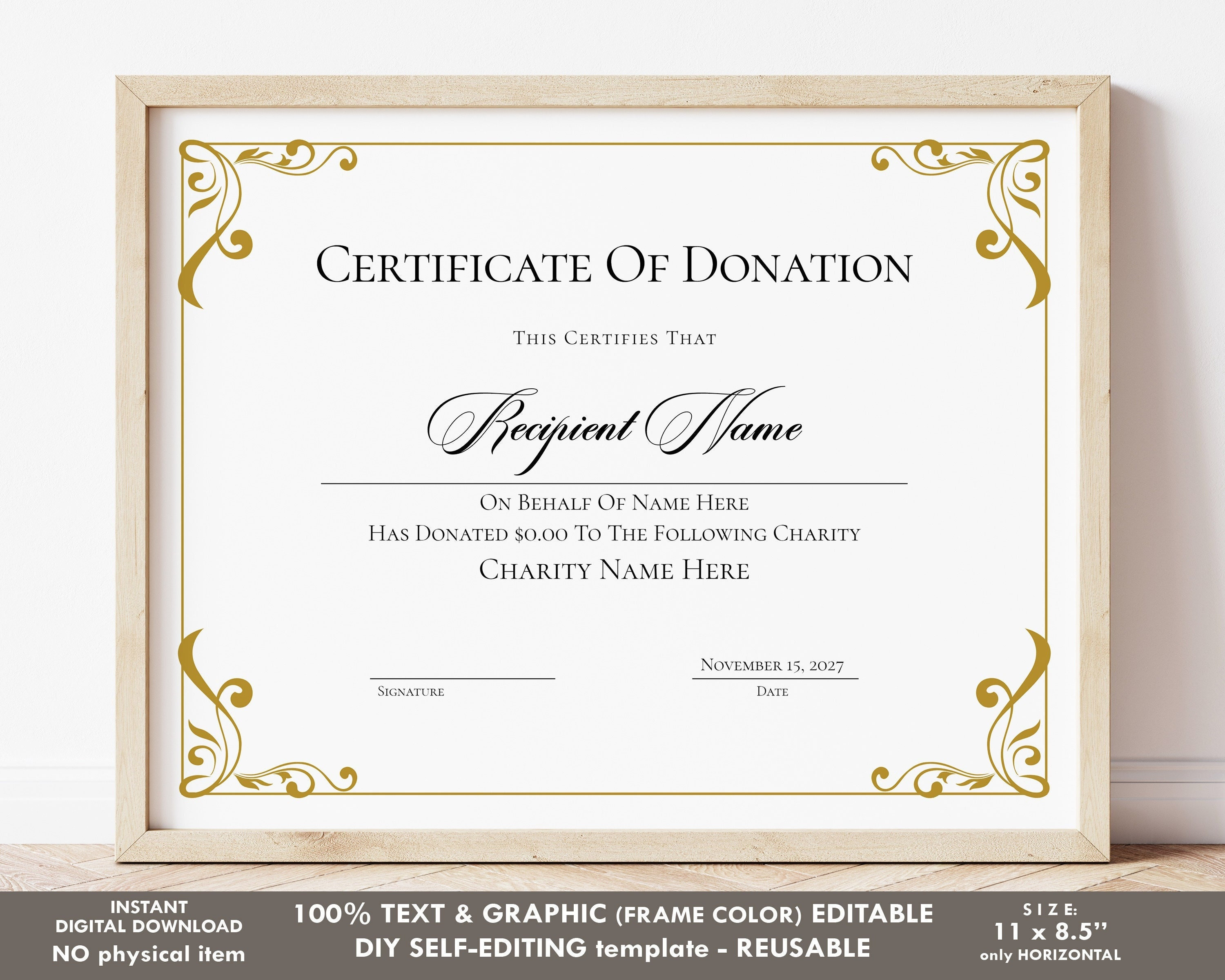
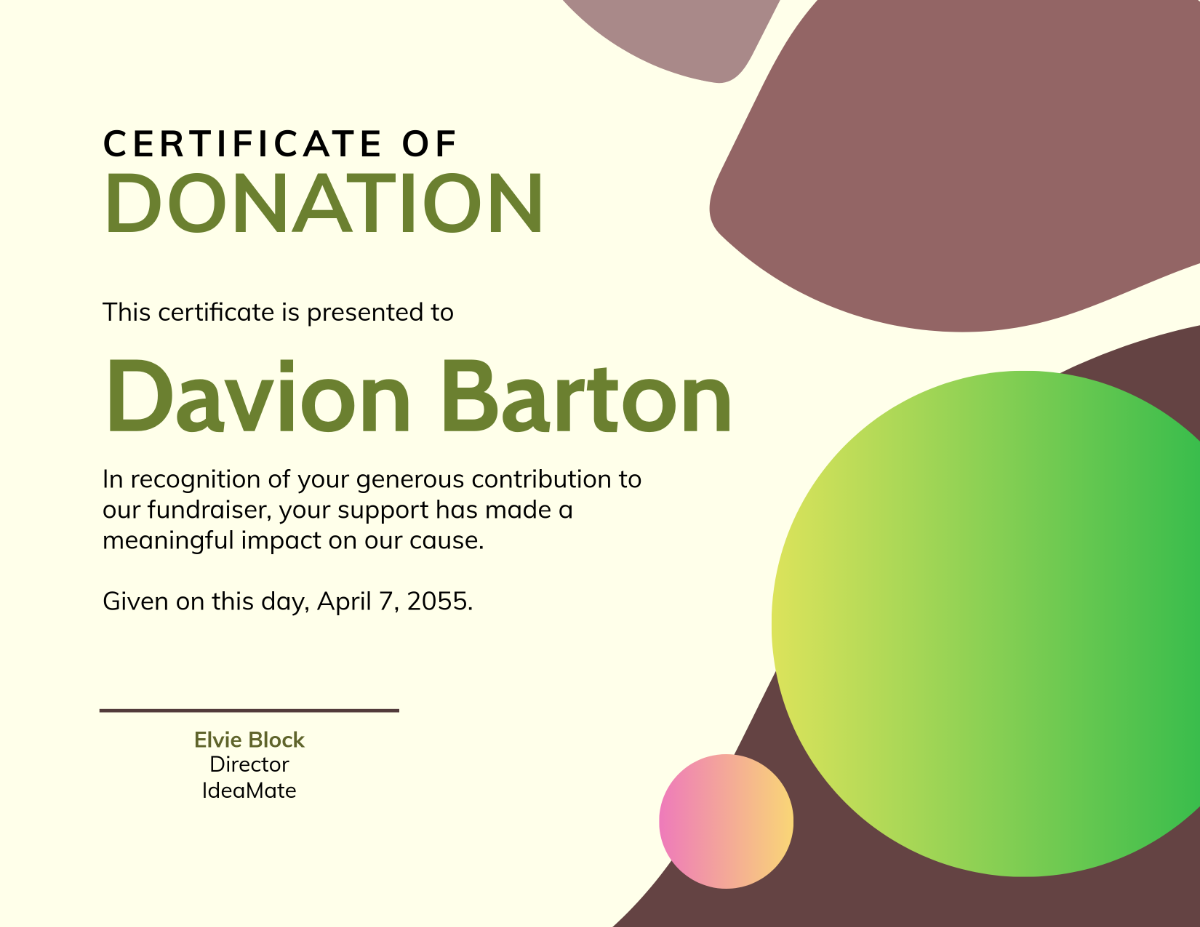
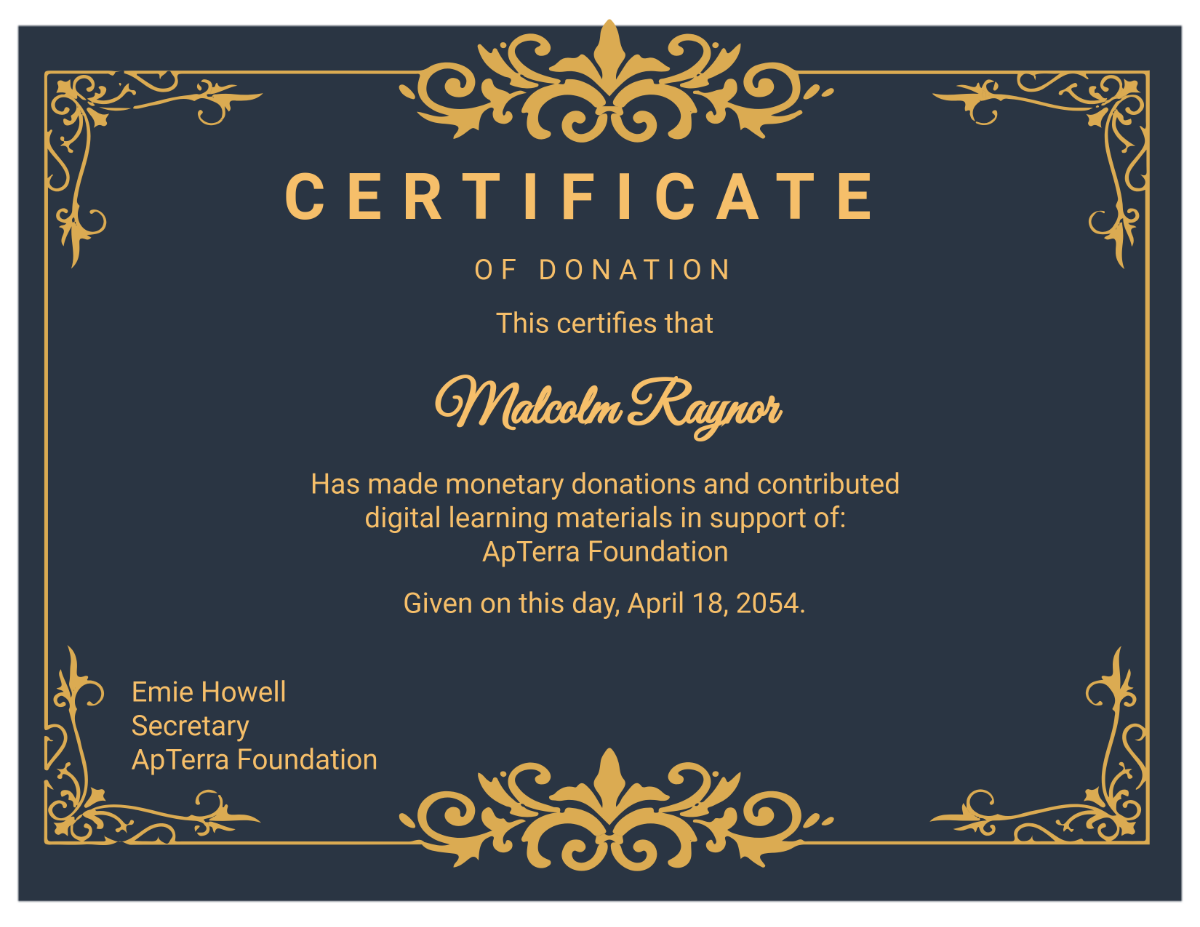
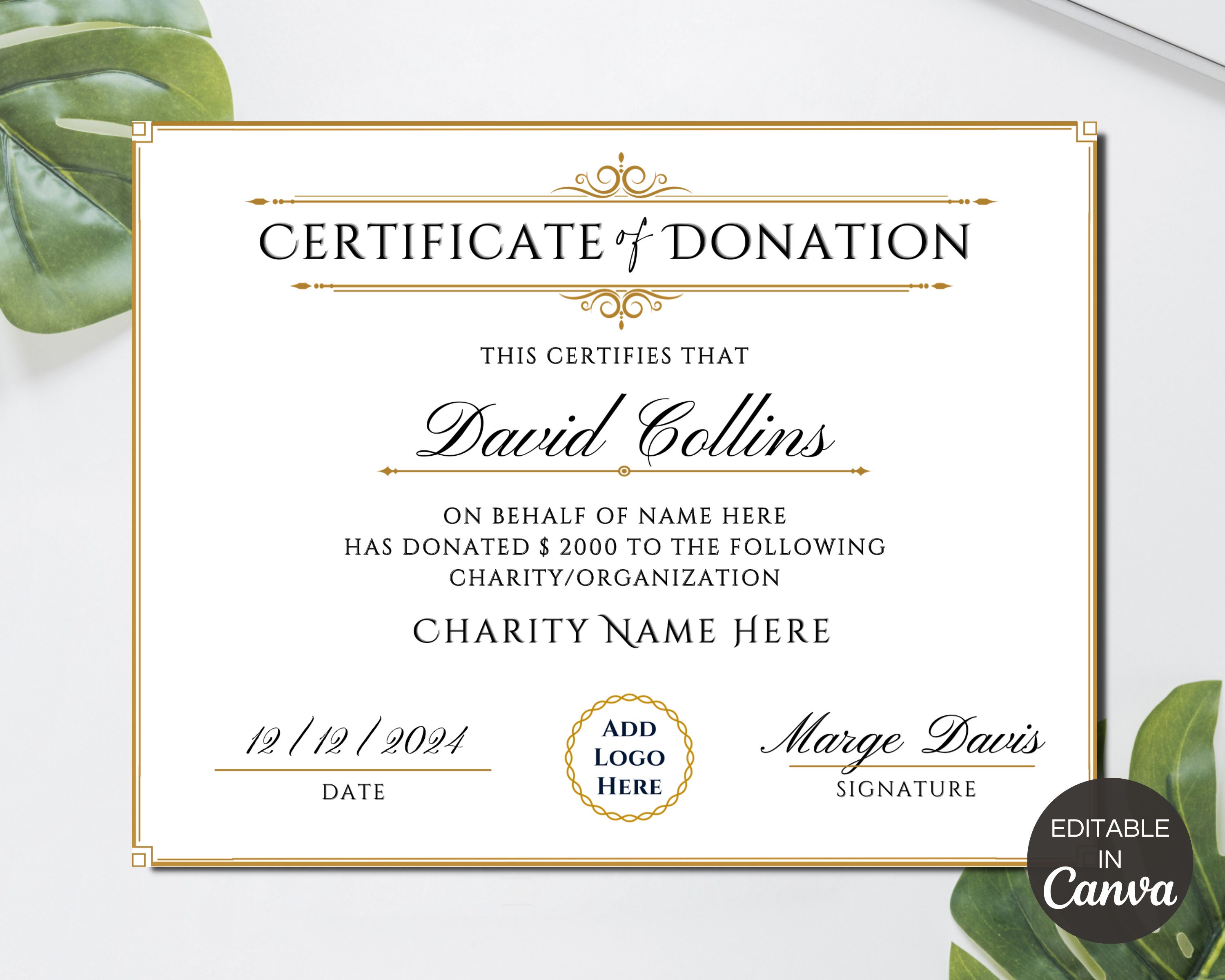
A donation certificate template is a pre‑designed, editable document that outlines key information—such as the donor’s name, donation amount, date, and purpose—alongside the organization’s branding. Once populated with specific details, it serves as an official acknowledgment that can be issued in print or electronically.
Key Features
- Brand Cohesion: Includes logo, color palette, and typography that align with the organization’s visual identity.
- Custom Fields: Editable sections for donor name, amount, project, and signature.
- Legal Compliance: Space for tax exemption statements, nonprofit registration numbers, and acknowledgment of non‑taxable items.
- Export Flexibility: Available in PDF, DOCX, or image formats for diverse distribution channels.
- Reusability: Designed for multiple donations, allowing quick duplication with minimal effort.
Benefits of Using a Donation Certificate Template for Nonprofits
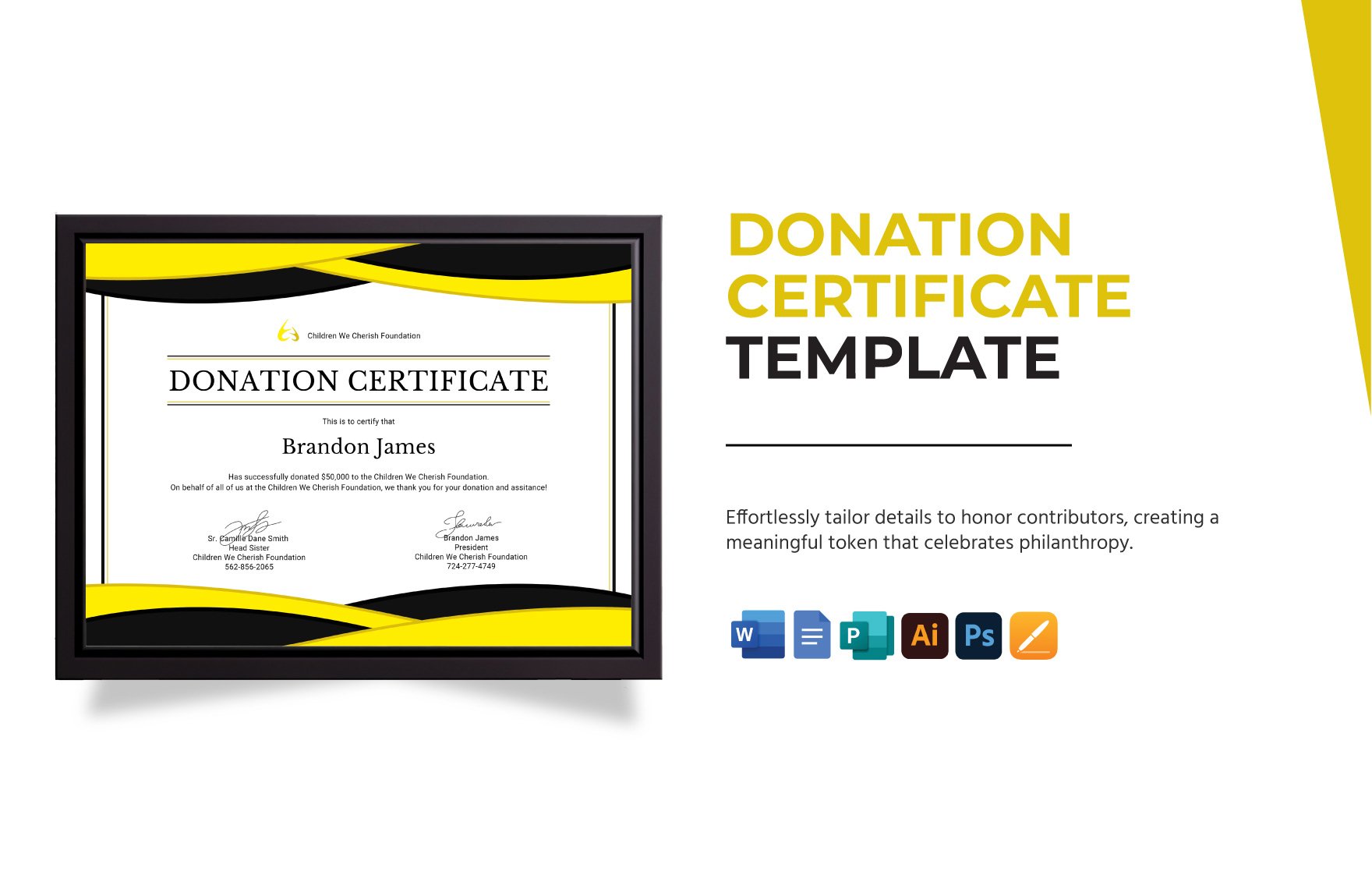
Professional Image and Trust
When donors receive a clean, well‑crafted certificate, it signals that the organization values transparency and professionalism. This perception boosts donor confidence, encouraging repeat giving and word‑of‑mouth referrals.
Time and Cost Savings
Creating certificates from scratch demands graphic design expertise, which may be costly. A template eliminates design time, allowing staff to focus on fundraising strategies instead of layout work.
Compliance and Record Keeping
Donation certificates serve as proof for donors’ tax deductions. By embedding required legal language—such as the nonprofit’s tax ID and acknowledgment of non‑taxable goods—templates help avoid audit pitfalls and maintain meticulous records.
Choosing the Right Donation Certificate Template

Design Elements that Convey Credibility
Opt for a clean layout with ample white space, a prominent logo, and consistent fonts. Avoid overly bright colors that may distract; subdued hues convey seriousness and reliability.
Customizable Fields and Branding
Ensure the template offers editable text boxes for donor details, donation amounts, and project descriptions. Branding elements—color schemes, fonts, and imagery—should be easily swapped to match campaign variations.
Formats and Compatibility
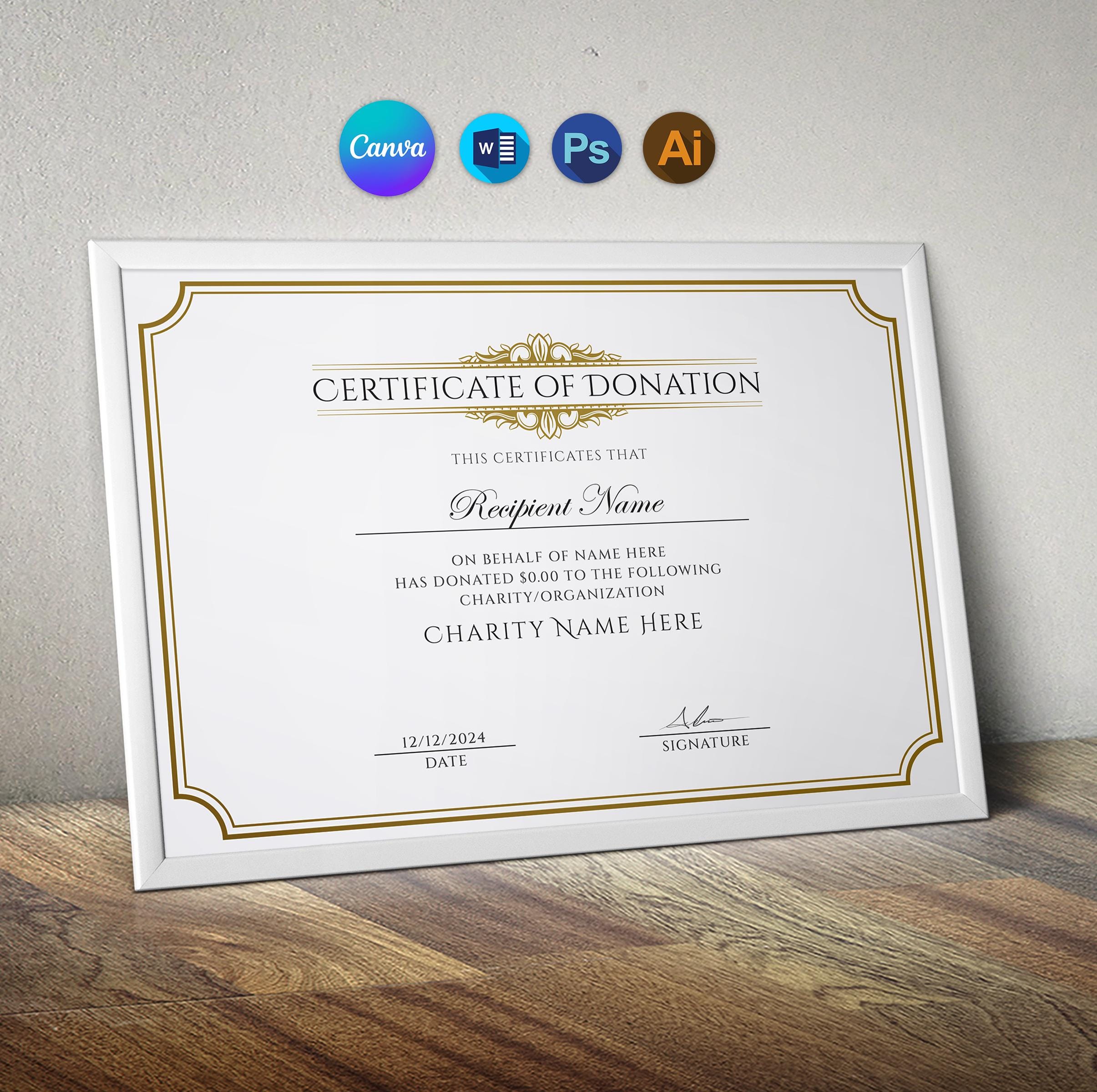
Templates should export to universally accessible formats like PDF and DOCX. Additionally, consider SVG or AI versions for high‑resolution printing. Verify that the template works across popular design tools such as Adobe Illustrator, Canva, and Microsoft Word.
Step‑by‑Step Guide to Creating a Donation Certificate
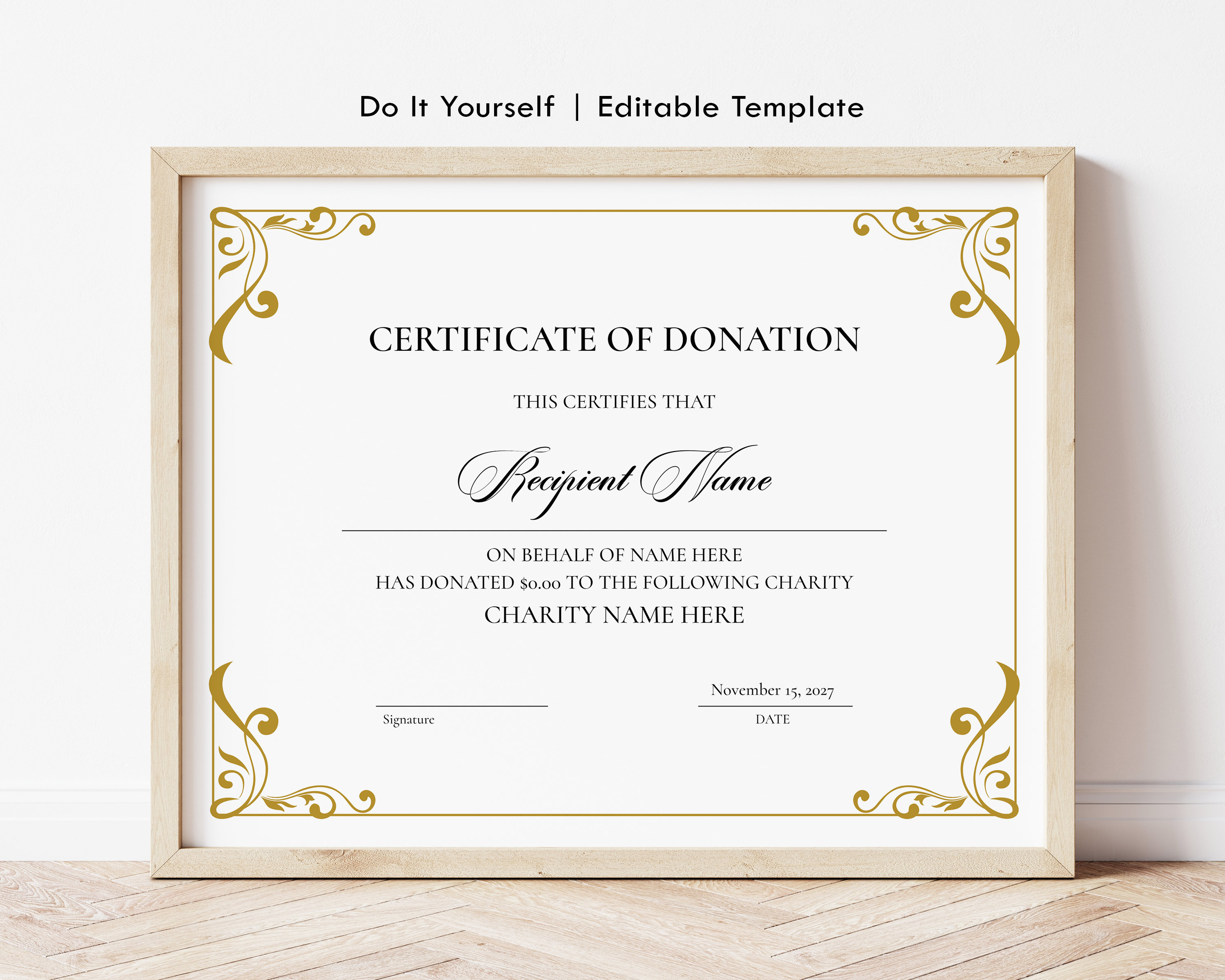
Gathering Essential Information
Before designing, compile the following details for each donor: full name, address, donation amount, date, purpose, and any tax‑exemption statements required by local law. Maintain a secure spreadsheet or donor database to streamline data entry.
Designing the Layout in a Design Tool
Open the selected template in your preferred software. Adjust the header to include the organization’s logo and contact information. Position the donor’s name prominently, followed by the donation amount and purpose. Use a legible serif font for body text and a contrasting heading font for emphasis.
Adding Legal and Tax Information
Insert the nonprofit’s EIN, registration number, and a disclaimer such as “No goods or services were provided in exchange for this contribution.” Add a section for the donor’s signature, which may be handwritten on paper or digitally signed via e‑signature platforms.
Printing and Distribution Options
For physical certificates, choose high‑quality cardstock (120–140 lb) and consider a matte or semi‑gloss finish. For digital delivery, compress PDFs to a manageable file size (under 2 MB) without compromising clarity. Verify that the design retains fidelity across devices.
Digital Delivery and Record Management
Send certificates via email using personalized subject lines (“Your Donation Certificate – [Organization]”). Store PDF copies in a secure, backed‑up folder tagged by donor ID. Utilize donor management software to auto‑populate fields and automate distribution.
Real‑World Examples of Donation Certificate Templates in Action
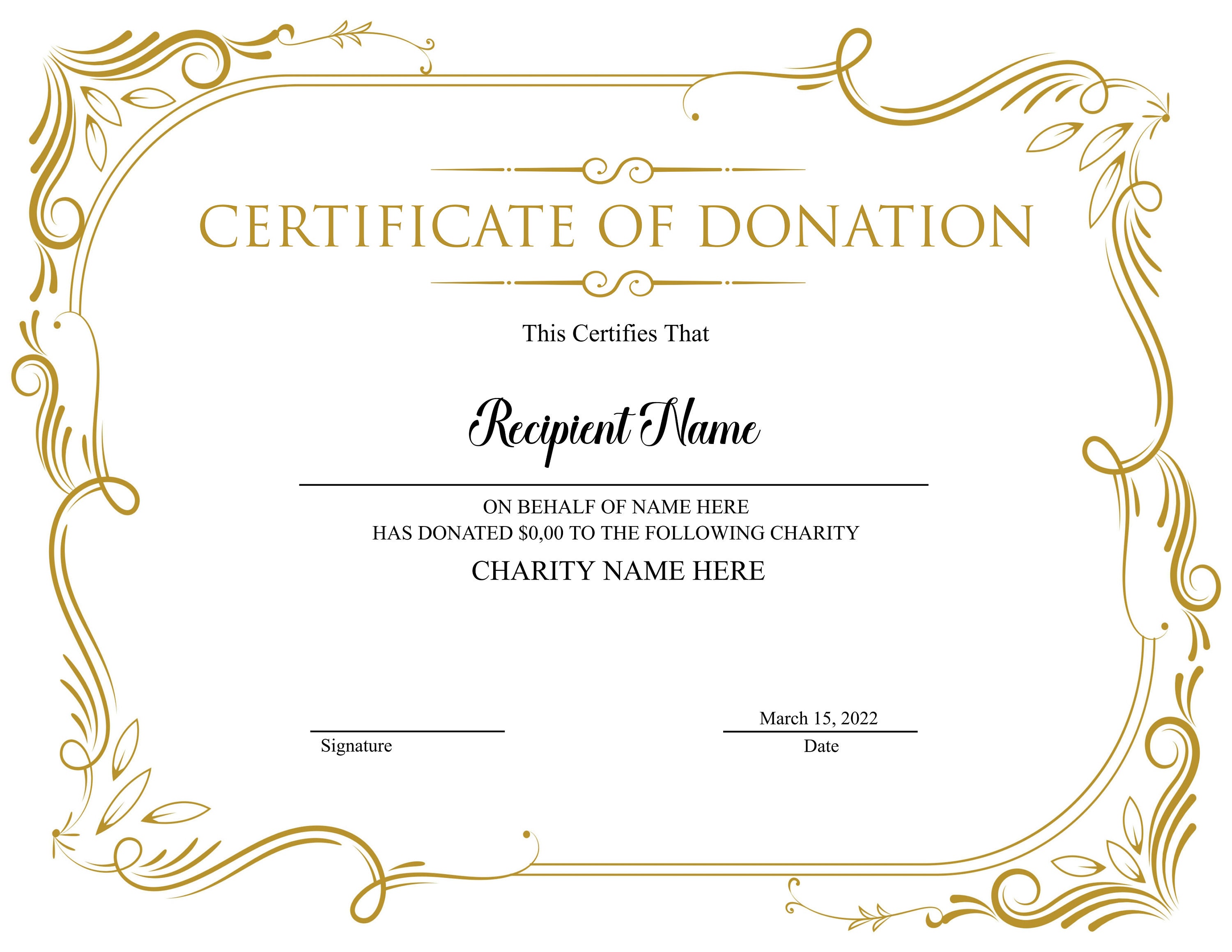
Case Study 1: Small Charity
Green Earth Outreach, a local environmental nonprofit, uses a simple template featuring a leaf motif and earthy colors. For each quarterly donation, staff fills in donor names and amounts, prints on recycled cardstock, and hands out certificates at community events. The tangible tokens reinforce community ties and inspire repeat giving.
Case Study 2: Corporate Sponsorship
TechForward Initiative, a STEM education program, partners with corporate sponsors. Its certificate template includes a dual‑logo header and a “Corporate Sponsor” badge. Digital certificates are emailed instantly, while printed copies accompany thank‑you letters in a premium envelope. The polished presentation strengthens corporate relations and showcases brand alignment.
Common Mistakes to Avoid
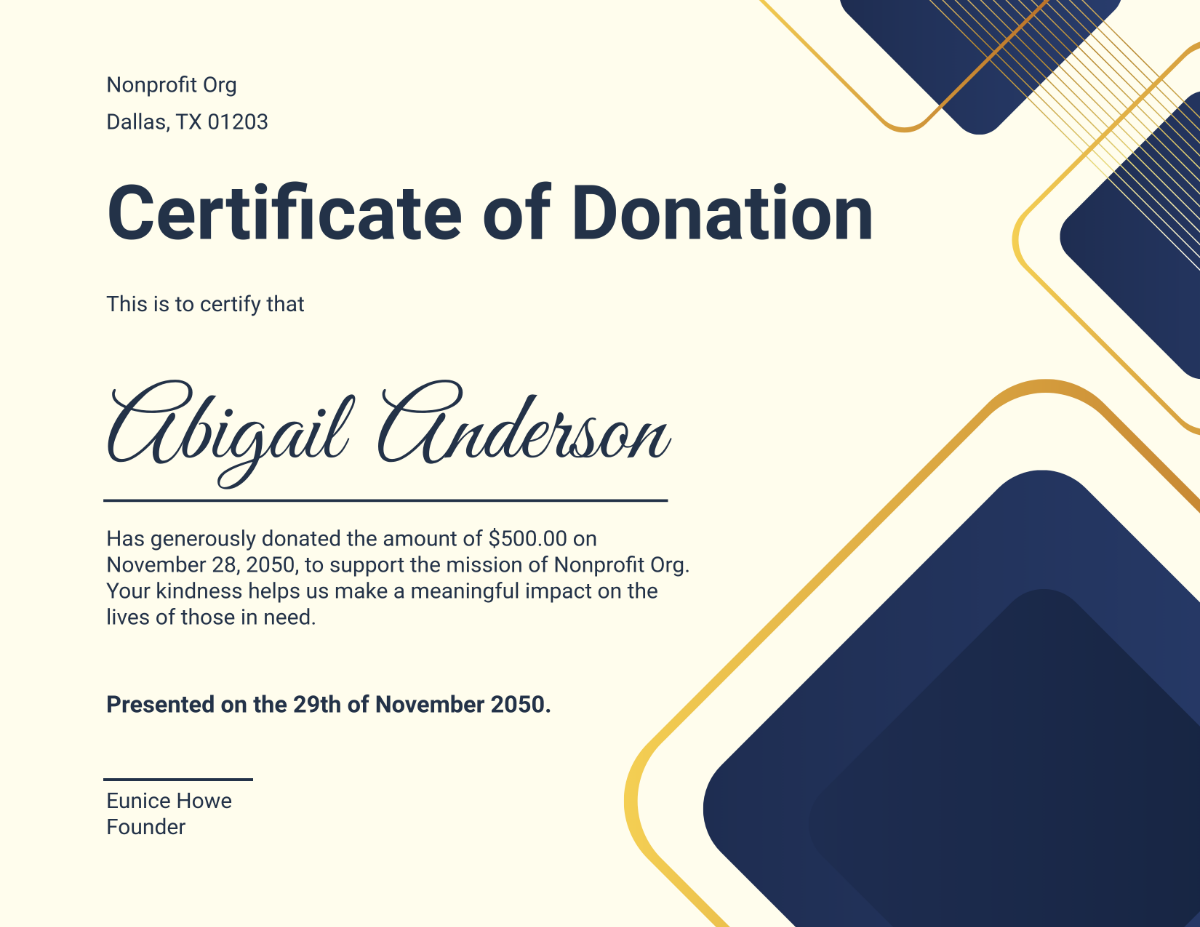
Overloading Design
Cluttering the certificate with excessive text or graphics can obscure key information. Keep the layout focused: donor name, donation amount, and the organization’s essential details.
Neglecting Legal Requirements
Failing to include required tax statements or proper registration numbers can jeopardize donor deductions and expose the organization to regulatory scrutiny. Always verify current nonprofit disclosure laws before finalizing the template.
Ignoring Accessibility
Designs with low contrast, tiny fonts, or inaccessible color combinations hinder readability for visually impaired donors. Ensure a minimum contrast ratio of 4.5:1 and use accessible font sizes (≥11 pt). Provide a high‑contrast alternative for digital certificates.
Best Practices for Maintaining a Donation Certificate System
Version Control and Archiving
Maintain a clear version history of certificate templates. Archive older versions in a separate folder with dates to prevent accidental use of outdated legal language.
Training Staff and Volunteers
Conduct brief training sessions on how to populate templates accurately, handle signature collection, and store certificates securely. Empower volunteers with easy‑to‑follow checklists.
Leveraging Automation Tools
Integrate donor databases with design platforms using API connections. Automate data population so that each certificate pulls donor information directly, reducing manual errors and speeding up processing times.
Conclusion
In the nonprofit arena, a well‑crafted Donation Certificate Template is more than a decorative item—it’s a strategic asset that elevates donor relations, ensures legal compliance, and optimizes operational efficiency. By selecting a template that balances design elegance with functional fields, rigorously following legal guidelines, and streamlining distribution through automation, organizations can deliver meaningful acknowledgments that resonate with donors and strengthen their mission’s impact. Ultimately, a thoughtful certificate program cultivates trust, encourages recurring support, and positions the nonprofit for sustained growth and community influence.