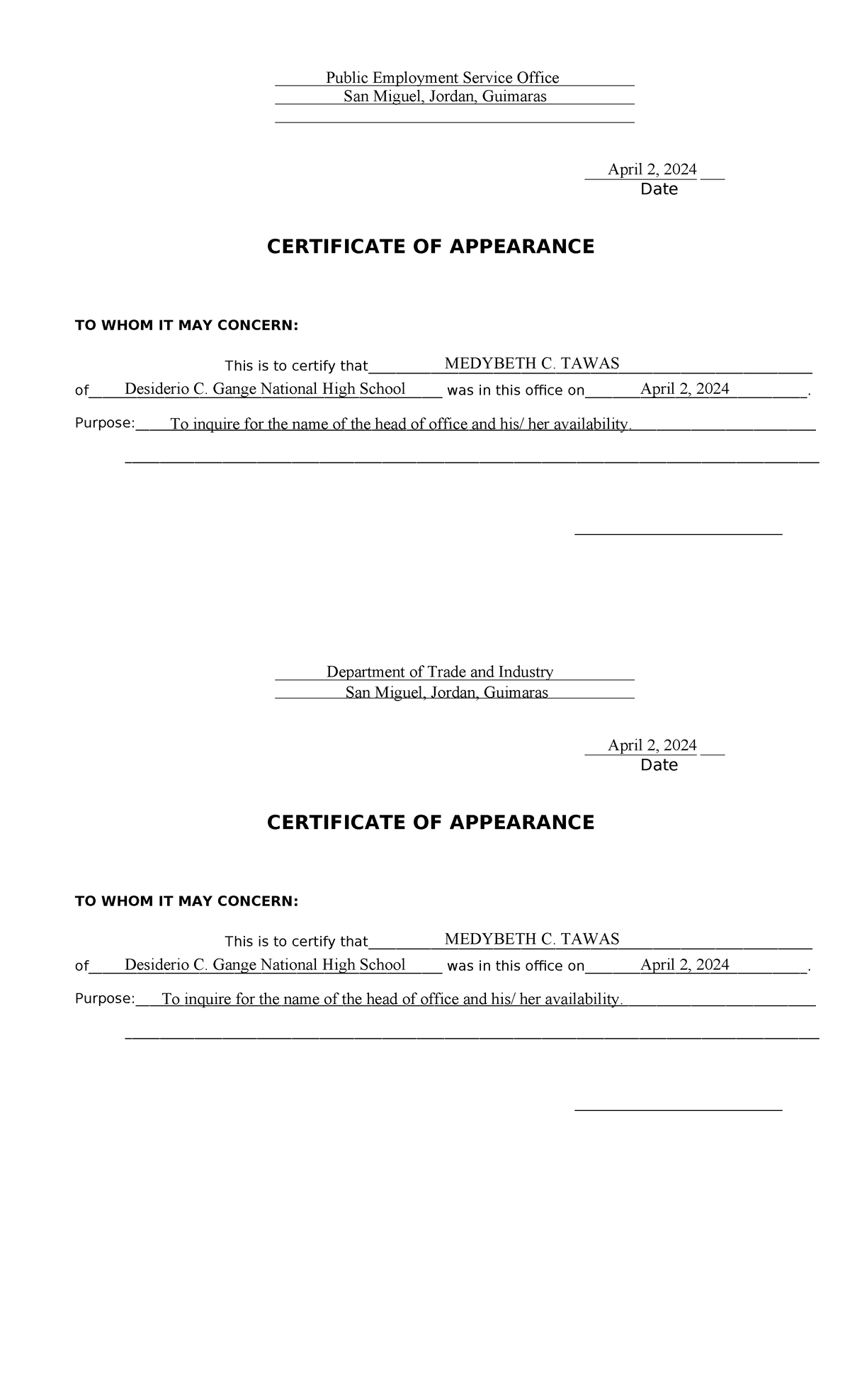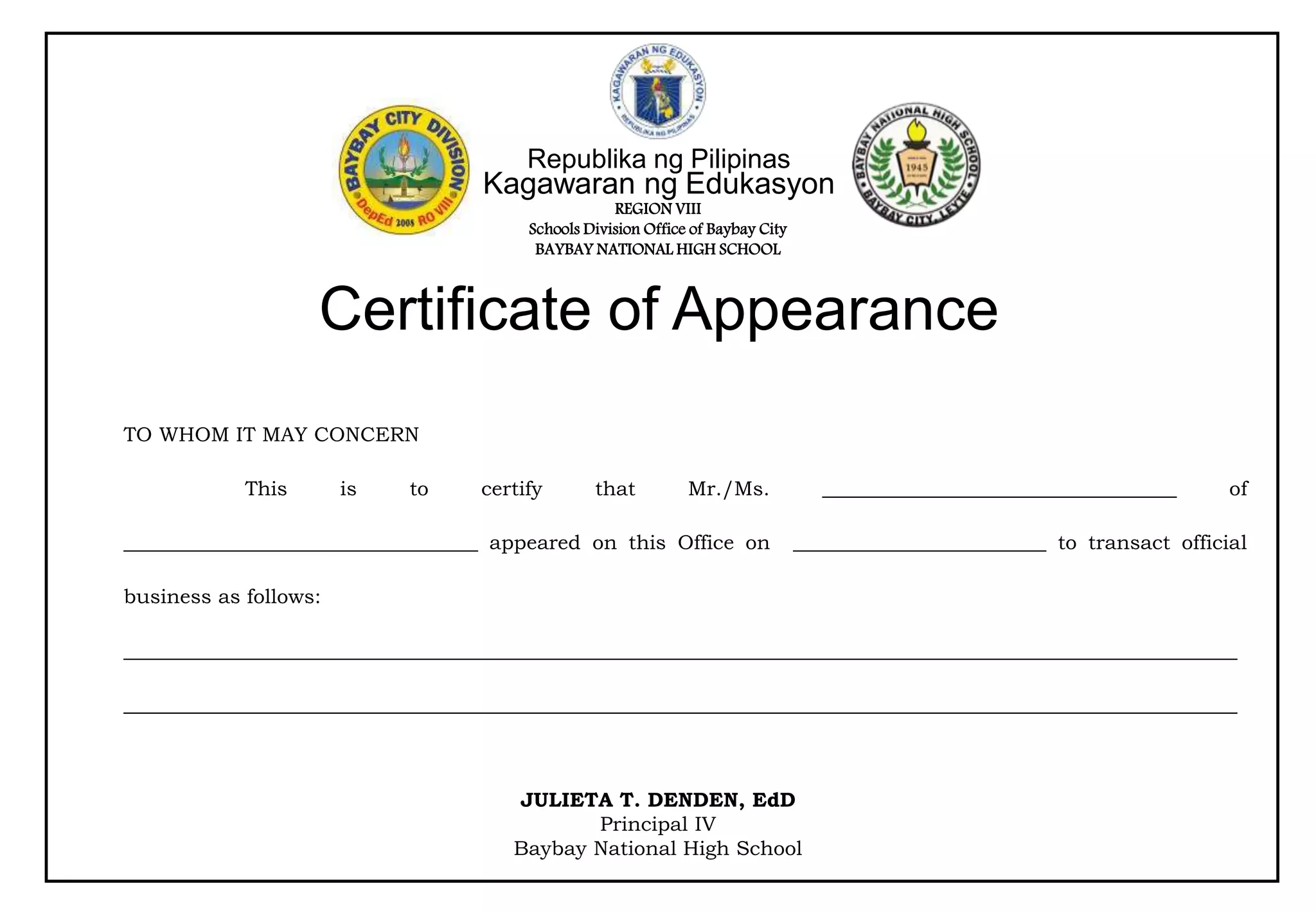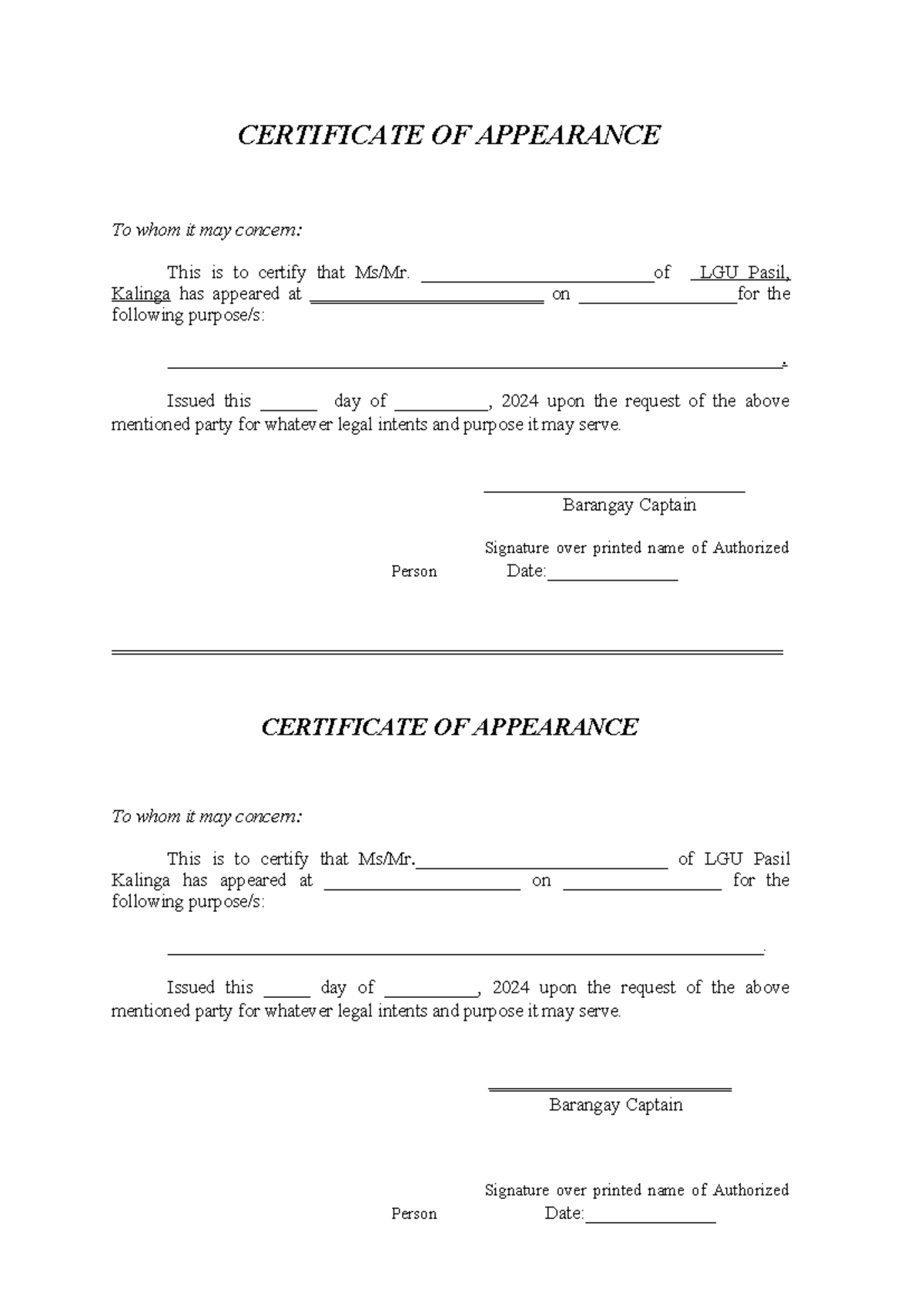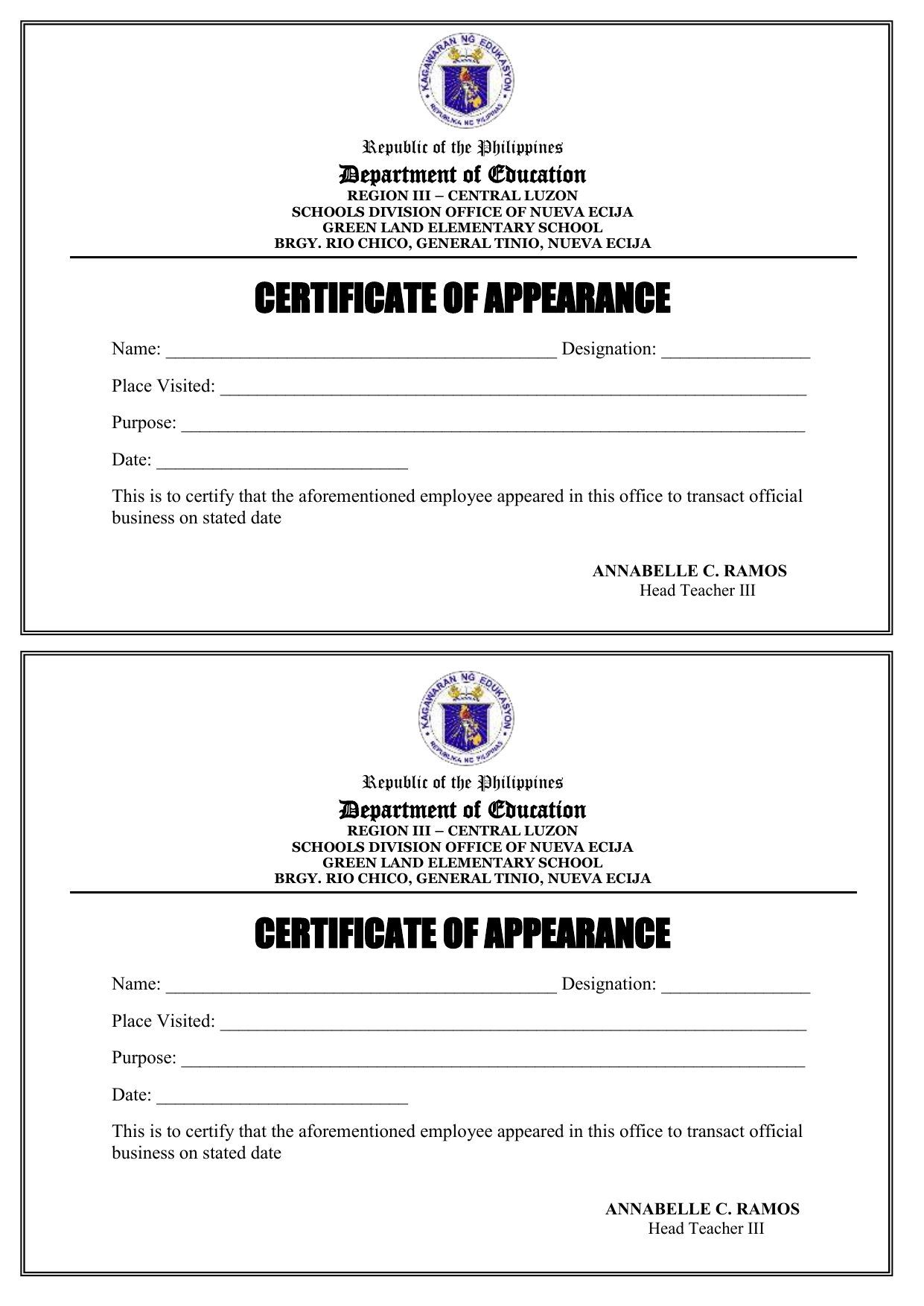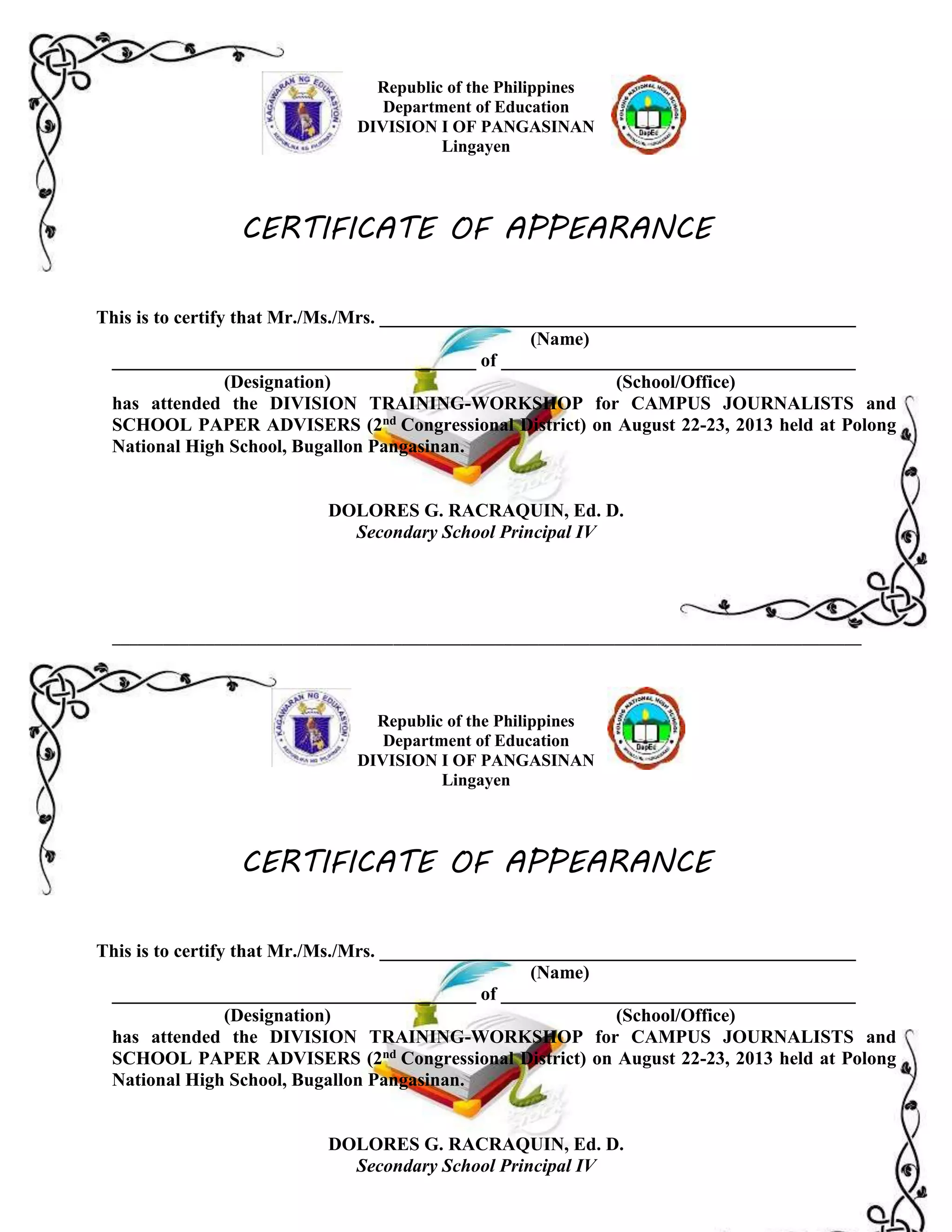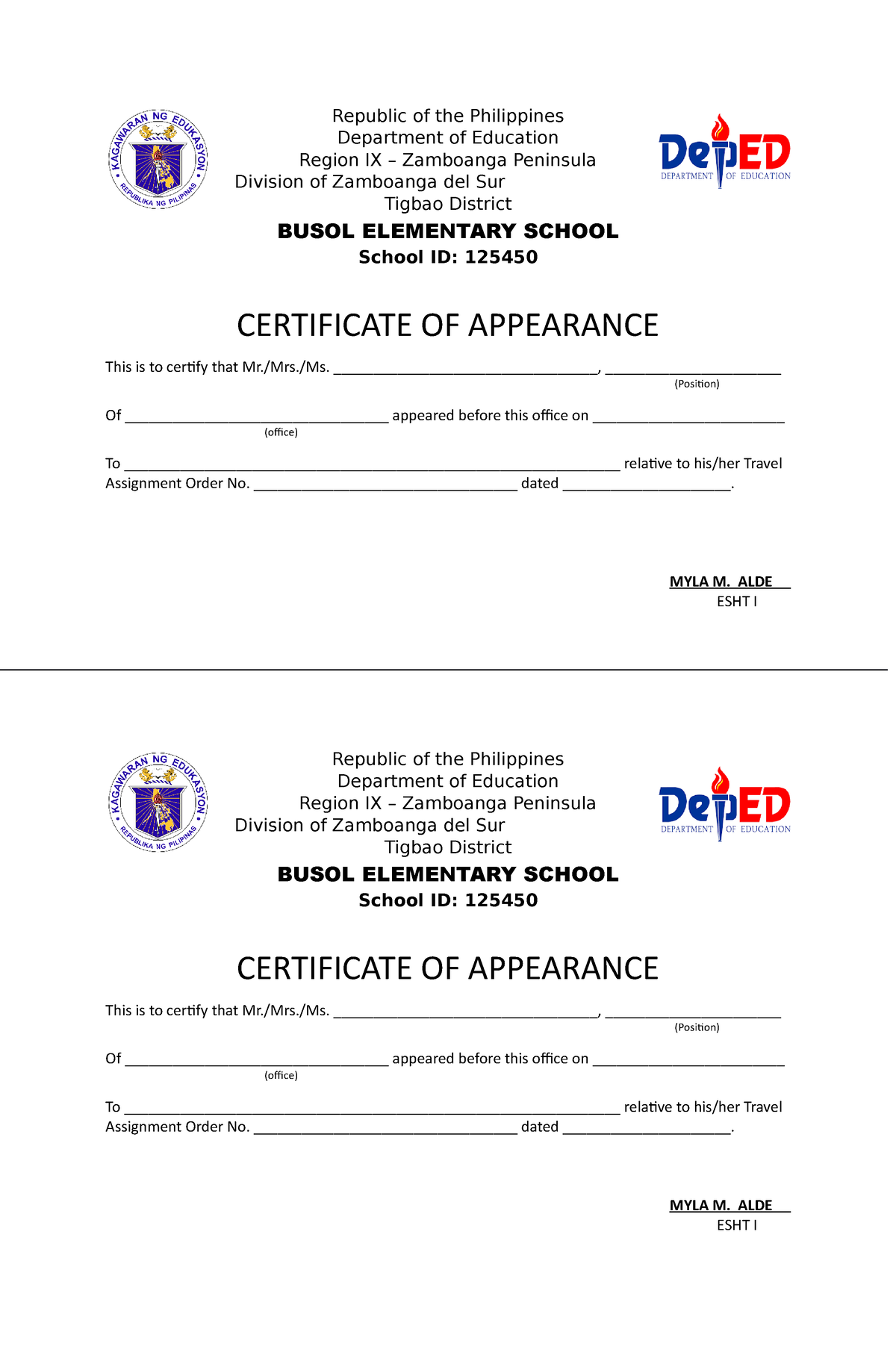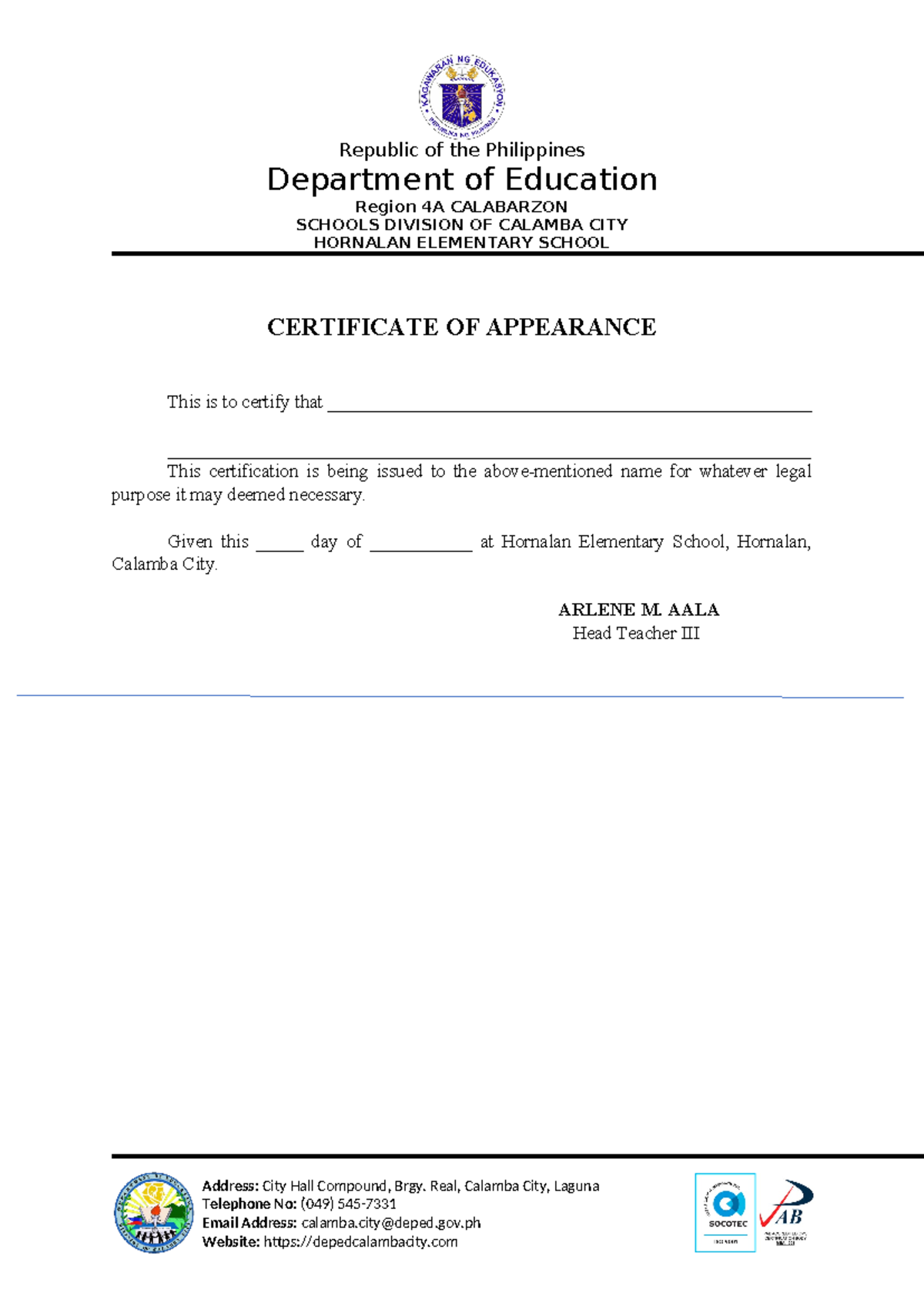
Certificate Of Appearance Template is a critical document used by attorneys and law firms to formally notify a court that a party is participating in a case. This powerful tool establishes a party’s presence, outlines their intent, and ensures all procedural requirements are met. Whether you’re drafting a new case, joining an ongoing litigation, or simply updating your legal library, a well‑structured template can streamline the process, reduce errors, and project professionalism.
Understanding the Role of a Certificate of Appearance

A Certificate of Appearance (sometimes called a Notice of Appearance or Filing of Appearance) serves as the official entry of an attorney or a law firm into a lawsuit. It confirms that the party is legally authorized to represent a client and that the court’s docket reflects accurate representation. Courts rely on this document to enforce procedural rules, manage case schedules, and maintain a clear record of who is responsible for filings and communications.
Why Attorneys Use the Certificate
- Compliance: Most jurisdictions require a formal appearance before a lawyer may file documents or participate in hearings.
- Clarity: It eliminates confusion about who is representing whom, preventing “who is responsible for this file” disputes.
- Credibility: A neatly presented certificate signals professionalism and attention to detail.
- Legal Safeguard: It protects against potential claims of improper representation or lack of notice.
Typical Elements of the Document
- Case title and docket number
- Name and address of the appearing party (law firm or individual)
- Signature line for the attorney
- Bar number or registration information
- Date of filing
- Affidavit or acknowledgment if required by local rules
Choosing the Right Template: Key Features to Look For
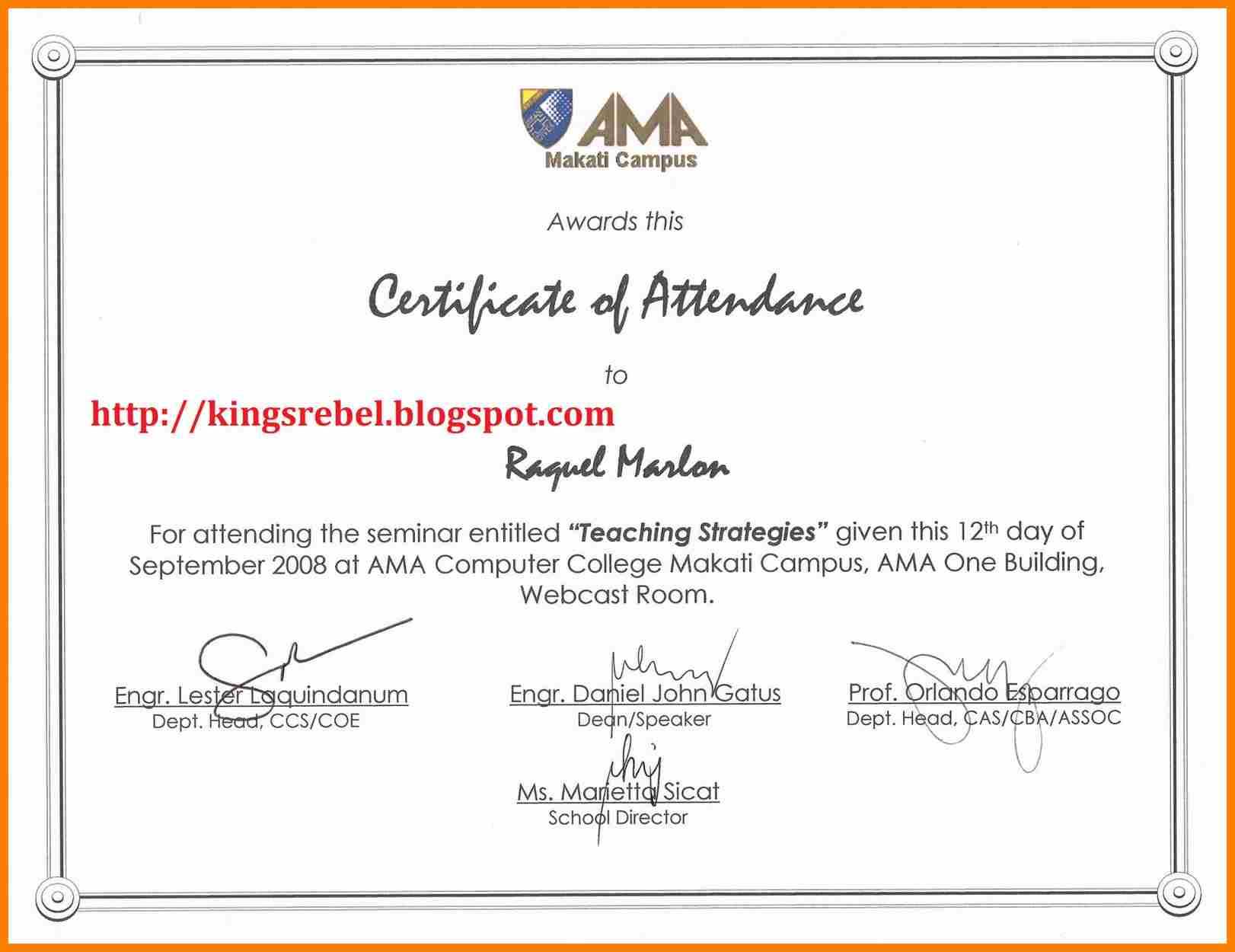
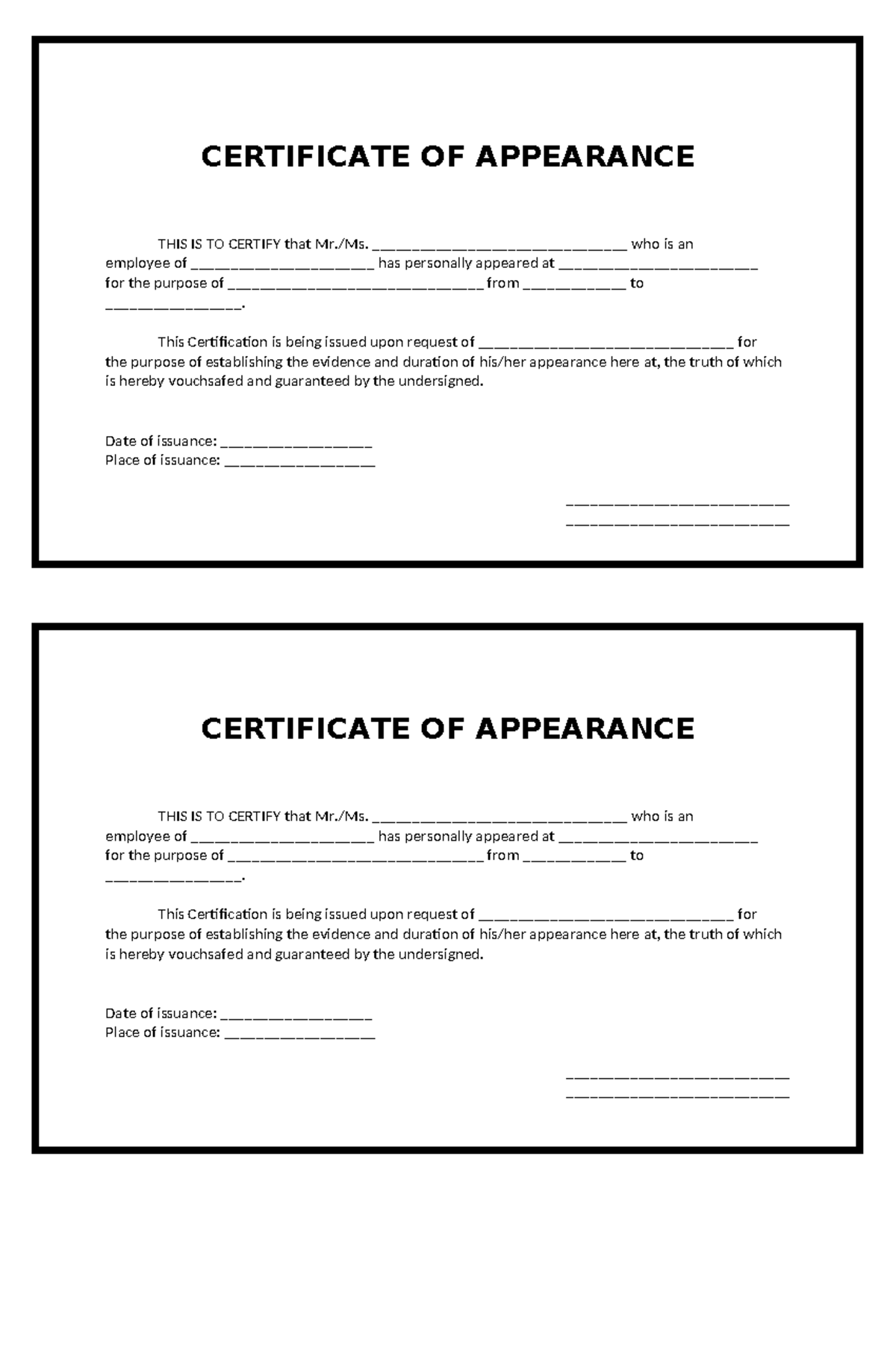
Not all templates are created equal. A high‑quality Certificate of Appearance Template will include:
Legal Formatting Consistency
Adhering to the court’s preferred style—margin sizes, font type, line spacing—ensures immediate acceptance. Most templates incorporate a clean, serif font like Times New Roman in 12‑point size, with 1.25‑line spacing and 1‑inch margins.
Jurisdiction‑Specific Variants
Federal and state courts may have distinct formatting requirements. A versatile template offers interchangeable sections, allowing quick adaptation to local rules, such as the inclusion of a “Counsel of Record” statement in some state courts.
Built‑in Checklists
Incorporating a checklist for pre‑filing items (e.g., required exhibits, proof of service, and fee schedules) streamlines the workflow and reduces the risk of oversights.
Digital-Friendly Design
Templates that can be easily edited in word processors or PDF editors enable rapid customization, especially for remote teams and virtual court hearings.
Step‑by‑Step Guide to Drafting Your Certificate of Appearance
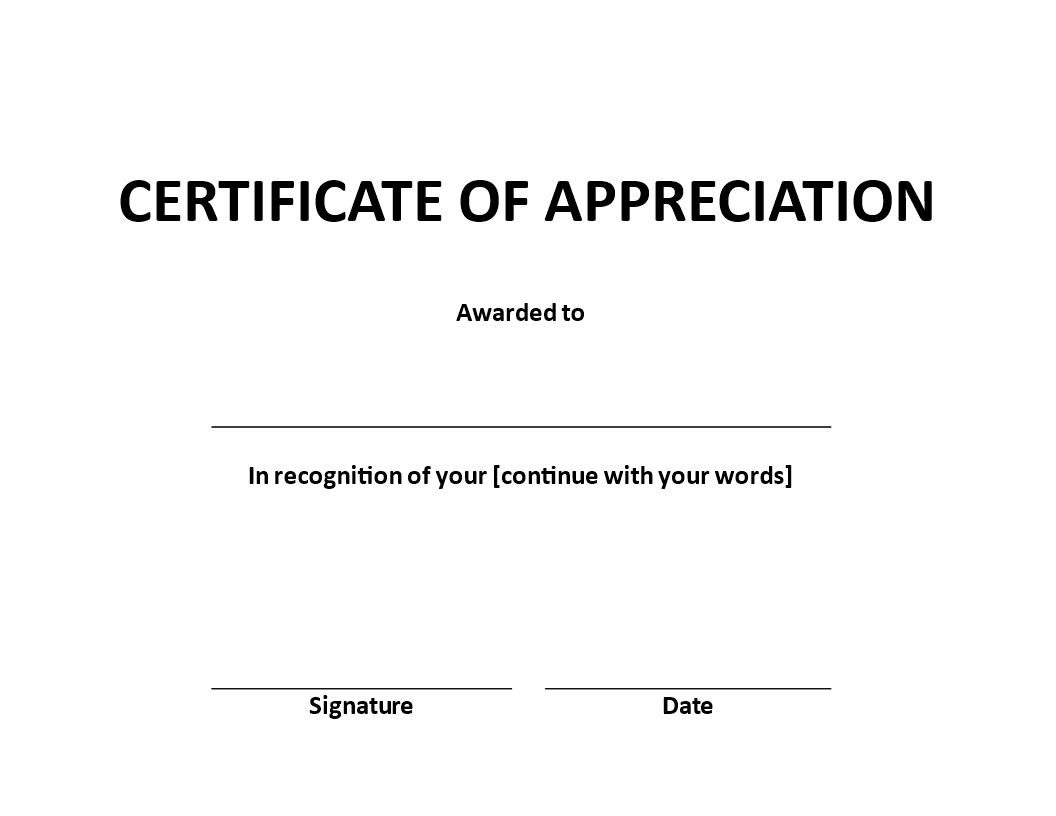
Below is a comprehensive workflow that takes you from selecting a template to final filing.
Step 1: Gather All Essential Information
Collect the following details before you begin:
- Case title (e.g., “Smith v. Johnson”) and docket number
- Name, address, and contact information of your firm or individual client
- Attorney’s full name, bar number, and state of admission
- Date of intended filing
- Any supporting documents required by the court (e.g., fee agreement)
Step 2: Open Your Template and Replace Placeholder Text
Use the template’s labeled fields to insert the case and attorney details. Double‑check that the case title matches the official court entry and that the docket number is exact.
Step 3: Verify Jurisdictional Rules
Check the local court’s electronic filing system or rulebook for specific formatting or required clauses. For example, some courts require a “Certified by” section indicating that the document is filed with the correct clerk.
Step 4: Sign and Date the Document
After confirming all information, sign the document in the designated space. If you are a partner in a firm, ensure your signature appears as the authorized representative. Include the exact date of signature to avoid any ambiguity.
Step 5: Attach Any Necessary Addenda
Some courts require an affidavit of appearance or a fee statement. Attach these documents as separate PDFs or include them as part of the same file if the system supports it.
Step 6: File Electronically or in Hard Copy
Most jurisdictions now accept e‑filing. Upload the certificate through the court’s online portal, ensuring that the file size and format meet the specified limits. If filing in person, print a clear copy on standard legal paper and deliver it to the clerk’s office.
Step 7: Confirm Receipt and Acknowledgment
After filing, the clerk typically sends a confirmation or a docket entry. Verify that your certificate appears correctly in the docket and that any required acknowledgments are noted.
Real‑World Applications: Where the Certificate Shines
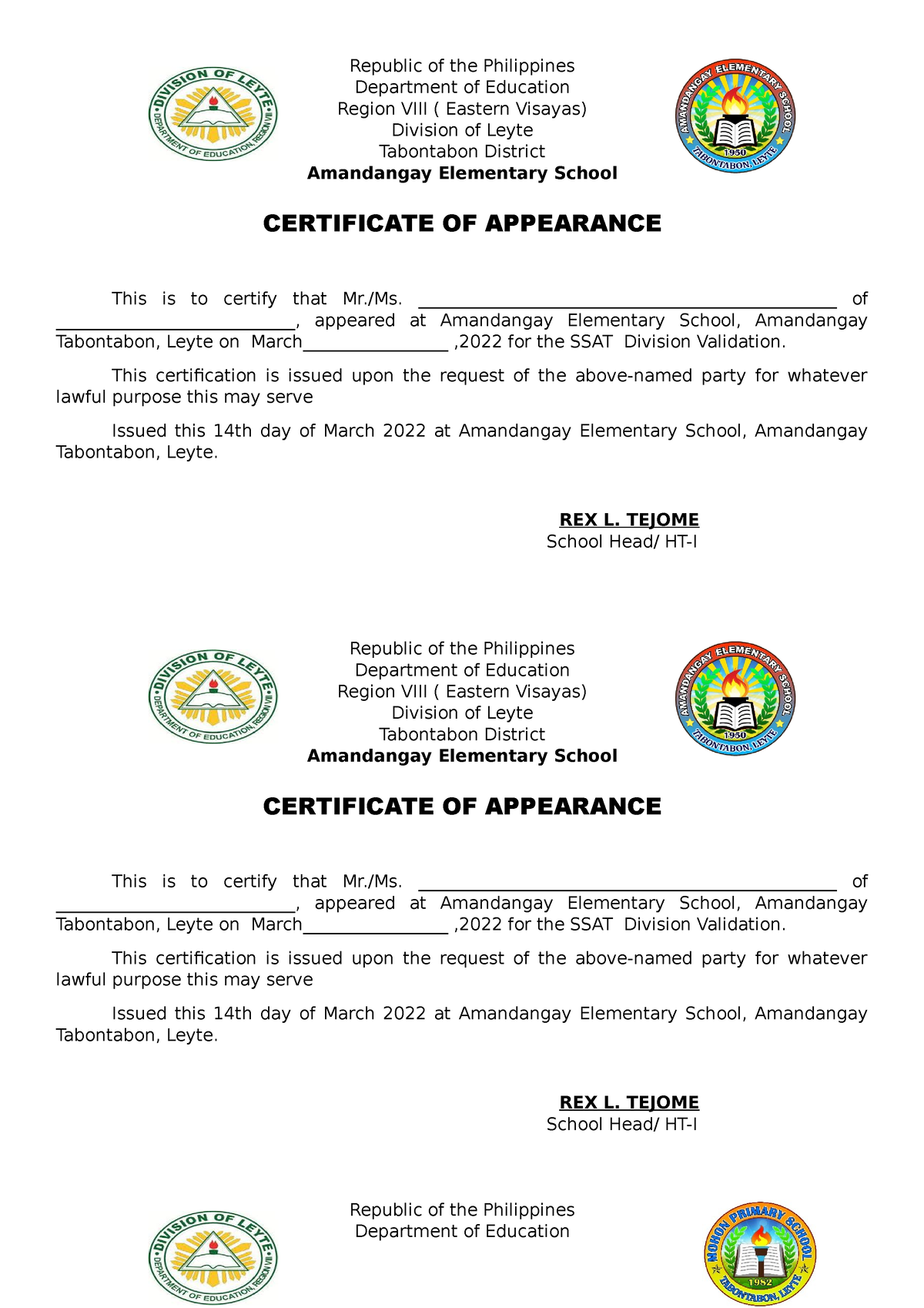
Understanding the practical contexts in which a Certificate of Appearance Template is indispensable can help attorneys anticipate needs and prepare efficiently.
High‑Profile Corporate Litigation
In multi‑party corporate disputes, a single firm may represent several entities. A concise, well‑structured certificate ensures each entity’s presence is unmistakable, reducing the potential for inter‑party conflicts over procedural matters.
Family Law and Divorce Proceedings
Family courts often require immediate notice of representation. A pre‑printed template can speed up filings, allowing attorneys to focus more time on counseling clients rather than paperwork.
Administrative Law Hearings
When dealing with agency hearings, a certificate can be part of a broader bundle of documents, demonstrating compliance with procedural rules and securing the right to submit evidence.
International Arbitration
Arbitration panels often demand a formal notice of representation. A template that adheres to the rules of the chosen arbitration institution streamlines this process and safeguards the lawyer’s standing before the panel.
Common Mistakes to Avoid

Even seasoned attorneys can slip into pitfalls that lead to delays or sanctions. Keep these pitfalls in check.
Missing the Docket Number
Without the exact docket number, a certificate may be rejected or filed in the wrong case, creating confusion for all parties.
Incorrect Formatting or Font Choices
Using a font like Arial in a court that mandates Times New Roman can result in a resubmission request or, worse, a dismissal of your filings.
Failure to Include Bar Information
Some courts require the attorney’s bar number or registration credentials. Omitting this detail can raise questions about the attorney’s authority to practice.
Late Filing
Courts operate on tight timelines. Delays in submitting a Certificate of Appearance may delay the entire case, and repeated lateness can erode trust with the client and the court.
Tailoring Your Template for Different Courts
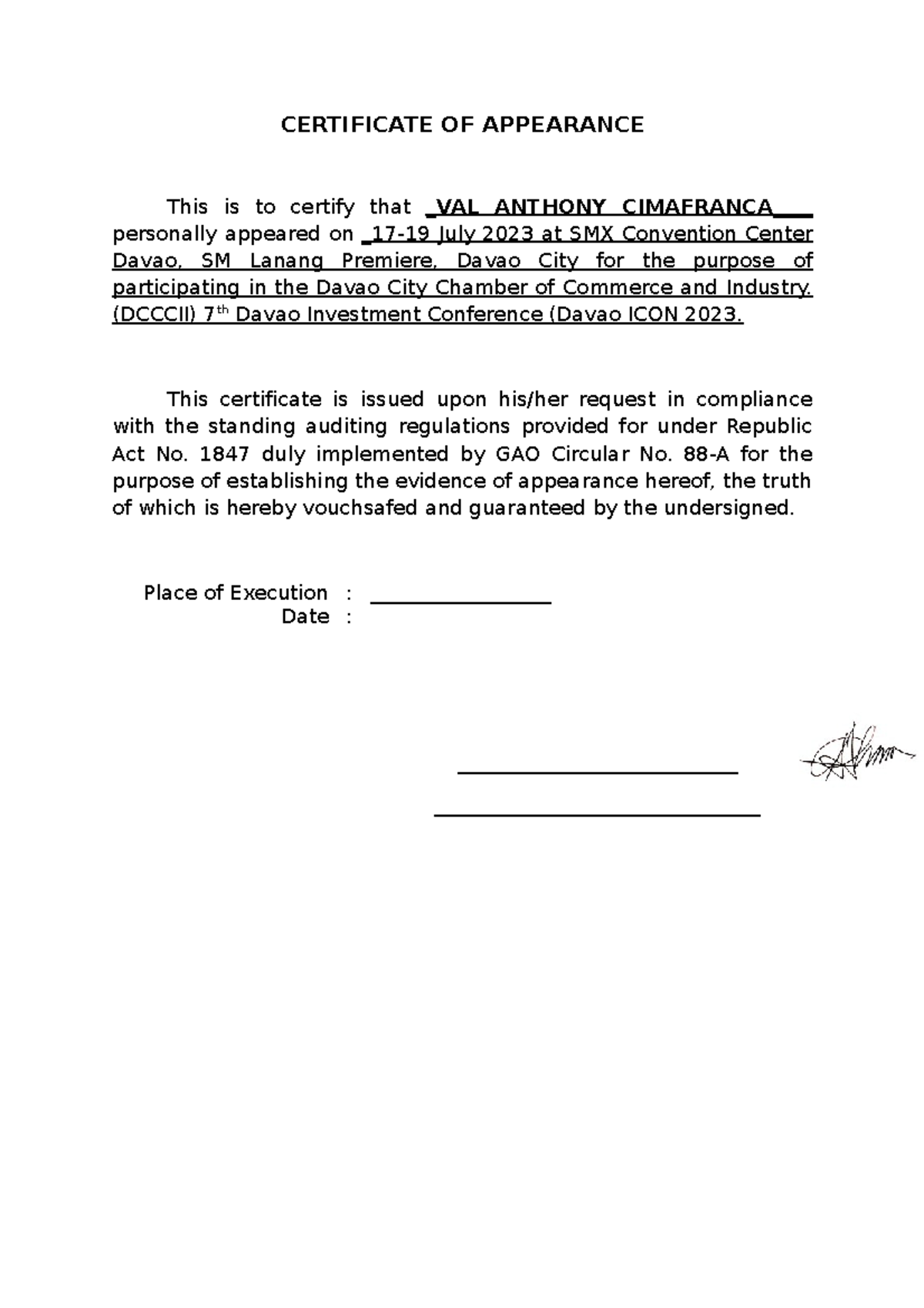
While a universal template can cover most needs, customizing it for specific courts ensures compliance and professionalism.
Federal Courts
Federal rules emphasize the inclusion of a “Federal Court” heading, case number, and often a “certified by” statement. Use a two‑column layout for the signature and attorney information.
State Courts
Some states require a “Counsel of Record” line or a statement that the attorney has read the court’s procedural rules. Check local practice guides for precise wording.
County and Municipal Courts
Smaller courts may have looser formatting guidelines but still mandate the inclusion of the court’s full name, address, and contact details at the top of the document.
Digital Integration and Automation
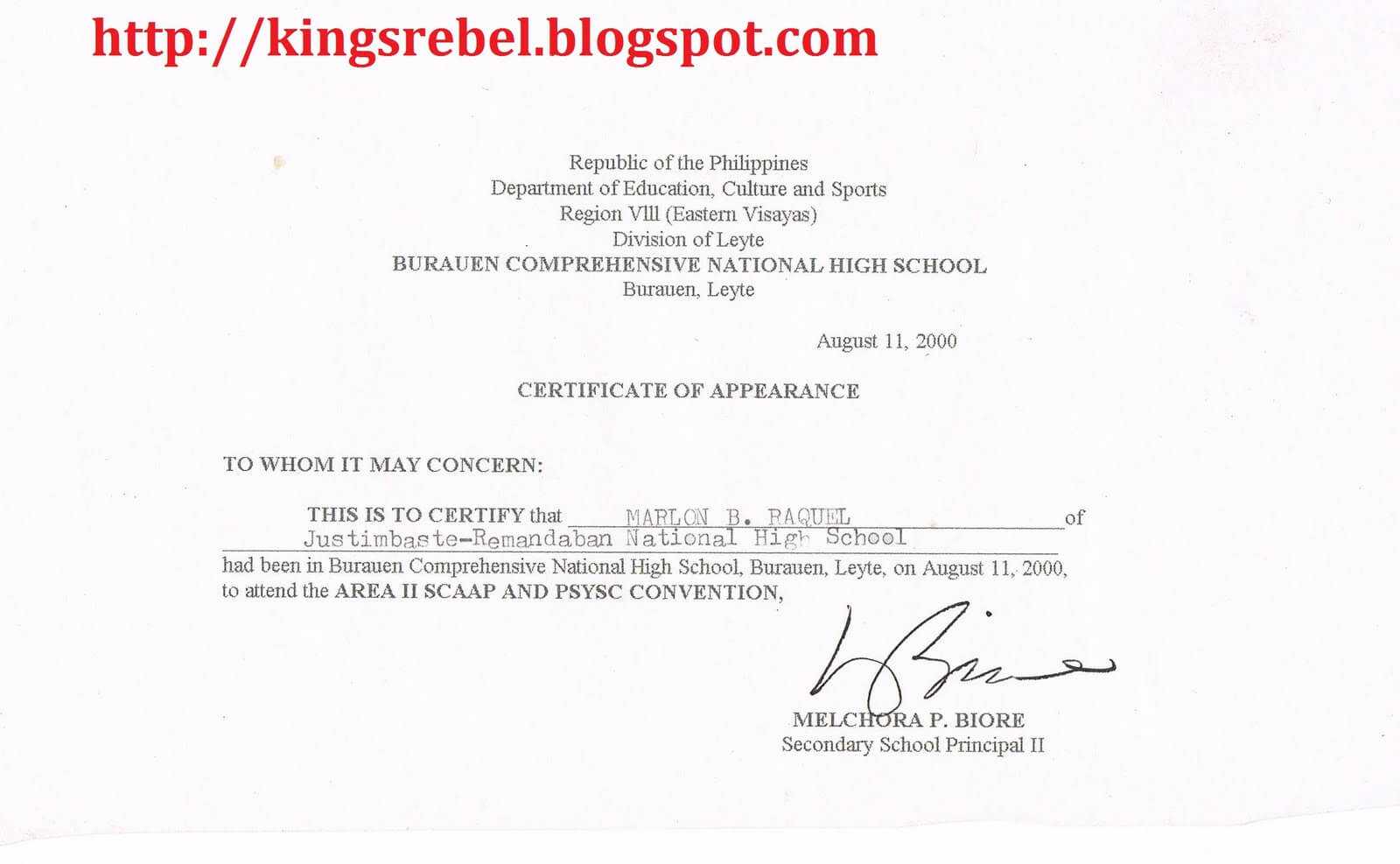
In today’s fast‑paced legal environment, many firms leverage document automation tools to generate Certificates of Appearance on demand.
Using Legal Practice Management Software
Software such as Clio, MyCase, or PracticePanther often includes template libraries. By storing the certificate as a macro, you can fill in fields with client data automatically, reducing manual errors.
Automated Filing Workflows
Integrate the template into an e‑filing system that automatically populates the case number and sends a confirmation email upon successful submission. This reduces the risk of human oversight.
Version Control and Audit Trails
Maintain a version history of the template. If you modify wording to accommodate a new jurisdiction, log the change date and the reason for revision. This transparency is useful during audits or when explaining changes to a client.
Frequently Asked Questions
Can I use a generic certificate for all cases?
While a base template works for most, always verify that it meets the specific court’s requirements. Courts may have unique clauses, signature placements, or required attachments.
What happens if I file a certificate too late?
Late filings may be accepted with a delay fee or may require you to resubmit the document. In some jurisdictions, a late appearance could lead to a temporary suspension of your right to represent the client.
Do I need to notarize the certificate?
Generally, no. However, some courts or special cases, especially in estate or probate matters, may require a notarized statement of appearance. Check local rules before proceeding.
Is a Certificate of Appearance required in every type of case?
Not always. In administrative or alternative dispute resolution contexts, a different form of notice may suffice. Still, it’s best practice to confirm with the governing body or court clerk.
Conclusion: Mastering the Certificate for Success
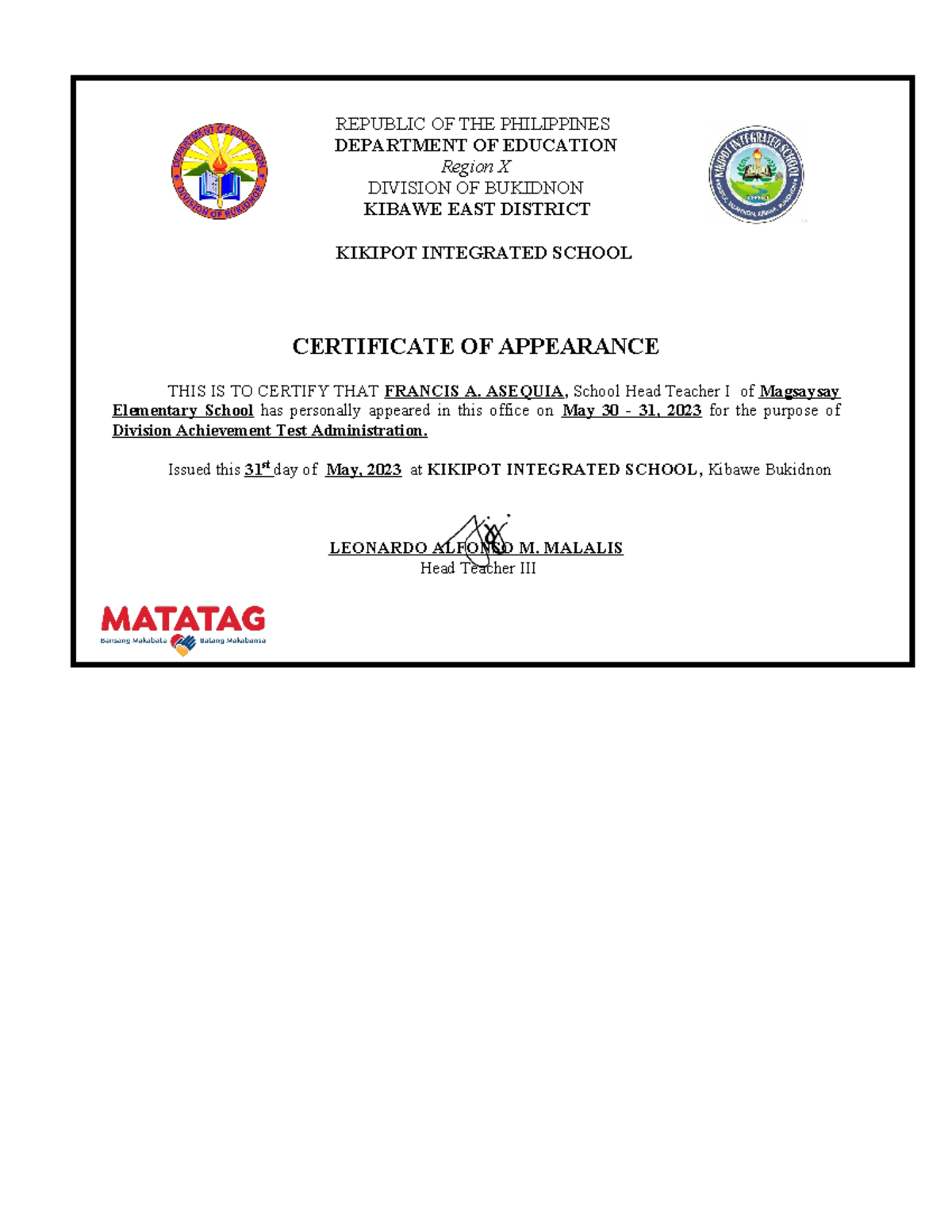
Crafting an accurate and timely Certificate of Appearance is more than a procedural formality; it’s a foundational step that upholds the integrity of the legal process and safeguards your client’s rights. By selecting a robust template, adhering to jurisdictional nuances, and following a disciplined filing protocol, attorneys can avoid costly errors, demonstrate professionalism, and position themselves for success in any courtroom.