How To Write A Formal Business Letter Template is a crucial skill that sharpens professionalism and ensures your written communication reflects your company’s credibility. This guide unpacks every element—from the header to the complimentary close—so you can craft letters that resonate with clarity, authority, and impact.
Understanding the Purpose of a Formal Business Letter
A formal business letter is not merely a communication channel; it is a strategic tool that conveys intent, records transactions, and preserves relationships. Whether you’re proposing a partnership, addressing a complaint, or confirming a service agreement, the letter’s structure must inspire confidence and respect.
Key Objectives
- Establish a clear purpose and intent.
- Maintain a professional tone that reflects the organization’s values.
- Provide accurate and organized information for the recipient’s reference.
- Document a formal record that can be cited in future negotiations or legal contexts.
Essential Elements of the Letter
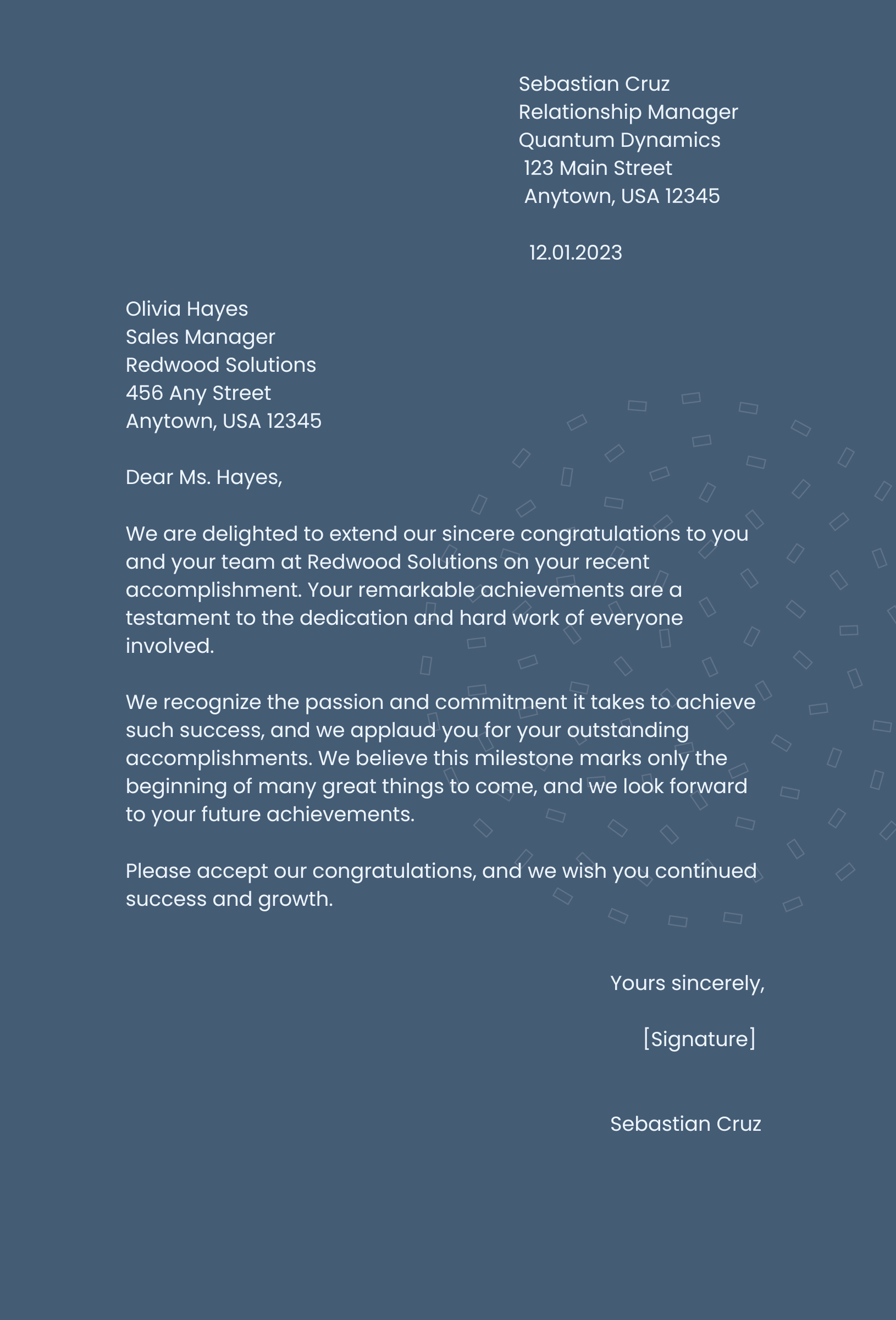
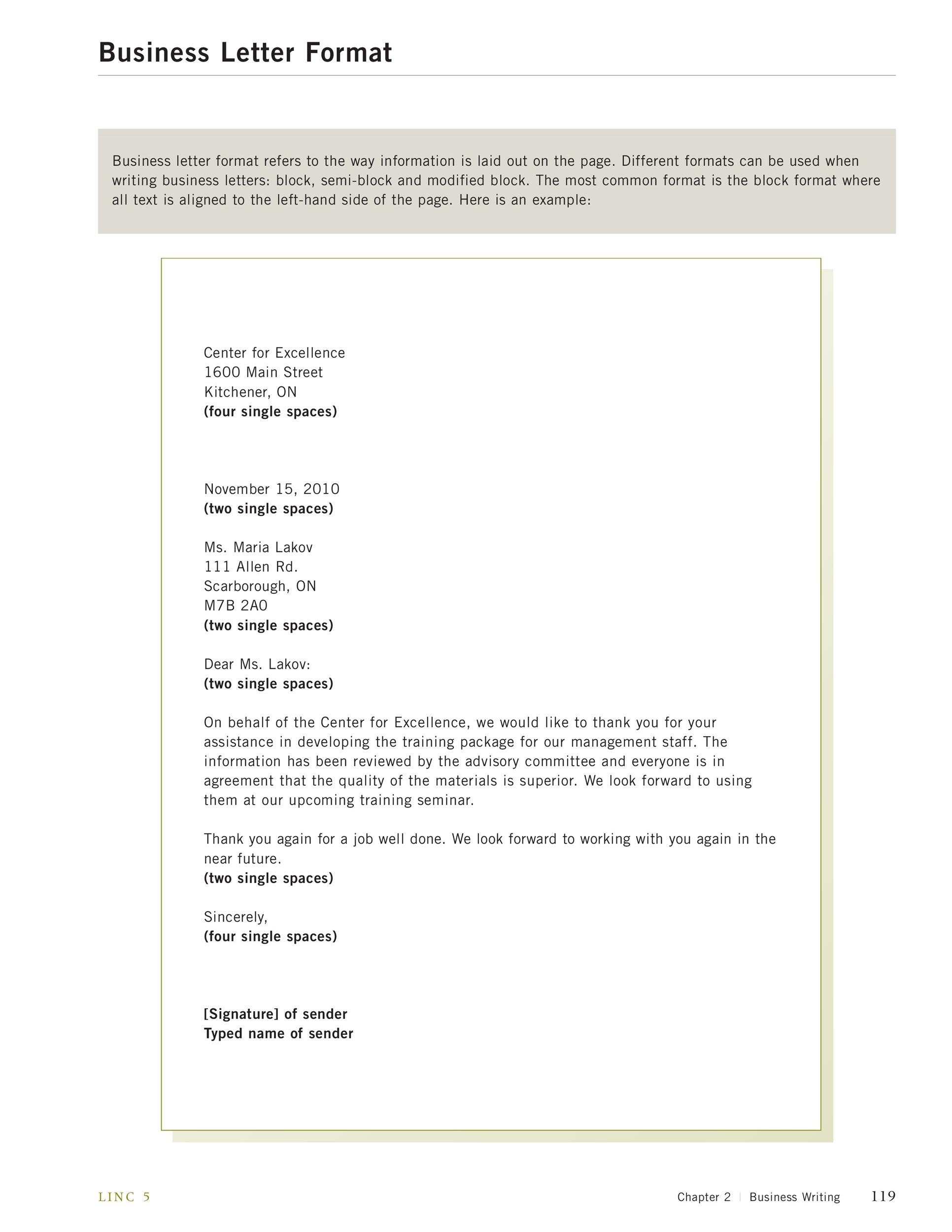
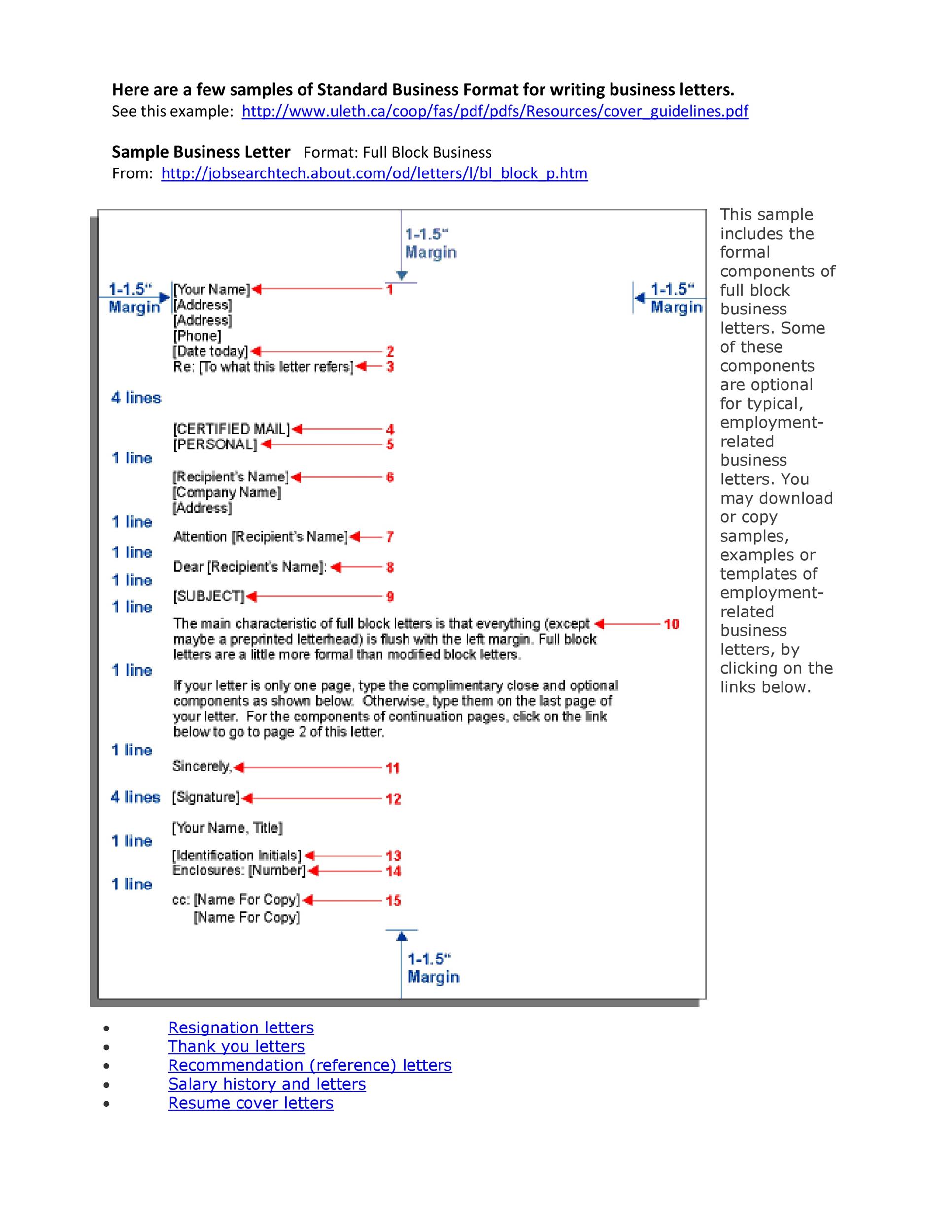
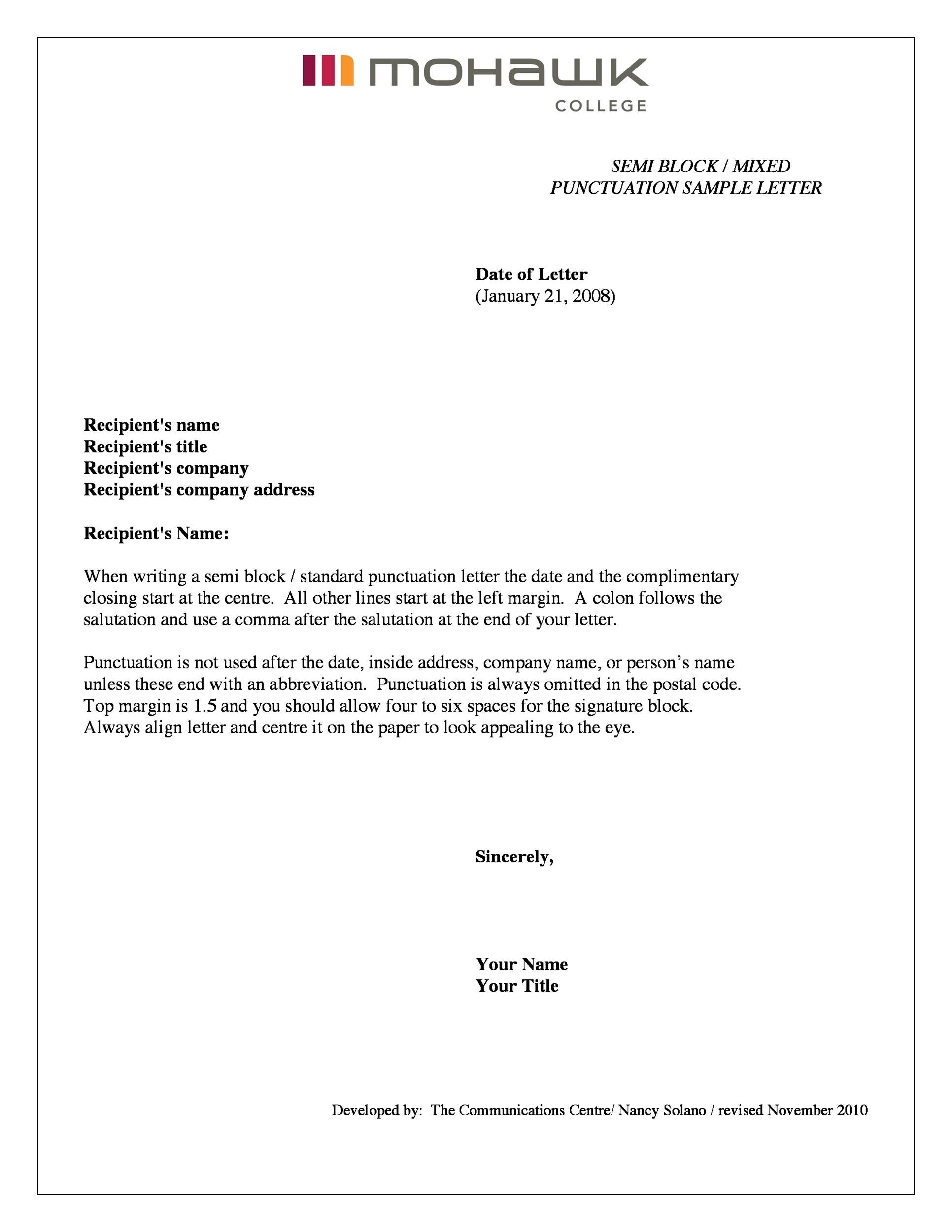
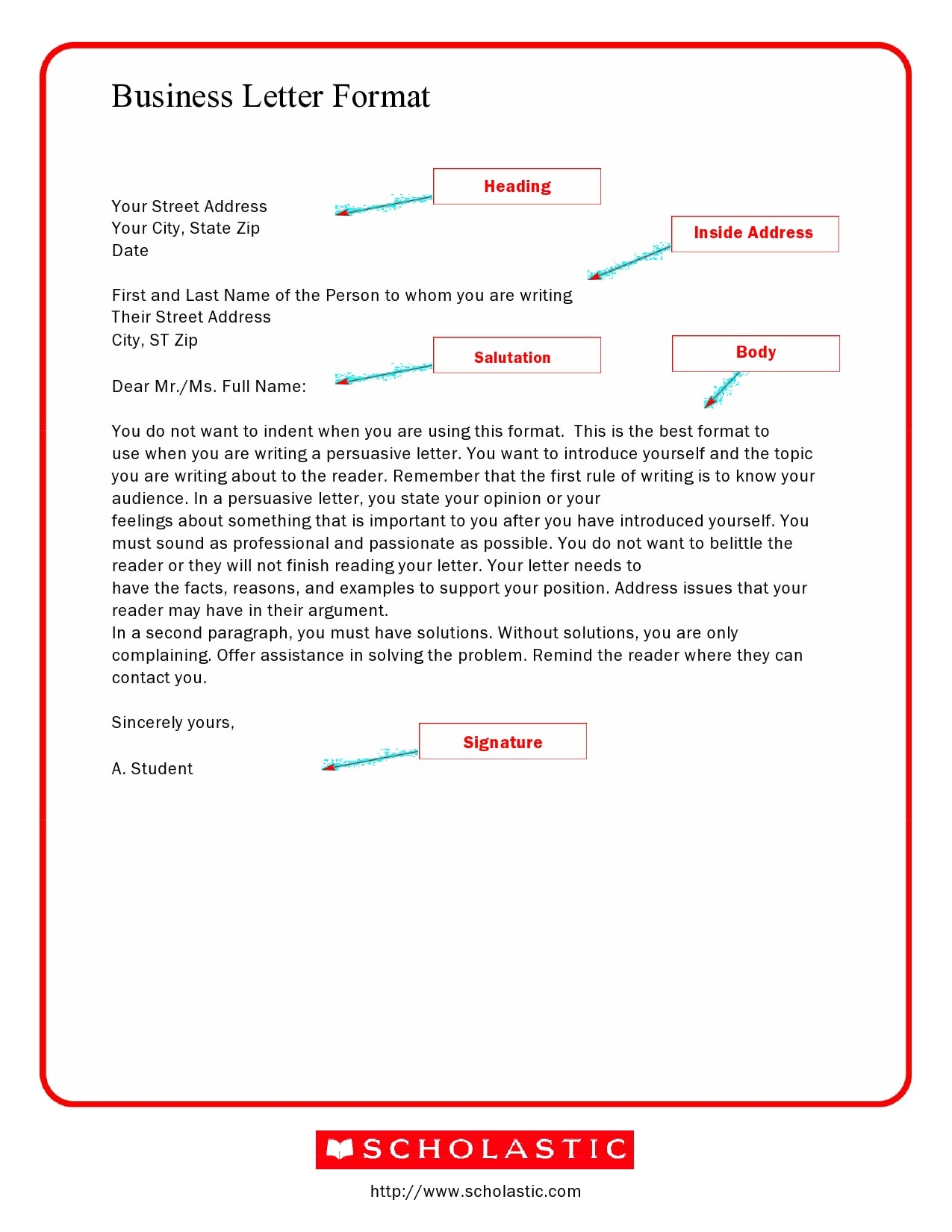
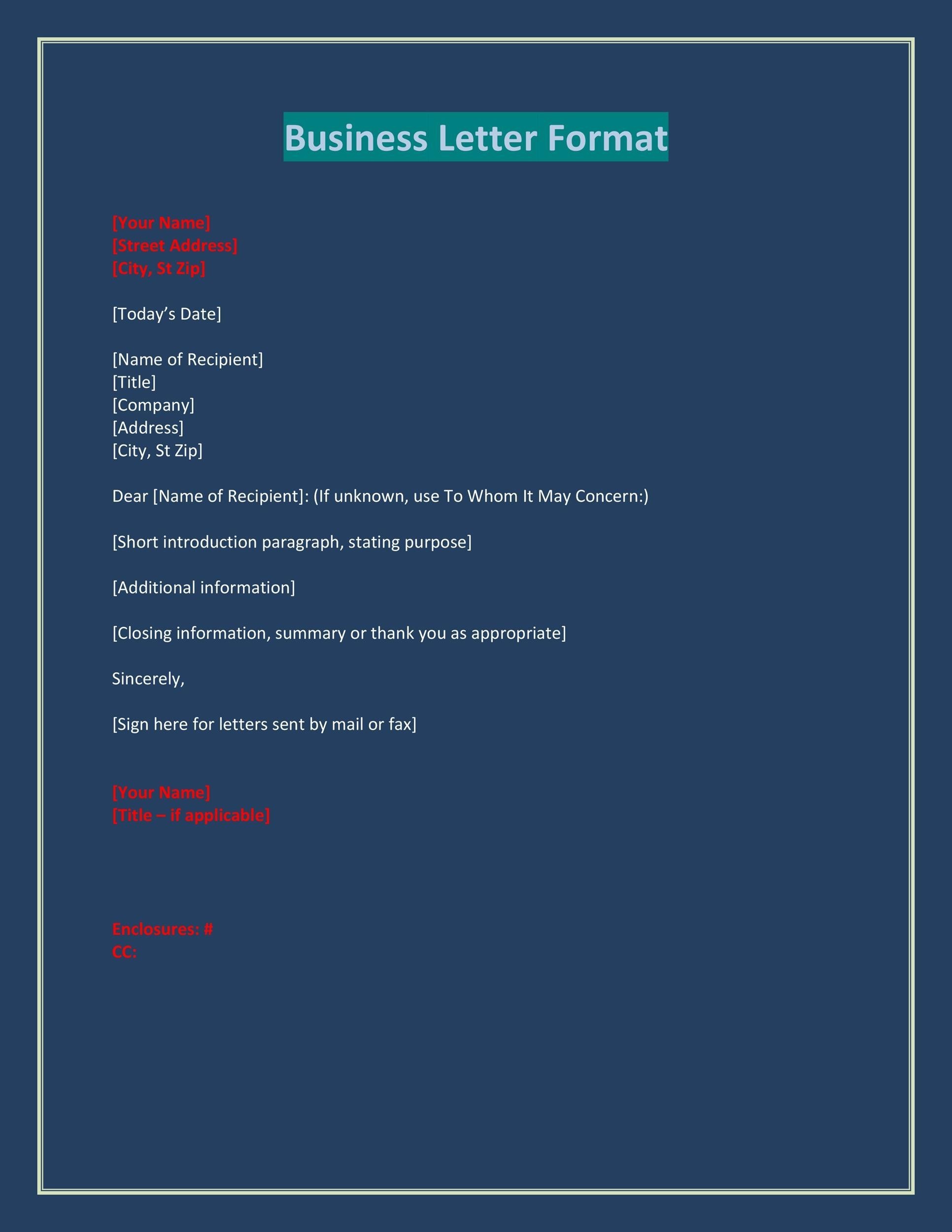
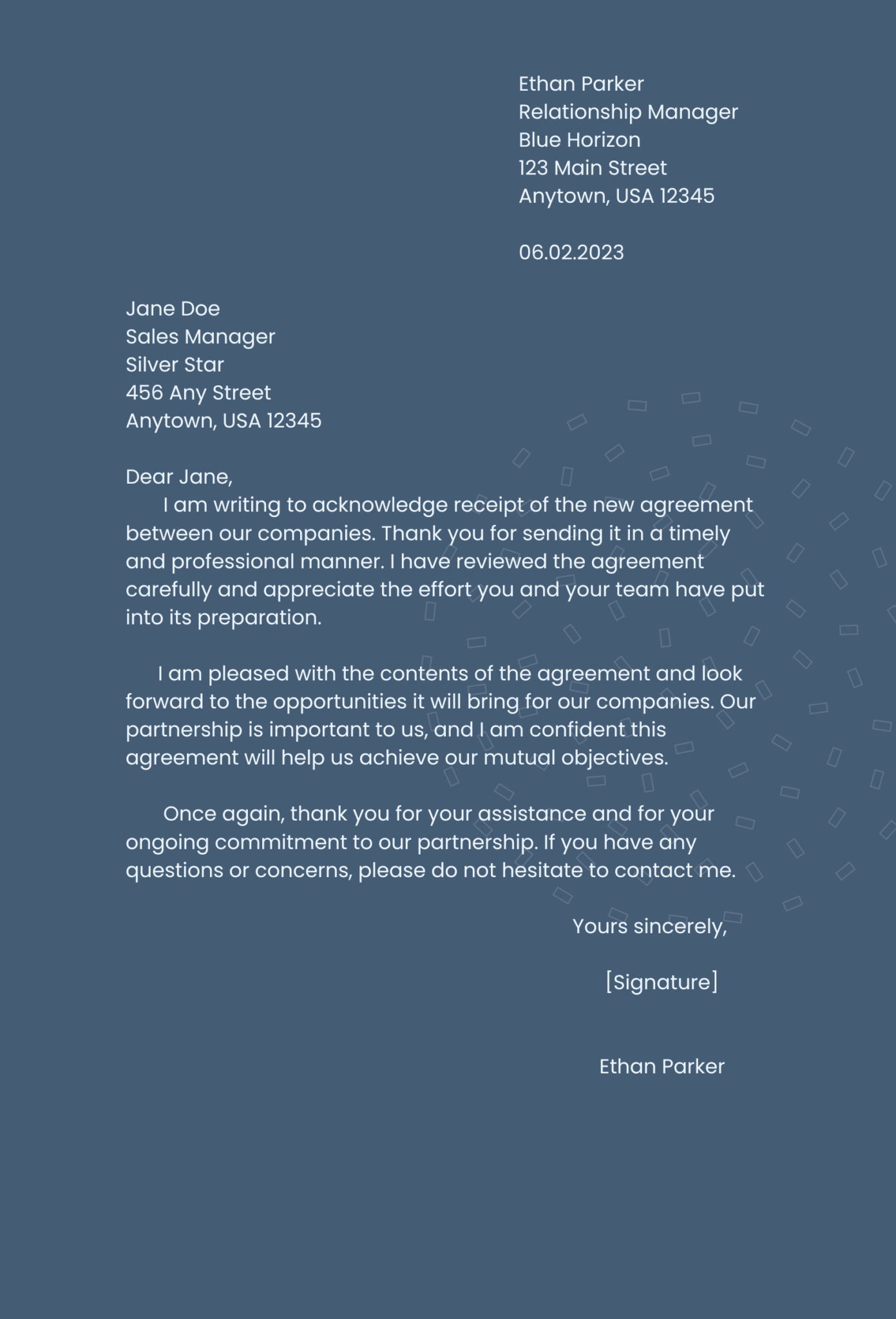
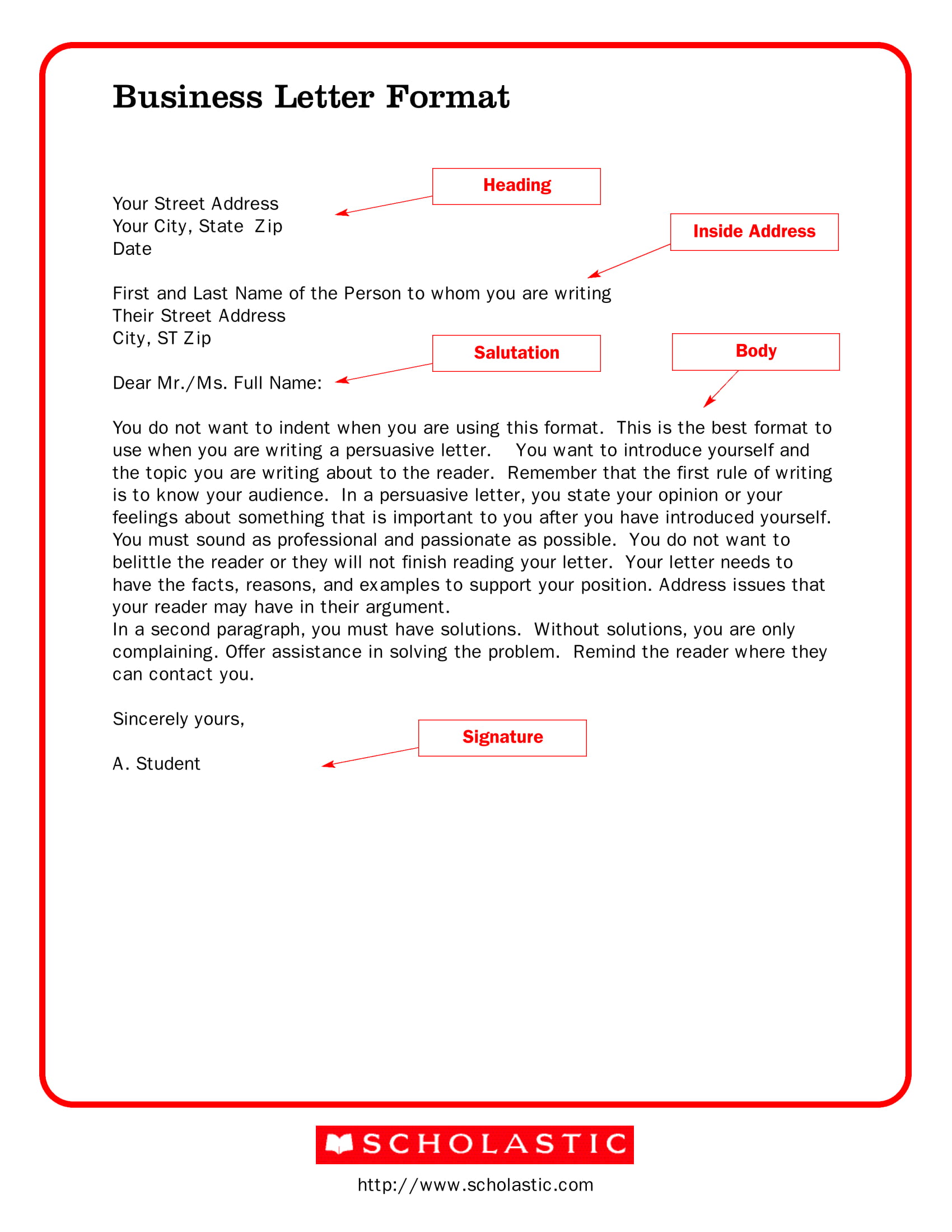
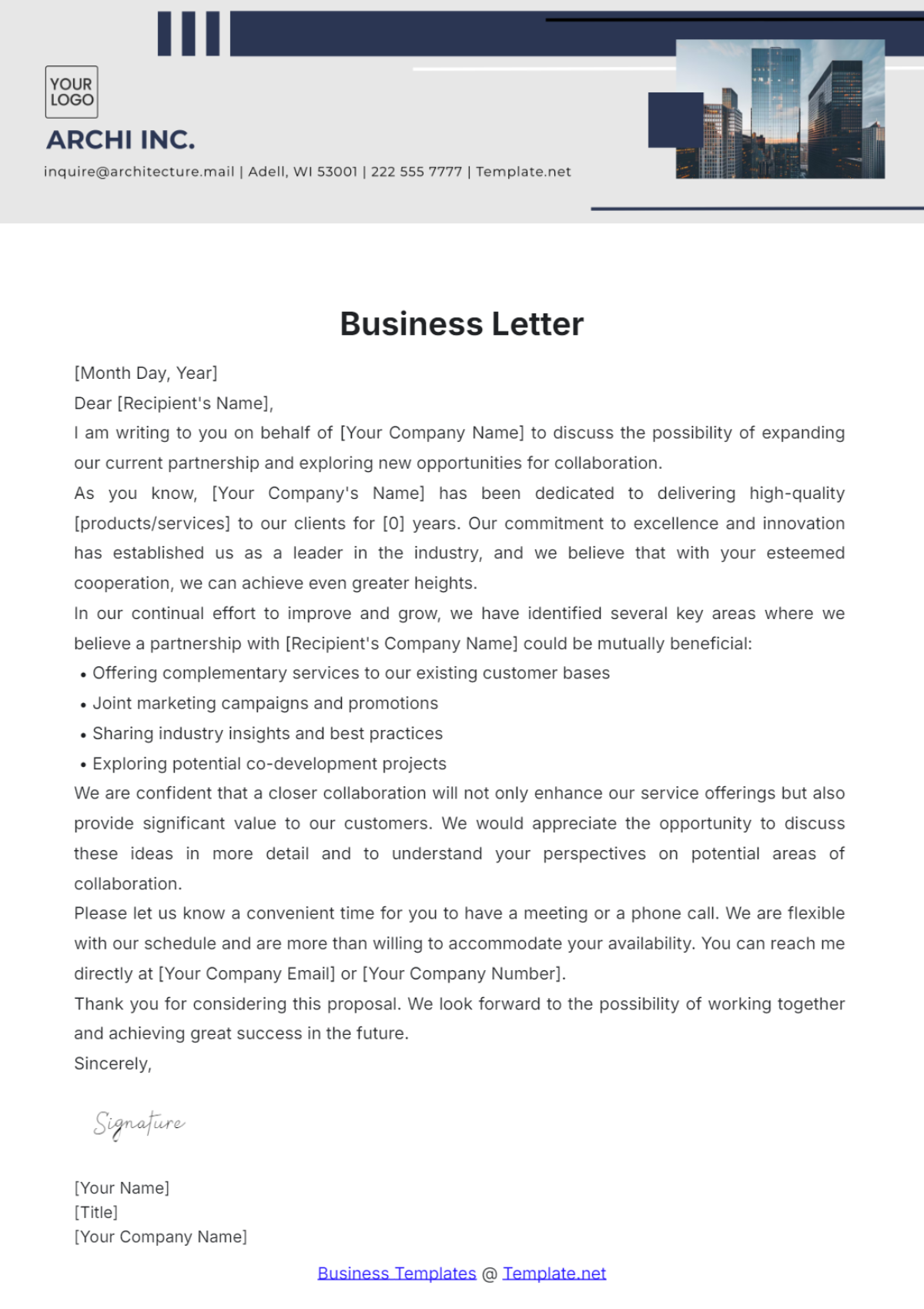
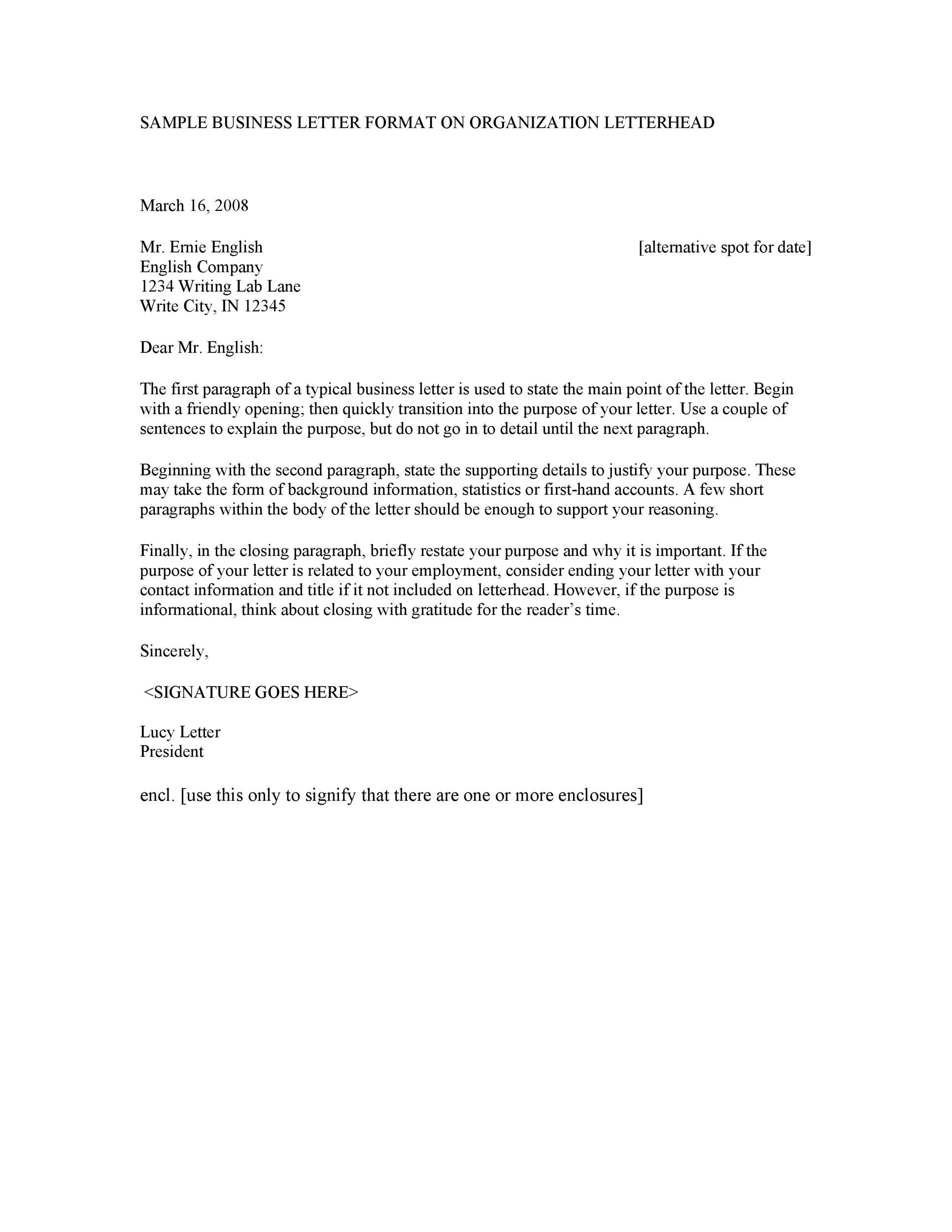
A formal business letter typically follows a standardized format. Each component serves a distinct function, and omitting or misplacing any part can undermine the letter’s effectiveness.
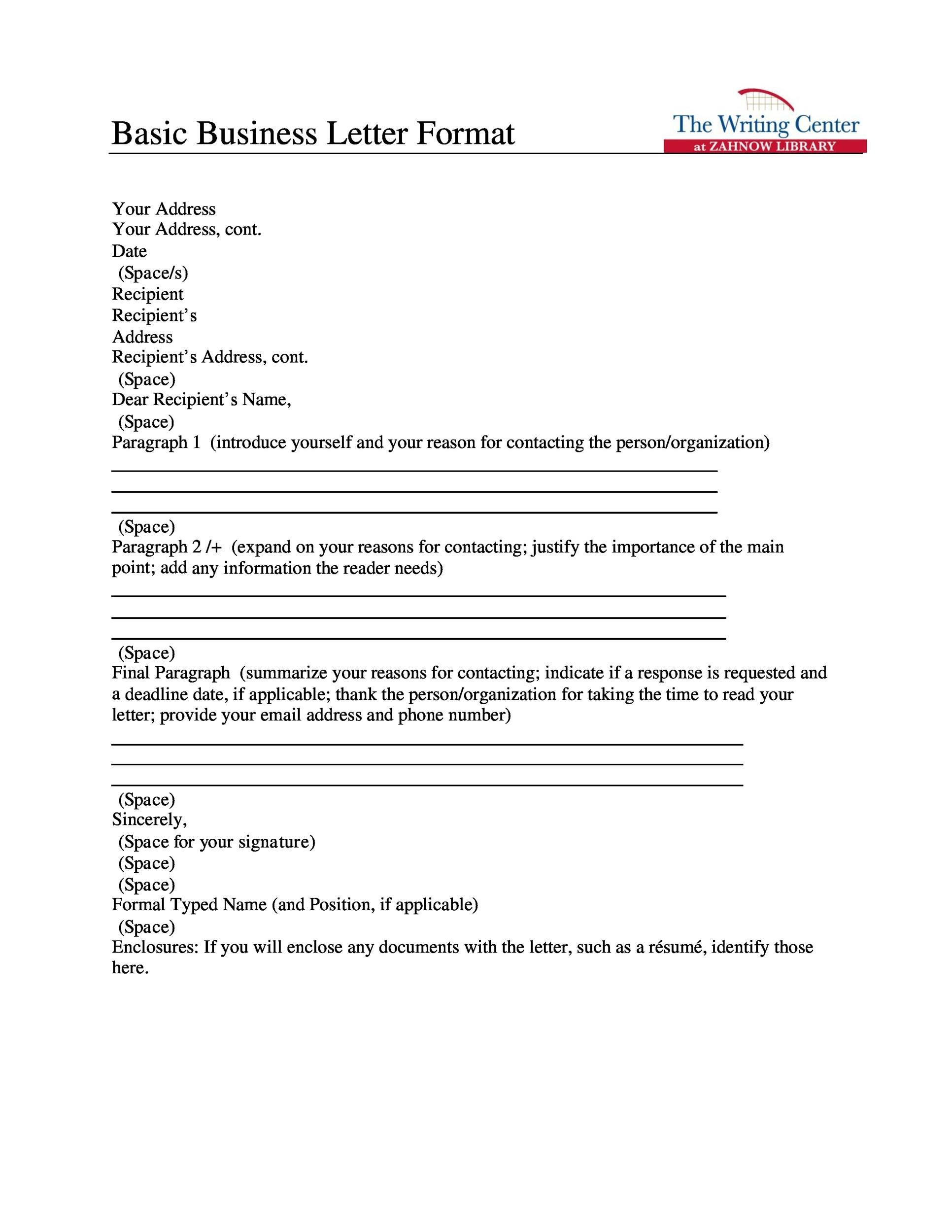
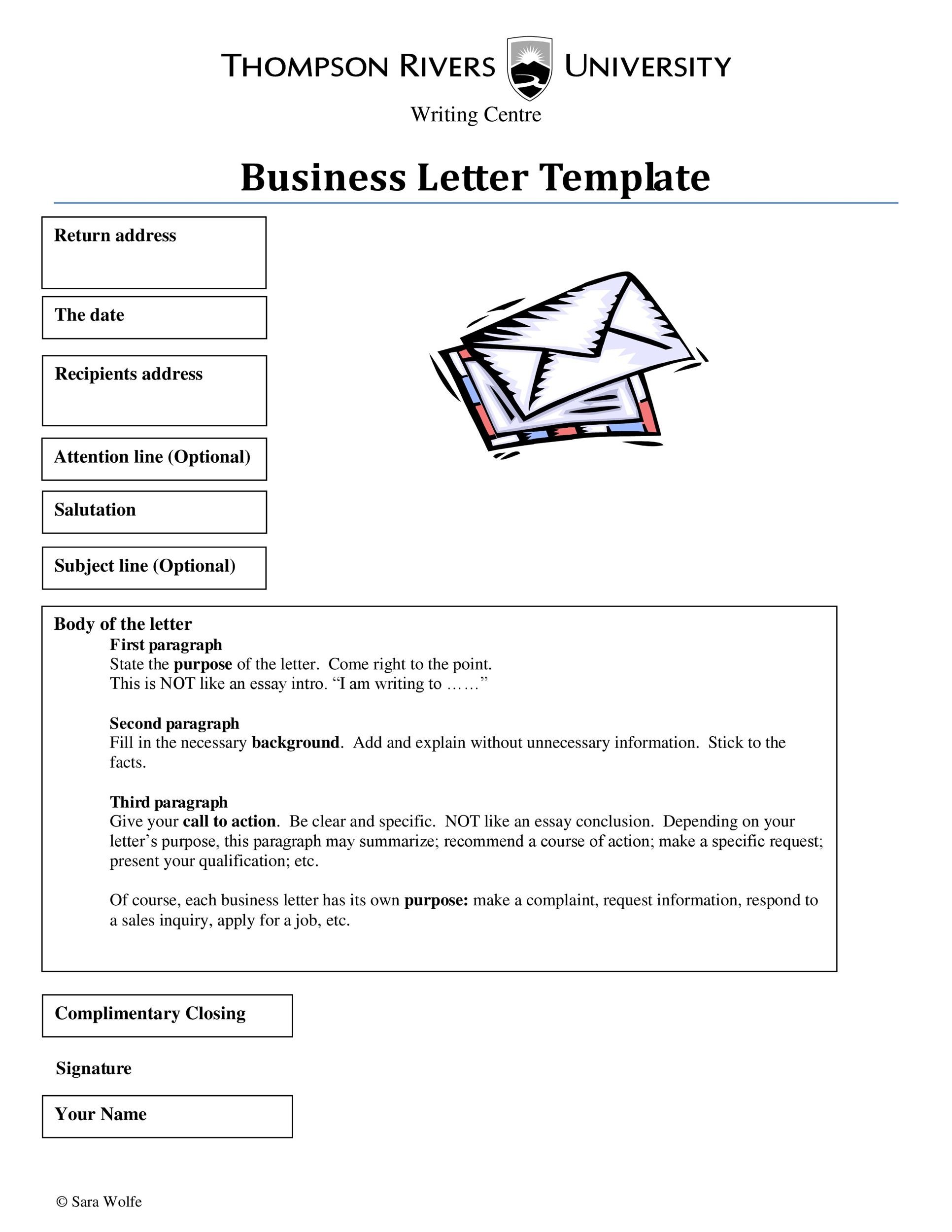
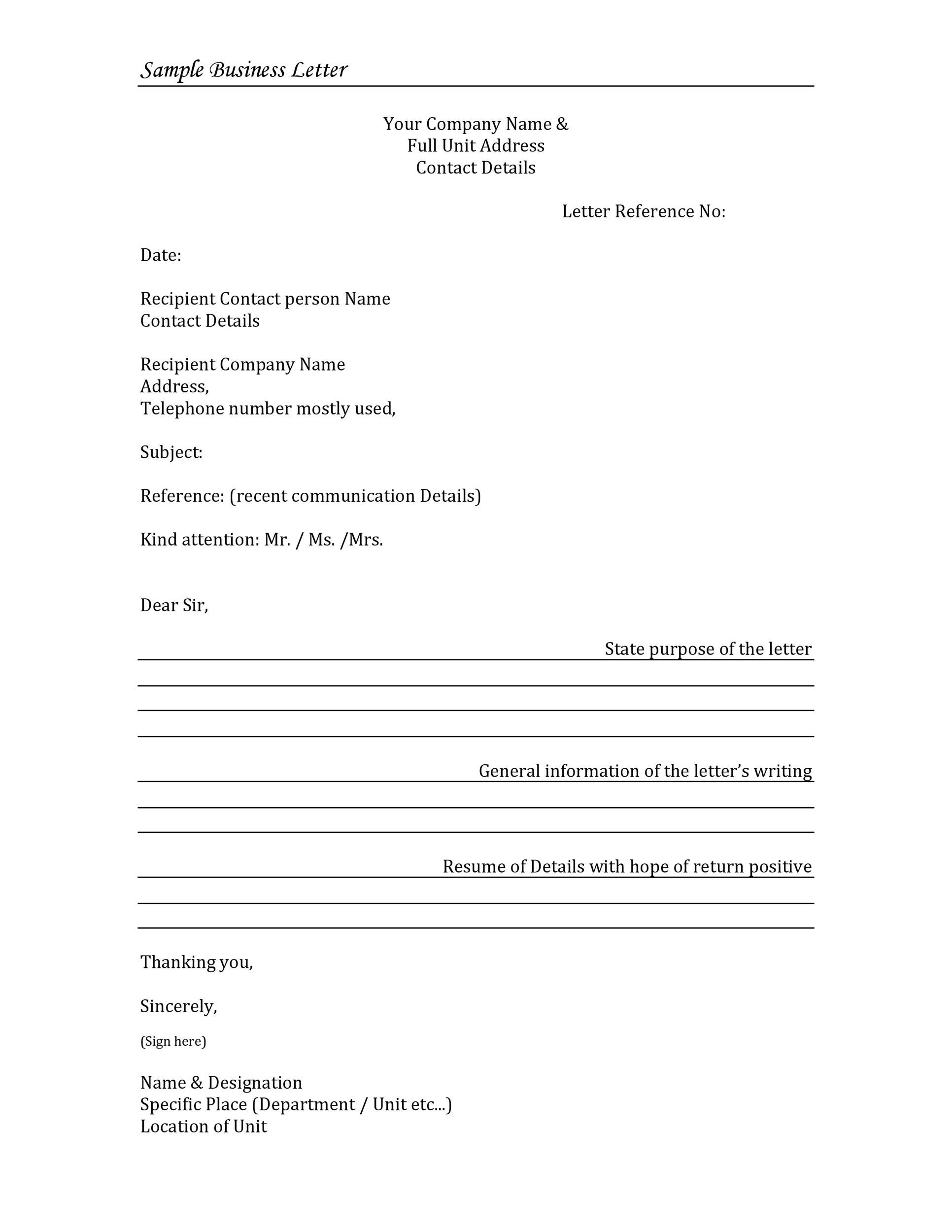
1. Sender’s Address and Date
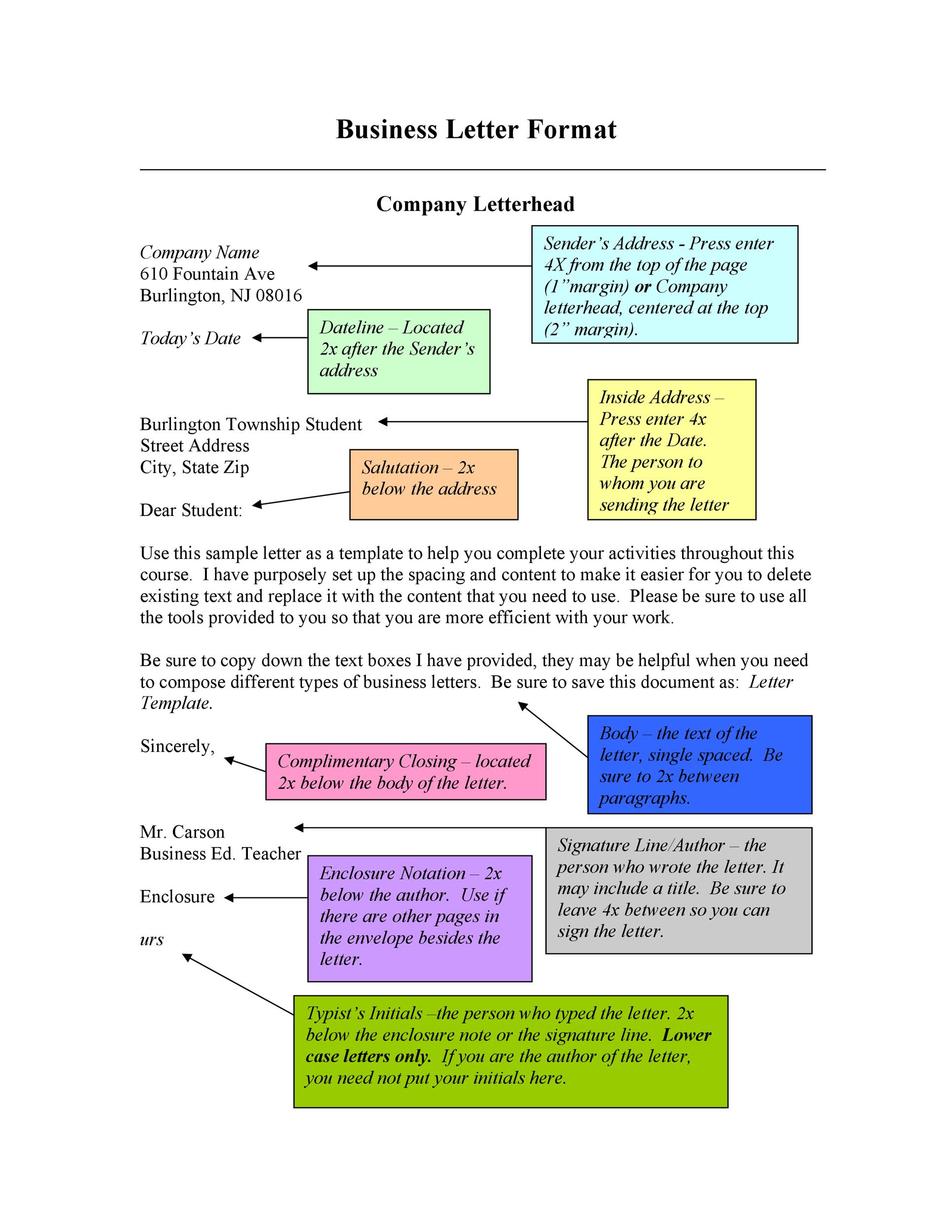
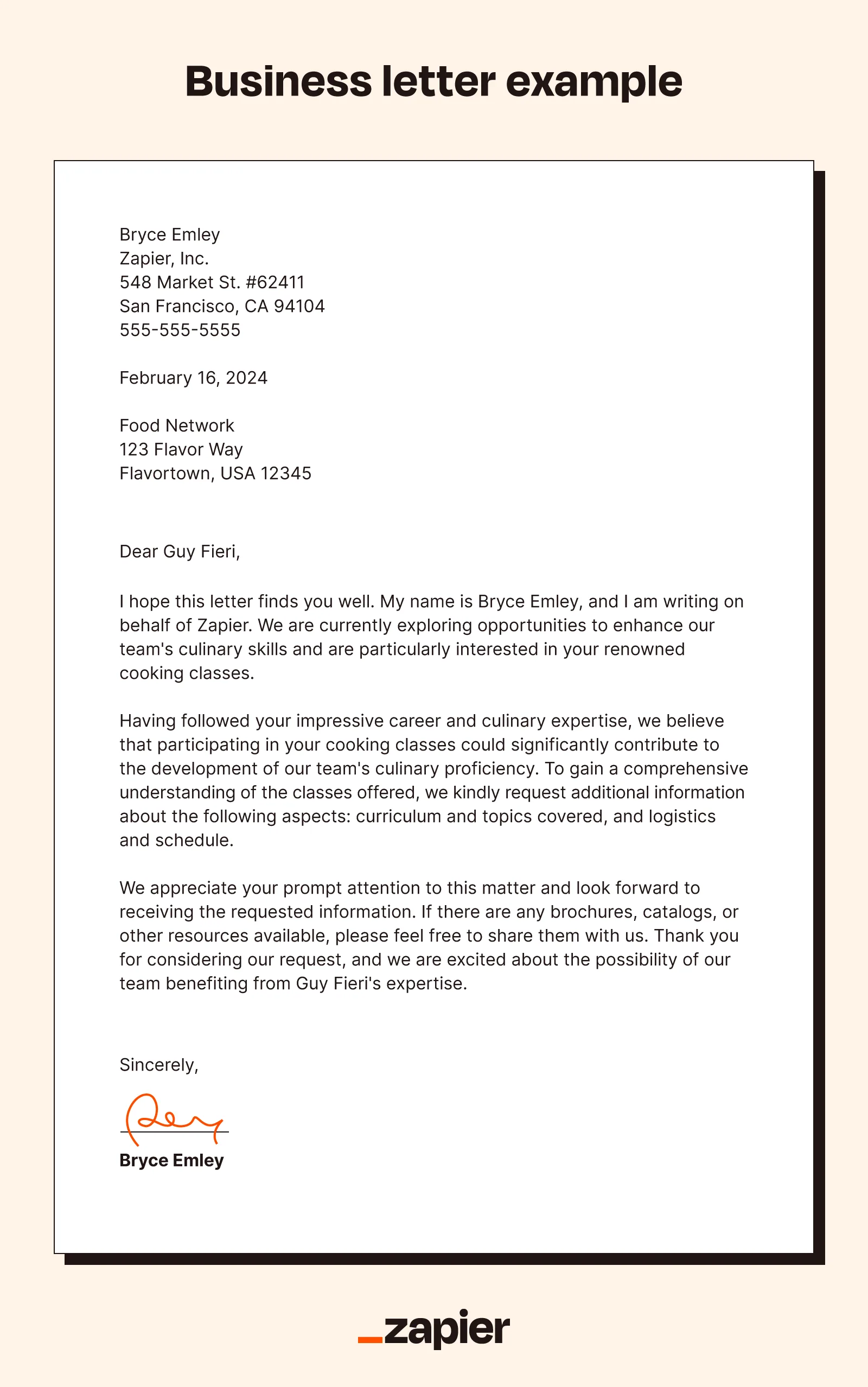
Positioned at the top left corner, the sender’s address identifies the originator. Follow it with the date, which is critical for legal and procedural timelines.
- Address should include street, city, state, and ZIP code.
- Use the full month name (e.g., September 5, 2026) to avoid ambiguity.
2. Recipient’s Information
Place the recipient’s name, title, company, and address directly below the date. Use formal salutations and verify titles for accuracy.
- Include “Dear Mr./Ms./Dr.” followed by the full last name.
- When the recipient’s title is unknown, use a generic title such as “To Whom It May Concern.”
3. Salutation
The salutation is a brief yet powerful introduction. Keep it respectful and aligned with the recipient’s rank or position.
- “Dear [Title] [Last Name],” is the most common.
- For group addresses, use “Dear [Department] Team,” or “Dear Members of the Board,”.
4. Body of the Letter
Divide the body into concise paragraphs that follow a logical flow: introduction, context, main points, and closing remarks. Each paragraph should focus on a single idea and transition smoothly to the next.
4.1. Opening Paragraph
This paragraph states the purpose of the letter and provides a brief overview. It should be no longer than two sentences.
4.2. Middle Paragraphs
These paragraphs present supporting details, evidence, or arguments. Use bullet points or numbered lists when listing multiple items to enhance readability.
4.3. Closing Paragraph
Summarize the key takeaways, express gratitude, and indicate any follow‑up actions. Keep the tone positive and forward‑looking.
5. Complimentary Close
Use a professional close such as “Sincerely,” or “Respectfully,” followed by a comma. The choice should reflect the formality of the relationship.
6. Signature Line
Leave ample space for a handwritten signature. Include the printed name, title, and company affiliation underneath.
7. Enclosures and CC
If you are attaching documents, note them with “Enclosure:” followed by a brief description. For carbon copies, use “Cc:” followed by recipient names.
Formatting Best Practices
Beyond content, the visual presentation of a formal business letter signals professionalism. Adhering to consistent formatting guidelines ensures the letter is easy to read and aesthetically pleasing.
1. Font Choice and Size
- Opt for classic fonts such as Times New Roman or Garamond.
- Maintain a font size of 12 points for the body and 10–11 points for the header and footer.
2. Margins and Spacing
- Set 1-inch margins on all sides.
- Use single spacing within paragraphs and double spacing between paragraphs for clarity.
3. Alignment
- Align all text to the left. Do not use justified alignment as it can create uneven spacing.
- Keep the date and sender’s address left-justified, while the salutation and closing can be centered if desired.
4. Page Numbers and Headers
- For single-page letters, page numbers are unnecessary.
- If the letter extends beyond one page, include a discreet header with the page count.
Common Mistakes to Avoid
Even seasoned writers can fall into pitfalls that diminish the letter’s authority. Identifying these common errors can help maintain a polished standard.
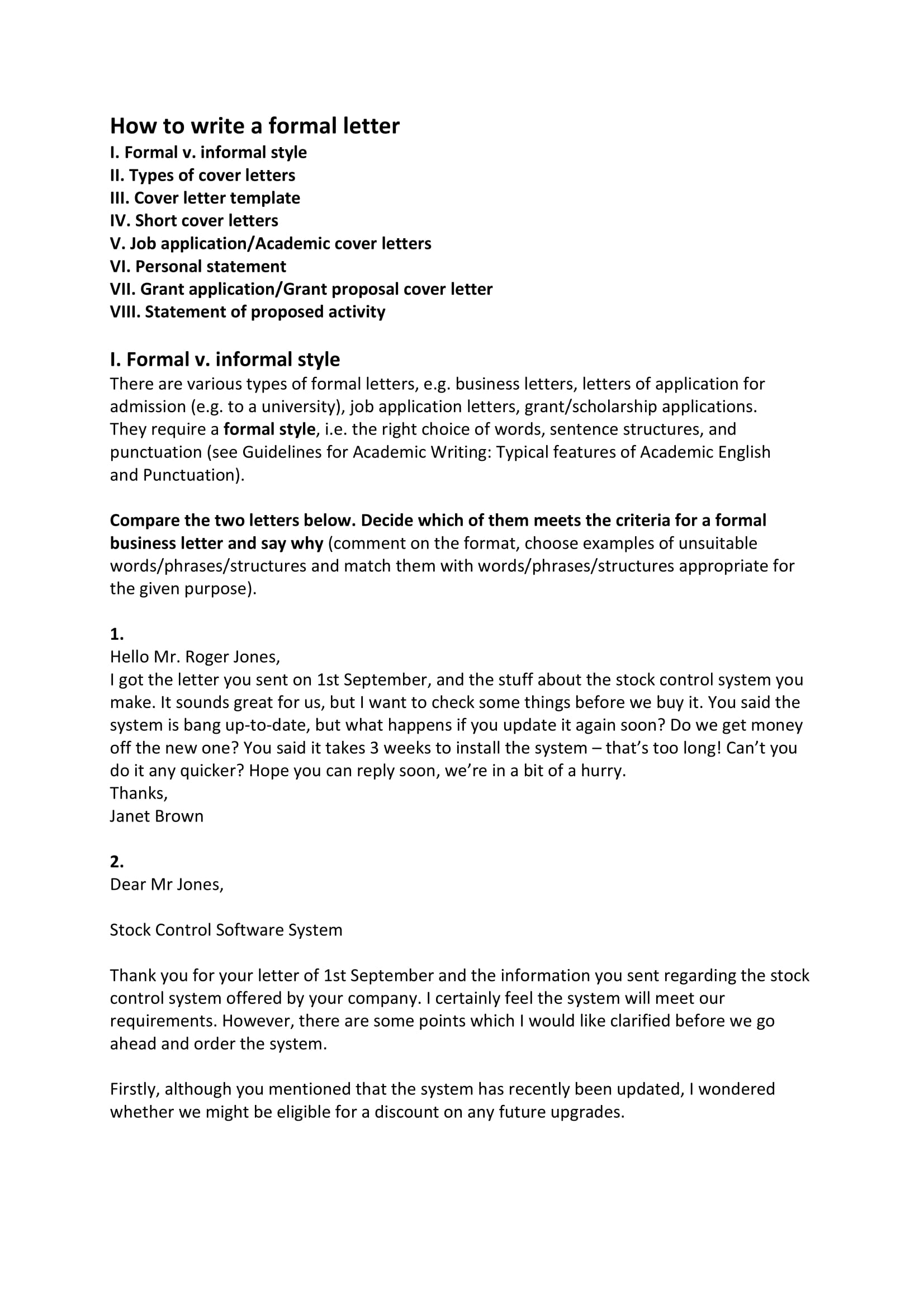
1. Informal Language
Avoid contractions, slang, or overly casual phrasing. The letter should embody corporate etiquette.
2. Grammatical Errors
Typos or syntax mistakes can erode credibility. Proofread carefully or employ a professional editor.
3. Inconsistent Formatting
Shifting fonts or misaligned margins create visual discord. Consistency signals attention to detail.
4. Lack of Clarity
Vague statements or ambiguous requests leave the recipient uncertain. Be precise and direct.
Real-World Examples and Templates

Below are two concise examples illustrating how to adapt the structure for different scenarios. Each example follows the previously outlined format while catering to distinct business contexts.
Example 1: Partnership Proposal
Sender’s Address and Date
Recipient’s Information
Salutation: Dear Ms. Johnson,
Body: The opening paragraph introduces the purpose—proposing a partnership between the two firms. Middle paragraphs outline the benefits, projected ROI, and operational plans, using bullet points to emphasize key data. Closing paragraph reiterates interest, thanks the recipient, and invites a meeting. Complimentary close: Sincerely,
Signature line: John Doe, Director of Business Development, Acme Corp.
Enclosure: Partnership Proposal Document.
Example 2: Complaint Resolution
Sender’s Address and Date
Recipient’s Information
Salutation: Dear Mr. Lee,
Body: The opening paragraph states the issue: delayed shipment. Middle paragraphs detail the affected orders, reference the purchase order number, and provide a timeline of events. Closing paragraph expresses commitment to resolving the issue, outlines the corrective action, and invites further discussion. Complimentary close: Respectfully,
Signature line: Emily Clark, Customer Relations Manager, Global Goods Inc.
Cc: Operations Manager.
Leveraging Technology for Efficiency
Modern tools can streamline the creation of formal business letters. Word processors offer built‑in templates, while CRM platforms can auto-fill recipient details and track correspondence history.
1. Template Libraries
Maintain a repository of approved letter templates for common scenarios. This ensures compliance with branding and style guidelines.
2. Mail Merge Features
Use mail merge to personalize mass letters—ideal for customer notifications or policy updates—while preserving a unified structure.
3. Collaboration Platforms
Cloud‑based editing allows multiple stakeholders to review and approve drafts in real time, reducing turnaround time.
Measuring Effectiveness
Assessing how your formal business letters perform is essential for continuous improvement.
1. Response Rate
Track how many recipients respond within a set timeframe. Low rates may signal unclear messaging.
2. Follow‑Up Frequency
Evaluate the need for additional correspondence. Excessive follow‑ups can indicate insufficient clarity in the original letter.
3. Stakeholder Feedback
Solicit input from recipients regarding tone, structure, and overall professionalism. Use surveys or informal check‑ins.
Conclusion
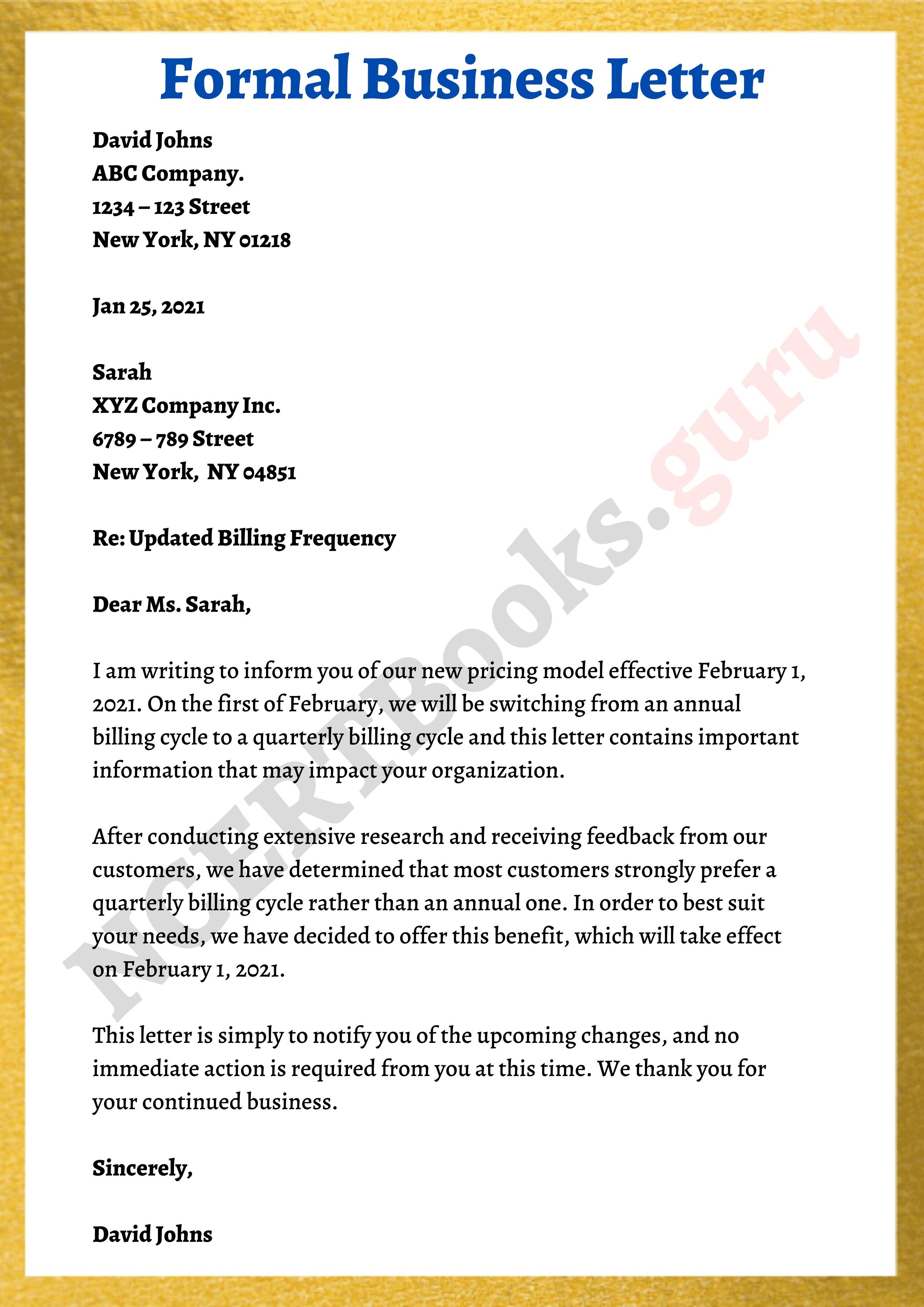
Mastering How To Write A Formal Business Letter Template equips professionals with a reliable vehicle for conveying intent, solidifying relationships, and preserving corporate integrity. By adhering to a disciplined structure, precise language, and consistent formatting, you can produce letters that not only communicate effectively but also reinforce your organization’s reputation for excellence. Whether you’re drafting a proposal, addressing an issue, or confirming an agreement, the principles outlined here provide a robust framework that ensures every communication carries the weight and respect it deserves.