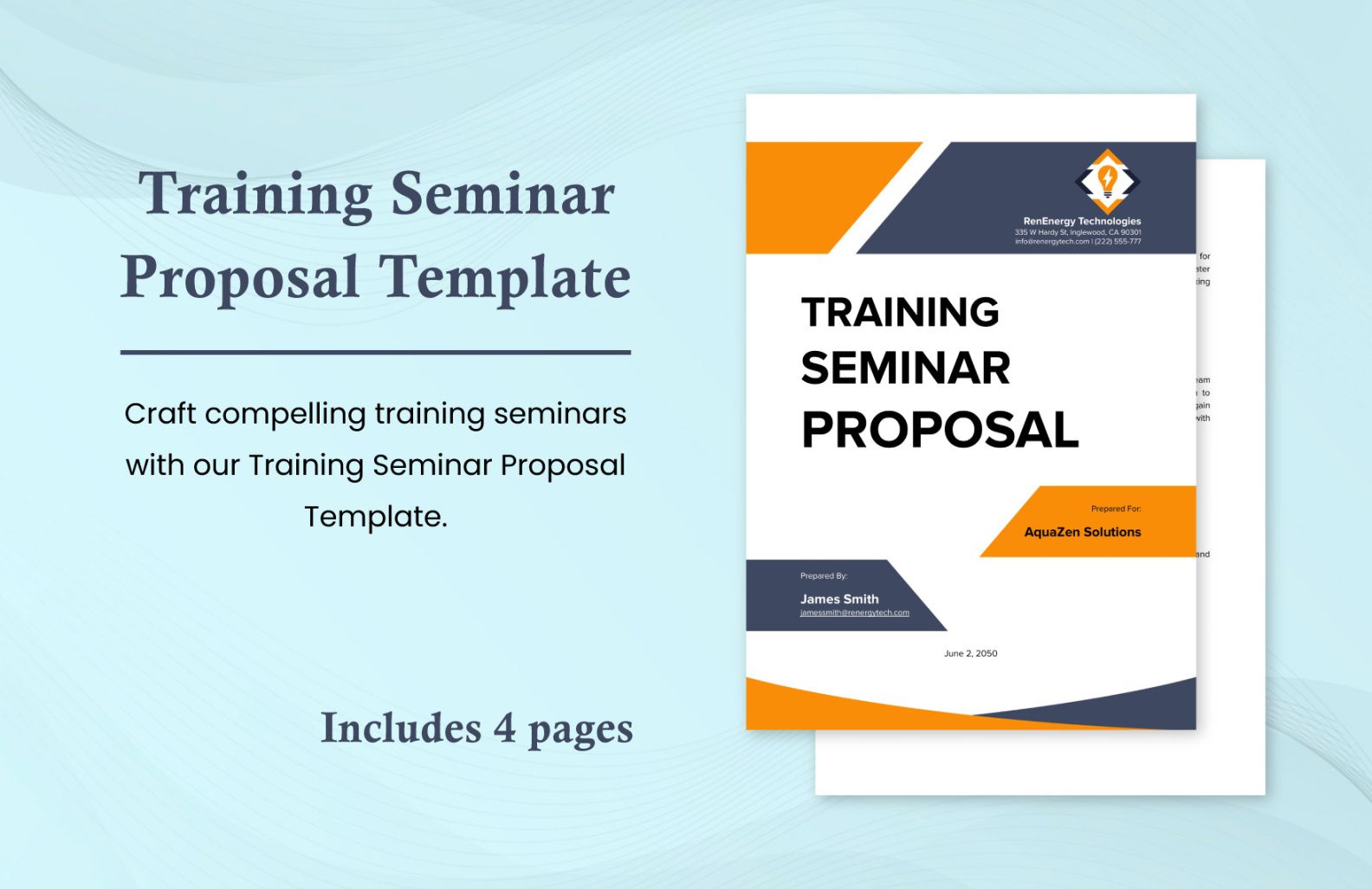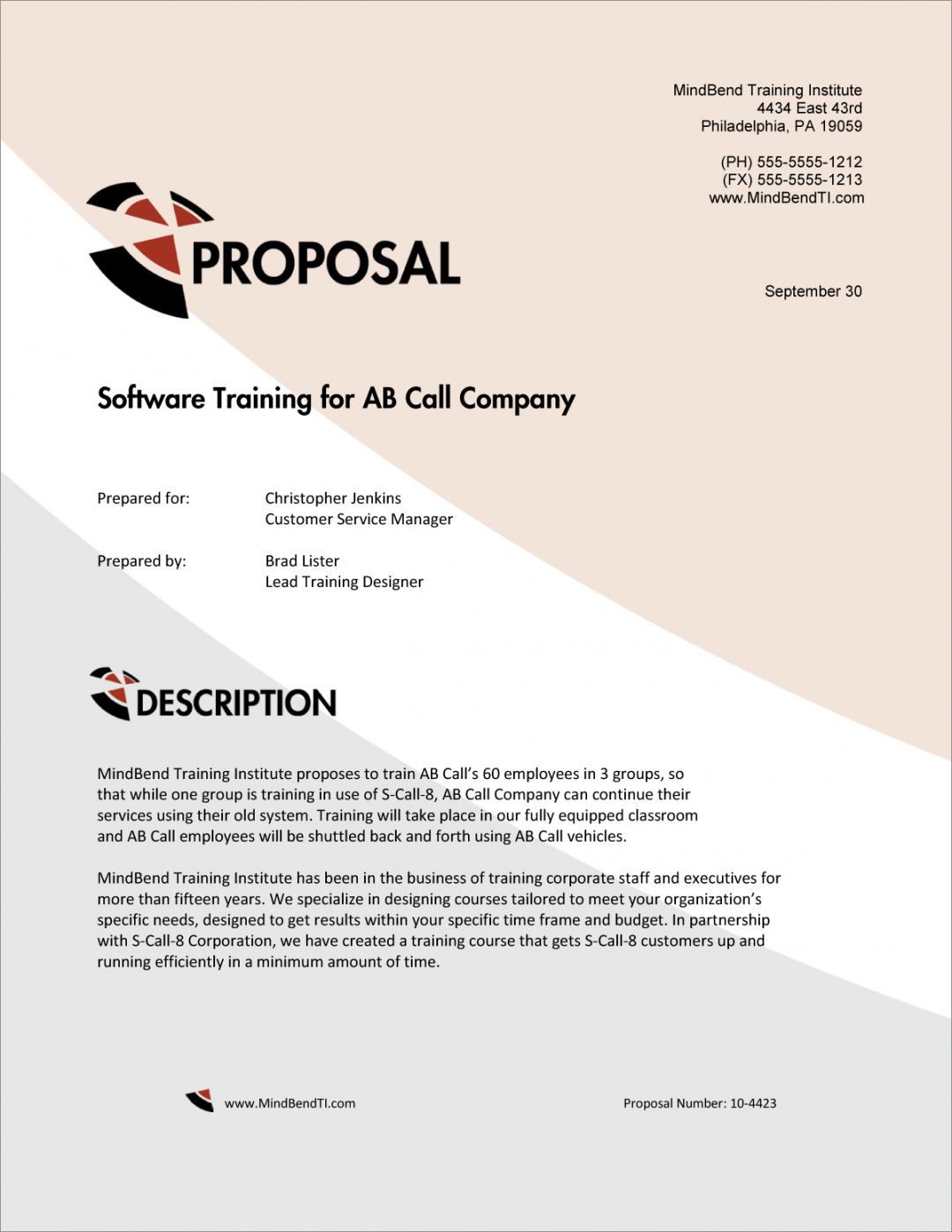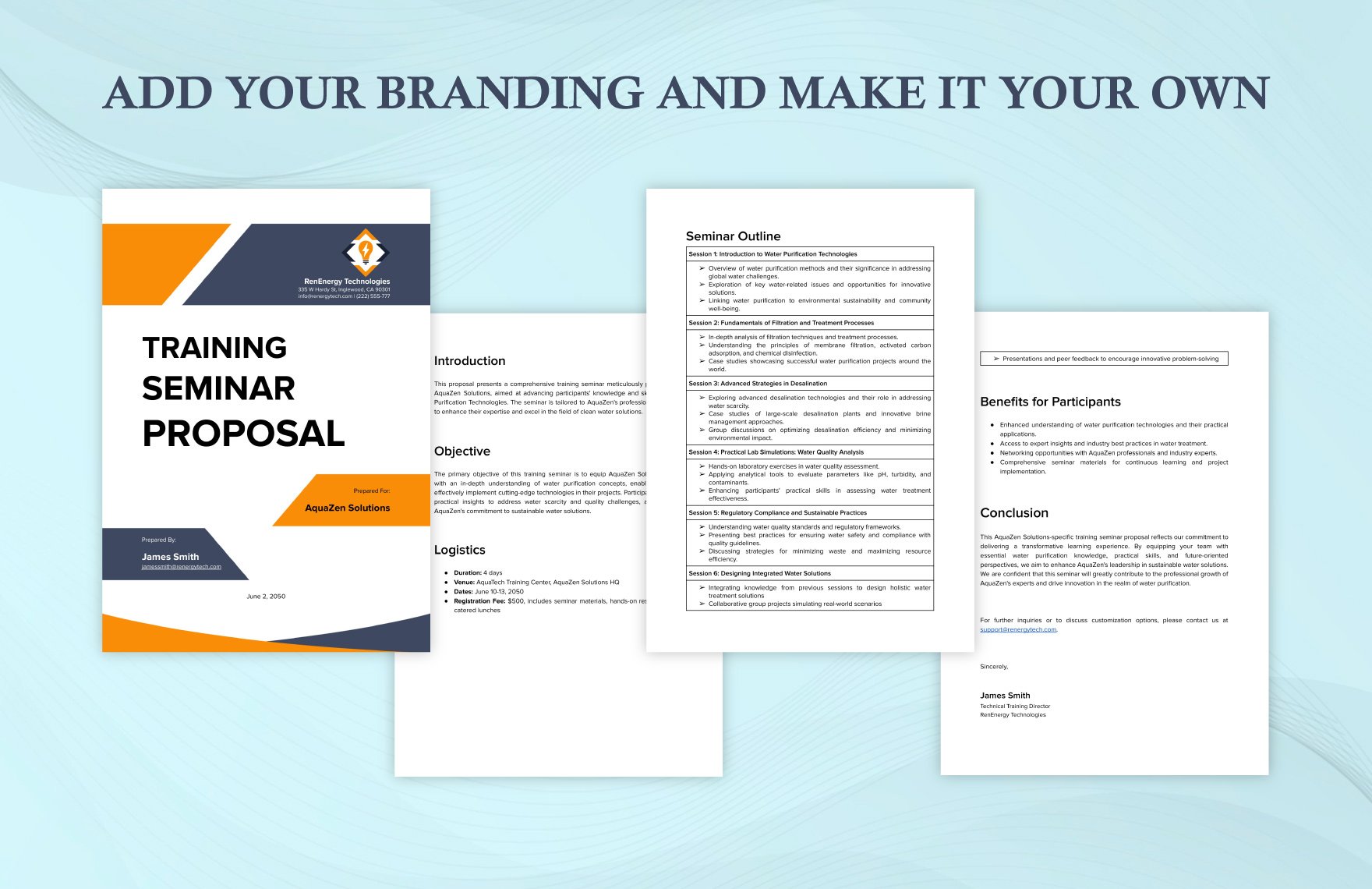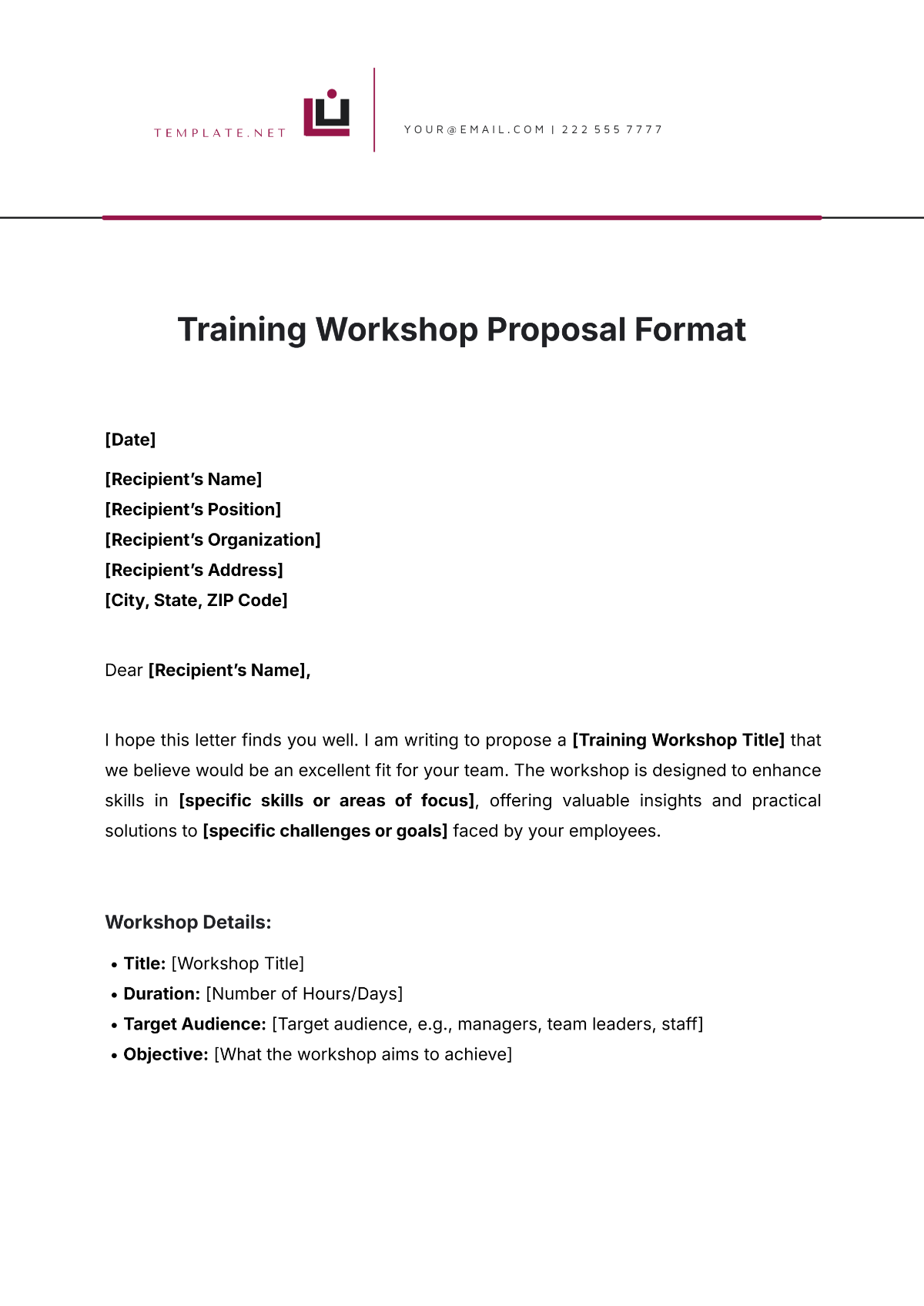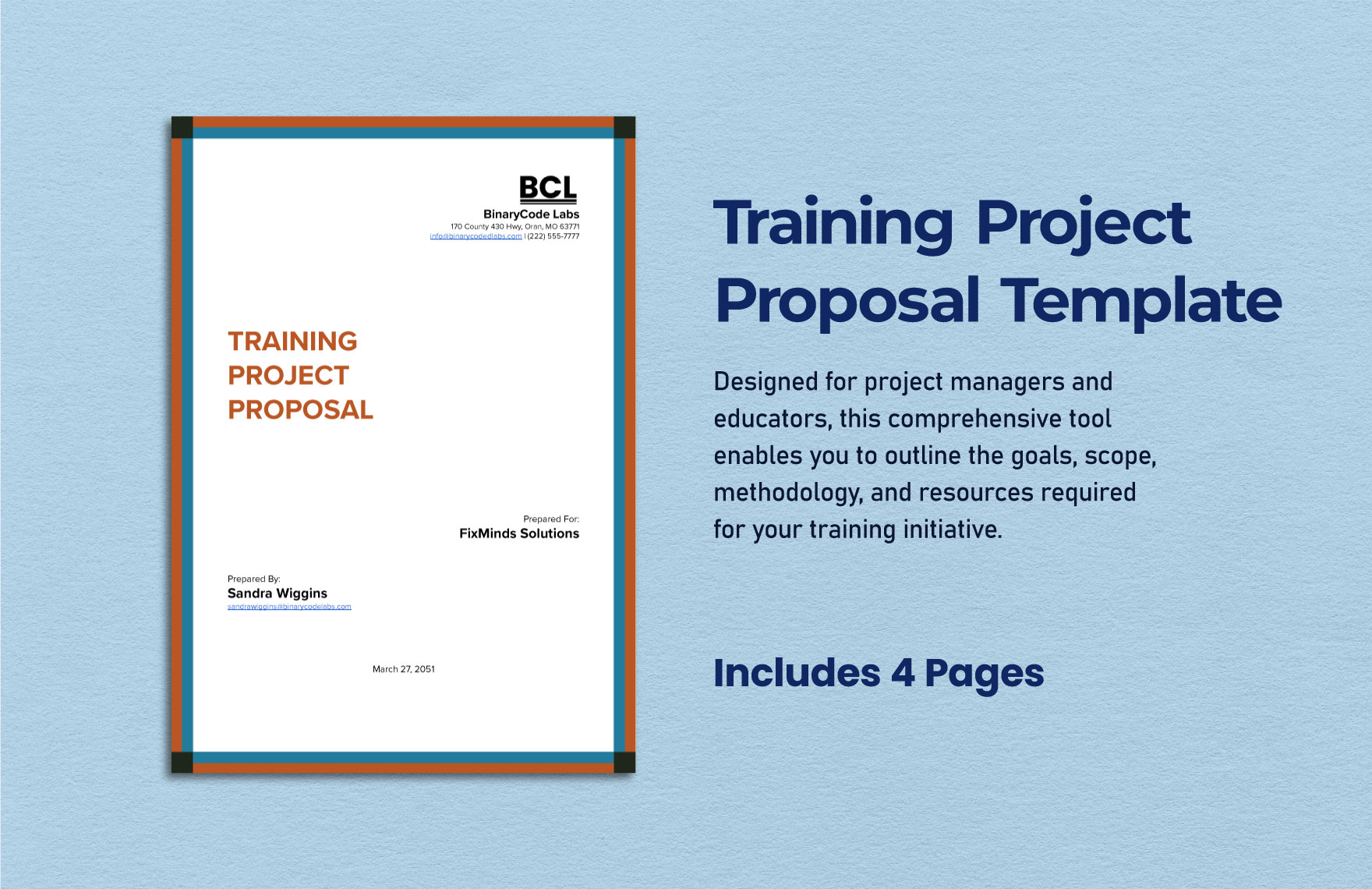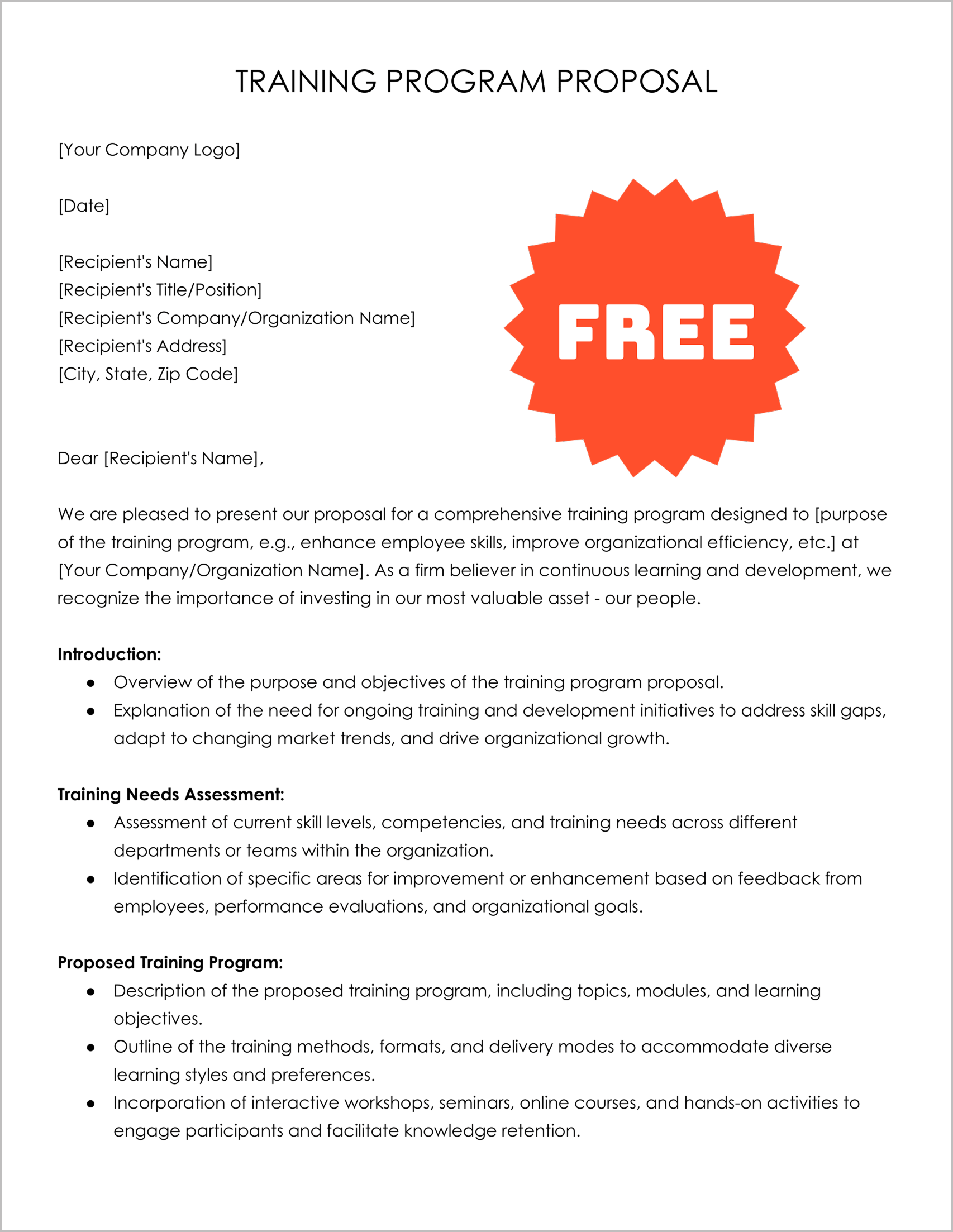
Training Proposal Template is more than a set of pages—it’s a strategic bridge that connects an organization’s learning goals with measurable outcomes. In today’s fast‑moving business environment, a well‑crafted proposal not only secures funding but also aligns stakeholders, defines clear objectives, and sets the stage for a successful training program.
Why a Training Proposal Template Matters
When teams debate the value of training, the conversation often turns to cost, time, and impact. A robust training proposal template addresses these concerns by presenting a structured narrative that demonstrates how the program will drive business results.
Credibility and Consistency
Executive leadership demands proof of concept. A template standardizes language, formatting, and data presentation, making it easier for reviewers to compare proposals side‑by‑side. Consistency builds trust—reviewers see the same clear layout: executive summary, learning objectives, budget, and evaluation plan—every time.
Time Efficiency
Reusing a template eliminates redundant effort. Instead of drafting each section from scratch, designers can focus on tailoring content to specific needs, allowing proposals to move through approval cycles faster.
Stakeholder Alignment
By including stakeholder inputs and aligning objectives with organizational goals, the template ensures that every party sees a shared roadmap. This reduces friction and accelerates consensus.
Core Components of an Effective Training Proposal Template
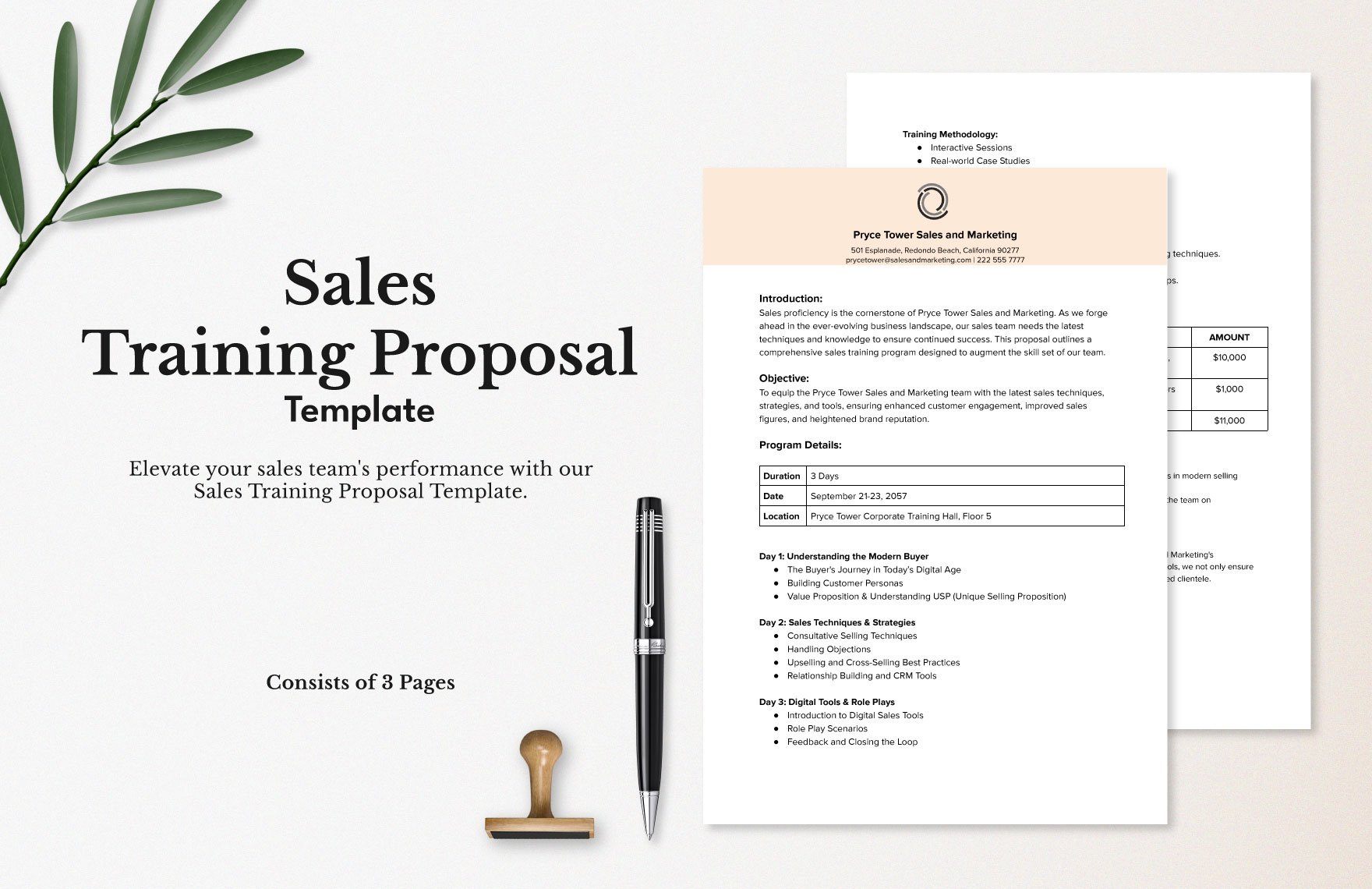
Below is a checklist of essential sections that every high‑impact proposal should contain. Each component should be concise yet data‑rich, enabling decision‑makers to assess value quickly.
Executive Summary
Summarize the problem, proposed solution, and expected benefits in a paragraph or two. Highlight key metrics, such as projected improvement in productivity or compliance scores.
Learning Objectives
Define specific, measurable, achievable, relevant, and time‑bound (SMART) outcomes. These objectives act as a north star for course design and evaluation.
Target Audience Analysis
Describe demographics, skill levels, and learning preferences. This section demonstrates that the program is tailored to real user needs.
Course Design and Delivery Methods
Outline modules, instructional strategies, and technology platforms. Discuss whether the training will be in‑person, virtual, or blended, and justify each choice based on learner context.
Budget and Resources
Break down costs for facilitation, materials, technology, and personnel. Provide a clear line‑item justification that aligns expenses with outcomes.
Evaluation and ROI Metrics
Specify assessment methods, pre‑ and post‑tests, surveys, and KPI dashboards. Include a plan for tracking long‑term impact on performance.
Timeline and Milestones
Present a Gantt‑style view of key dates, from needs assessment through post‑training review.
Crafting Each Section—Step‑by‑Step Guidance
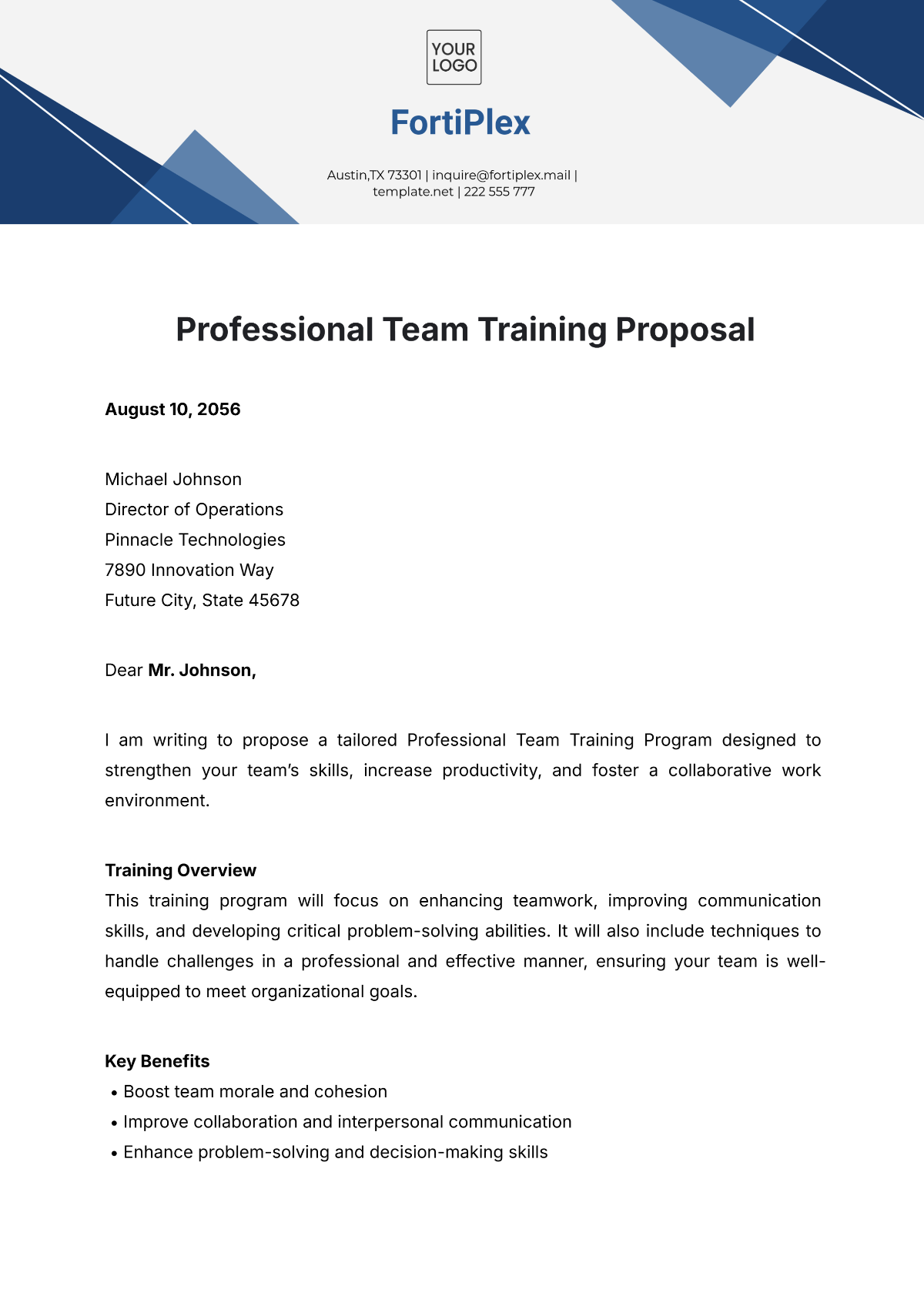
Below, each section is broken down into actionable steps that transform a generic template into a compelling, customized proposal.
Writing an Engaging Executive Summary
- Start with a hook that states the business challenge.
- Present the proposed training as the solution.
- End with a bold claim about measurable improvement.
Defining SMART Learning Outcomes
- Identify a behavior change rather than a generic skill.
- Quantify the desired level of proficiency.
- Set a timeframe for when the outcomes should be observed.
- Ensure each outcome aligns with broader business KPIs.
Profiling Your Learners
- Use job titles, seniority, and department data.
- Assess current skill gaps with a quick diagnostic.
- Include learner personas to humanize the analysis.
Choosing Modalities: In‑Person, Virtual, Blended
- Match modality to learner location and availability.
- Leverage technology for interactive simulations.
- Offer optional face‑to‑face refresher sessions to reinforce concepts.
Cost Breakdown and Justification
- Separate direct costs (facilitators, materials) and indirect costs (time off, travel).
- Provide a cost‑benefit analysis, citing industry benchmarks.
- Highlight potential savings, such as reduced turnover or error rates.
Measurement Strategy
- Define baseline metrics (e.g., current error rate).
- Schedule follow‑up assessments at 30, 60, and 90 days.
- Include qualitative feedback mechanisms like focus groups.
- Show how results will feed into performance reviews.
Real-World Examples of Training Proposals

Illustrating a template in action helps readers visualize its application. The following three examples span diverse industries and objectives.
Corporate Onboarding Program
Objective: Reduce new hire ramp‑up time by 25%.
Method: 6‑week blended course with e‑learning modules, live workshops, and mentorship.
Budget: $15,000 for content licensing, facilitator fees, and LMS integration.
Outcome: 90% of new hires meet competency benchmarks within the first quarter.
Soft Skills Development for Mid-Level Managers
Objective: Increase team engagement scores by 15%.
Method: 3‑day intensive workshop followed by monthly coaching sessions.
Budget: $10,000 for facilitation, materials, and coaching platform.
Outcome: Post‑workshop surveys show a 20% increase in perceived leadership effectiveness.
Compliance Training for a Global Team
Objective: Achieve 100% compliance with GDPR regulations.
Method: Interactive virtual classroom with real‑time polling and case studies.
Budget: $8,000 for compliance experts, translation services, and cloud hosting.
Outcome: 100% of participants pass the certification quiz on the first attempt.
Common Pitfalls and How to Avoid Them
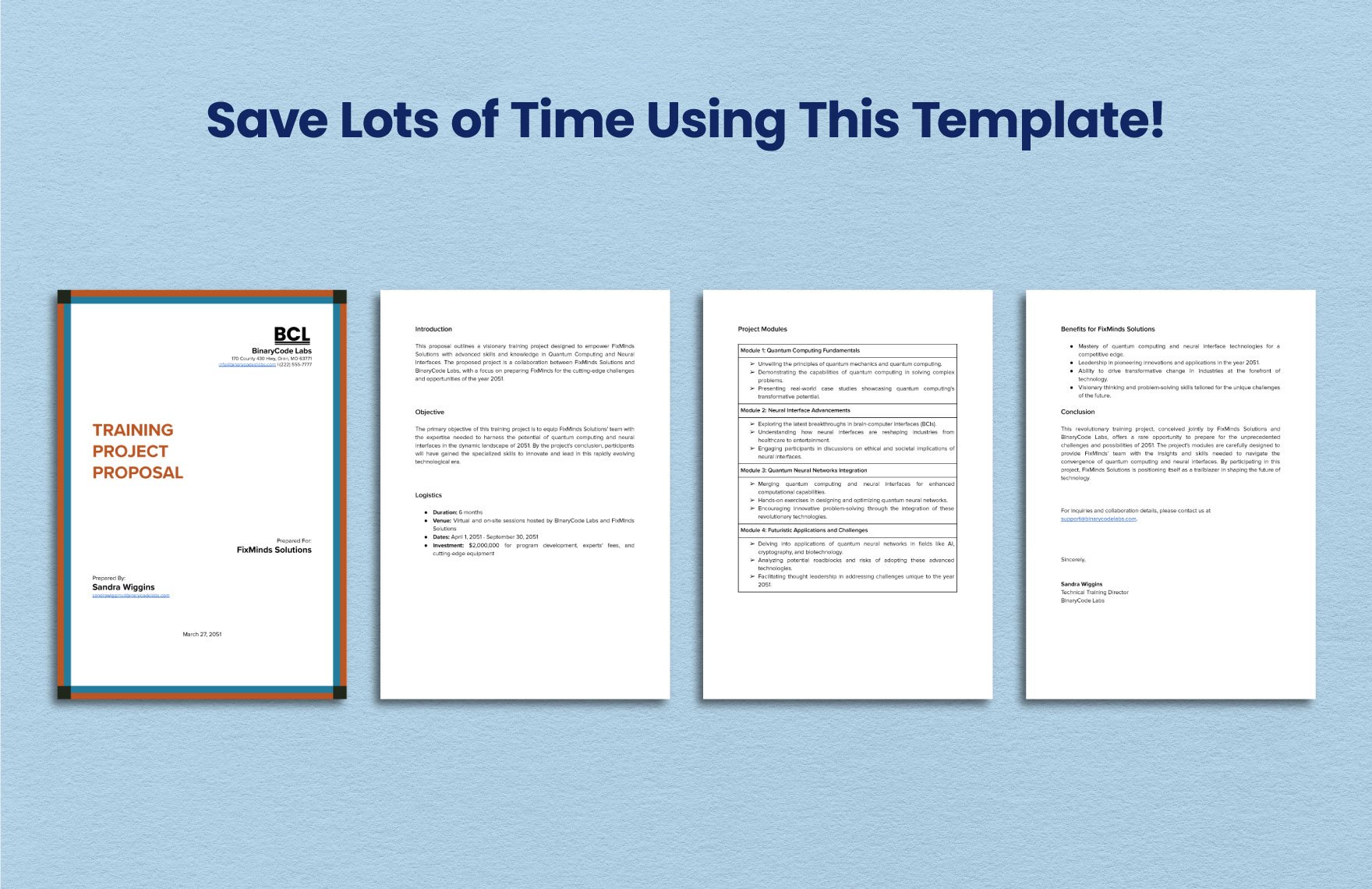
Overloading Content
Too much information can overwhelm both reviewers and learners. Keep each section concise, using tables or infographics where appropriate.
Ignoring Stakeholder Needs
Without input from finance, HR, and business units, a proposal risks rejection. Schedule stakeholder interviews early and integrate feedback into the template.
Skipping Evaluation Plans
An absence of measurable outcomes erodes credibility. Embed a clear evaluation strategy in the template to demonstrate ROI.
Tips for Customizing Your Template
Brand Alignment
Use corporate colors, fonts, and logo placement consistently across the proposal to reinforce brand identity.
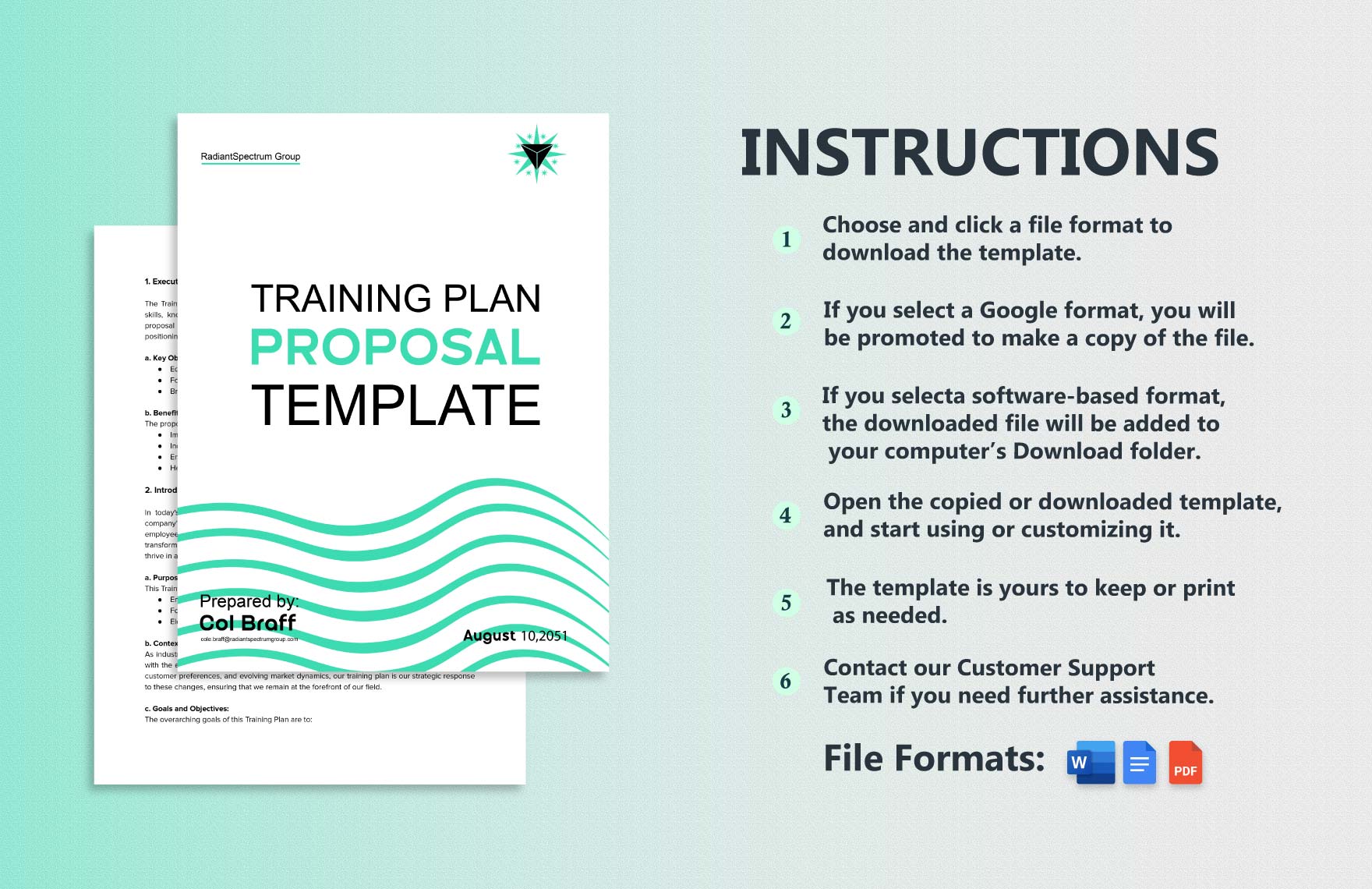
Using Templates in Cloud Platforms
Store the template in Google Docs, Microsoft Word, or a cloud‑based learning platform to enable real‑time collaboration and version control.
Collaborative Editing
Invite subject matter experts and finance to co‑author sections. A shared workspace reduces revisions and speeds up approval.
Final Thoughts
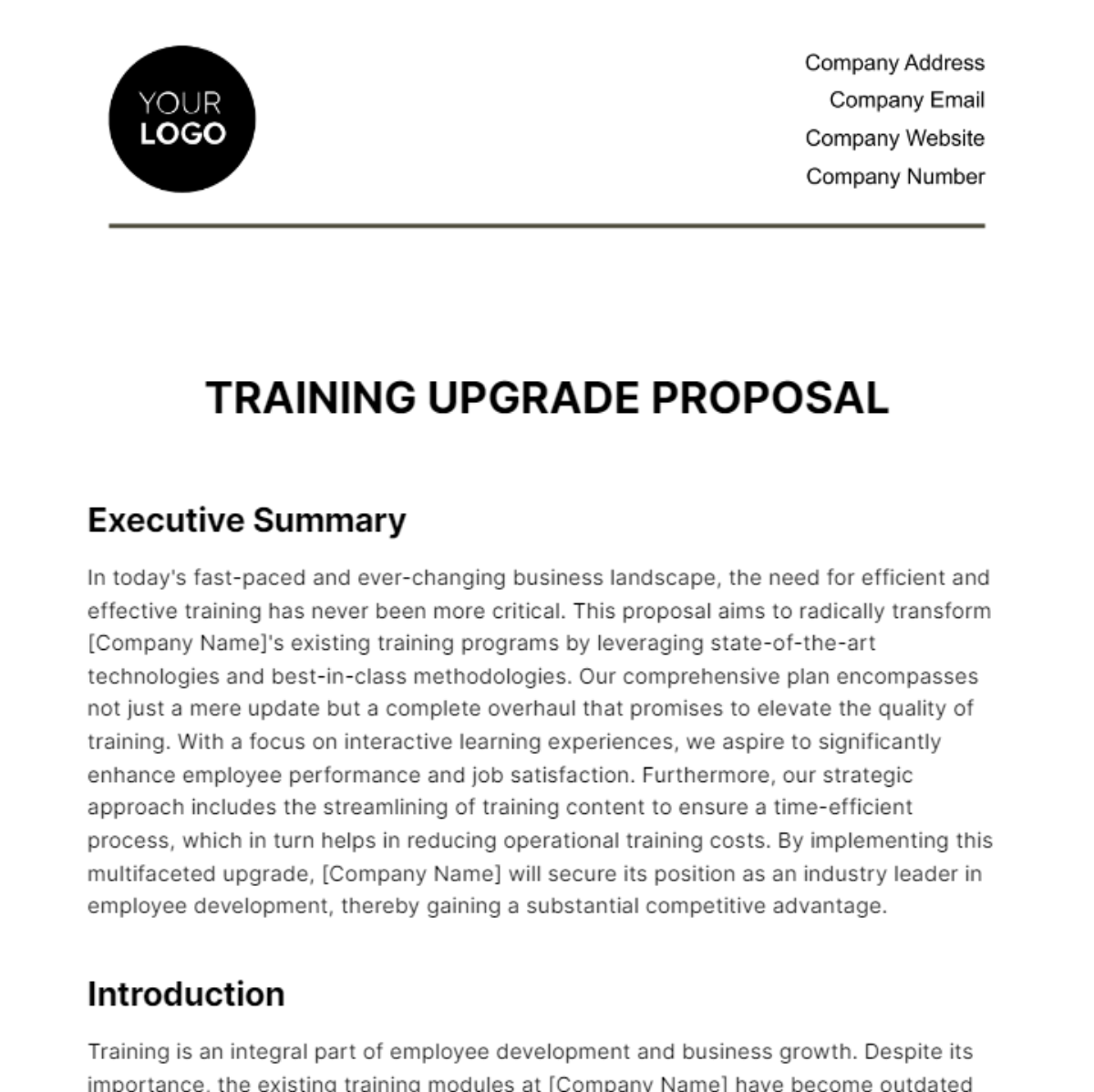
A training proposal template is a strategic asset that transforms idea into investment. By incorporating clear objectives, precise budgets, and robust evaluation plans, the template not only satisfies approval processes but also builds a foundation for measurable learning outcomes. Embrace the structure, tailor the details, and let the proposal speak to the organization’s vision—turning learning initiatives into tangible business success.