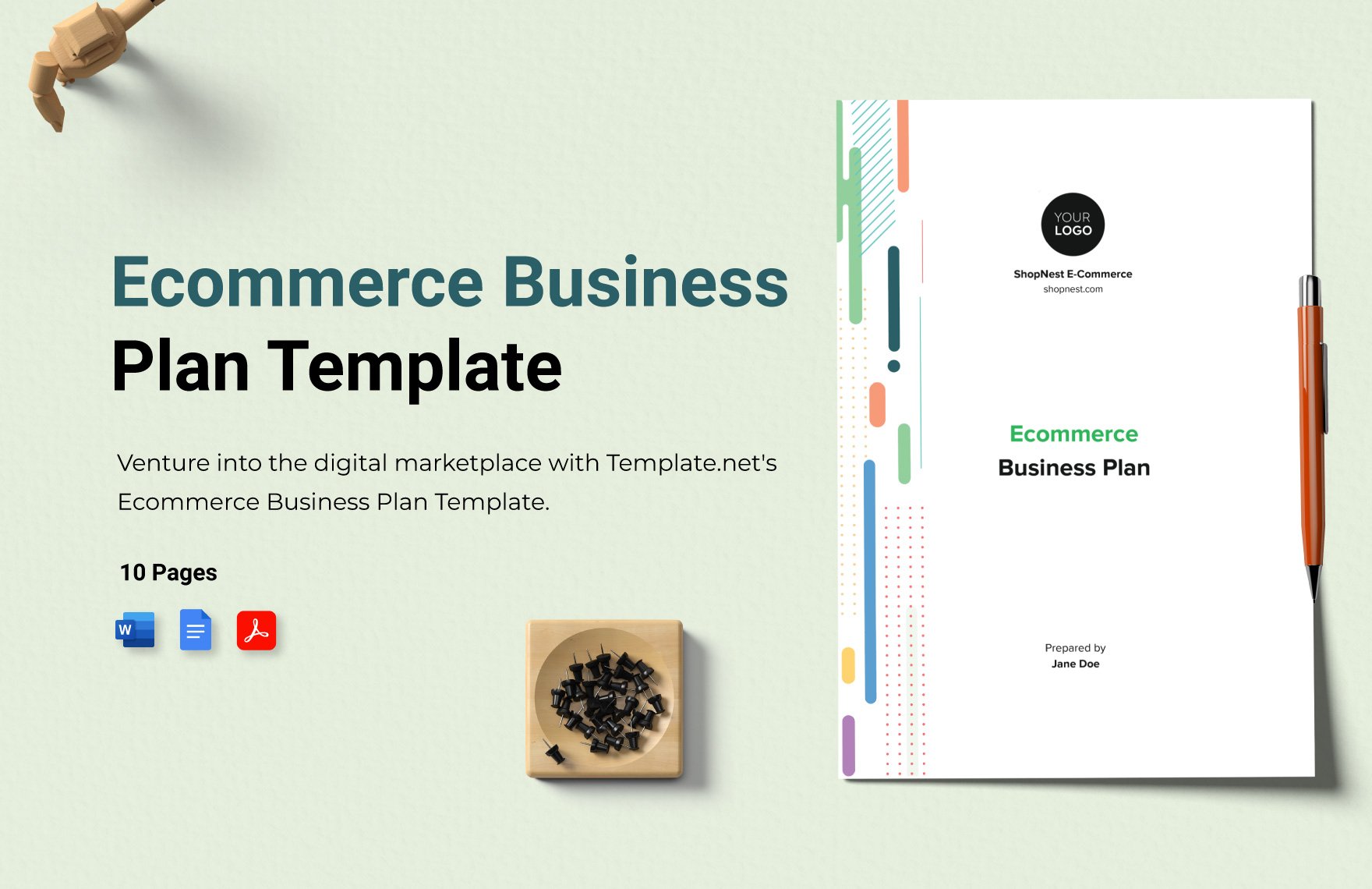
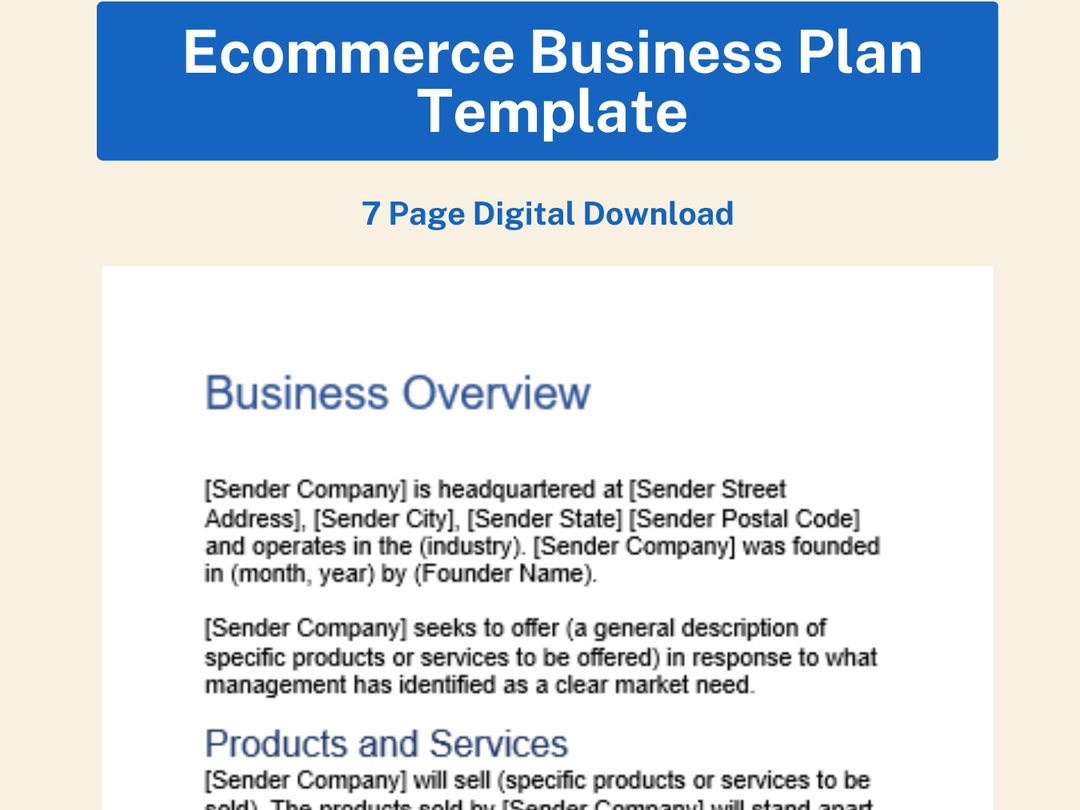
Ecommerce Website Business Plan Template isn’t just a fancy name for a boring spreadsheet—it’s the superhero cape that turns your online store idea from “maybe someday” into “cha‑cha‑cha, we’re officially open for business!” If you’ve ever tried to launch an e‑commerce venture without a roadmap, you probably know the feeling of wandering the desert with a GPS that keeps saying “recalculating.” This guide will give you the laughs, the logic, and the literal checklist you need to make your digital storefront the next big thing (or at least keep you from accidentally selling your grandma’s antique teacups to strangers).
What Exactly Is an Ecommerce Website Business Plan Template?

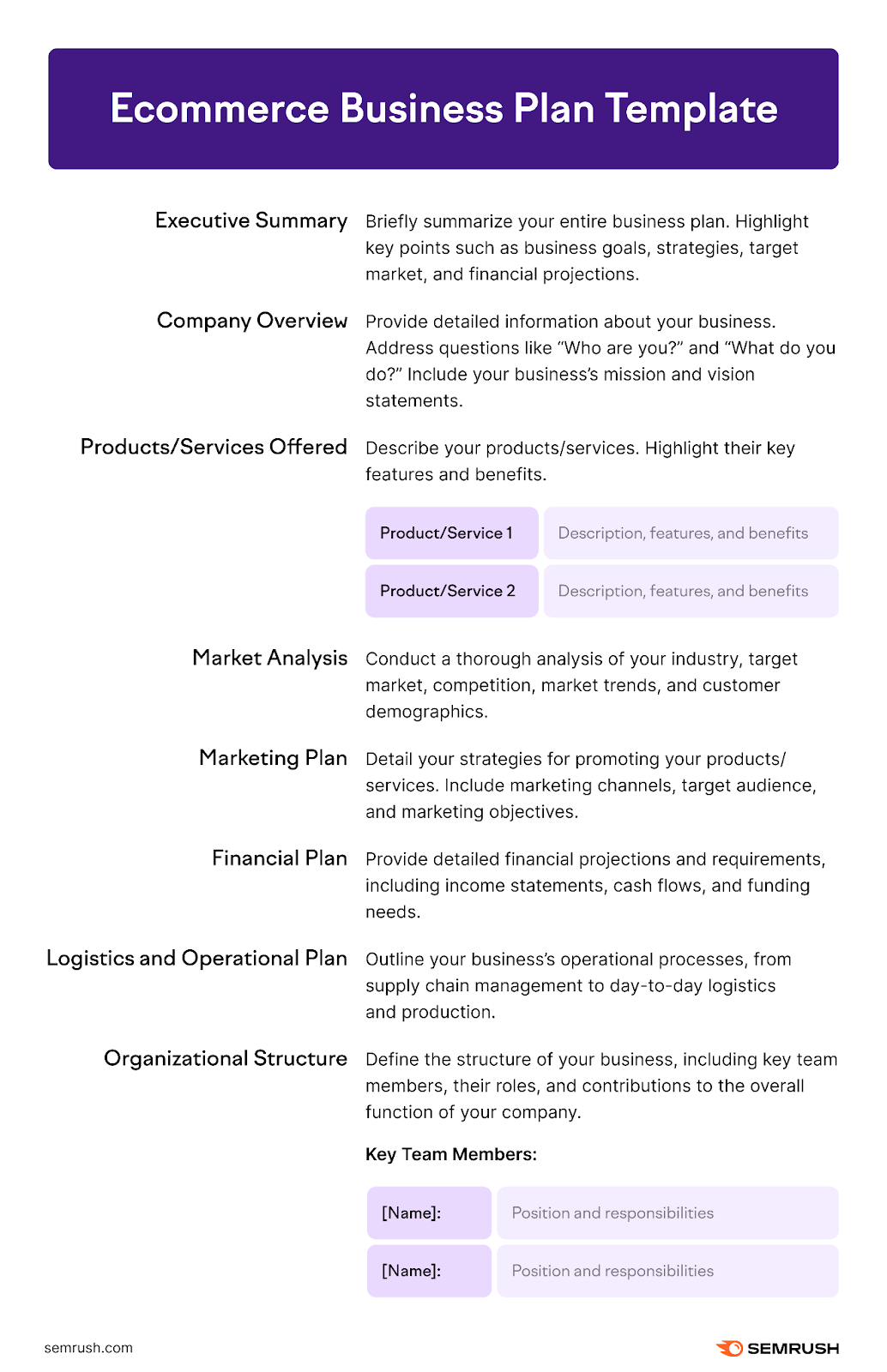
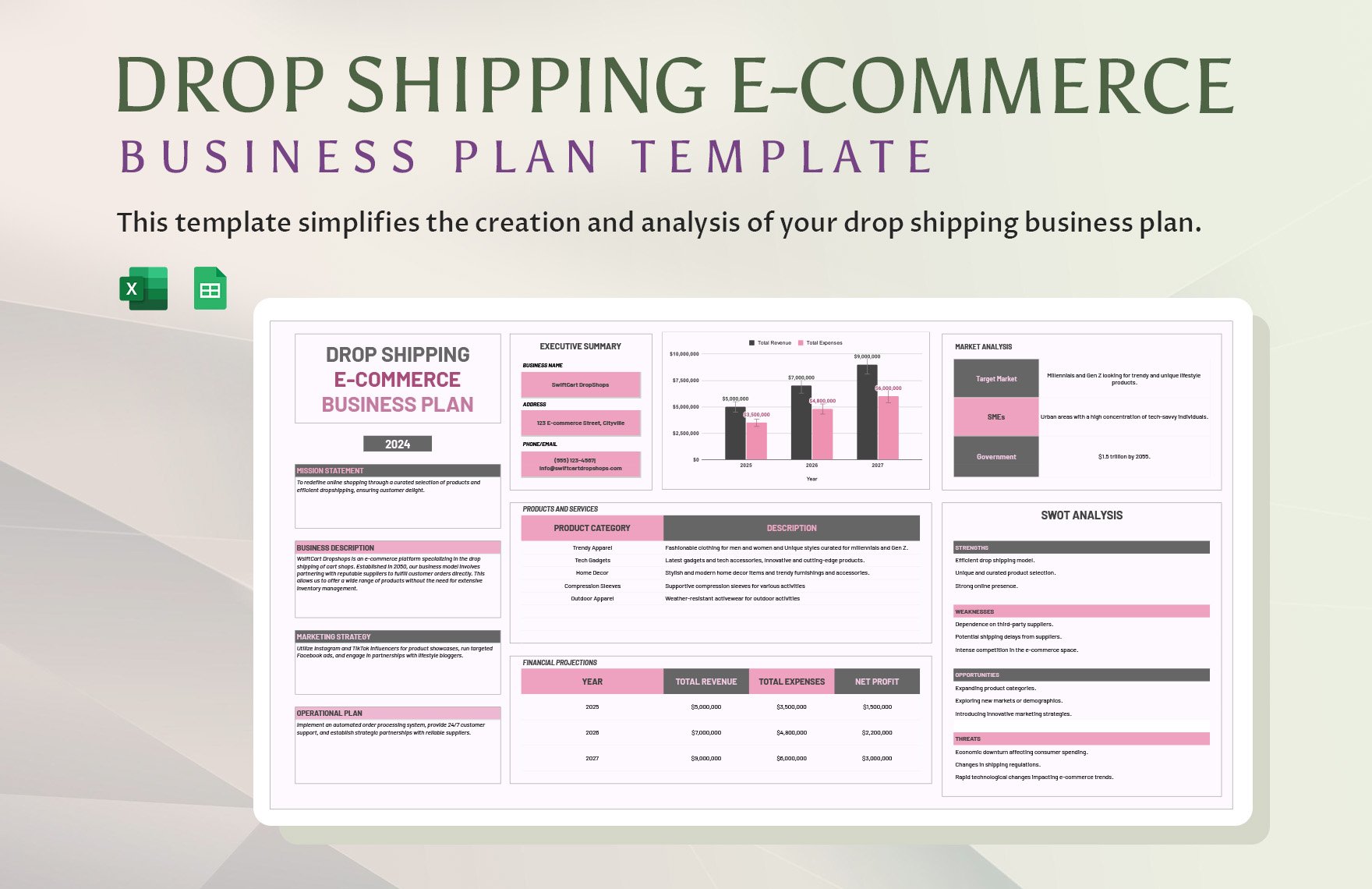
Think of a template as a pre‑baked pizza crust. The crust is ready, the sauce and cheese are optional, and you can add whatever toppings (read: strategies) you want. An Ecommerce Website Business Plan Template provides the structural foundation—sections for market analysis, financial projections, marketing tactics, and operational details—so you don’t have to reinvent the wheel each time you dream up a new niche. It saves time, reduces guesswork, and makes it easier for investors (or that skeptical aunt) to understand why your online pet‑costume store is a solid bet.
Core Components Every Template Should Include
Skipping any of these sections is like trying to bake a cake without flour—something’s going to fall flat.
Executive Summary
The executive summary is the “elevator pitch” that convinces readers you’re not just another cat‑lover with a Shopify store. It should be concise (150‑250 words) yet punchy, covering your mission, the problem you solve, your unique value proposition, and a snapshot of financial expectations.
Company Description
Here you spill the beans on who you are, where you’re based, and why you care about e‑commerce. Include legal structure (LLC, S‑corp, etc.), ownership breakdown, and a brief history if you’ve already sold a few mugs. A dash of personality (like “Founded after a caffeine‑induced epiphany while waiting for a pizza delivery”) keeps it human.
Market Analysis
This is where you put on your detective hat and prove there’s a hungry audience for your product. Research industry size, growth trends, target demographics, and competitor landscape. Use real numbers (e.g., “The U.S. online apparel market is projected to reach $100 billion by 2026”) and sprinkle in a fun fact (“Did you know 73% of shoppers prefer buying from websites with live chat?”) to keep readers engaged.
Products and Services
Detail your product line, pricing strategy, and any ancillary services (like subscription boxes or free returns). Explain what makes your offering stand out—whether it’s eco‑friendly packaging, a proprietary algorithm that matches socks to personalities, or a “buy one, get a hug” policy (virtual hugs, of course).
Marketing and Sales Strategy
Lay out how you’ll attract traffic, convert visitors, and retain customers. Discuss SEO, pay‑per‑click (PPC), social media, email automation, influencer collaborations, and content marketing. Include a witty tagline for each channel—think “Instagram: Where our products get more likes than your ex’s vacation photos.”
Operations Plan
Describe the day‑to‑day mechanics: order fulfillment, inventory management, shipping partners, customer service workflow, and technology stack (Shopify, WooCommerce, custom API). A flowchart can be helpful, but if you’re short on design skills, a simple bullet list works just fine.
Financial Projections
Investors love numbers, so give them the good stuff: revenue forecasts, cost of goods sold (COGS), operating expenses, break‑even analysis, and cash‑flow statements for at least three years. Use realistic assumptions—no, you won’t magically sell 10,000 units in month one unless you’re launching a viral meme product.
Appendix
Include any supporting documents—market research reports, product photos, supplier contracts, and legal agreements. Think of it as the “bonus round” that shows you’ve done your homework.
Step‑by‑Step Guide to Filling Out the Template
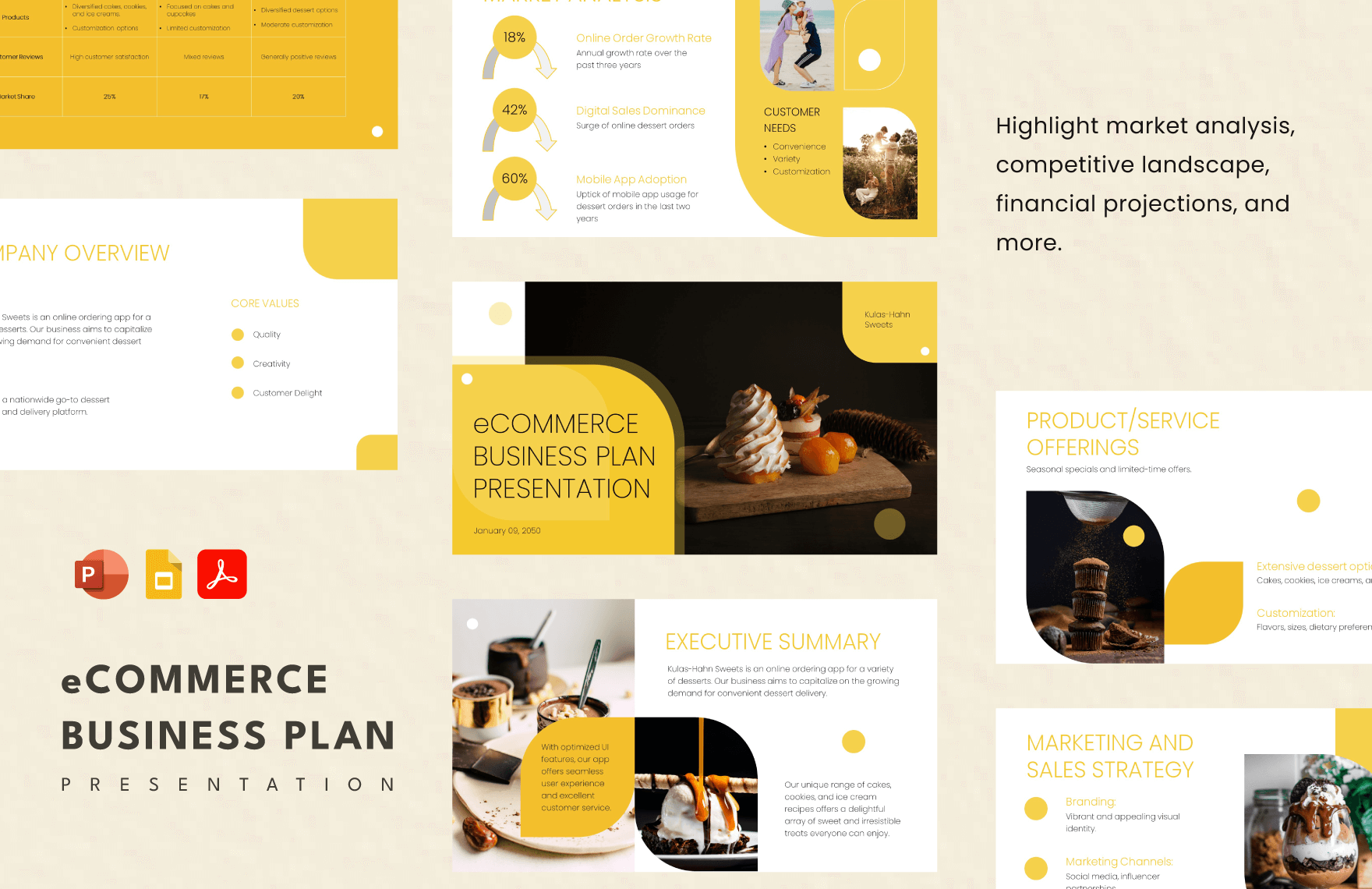
Ready to roll up your sleeves? Follow these steps to transform a blank template into a polished business plan that would make a venture capitalist weep with joy (or at least nod politely).
Step 1: Gather Your Data
Before you type a single word, collect all the stats you’ll need. Use Google Trends, industry reports (Statista, IBISWorld), and competitor websites. Create a spreadsheet with sections for traffic estimates, average order value (AOV), and conversion rates. The more accurate your data, the less you’ll have to guess later.
Step 2: Draft the Executive Summary Last
Although it appears first, the executive summary is easier to write after you’ve completed the rest of the plan. Summarize each major section in a compelling paragraph that tells a story—start with a hook, present the problem, reveal your solution, and finish with a call to action (e.g., “Join us in redefining the way millennials shop for sustainable sneakers”).
Step 3: Paint a Vivid Company Portrait
Write in the first person plural (“We”) to convey teamwork. Mention any relevant experience (e.g., “Our co‑founder spent five years managing logistics for a major retailer”) and sprinkle in a quirky anecdote that shows personality.
Step 4: Conduct a SWOT Analysis
Identify Strengths, Weaknesses, Opportunities, and Threats. For example:
- Strength: Proprietary design software that customizes product visuals in real‑time.
- Weakness: Limited initial inventory due to budget constraints.
- Opportunity: Growing demand for personalized gifts among Gen Z.
- Threat: Large competitors offering free shipping.
This structured view helps you anticipate challenges and leverage advantages.
Step 5: Nail Down Your Marketing Mix
Break your strategy into the classic 4 P’s—Product, Price, Place, Promotion—then add a fifth “People” because customer service matters. Provide concrete tactics, such as:
- SEO: Target long‑tail keywords like “hand‑stitched leather wallets for vegans.”
- PPC: Allocate 20% of the first‑quarter budget to Google Shopping ads.
- Social: Run a TikTok challenge where users showcase creative ways to use your product.
- Email: Set up an automated welcome series with a 10% discount on the second purchase.
Step 6: Map Out the Operations Workflow
Use a simple diagram or bullet list to illustrate each step from order placement to delivery:
- Customer clicks “Buy Now” on the website.
- Payment gateway processes the transaction.
- Order details sync with inventory management system.
- Warehouse picks and packs the item.
- Shipping label generated via UPS API.
- Package shipped; tracking number emailed to customer.
- Customer receives product and optionally leaves a review.
Highlight any automation tools (Zapier, ShipStation) that reduce manual effort.
Step 7: Build Financial Models
Start with a revenue model:
- Average Order Value (AOV): $45
- Monthly Visitors: 20,000
- Conversion Rate: 2.5%
Revenue = Visitors × Conversion Rate × AOV = 20,000 × 0.025 × $45 = $22,500 per month. Project growth rates (e.g., 10% month‑over‑month) and calculate expenses (hosting, marketing, salaries). Use a spreadsheet to create a profit‑and‑loss (P&L) statement, then derive break‑even point and cash‑flow forecast.
Step 8: Review, Refine, and Polish
Read the entire document aloud. Look for jargon, vague statements, and typos. Replace bland phrases (“We aim to increase sales”) with vivid ones (“We’ll boost sales by 30% through targeted Instagram ads and limited‑edition drops”). Ask a colleague or mentor to critique the plan—fresh eyes catch hidden errors.
Tips for Making Your Template Stand Out
Even the best template can become snooze‑fest material if you don’t inject personality and clarity. Here are some pro tips to keep readers engaged and impressed.
Use Visuals Wisely
Charts, graphs, and infographics break up dense text and convey data quickly. For example, a line graph showing projected revenue growth over three years is more digestible than a paragraph of numbers. Keep colors consistent with your brand palette.
Speak the Language of Your Audience
If you’re targeting investors, adopt a formal tone with industry metrics. If the plan is for internal use, a conversational, humorous style (like this article) can boost morale. Adjust the voice accordingly without sacrificing professionalism.
Highlight Your Unique Selling Proposition (USP)
What makes your e‑commerce site different? Whether it’s AI‑driven product recommendations, a zero‑waste packaging promise, or a subscription model that delivers surprise items monthly, spotlight it early and repeatedly throughout the plan.
Include Real‑World Case Studies
Showcase examples of similar businesses that succeeded using a solid plan. For instance, a boutique clothing brand that grew from $5k to $200k in annual revenue after implementing a content‑driven SEO strategy. Cite the lessons learned and how you’ll apply them.
Keep It Scannable
Busy readers love bullet points, bold headings, and short paragraphs. Use bold for key metrics (e.g., “Projected Year‑One Revenue: $150,000”) and keep sentences under 20 words where possible.
Common Mistakes to Avoid

Even the most diligent entrepreneurs slip up. Below are pitfalls that can derail your business plan—and how to dodge them.
Over‑Optimistic Projections
Inflated revenue forecasts raise eyebrows. Base numbers on realistic conversion rates and industry benchmarks. If you’re unsure, err on the conservative side and explain the upside potential in the “Growth Strategy” section.
Vague Market Definition
“We’ll sell to everyone” is a recipe for failure. Narrow down your target market by demographics, psychographics, and buying behavior. The more specific you are, the easier it is to craft tailored marketing messages.
Ignoring Competition
Every e‑commerce niche has rivals. Conduct a competitor matrix that compares pricing, product range, shipping policies, and customer reviews. Show how you’ll differentiate—whether through superior service, niche focus, or innovative features.
Skipping the Risks Section
Investors love honesty. A brief “Risks and Mitigation” section demonstrates you’ve thought ahead. Identify challenges (supply chain disruptions, changing algorithms) and outline contingency plans (multiple suppliers, diversified traffic sources).
Neglecting Legal and Compliance Issues
Compliance is not optional. Mention data privacy (GDPR, CCPA), tax obligations, and any industry‑specific regulations (e.g., FDA for health products). A quick checklist reassures stakeholders that you’re playing by the rules.
How to Use the Template for Different Business Stages

Whether you’re a pre‑launch startup, a fledgling store, or an established brand looking to scale, the template can be adapted.
Pre‑Launch Phase
Focus on market validation, prototype testing, and funding requirements. Keep financial projections modest and highlight milestones like “Beta launch in 90 days.”
Growth Phase
Expand the marketing section to include new channels (Amazon Marketplace, international shipping). Add a “Scalability” subsection under operations, detailing automation tools and hiring plans.
Maturity Phase
Shift emphasis toward brand equity, customer loyalty programs, and diversification (adding complementary product lines). Include a “Strategic Partnerships” section that explores collaborations with influencers or other brands.
Free Resources to Complement Your Template
While the template provides the skeleton, these tools can flesh out the muscles.
Market Research Tools
- Google Keyword Planner – uncover search volume for product-related terms.
- SimilarWeb – analyze competitor traffic sources.
- Statista – access industry reports and forecasts.
Financial Modeling Spreadsheets
- Scorecard’s “Startup Financial Model” – a free Excel workbook with built‑in formulas.
- Google Sheets “Financial Projections Template” – collaborative and cloud‑based.
Design and Presentation Apps
- Canva – create eye‑catching charts and infographics.
- Visme – build interactive presentations for investor pitches.
Conclusion
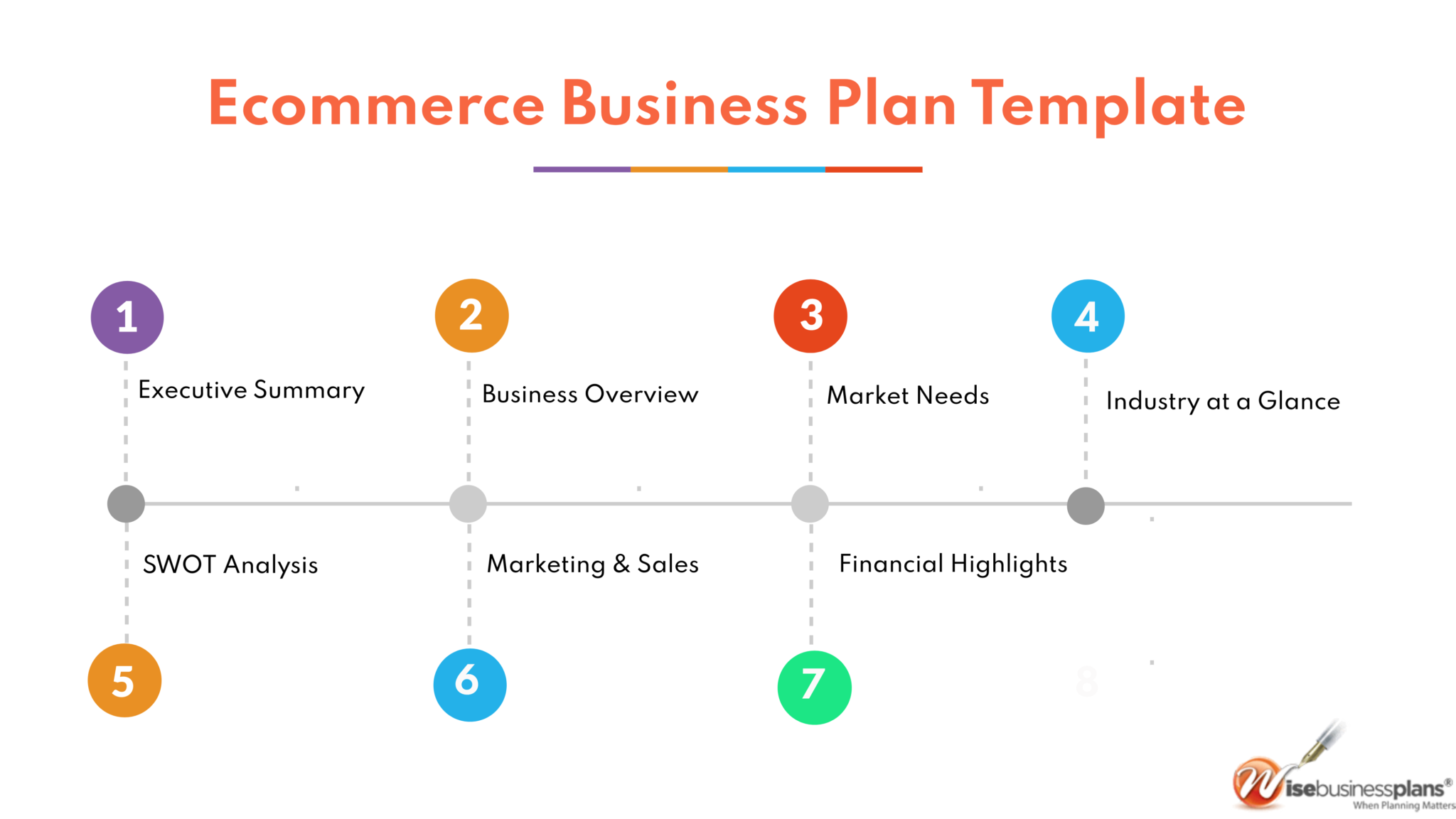
In the chaotic world of online retail, a well‑crafted Ecommerce Website Business Plan Template is the compass that keeps you sailing toward profit instead of drifting into the abyss of abandoned carts. By following the structured sections—executive summary, market analysis, product lineup, marketing strategy, operations, and financials—you’ll produce a clear, persuasive, and, yes, even funny document that showcases your vision and demonstrates competence. Remember to back up every claim with data, sprinkle in personality, and keep the numbers realistic. Use the step‑by‑step guide to fill in each part, avoid common pitfalls, and adapt the template to your business’s life cycle. With this roadmap in hand, you’ll be ready to launch your e‑commerce empire, impress investors, and maybe even earn a few chuckles along the way. Happy selling, and may your conversion rates be ever in your favor!