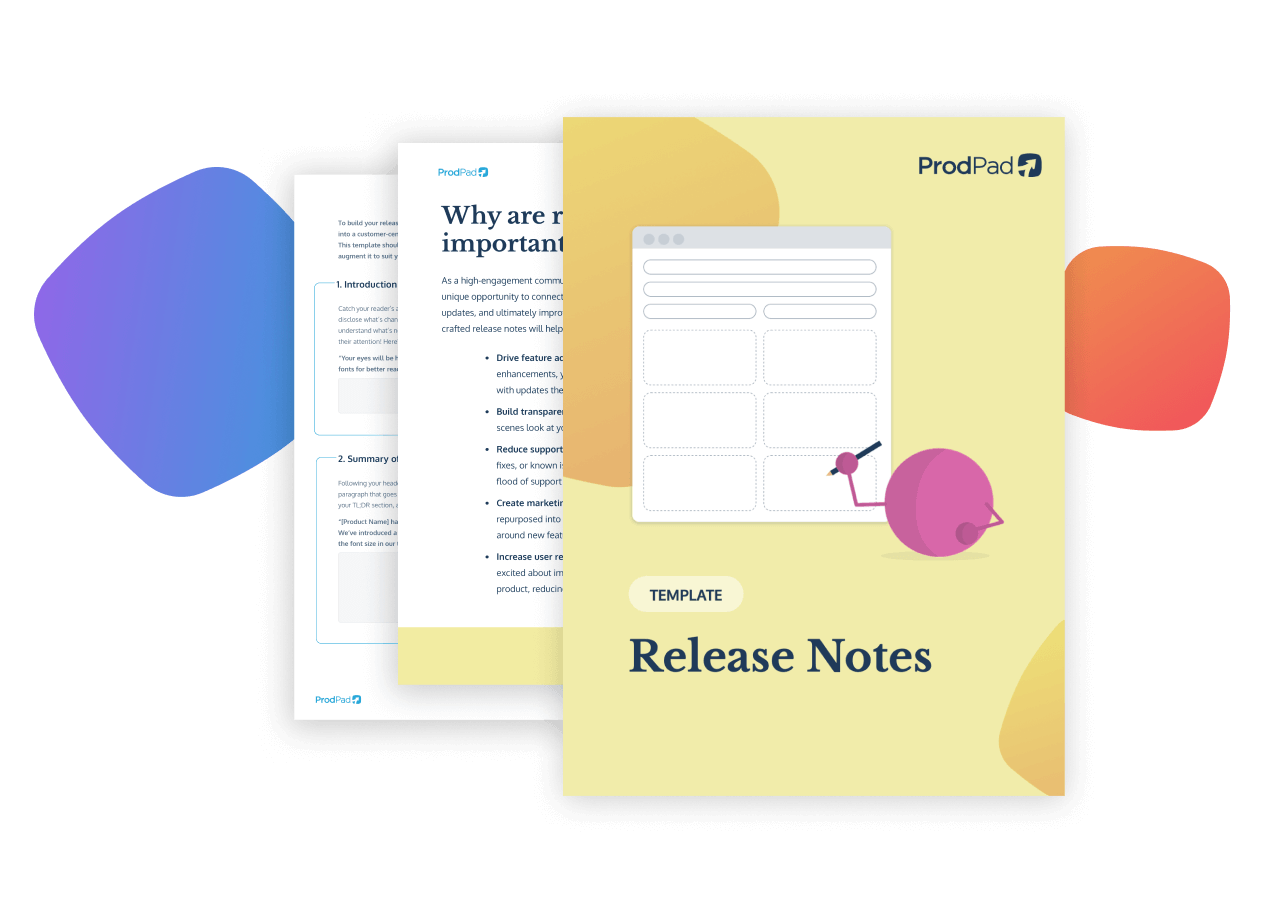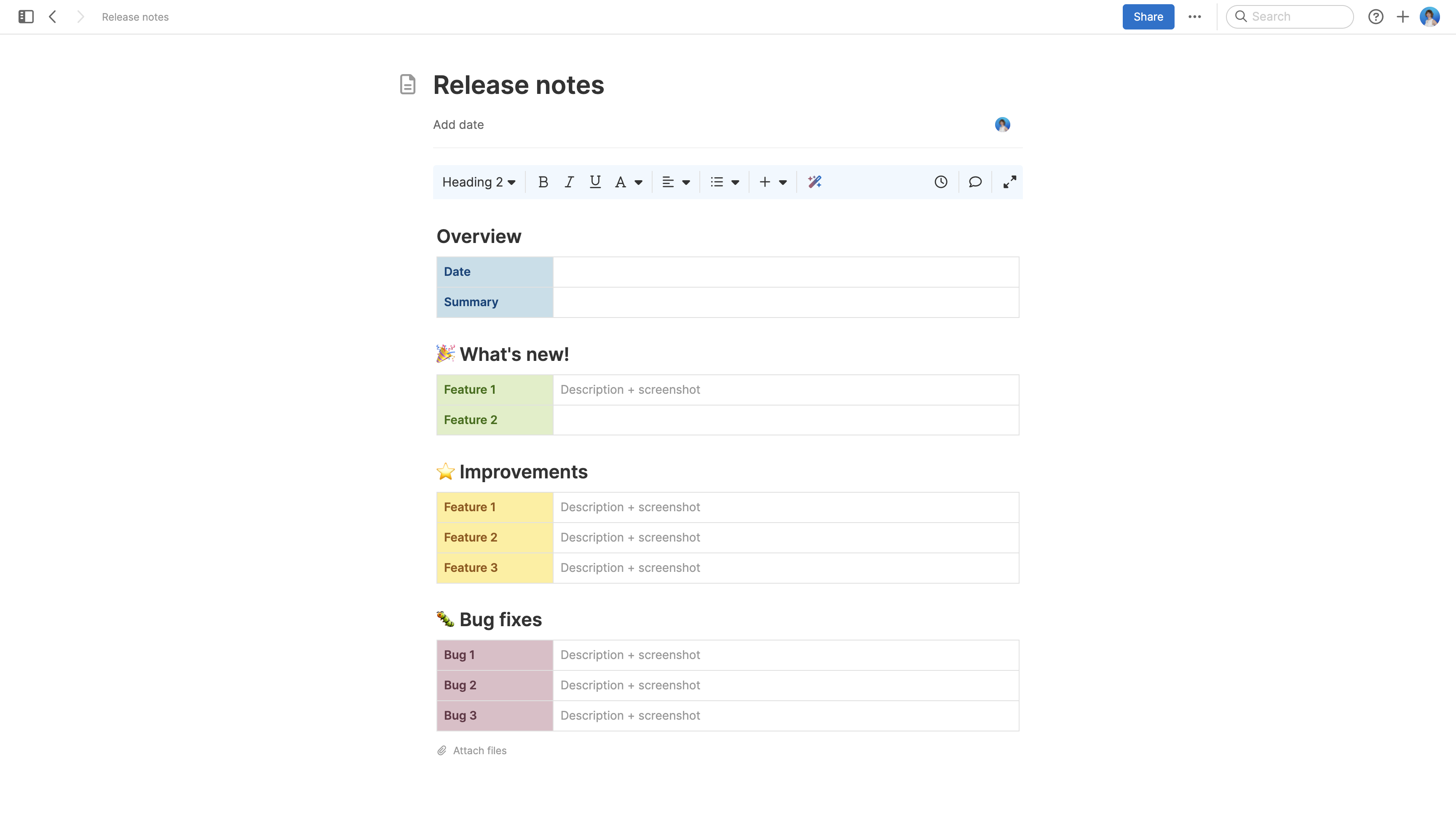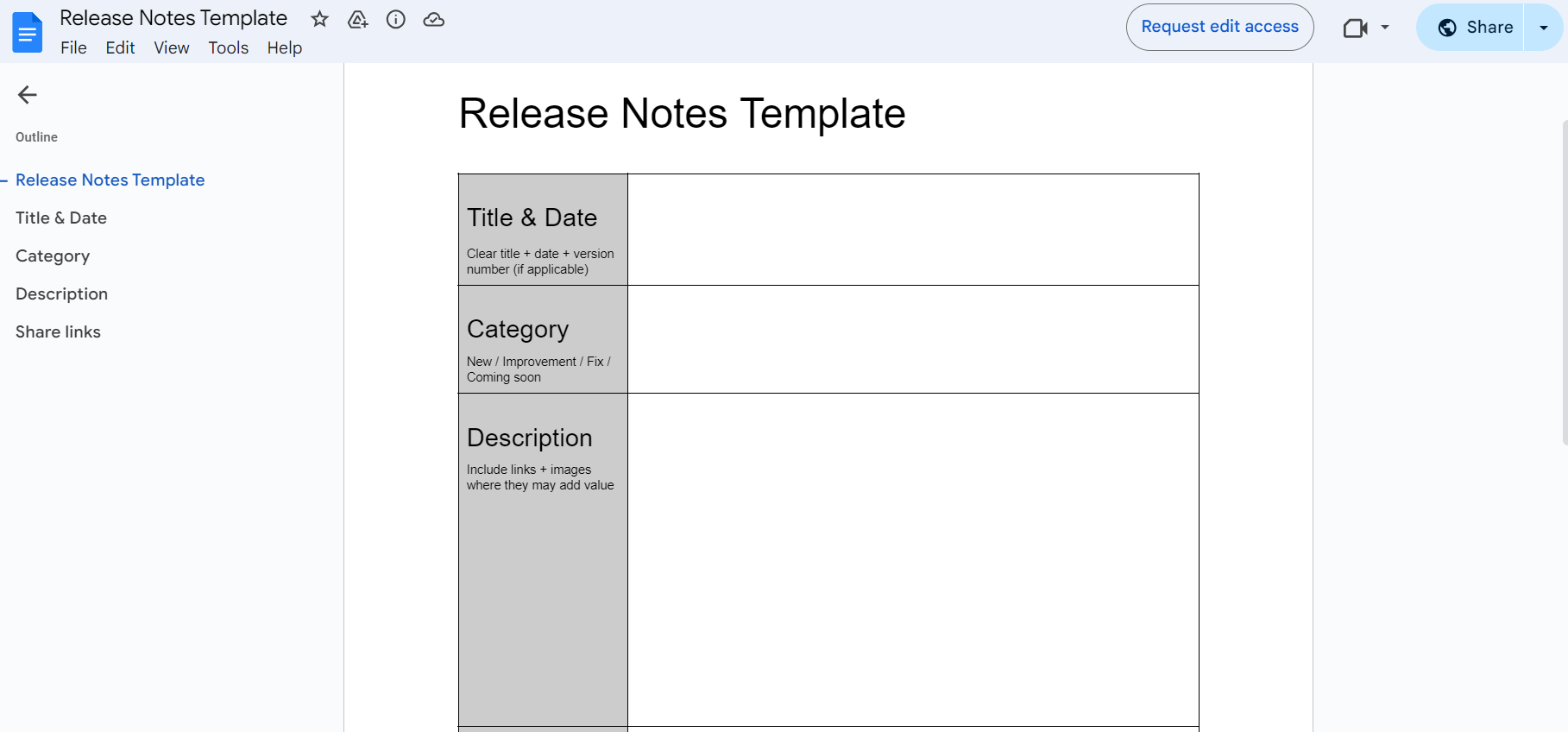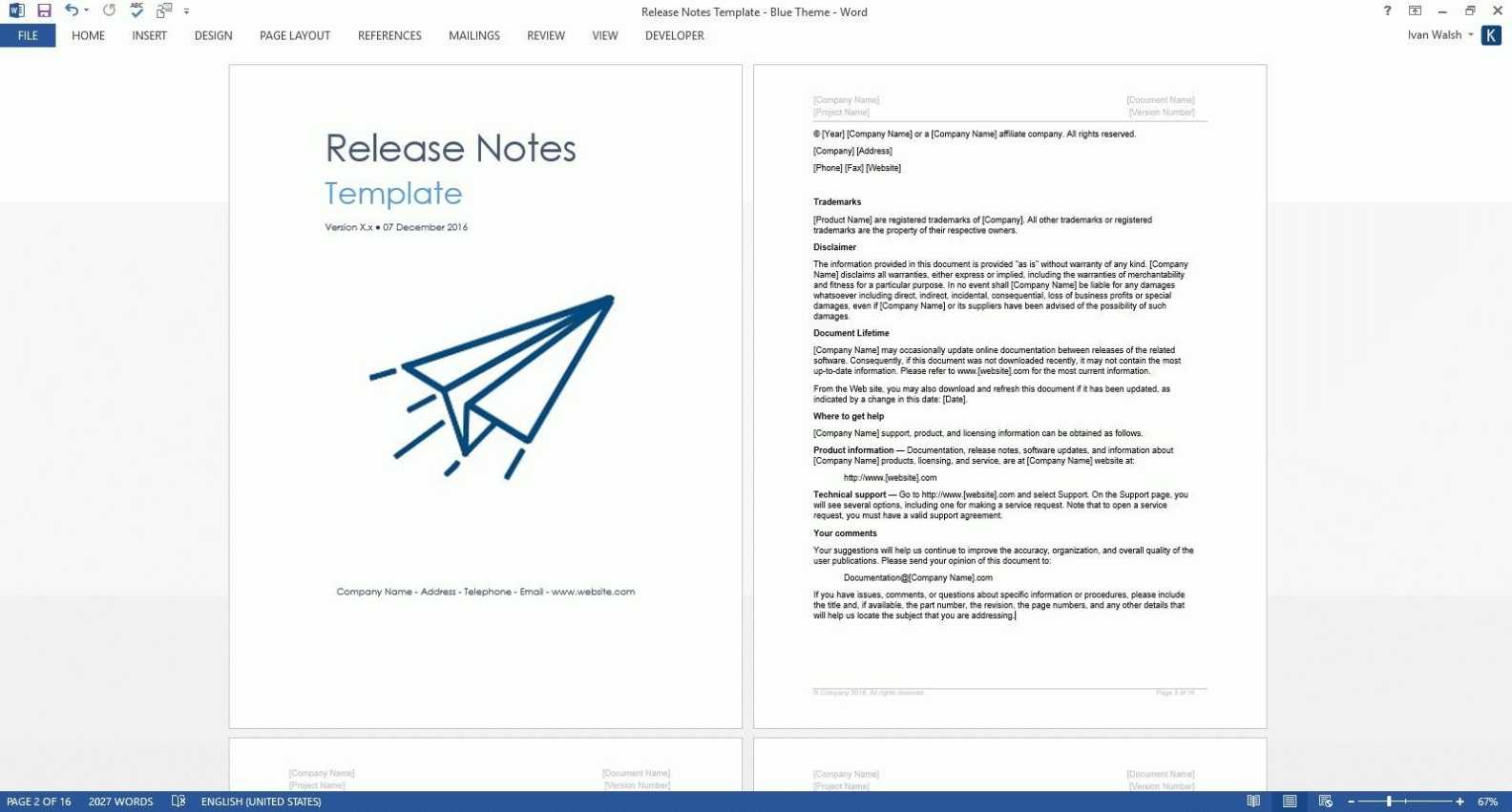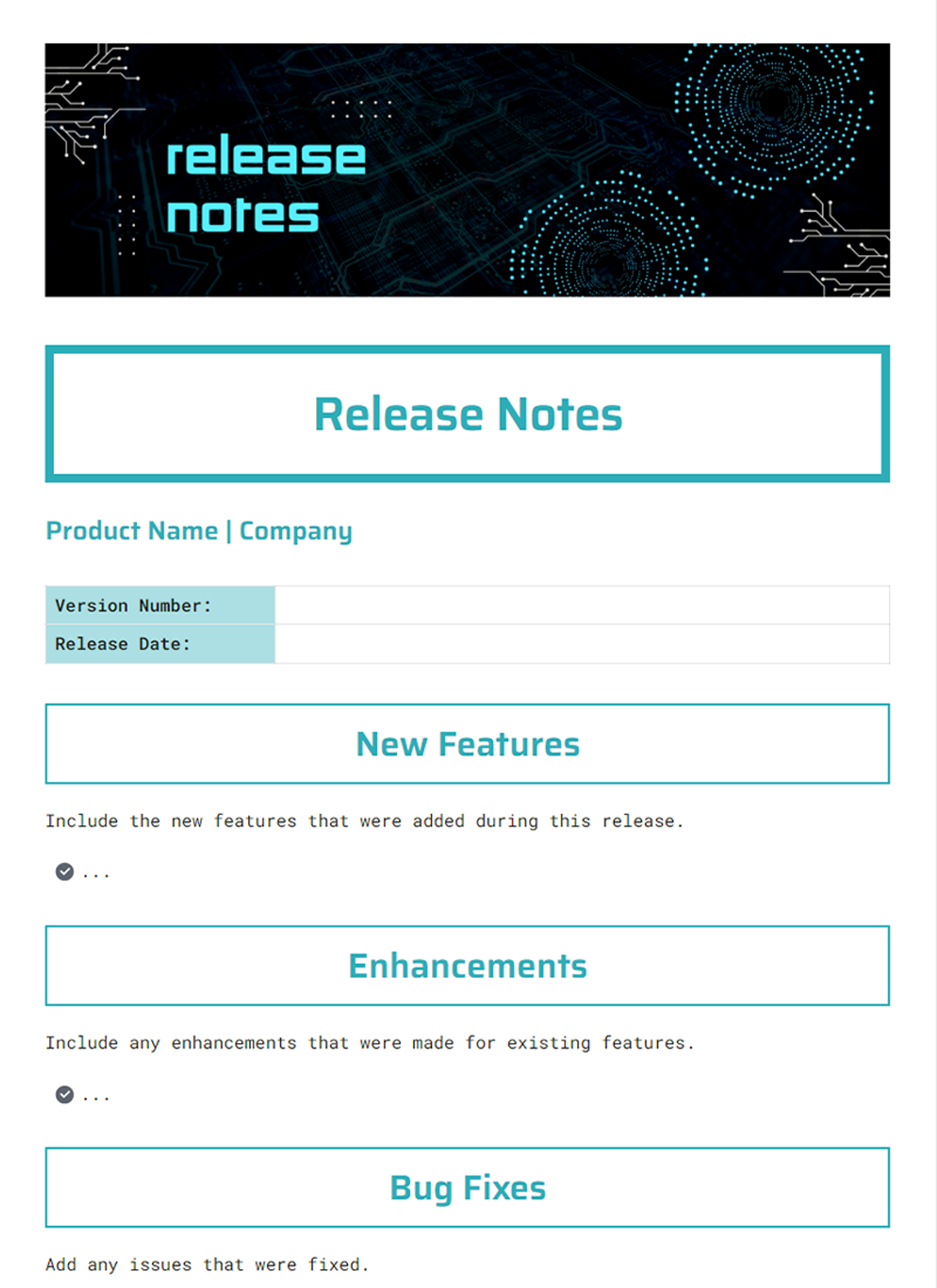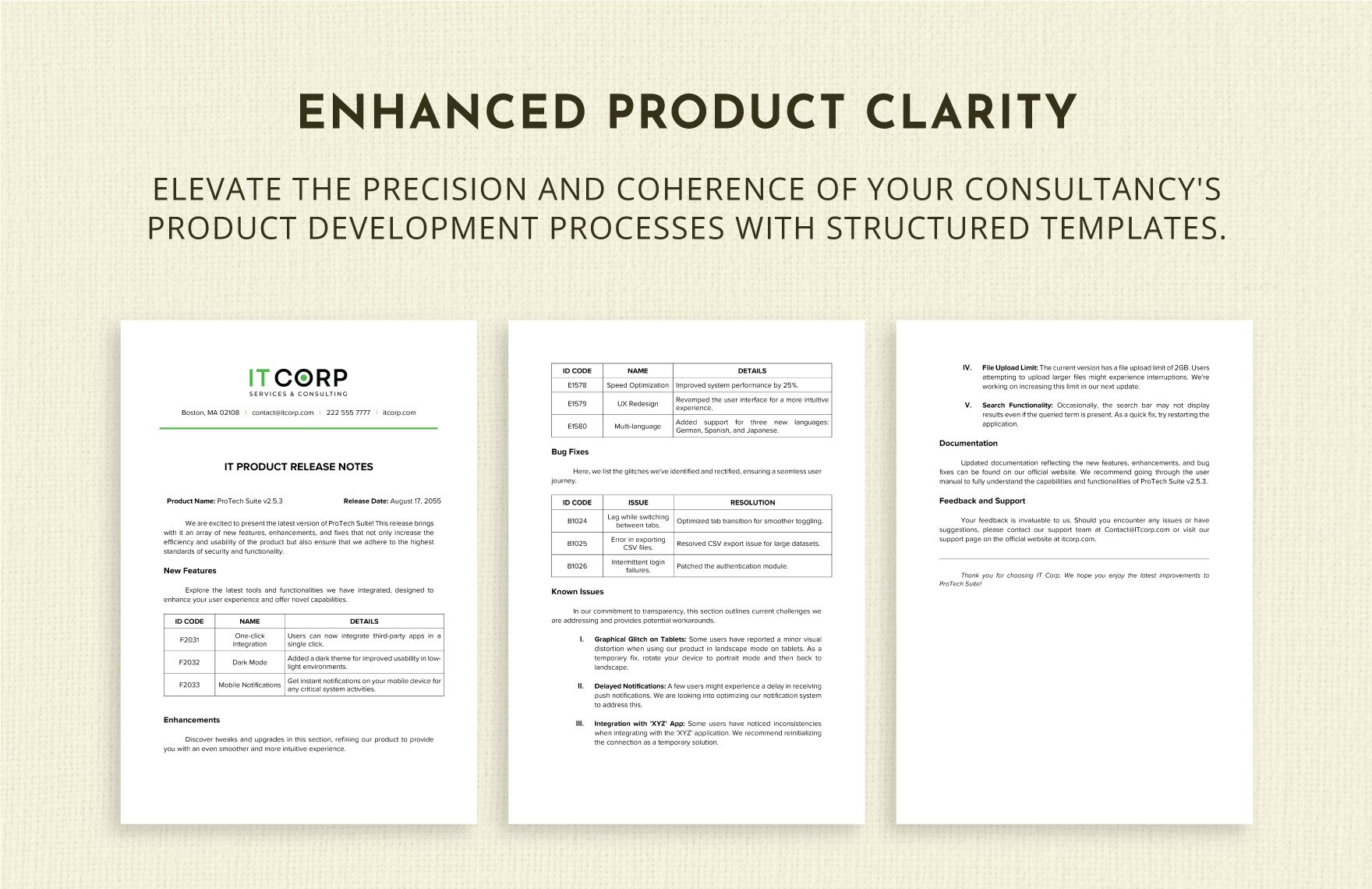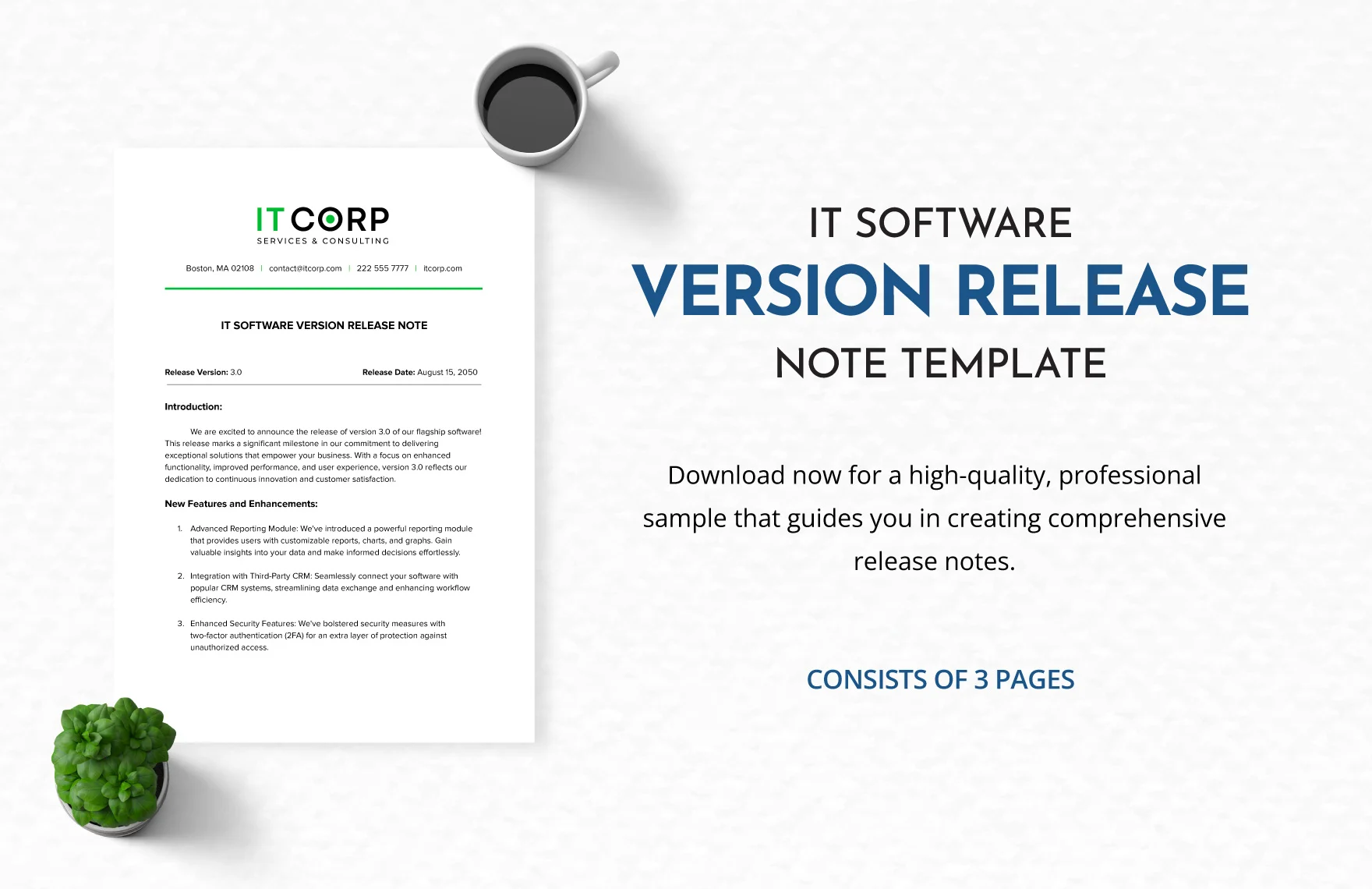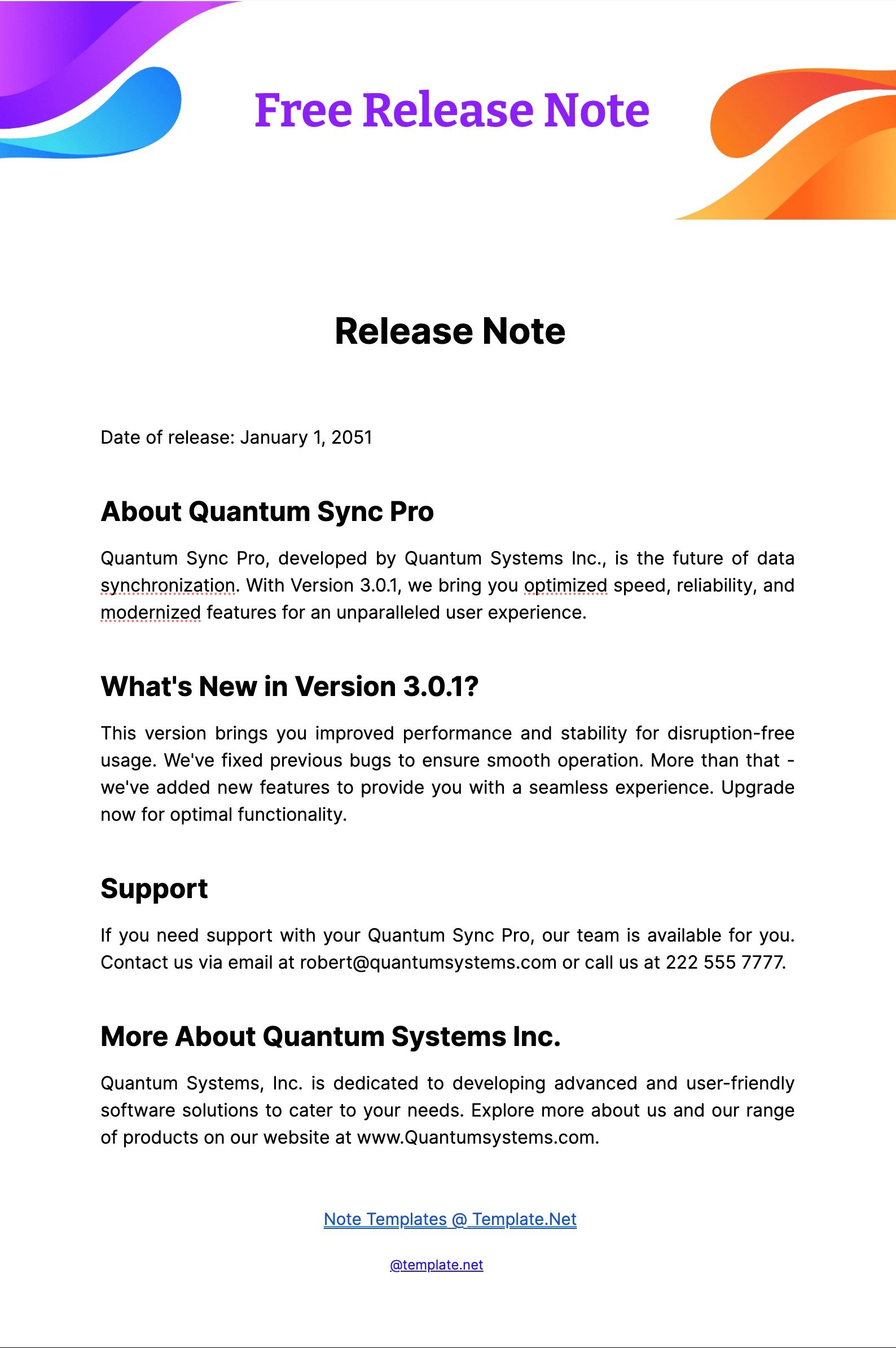
Release Notes Template Doc is the secret sauce that transforms a chaotic change log into a clear, concise story for both tech and non‑tech stakeholders. Imagine you’re the product lead, your team has just finished a big sprint, and you need to share what changed. A well‑crafted template gives you a structure that keeps every reader—developers, QA, support, marketers, and customers—on the same page.
Why a Release Notes Template Matters
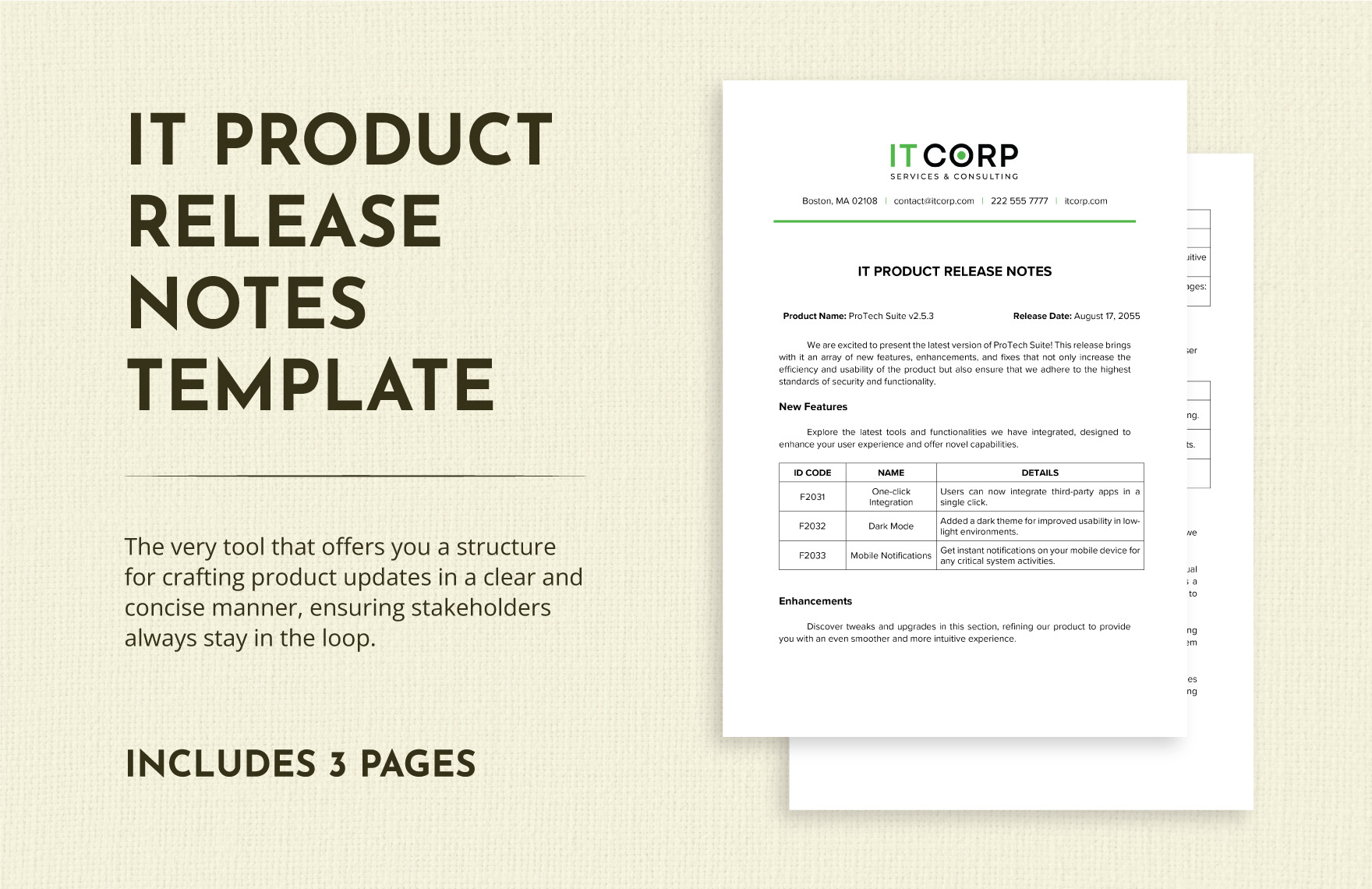
Consistency
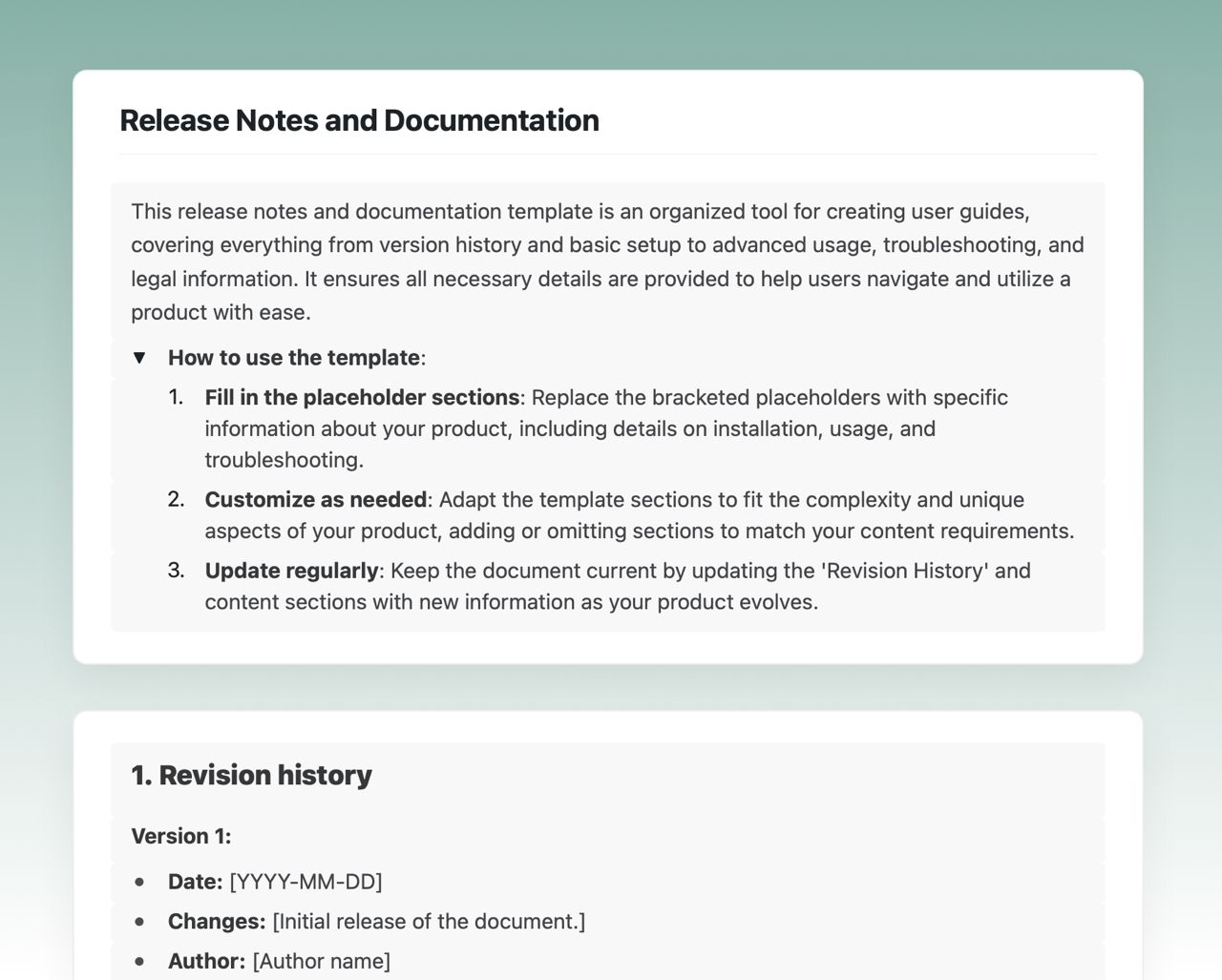
When every release follows the same format, users instantly recognize the layout. This predictability reduces the learning curve and lets them locate the information they need—bug fixes, new features, or security patches—without scrolling through a random list.
Communication Efficiency
With a pre‑defined template, you cut down the drafting time from hours to minutes. It forces you to focus on what truly matters: what changed, why it matters, and how to use the new features.
Core Components of a Great Template
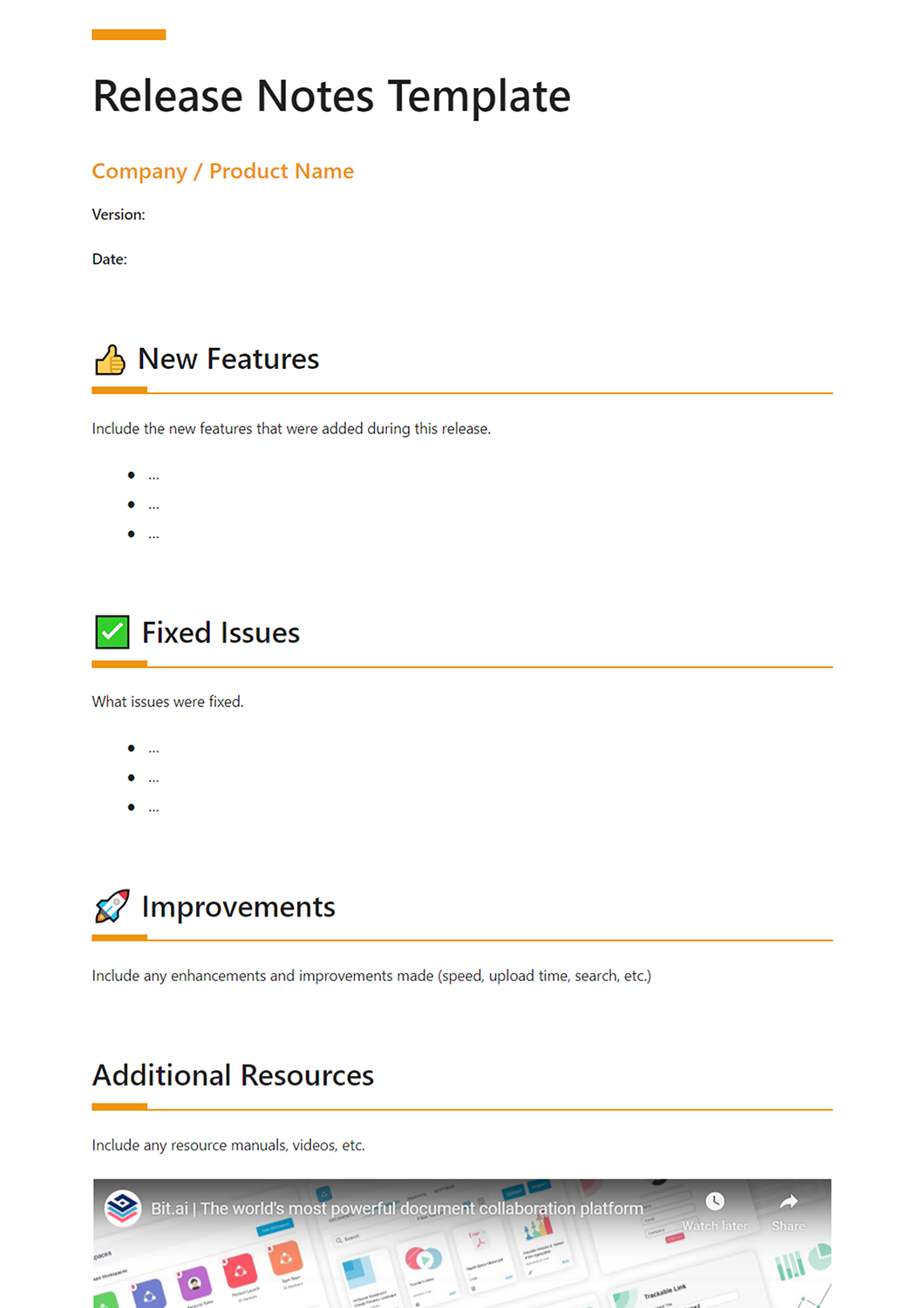
Title and Version
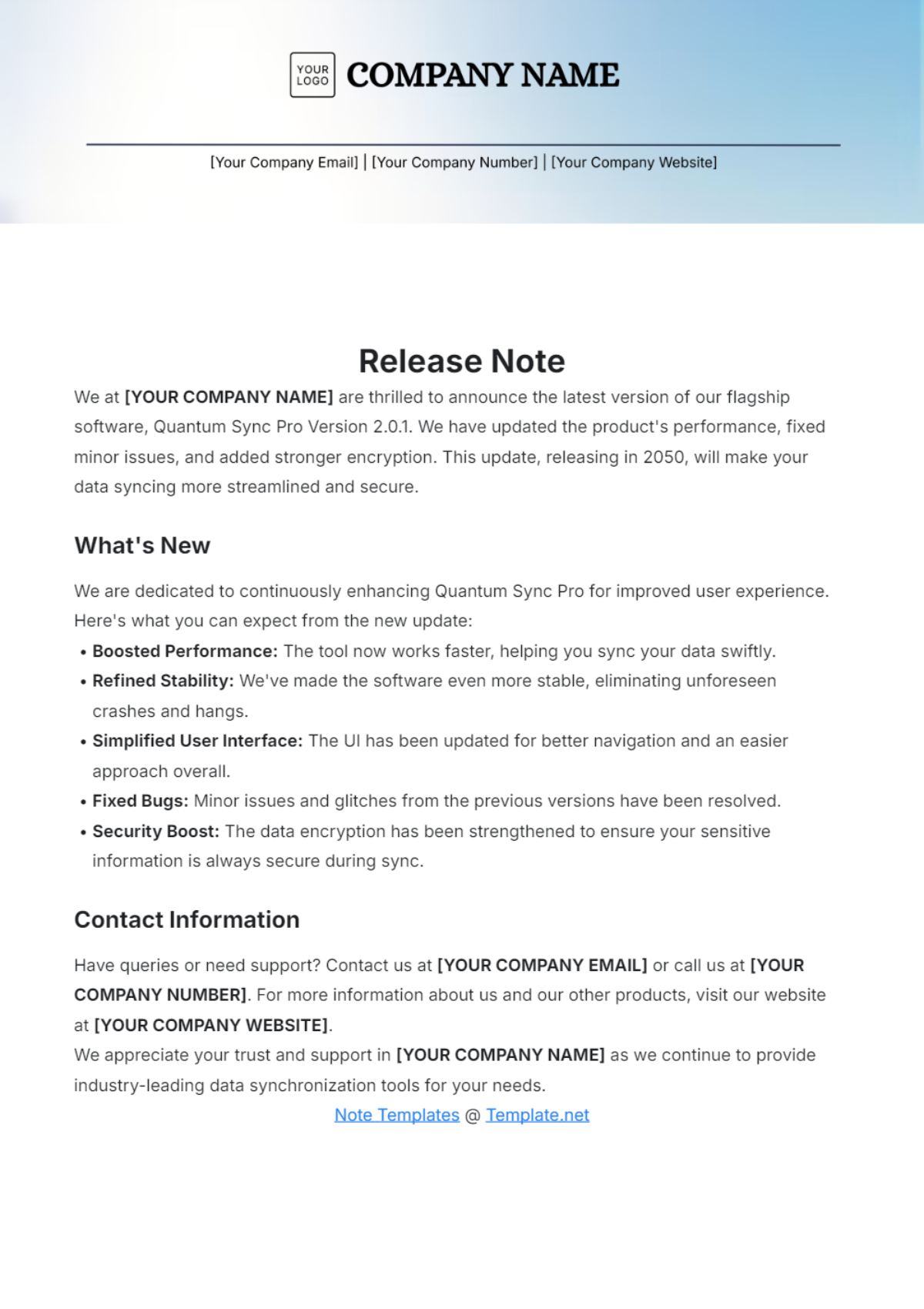
Start with the release name and semantic version number, e.g., Version 2.4.1 – “Nightfall Update”. This immediately tells readers the scope and stability level.
Release Date and Author
Include the official date and the name or role of the person responsible for the release. It adds accountability and lets users know who to contact for questions.
Summary Overview
Write a one‑to‑two sentence paragraph highlighting the most significant change. Use a friendly tone and keep it short: “We’ve added a dark mode theme that saves battery on OLED screens.”
Detailed Change Log
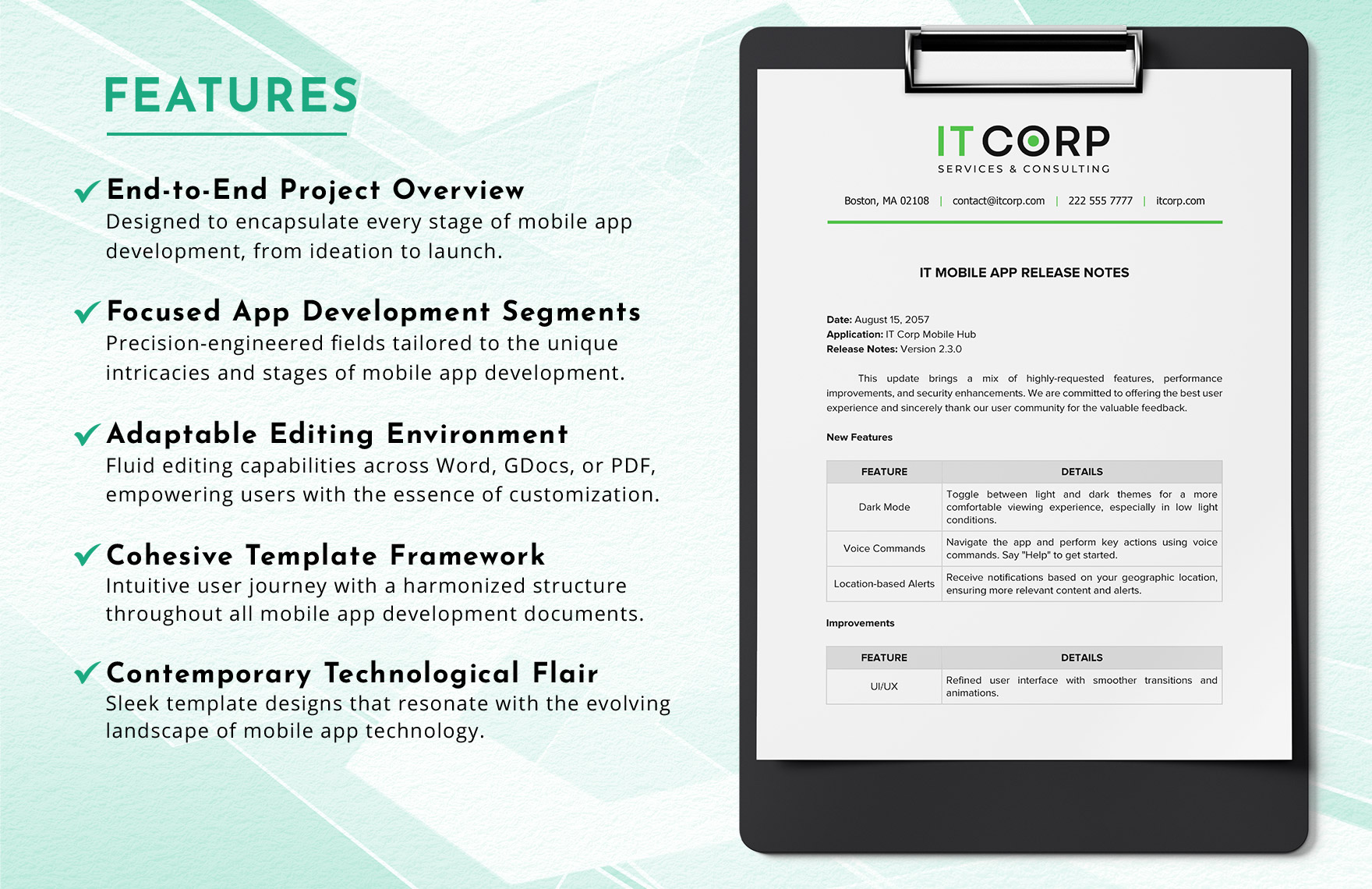
- New Features: List each feature with a brief description and a link to the user guide.
- Improved Functionality: Explain performance boosts or UI refinements.
- Bug Fixes: Mention resolved issues with a reference to the original ticket number.
- Deprecated Items: Note any removed features and suggest alternatives.
Impact Assessment
Describe how the changes affect different user personas. For example, “Enterprise users will see a 20% reduction in data sync times,” or “End‑users can now export reports in CSV format.”
Known Issues and Workarounds
Transparency builds trust. List any residual bugs and provide a quick fix or a workaround, e.g., “If you experience lag on mobile, clear your cache before launching.”
Documentation and Resources
Link to the updated help center article, API docs, or tutorial videos. Provide a FAQ section if necessary.
Building Your Own Template from Scratch
Gather Stakeholder Input
Invite product managers, support leads, and marketing reps to suggest sections that matter most to them. A one‑size‑fits‑all template rarely works; adapt it to your ecosystem.
Decide on Structure
Choose a linear or accordion layout. For internal documents, a simple vertical flow works; for public-facing pages, collapsible sections keep the page tidy.
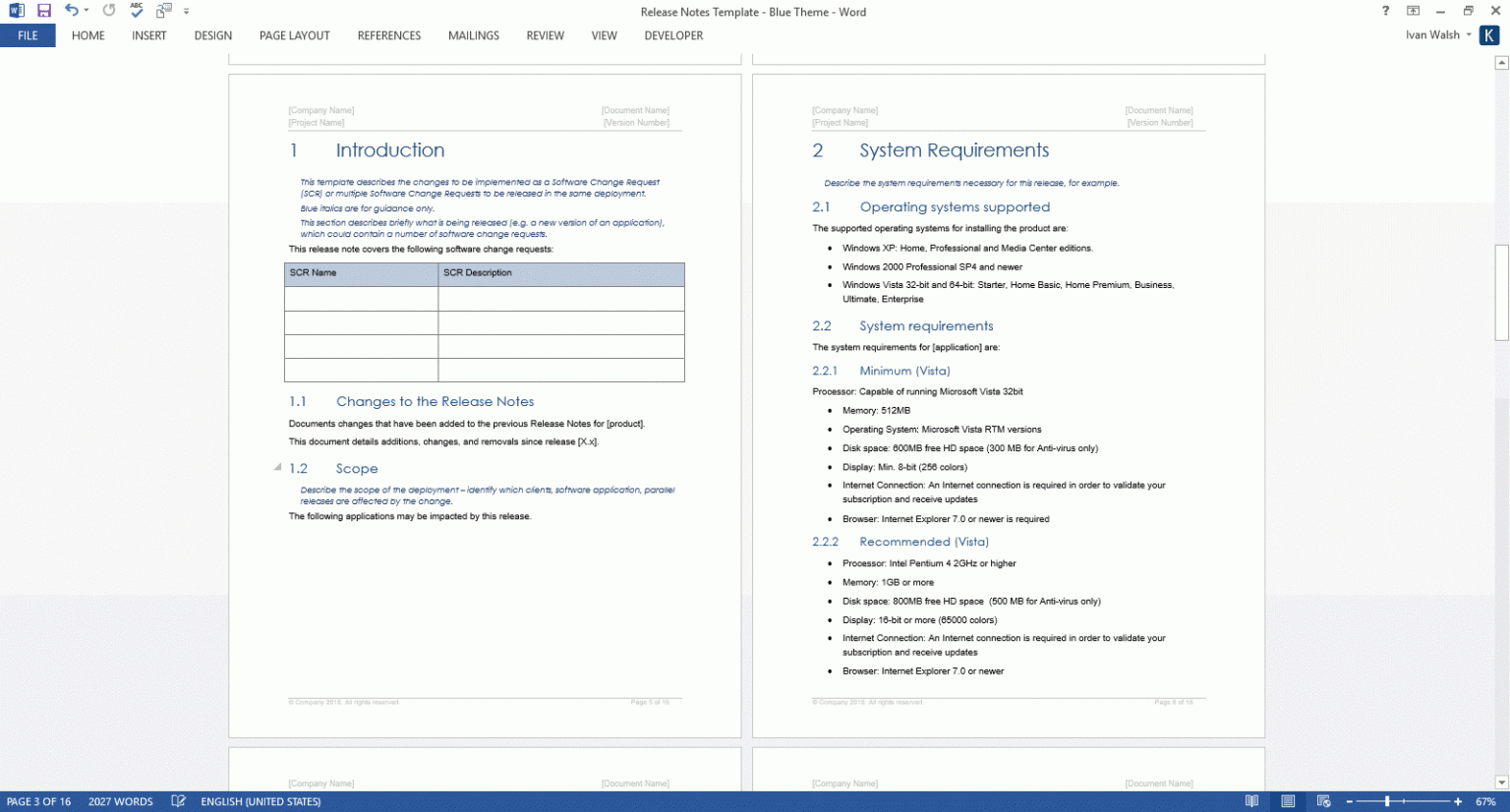
Choose a Format (Word, PDF, Docs)
Each format has pros and cons. Word is editable by most teams, PDF preserves formatting across devices, and Google Docs facilitates real‑time collaboration. Pick the one that aligns with your review workflow.
Add Branding Elements
Insert your logo, brand colors, and fonts. Consistent visual identity reinforces professionalism and brand recall.
Best Practices for Writing Release Notes
Keep Language Simple
Avoid jargon unless it’s industry‑standard. Think of a customer who has never heard of “API throttling” and explain it as “rate limiting to keep the service stable.”
Highlight Key Benefits
Lead with what users gain. If a feature saves time, say “Save 5 minutes per task” rather than just “Automated workflow.”
Use Bullet Points
Bullets improve scannability. Readers often skim for the most relevant change; bullets give them a quick visual cue.
Provide Context with Use Cases
Show how a new feature solves a real problem. Example: “With the new export to PDF, project managers can share progress reports with stakeholders without opening the app.”
Real‑World Examples
Example 1: Software App Release
Version 3.0 introduces a “Smart Assistant” that predicts user actions. The release note reads: “Our new Smart Assistant anticipates your next step, reducing repetitive clicks by 30%. Try it by navigating to Settings > Assistant.”
Example 2: Mobile App Update
Version 5.1 adds dark mode. The notes highlight battery savings: “Dark mode saves up to 10% battery life on OLED devices.” It includes a screenshot and a link to a tutorial video.
Example 3: API Versioning
V4.2 of the API deprecates endpoint /v1/items. The release note explains the migration path: “Use /v2/items for the same data structure. Deprecated endpoints will remain available for 90 days.”
Automating the Process
Integration with Issue Trackers
Pull commit messages or issue IDs into the change log automatically. Tools like Jira, GitHub Issues, or Azure Boards can export CSV files that feed directly into a spreadsheet template.
Templates in CI/CD Pipelines
Configure your pipeline to generate a draft release note after each successful build. Scripts can pull the version number, changelog, and commit list into a Markdown file.
Version Control for Notes
Store the template and each release note in a Git repository. This keeps a history of how your documentation evolved and allows rollbacks if a release note contains a mistake.
Common Pitfalls to Avoid
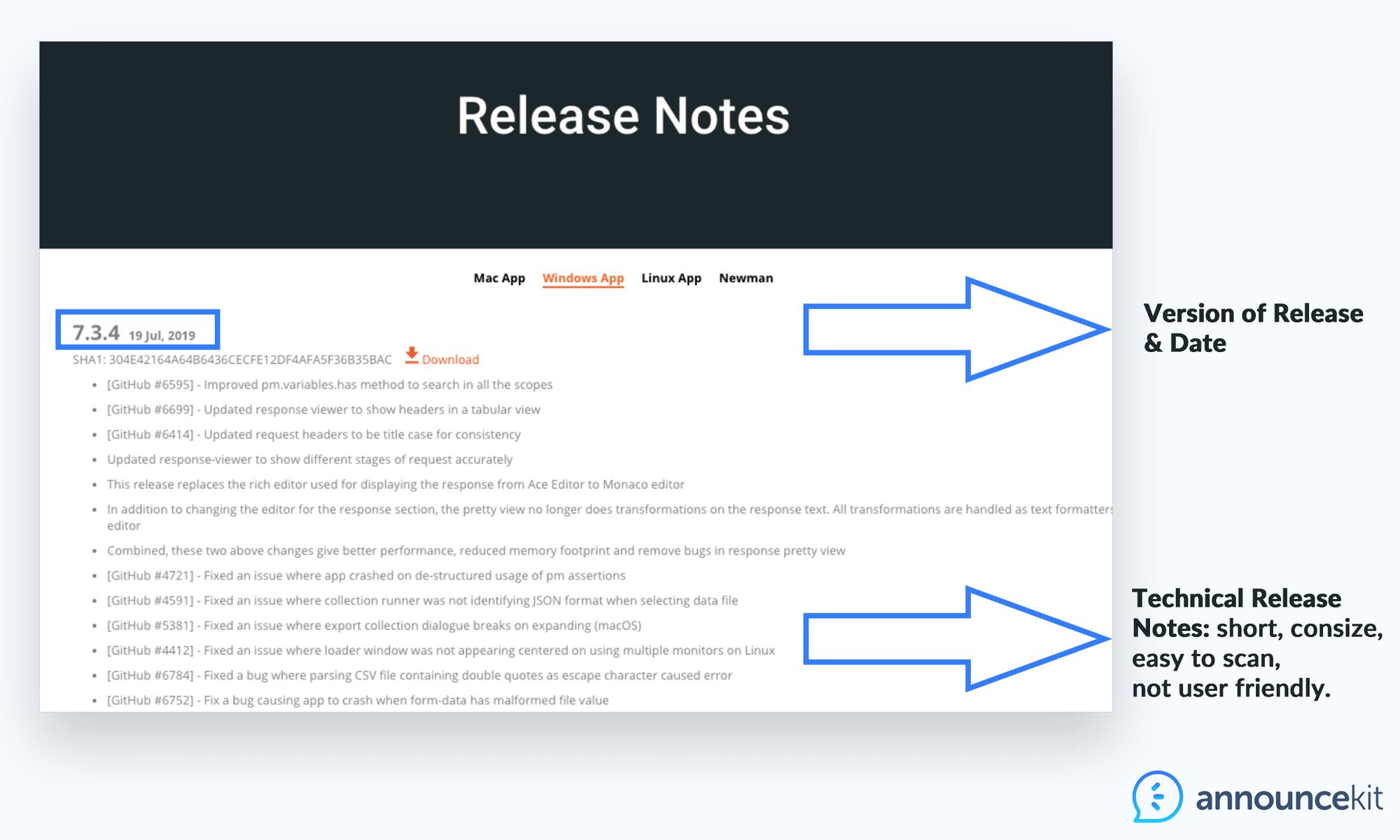
Overloading with Technical Jargon
Too many acronyms alienate non‑technical readers. When necessary, provide a quick glossary.
Neglecting User Impact
Listing a fix without explaining its significance makes the note feel like a list of chores. Always tie the change to user benefit.
Forgetting to Update the Template
As your product grows, the template should evolve. Conduct a quarterly review of the template to ensure it still meets stakeholder needs.
How to Share and Store Release Notes
Internal Channels
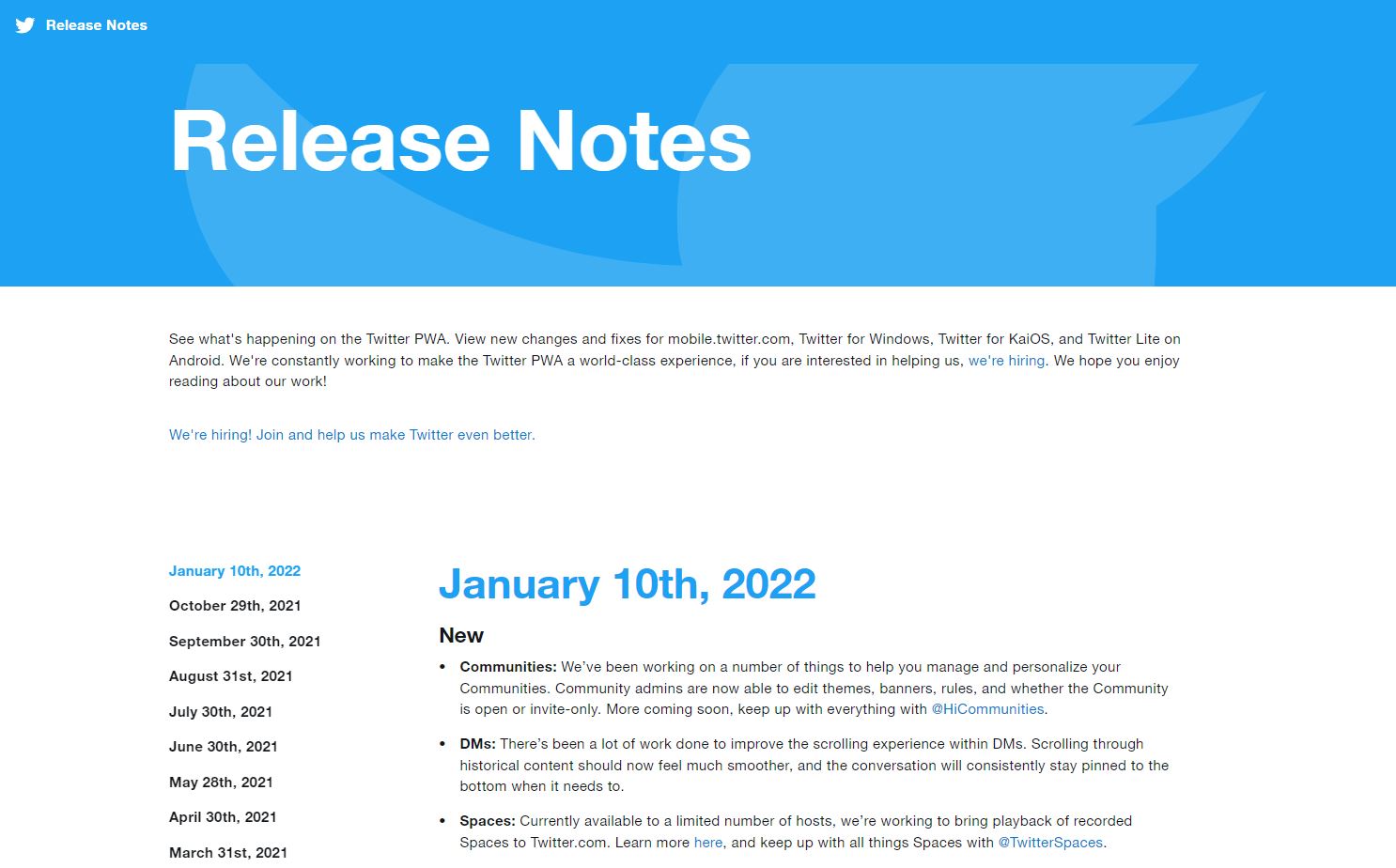
Post the notes in your company’s intranet, Slack channel, or as a PDF attachment in a release folder. Use tags for easy retrieval.
External Distribution
Publish on your product’s website, embed in the app’s release log section, or email the notes to customers. Ensure the format is mobile‑friendly.
Archival Strategy
Maintain a searchable archive. Consider using a knowledge‑base tool that indexes by version number and keyword so teams can quickly find past notes.
Final Thoughts
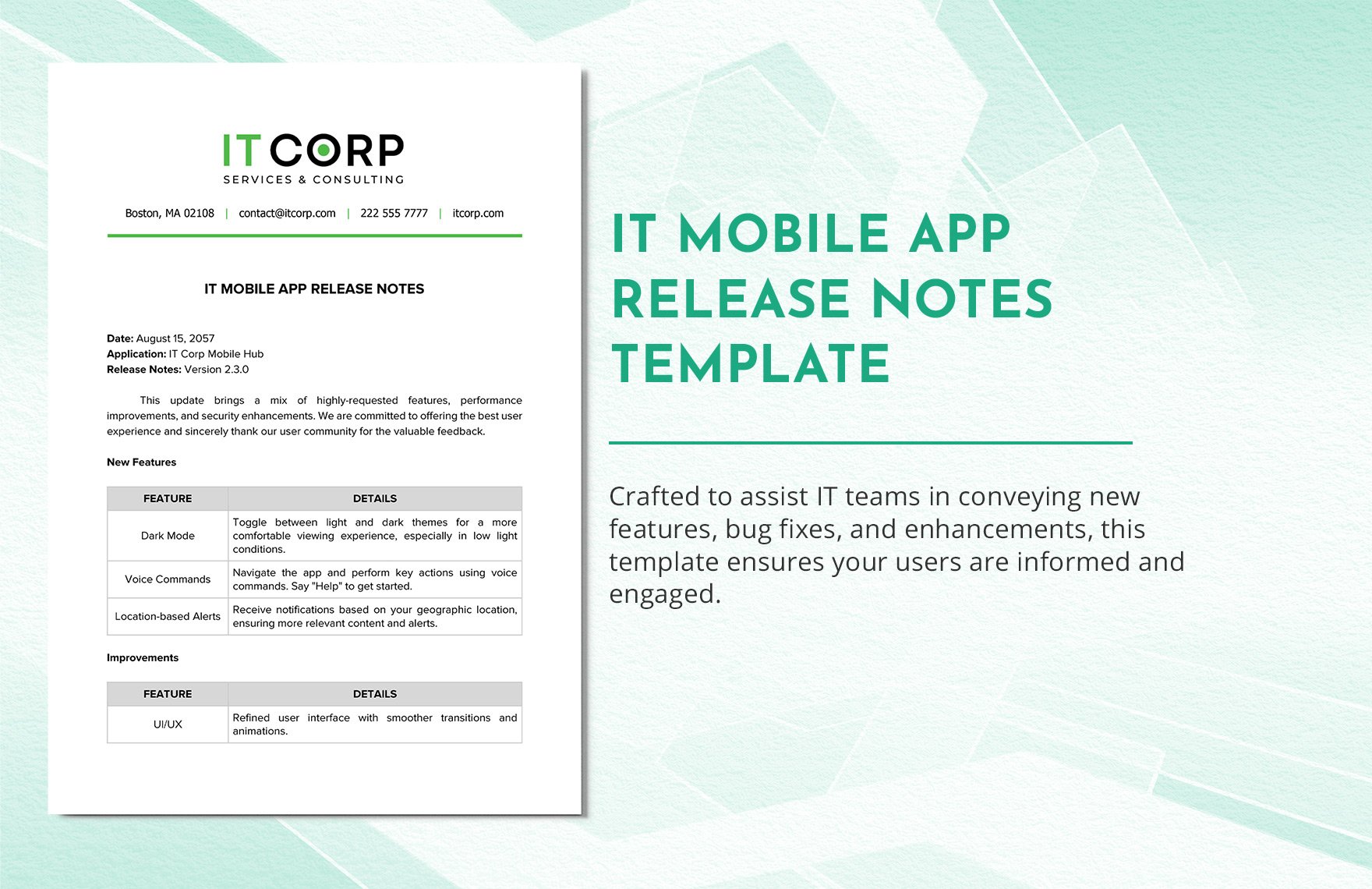
A well‑crafted Release Notes Template Doc is more than a formality; it’s a communication bridge that keeps everyone aligned, reduces support tickets, and showcases professionalism. By defining clear sections, using simple language, and automating the workflow, you turn the release process from a headache into a highlight reel. Adopt these practices, iterate on the template, and watch your team’s productivity—and customer satisfaction—rise with every update.