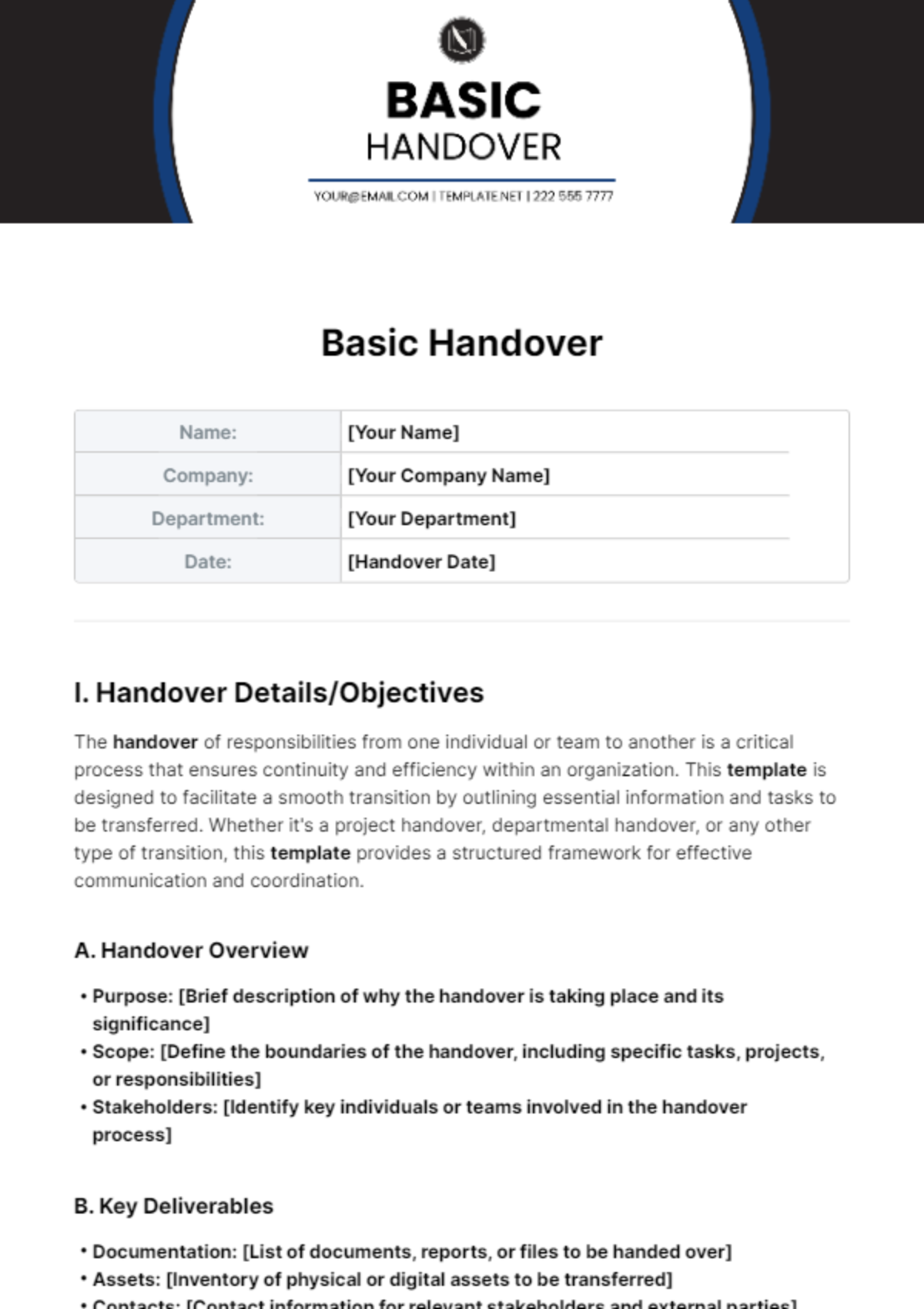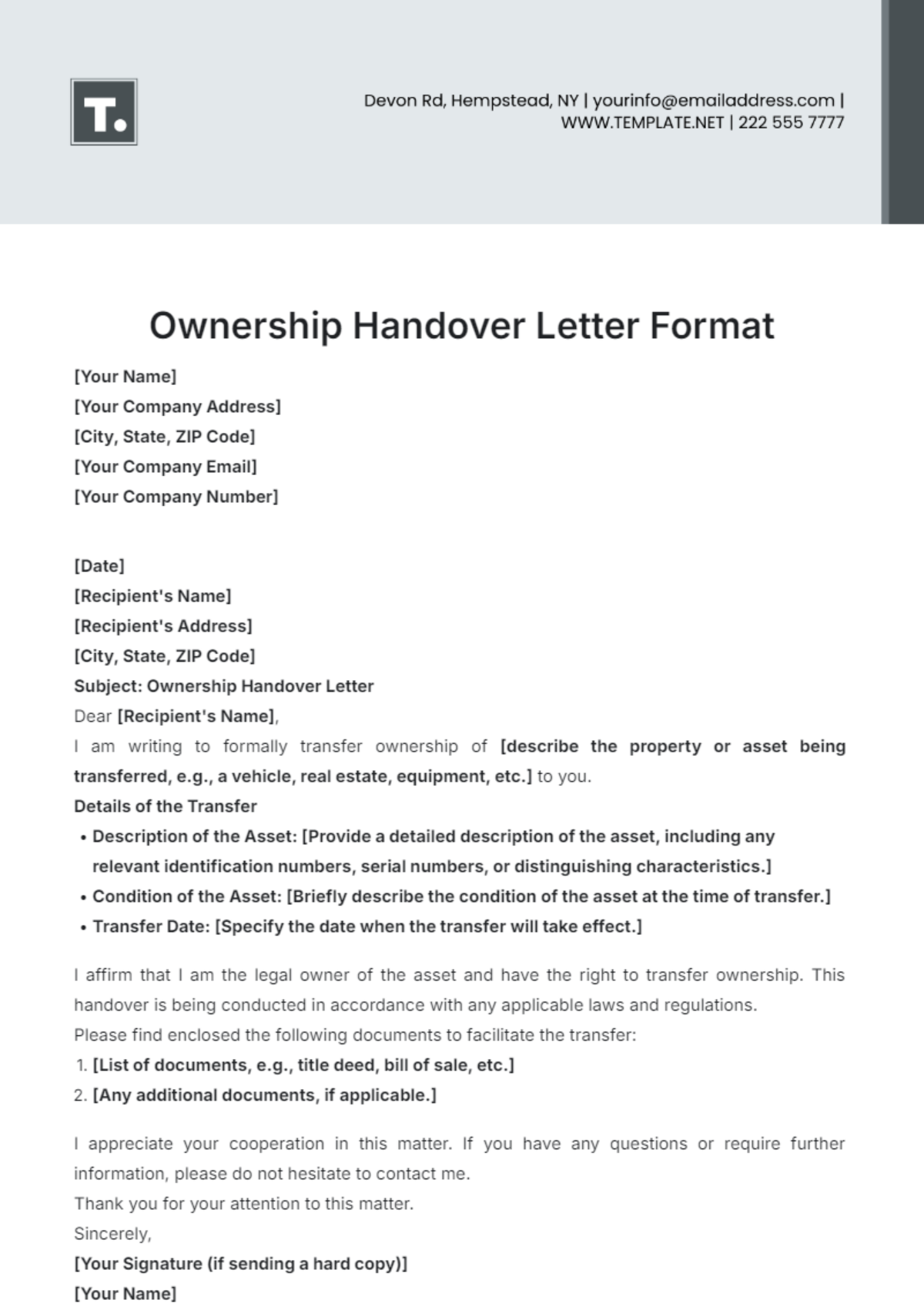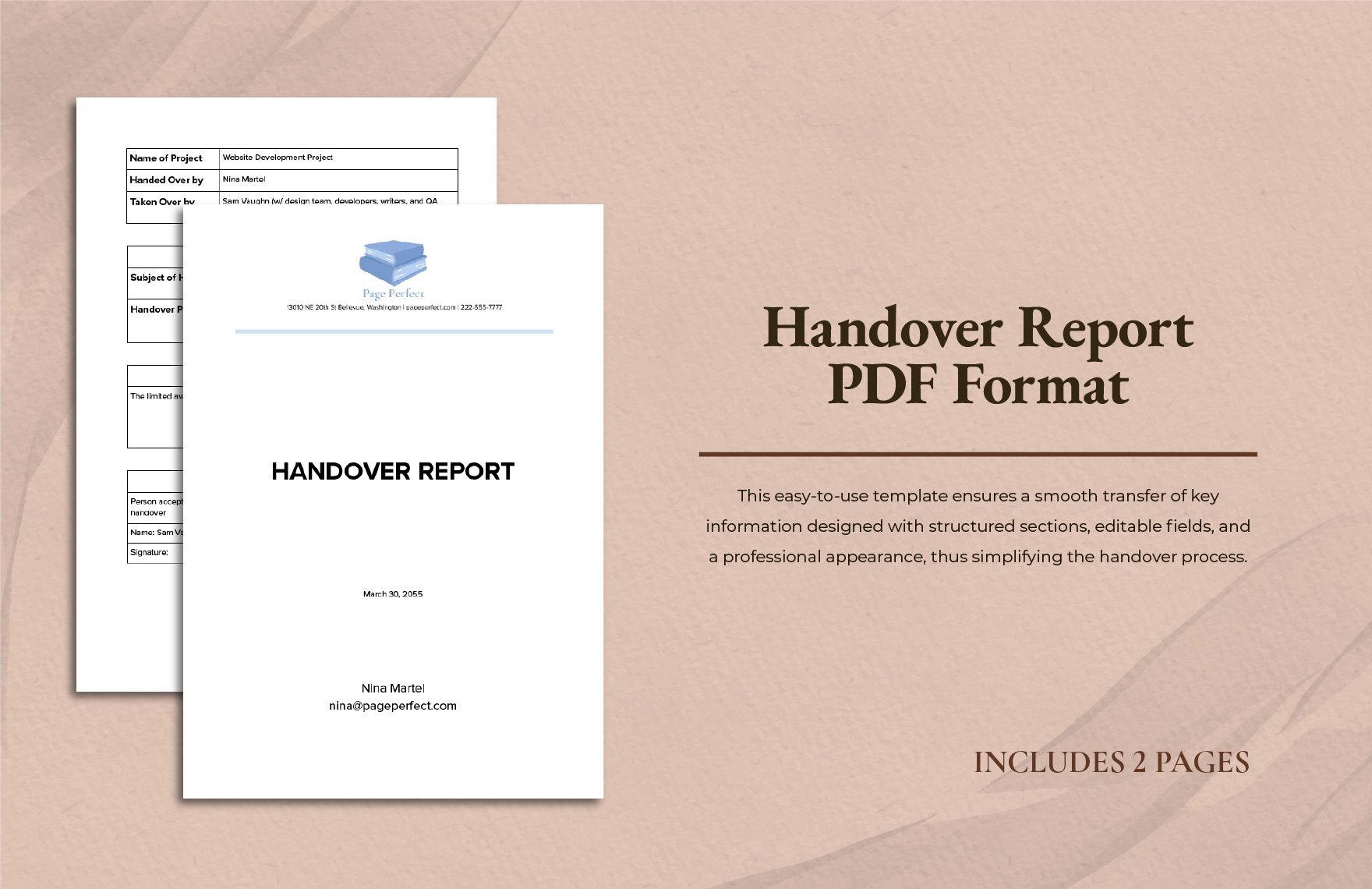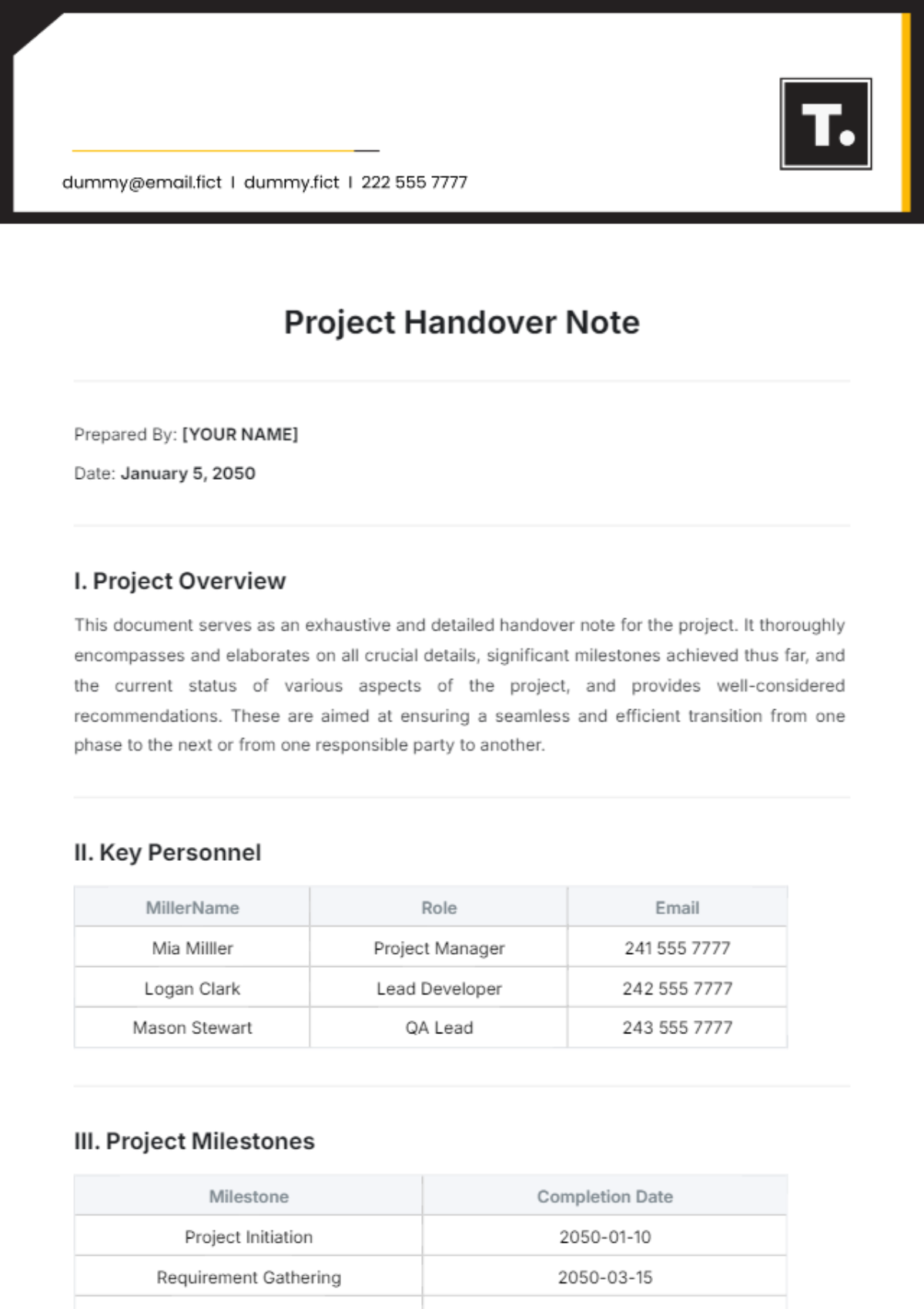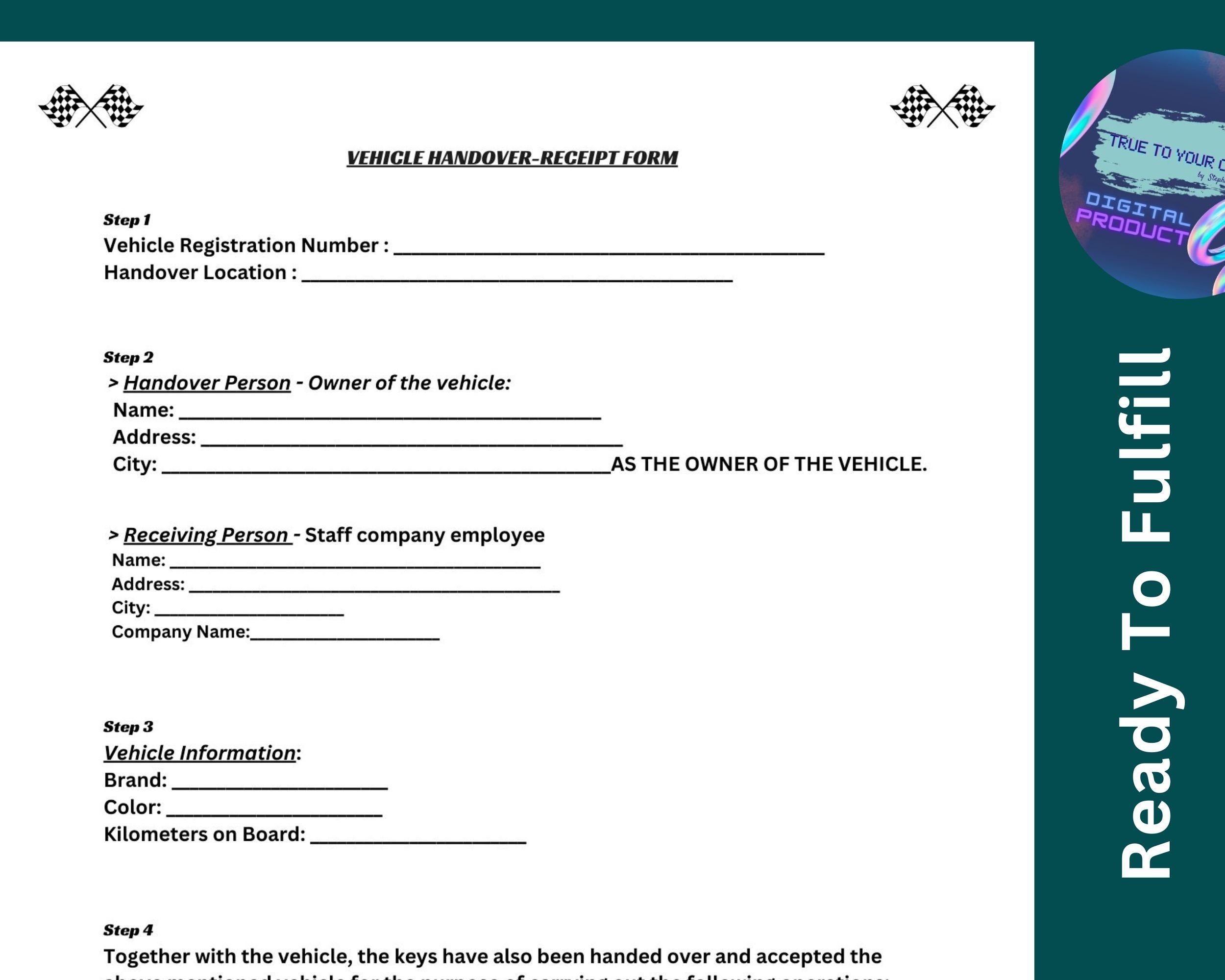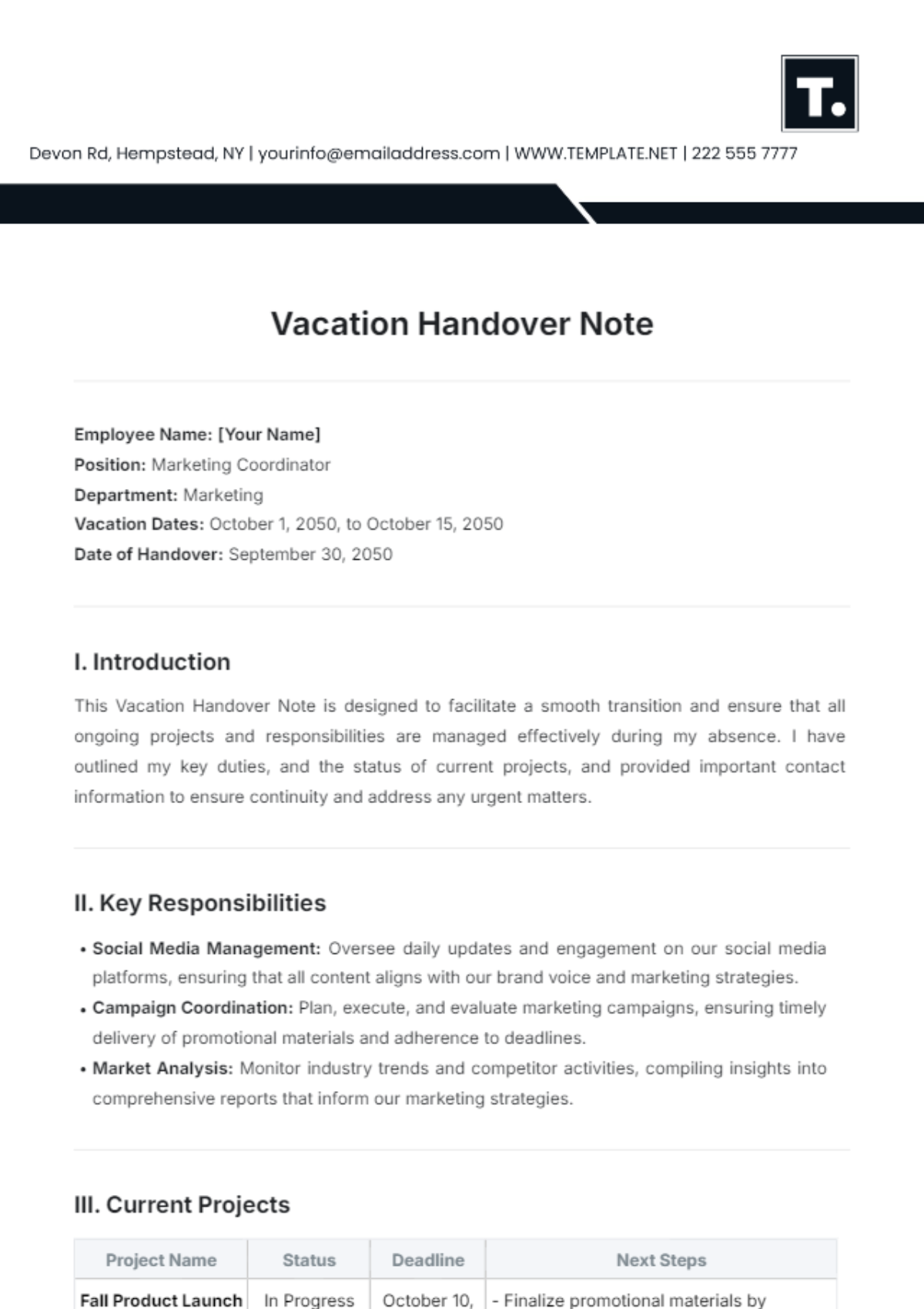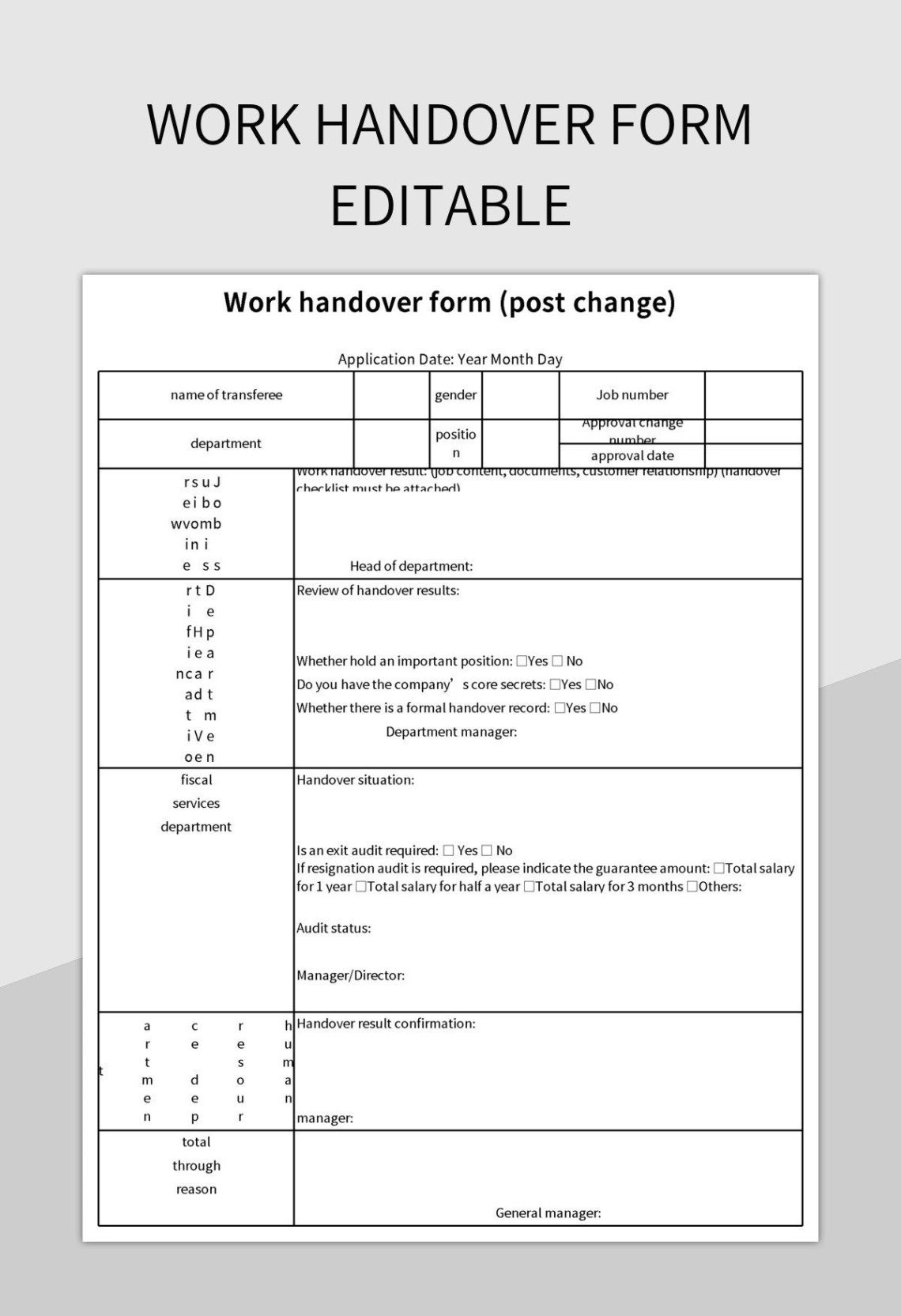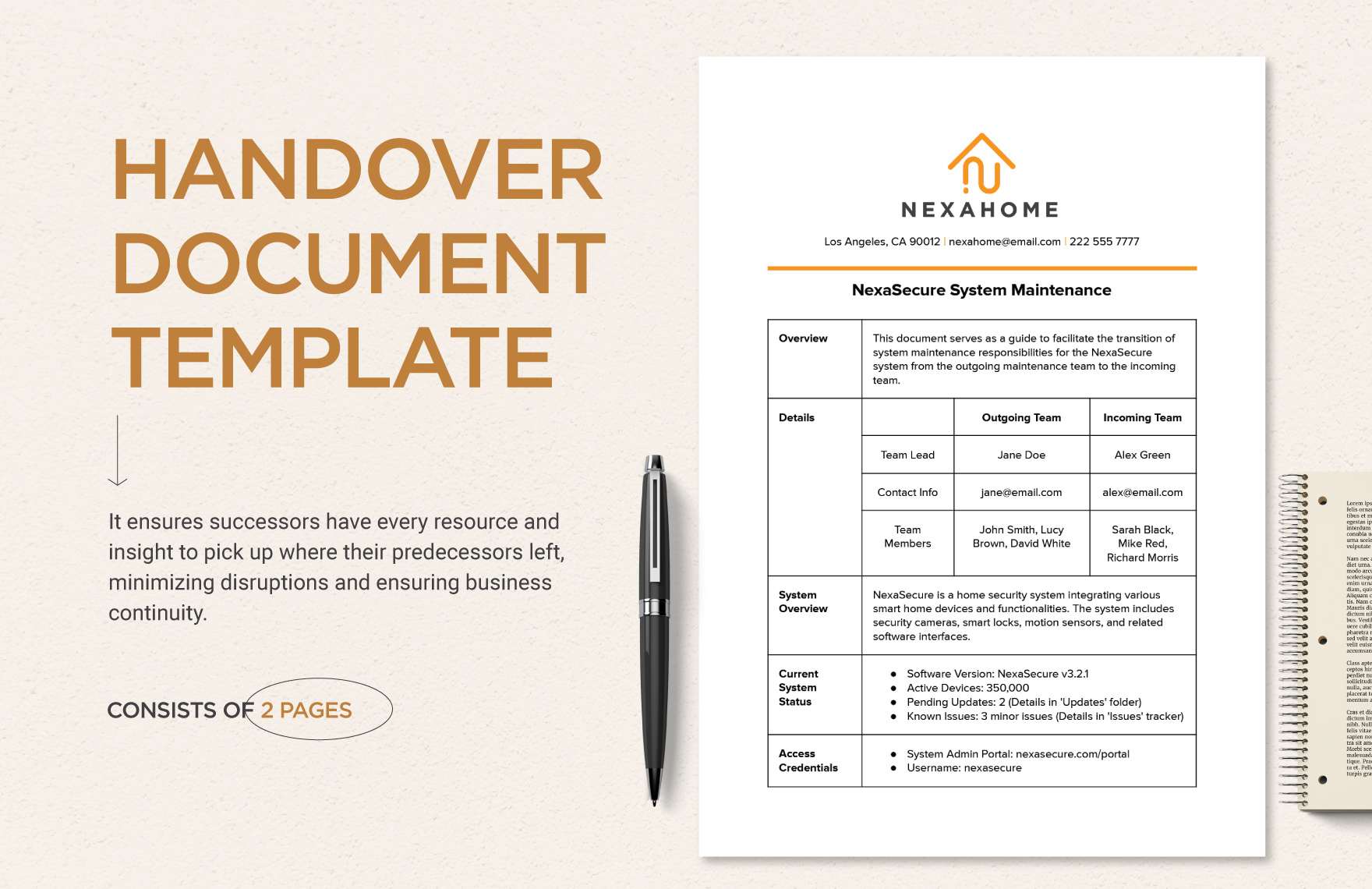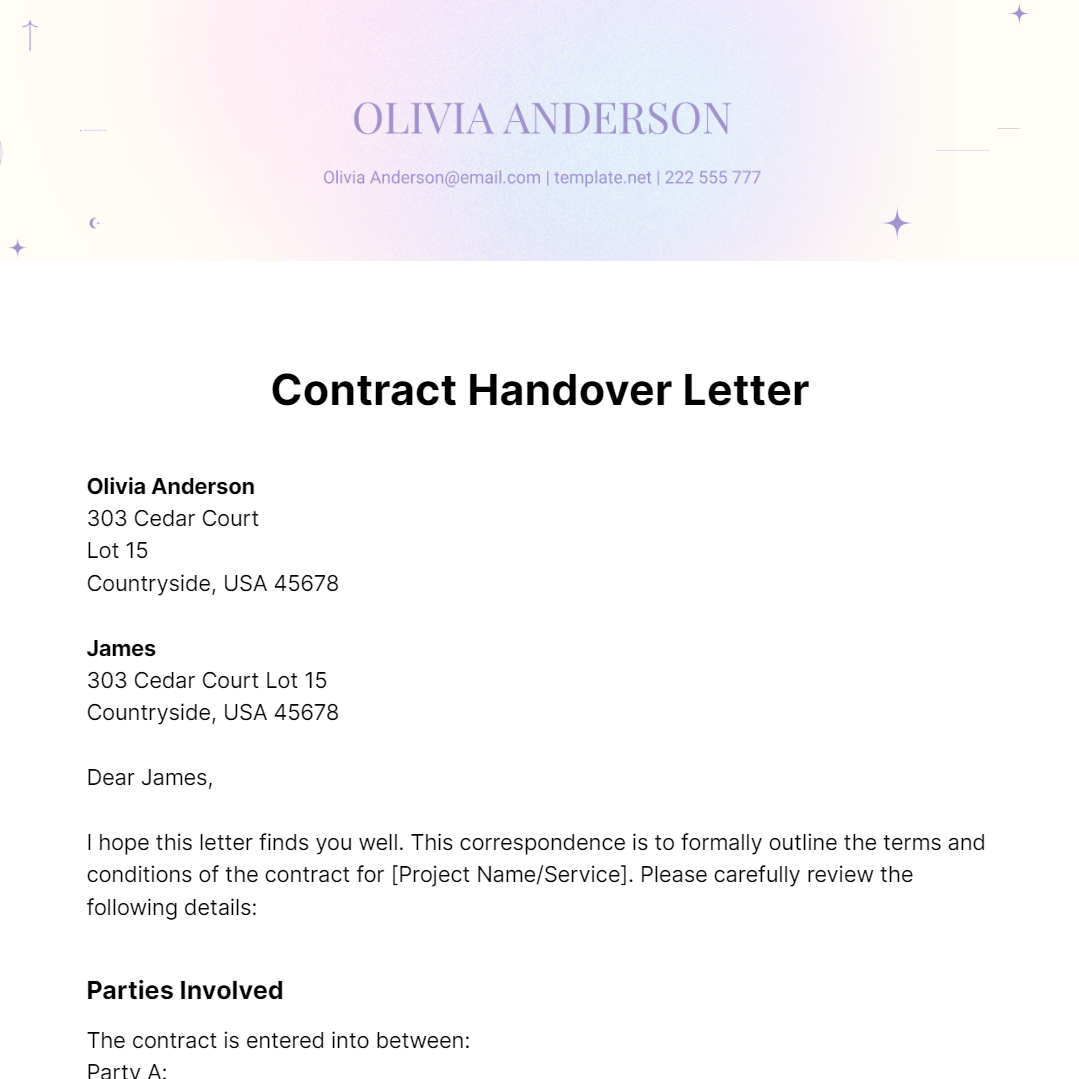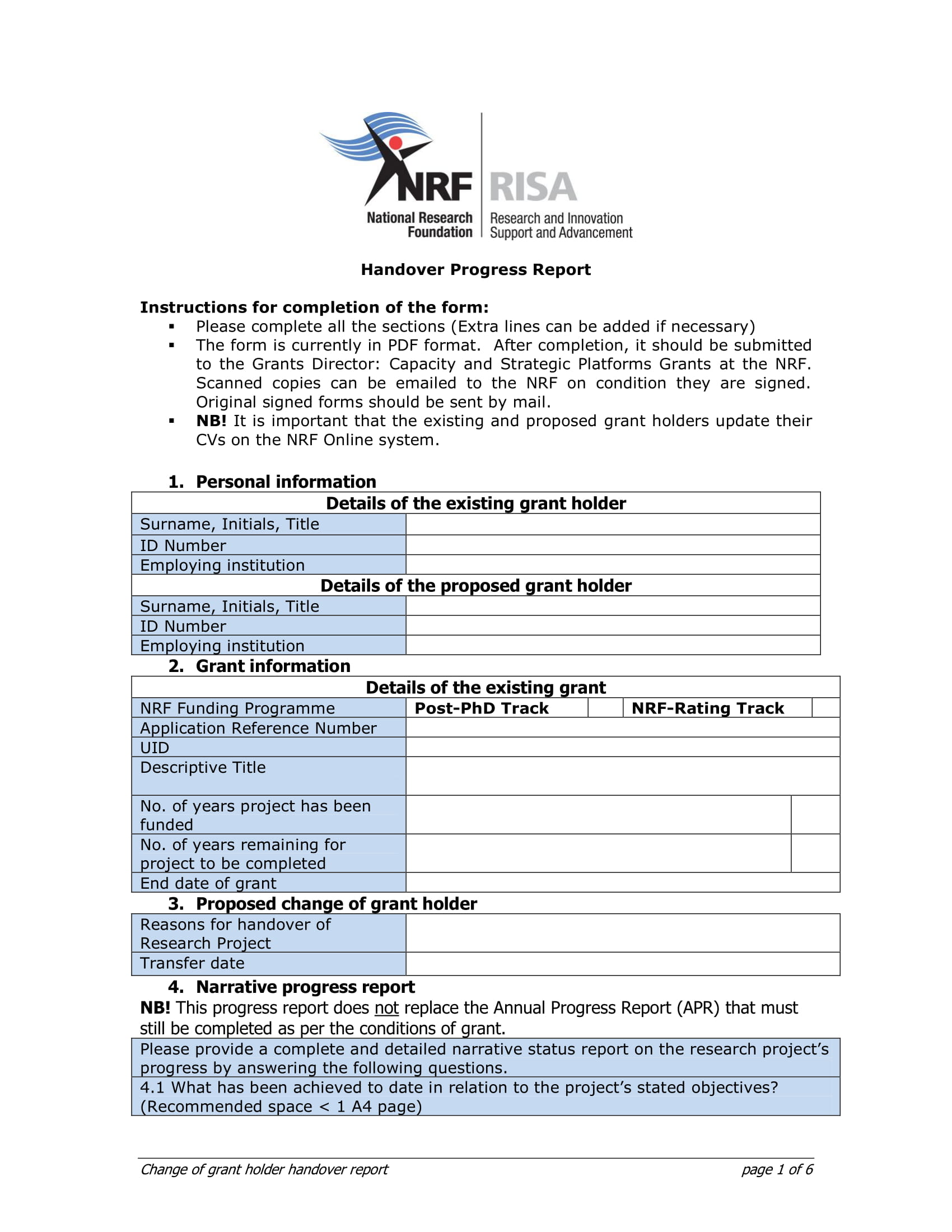
Handover Agreement Template is more than a form—it’s a strategic document that bridges the gap between project completion and ongoing responsibility, ensuring every detail is crystal clear and legally sound. When executed properly, it protects both parties, reduces disputes, and keeps operations running smoothly.
Why a Handover Agreement Template Matters

In today’s fast-paced business landscape, projects rarely end with a simple sign‑off. Instead, they transition into a new phase where maintenance, support, or further development takes place. A handover agreement template acts as the roadmap for that transition, outlining the scope, responsibilities, and timelines in a single, concise package.
Without a clear handover agreement, miscommunication can lead to costly delays, incomplete deliverables, or legal battles. A template provides a proven structure that can be customized to fit any industry—whether you’re handing over a software product, a construction site, or a marketing campaign.
Key Benefits for Both Sides
- Risk Mitigation: Identifies potential liabilities before they become disputes.
- Transparency: Both parties understand exactly what’s expected.
- Efficiency: Reduces the need for lengthy negotiations each time a handover occurs.
- Compliance: Incorporates regulatory and contractual obligations in a single document.
Core Elements of an Effective Template
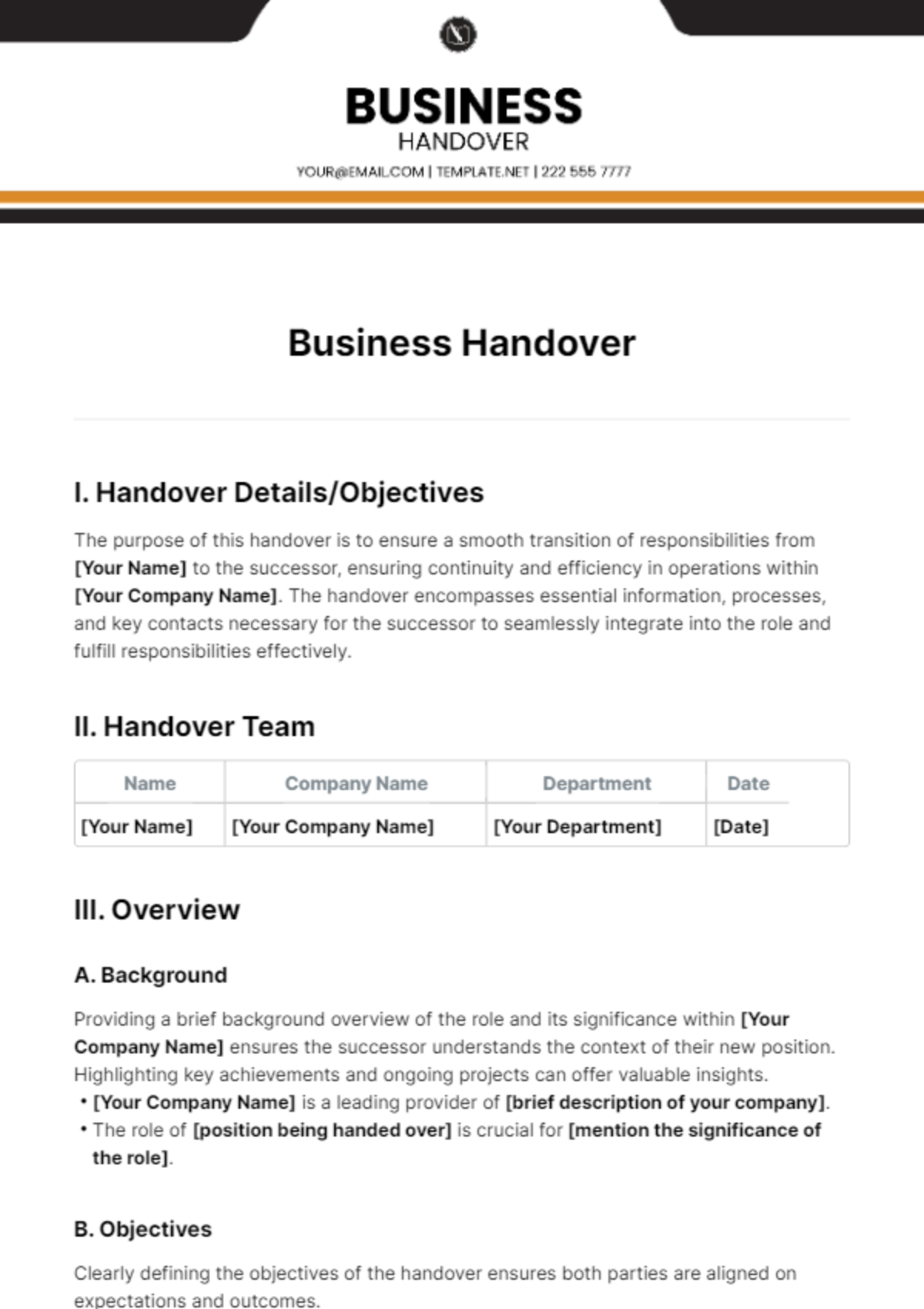
To create a handover agreement that stands up to scrutiny, your template should include the following sections. Each section addresses a common pain point and ensures that all critical information is captured.
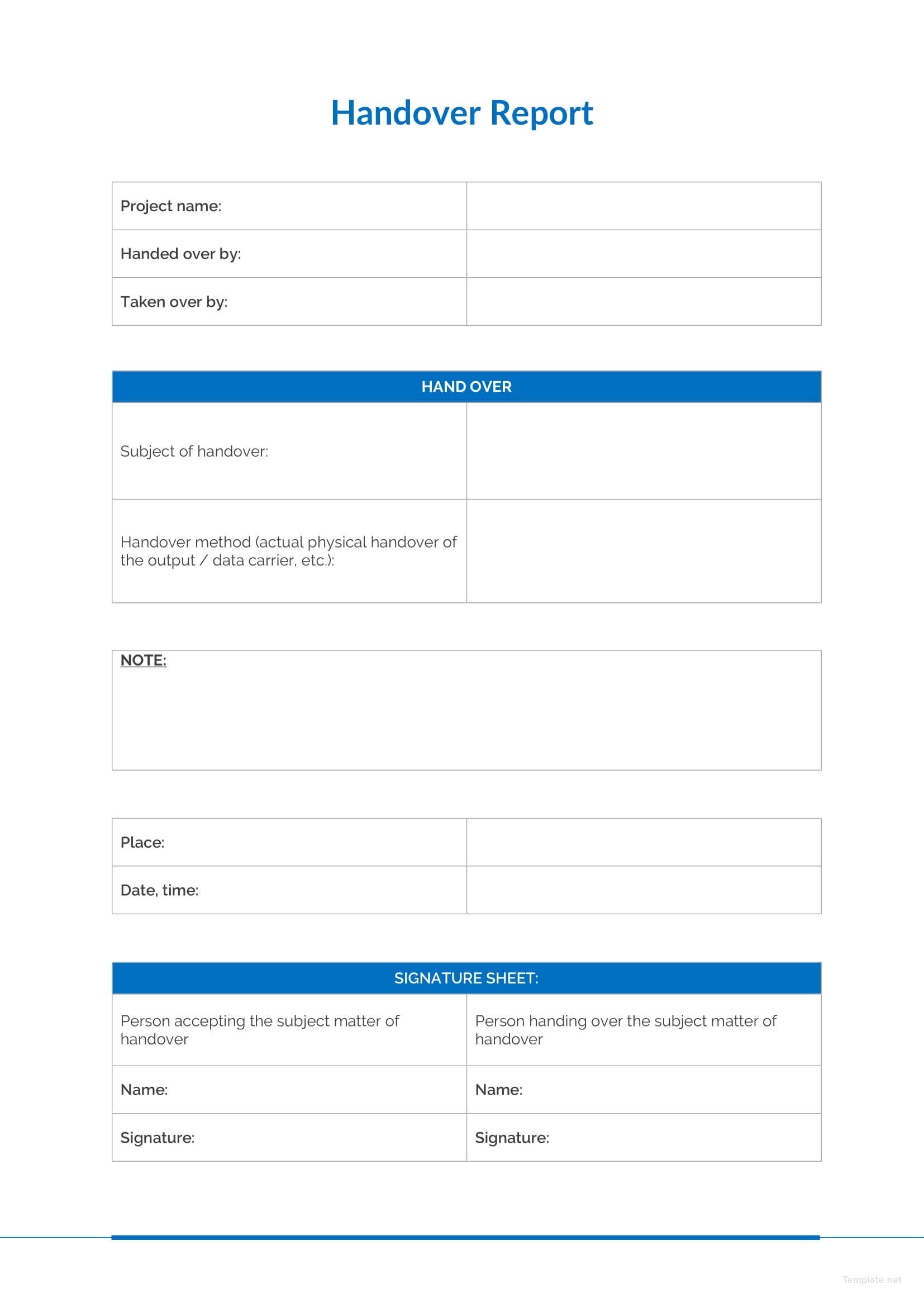
1. Parties and Purpose
Begin by clearly identifying the parties involved, their legal names, and the purpose of the handover. This establishes the legal foundation and contextualizes the document.
2. Scope of Work
Detail every deliverable, milestone, and the final state of the project. Use a table or checklist to avoid ambiguity.
3. Transition Activities
List all tasks required to move the project forward—such as documentation handover, training sessions, and knowledge transfer sessions. Specify dates, responsible individuals, and required resources.
4. Acceptance Criteria
Define clear, measurable criteria that must be met for the handover to be considered complete. This might include performance benchmarks, compliance checks, or user approval sign‑offs.
5. Responsibilities and Roles
Allocate responsibilities for both the handover team and the receiving team. Include contact points, escalation paths, and decision rights.
6. Timeline and Milestones
Provide a detailed schedule that aligns with the project’s final phase. Use a Gantt-like structure or a simple timeline to visualize critical dates.
7. Risk Management
Identify potential risks that could arise during the transition, such as data loss or system downtime. Include mitigation strategies and contingency plans.
8. Confidentiality and Data Security
Incorporate clauses that protect sensitive information, ensuring that proprietary data remains secure during and after the handover.
9. Payment and Billing
Clarify any final payments, milestone payments, or post-handover support fees. Outline invoicing procedures and payment terms.
10. Dispute Resolution
Specify the mechanism for resolving disagreements—whether through mediation, arbitration, or litigation—and identify the jurisdiction.
11. Signatures and Effective Date
Include spaces for authorized signatures and the effective date, cementing the legal binding of the agreement.
Customization Tips for Different Industries
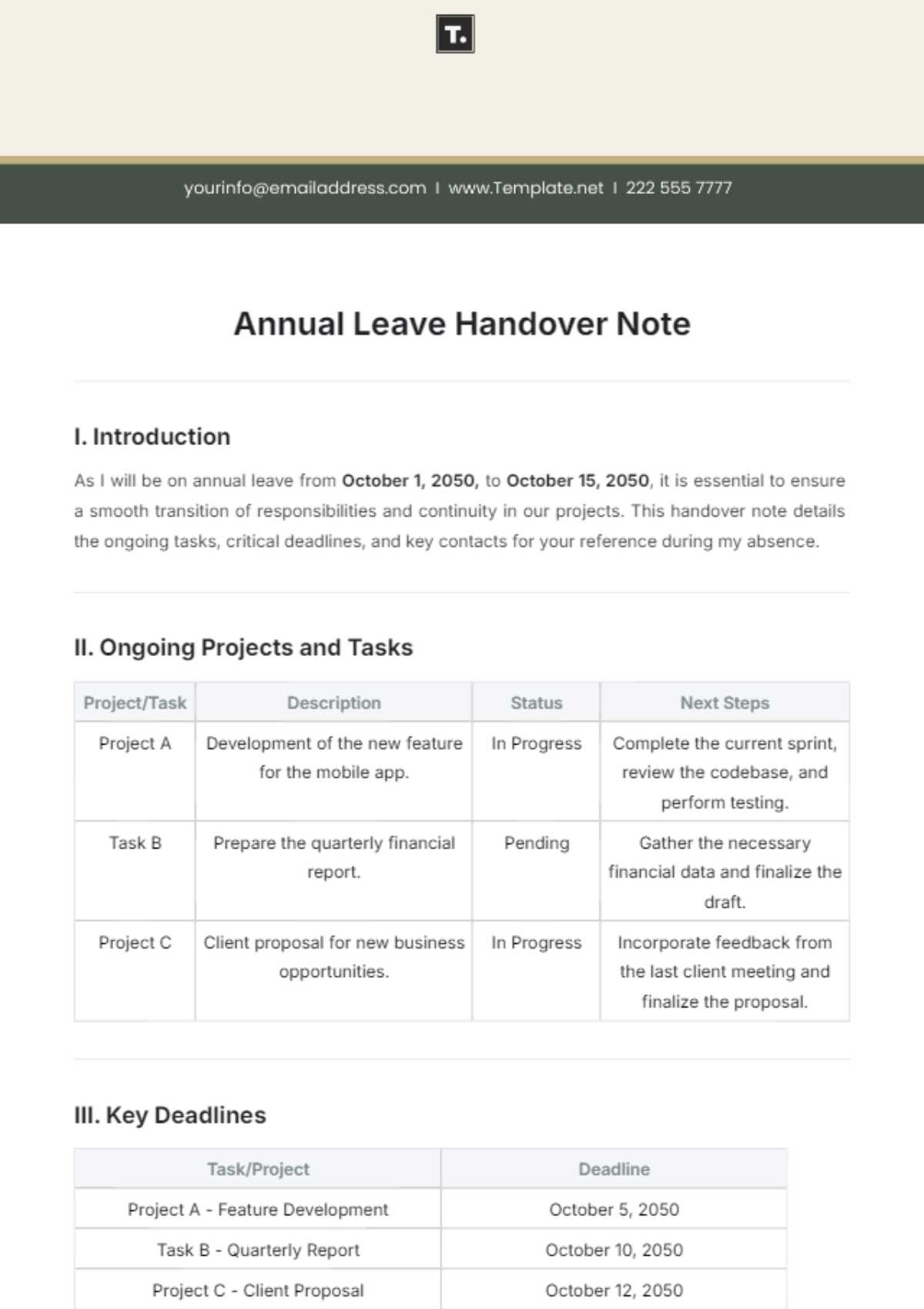
While the core structure remains consistent, tailoring the template to fit the specific nuances of your industry can dramatically improve clarity and reduce friction.
Technology Projects
Include clauses on software licensing, version control, and API documentation. Specify the level of support and the transition of code repositories.
Construction and Engineering
Add sections on site handover, safety inspections, and compliance with building codes. Detail the responsibilities for ongoing maintenance contracts.
Marketing and Creative Services
Document branding assets, content ownership, and social media account transitions. Clarify who retains the rights to creative work.
Healthcare and Pharmaceutical
Incorporate regulatory compliance, patient data protection, and quality assurance procedures. Include detailed SOPs (Standard Operating Procedures) for ongoing care.
Step-by-Step Guide to Drafting Your Handover Agreement

Below is a practical workflow that takes you from blank page to executed contract.
Step 1: Gather All Relevant Documentation
Collect project plans, design documents, user manuals, and any prior agreements. This baseline ensures that no critical element is omitted.
Step 2: Outline the Template Structure
Use the core elements listed above as a skeleton. Add industry-specific sections as needed.
Step 3: Draft the Text with Clear Language
Avoid legalese that confuses stakeholders. Use plain language and define any necessary jargon.
Step 4: Review with Legal Counsel
Even if you’re using a template, having a legal professional confirm that the document meets regulatory requirements is essential.
Step 5: Conduct a Dry Run with the Receiving Team
Share the draft with the team that will receive the project. Gather feedback on any gaps or ambiguous clauses.
Step 6: Finalize and Distribute for Signature
Once both parties approve, circulate the document for signatures. Use an electronic signature platform for speed and auditability.
Step 7: Archive the Agreement
Store the executed agreement in a secure, searchable repository. Ensure backups and version control.
Real-World Example: From Development to Support
Consider a mid-sized software firm that built a customer relationship management (CRM) system for a client. Using a handover agreement template, the team documented the following:
- Complete user guides and training schedules.
- Data migration plan and validation steps.
- API keys, access credentials, and environment variables.
- Post-launch support level, including SLAs (Service Level Agreements).
By having these details in one document, the client’s support team could launch the system without waiting for ad hoc emails, and both parties avoided a costly dispute over missing data.
Common Pitfalls to Avoid
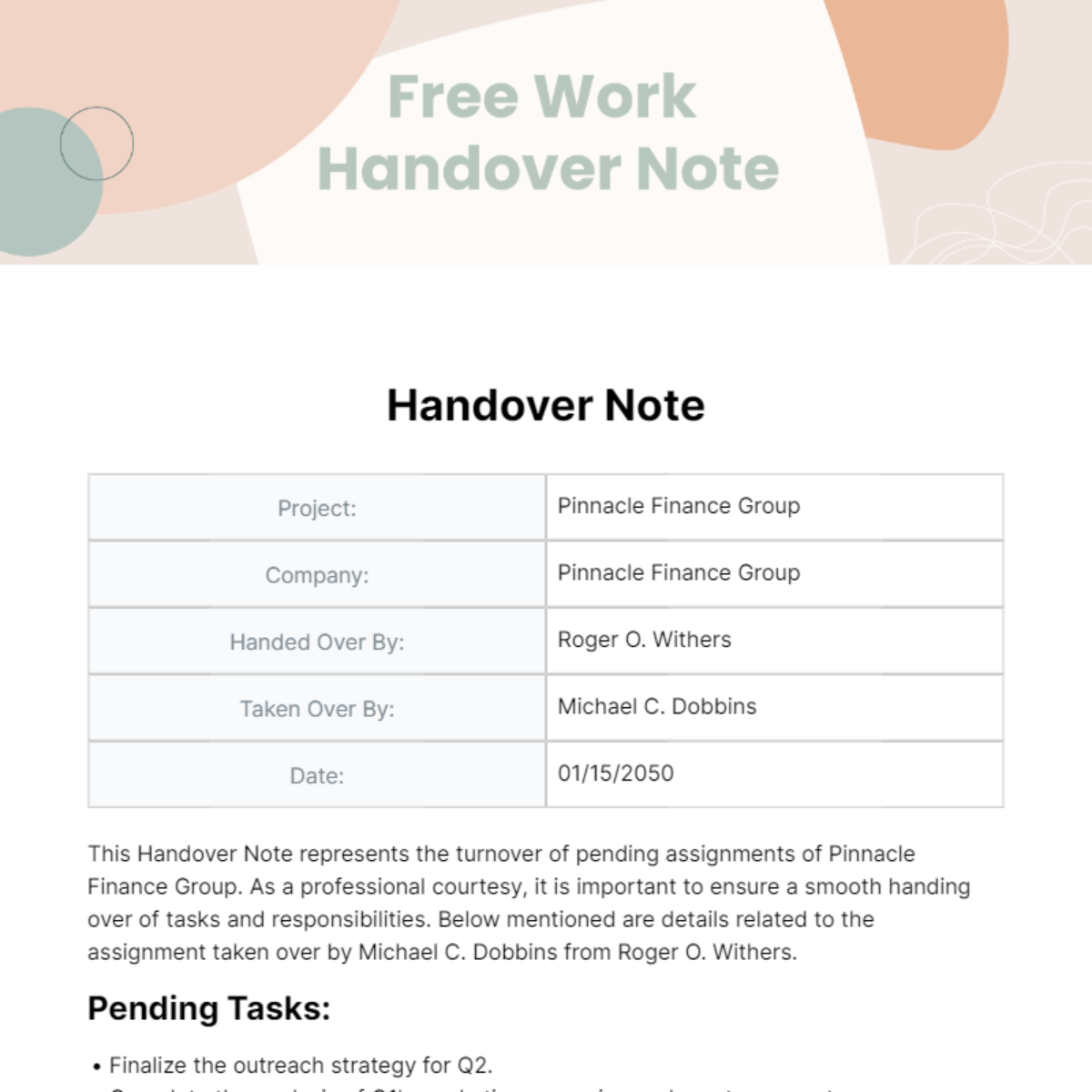
Even a well‑structured template can falter if not handled correctly. Watch out for these traps:
1. Vague Language
Ambiguous terms lead to misinterpretation. Always specify dates, percentages, and responsibilities.
2. Missing Signatures
Without proper authorization, the agreement may not be enforceable. Ensure all relevant stakeholders sign.
3. Neglecting Post-Handover Support
Assuming the project ends with the handover can create gaps. Include clauses that cover post-handover maintenance or bug fixes.
4. Ignoring Regulatory Requirements
Especially in industries like healthcare, compliance is non-negotiable. Ensure that the template addresses all pertinent regulations.
5. Overloading the Document
While detail is important, an excessively long agreement can deter review. Balance thoroughness with clarity.
Optimizing Your Template for SEO
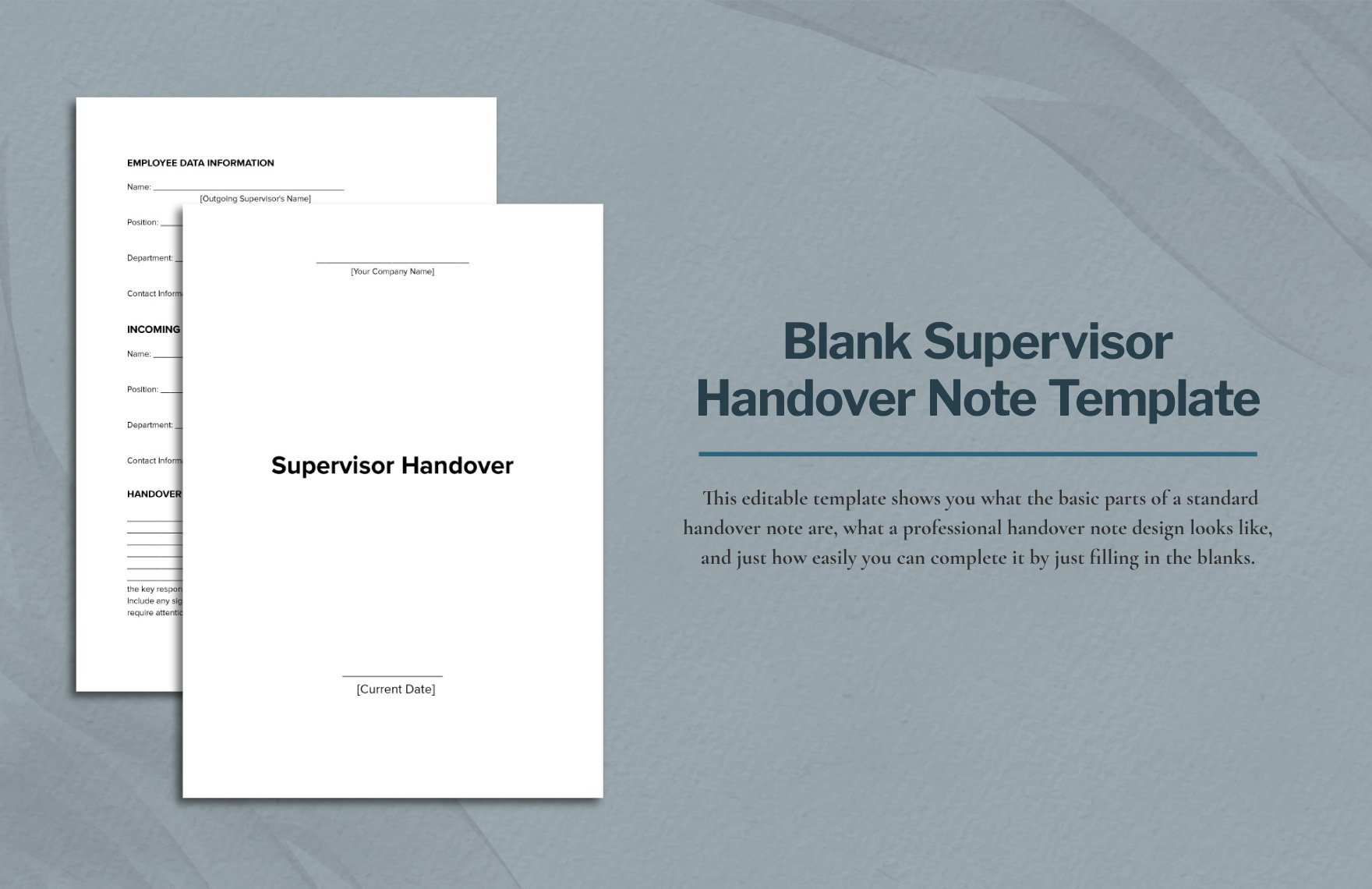
Beyond legal robustness, an engaging, keyword-rich blog post about handover agreement templates can attract readers seeking guidance. Incorporate the following tactics:
- Use “handover agreement template” naturally throughout the content.
- Include related terms such as “project handover,” “transition agreement,” and “handoff checklist.”
- Embed internal links to related posts or resources, enhancing site navigation.
- Utilize descriptive meta tags and alt text if you include images.
- Structure the article with clear headings and subheadings for readability.
Conclusion
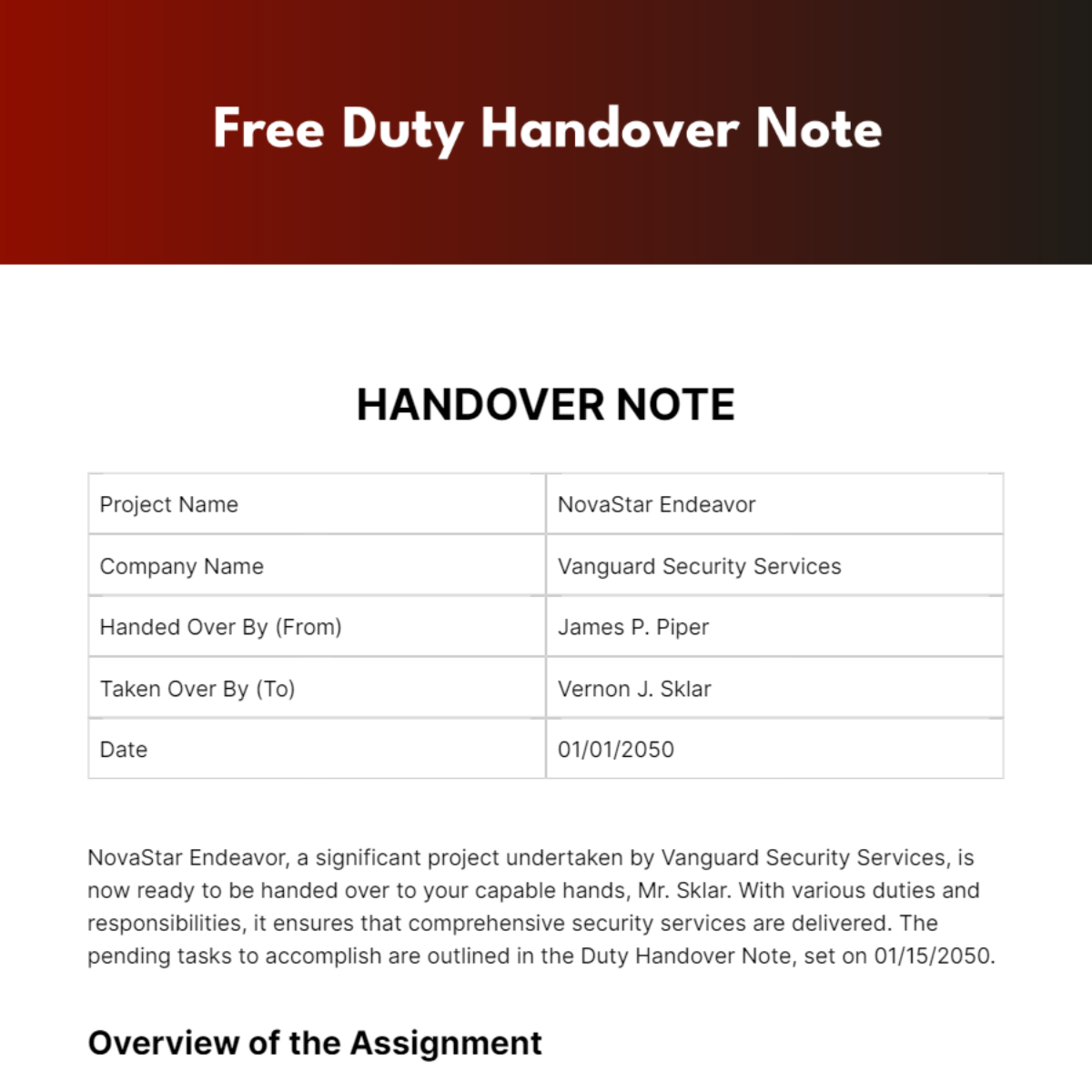
A meticulously crafted handover agreement template is a cornerstone of successful project transitions. By outlining responsibilities, timelines, and risk mitigation strategies, it safeguards both parties, ensures compliance, and keeps the business moving forward with confidence. Whether you’re handing off a software system, a construction site, or a marketing campaign, investing time in a robust template pays dividends in clarity, efficiency, and legal protection.