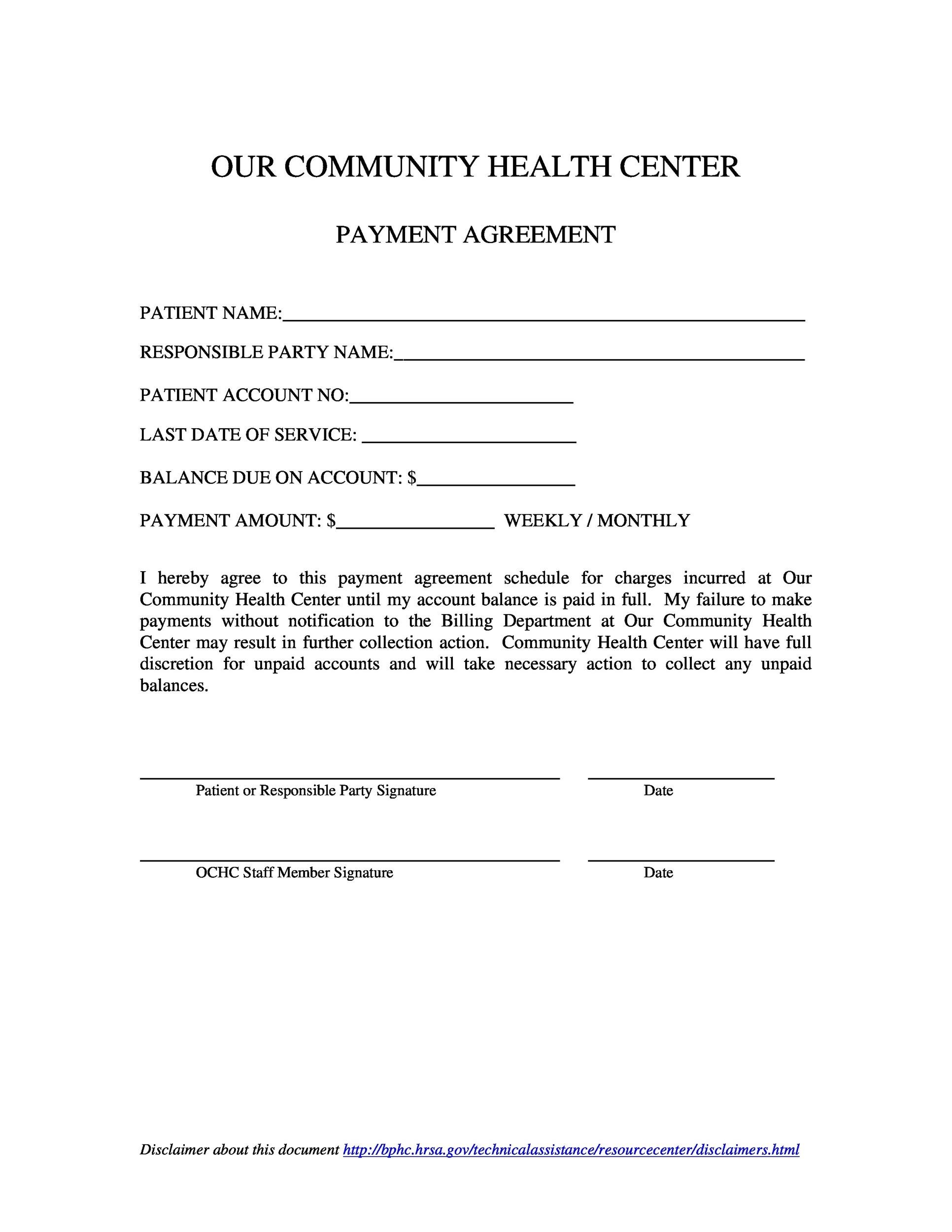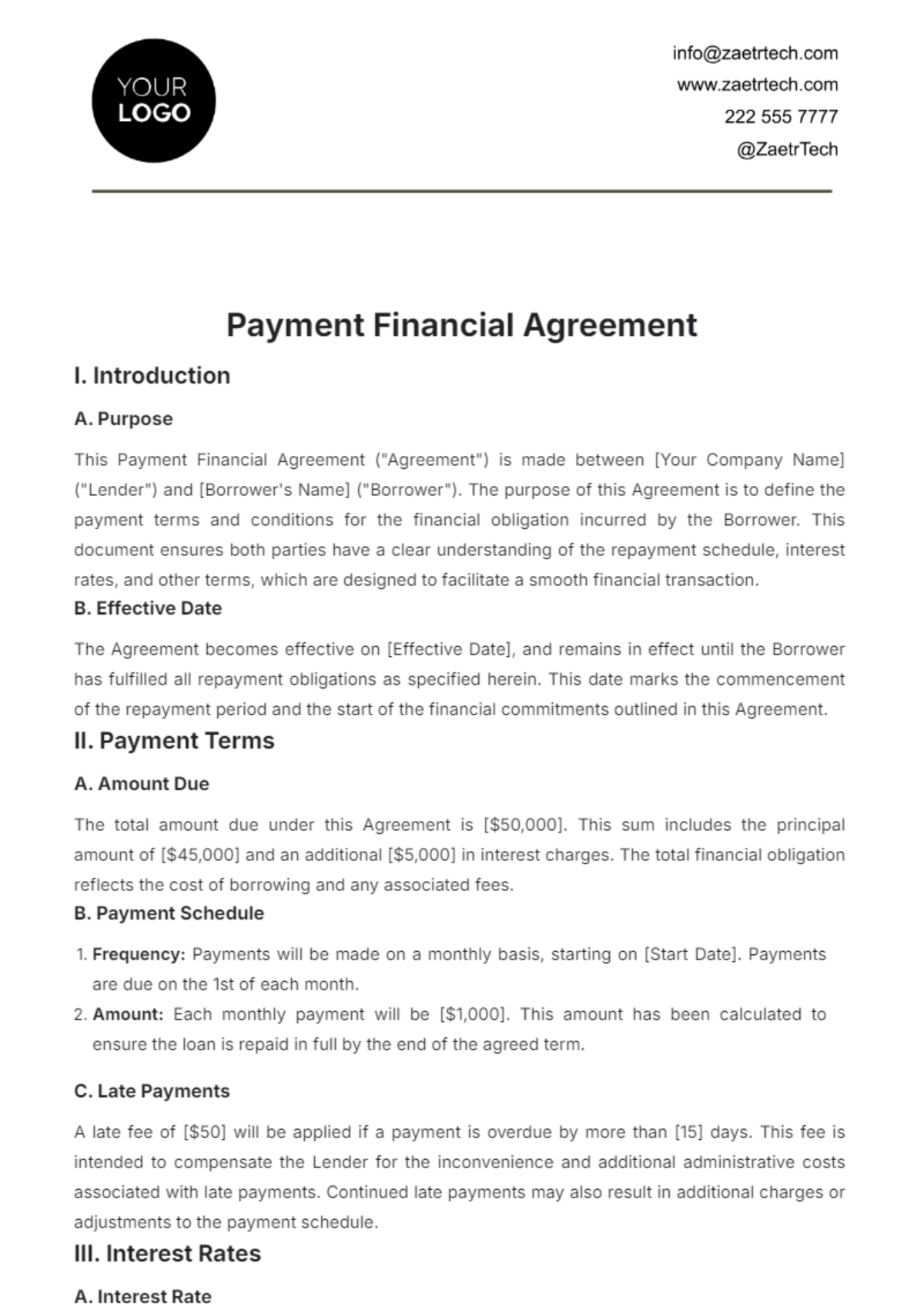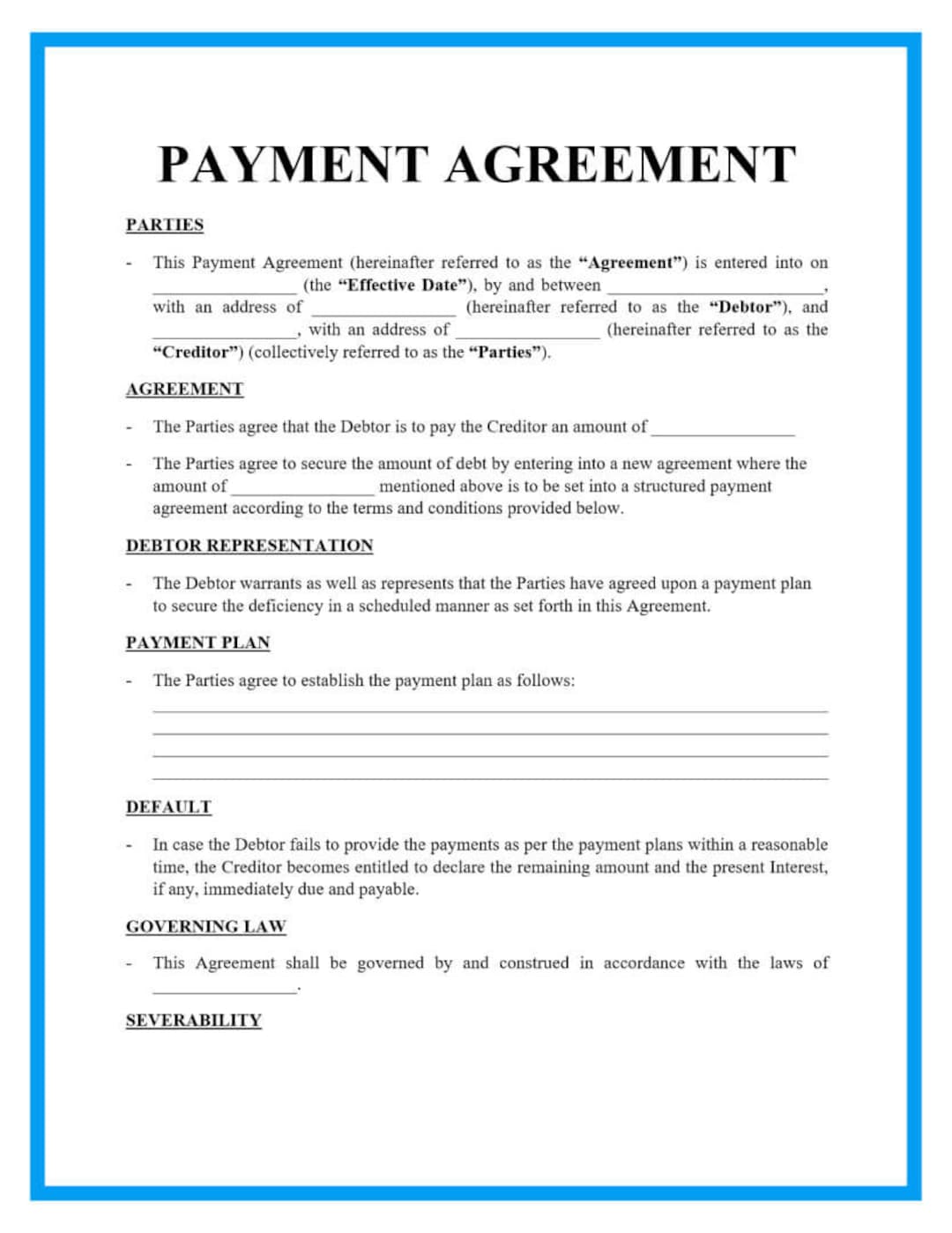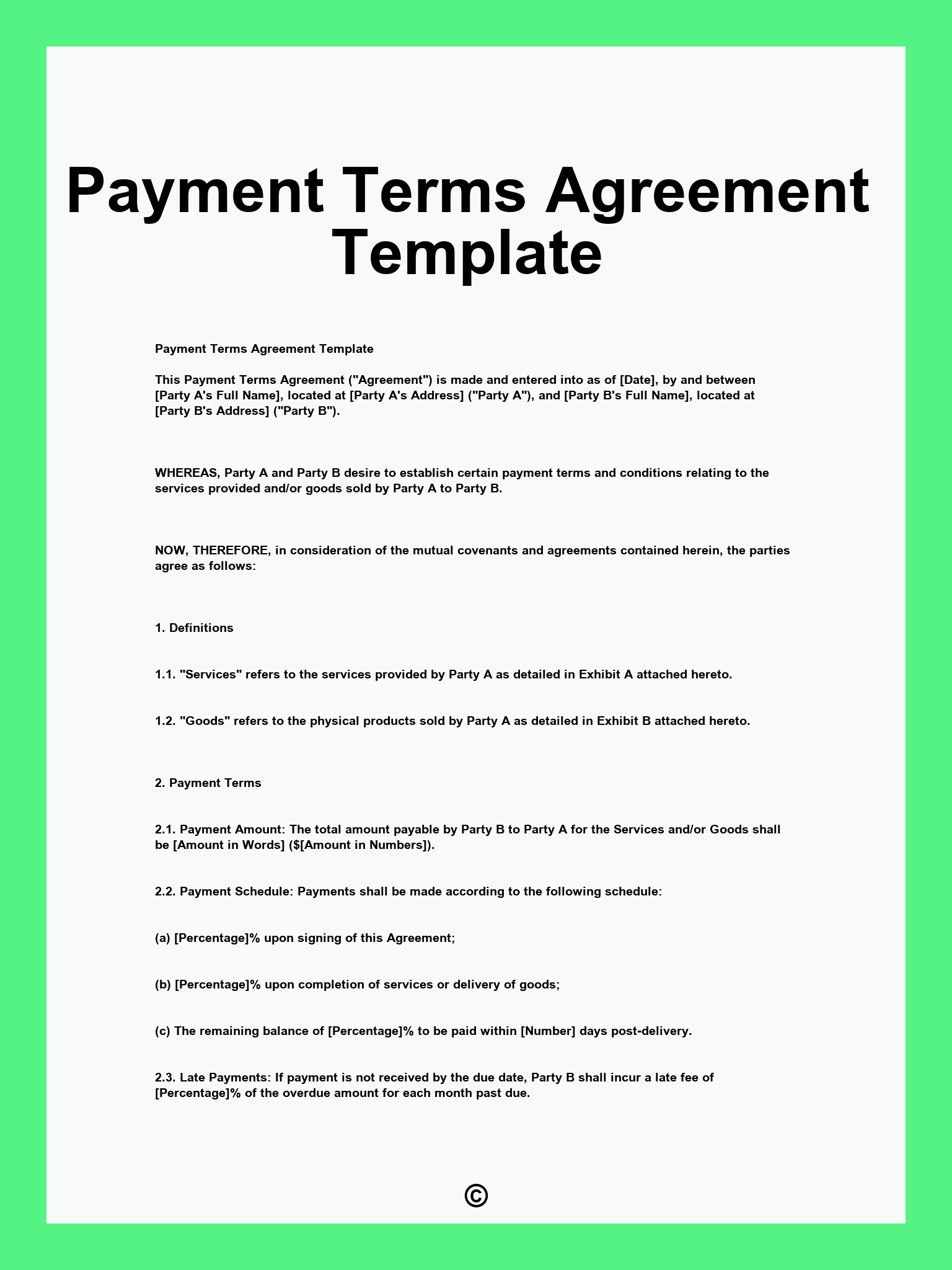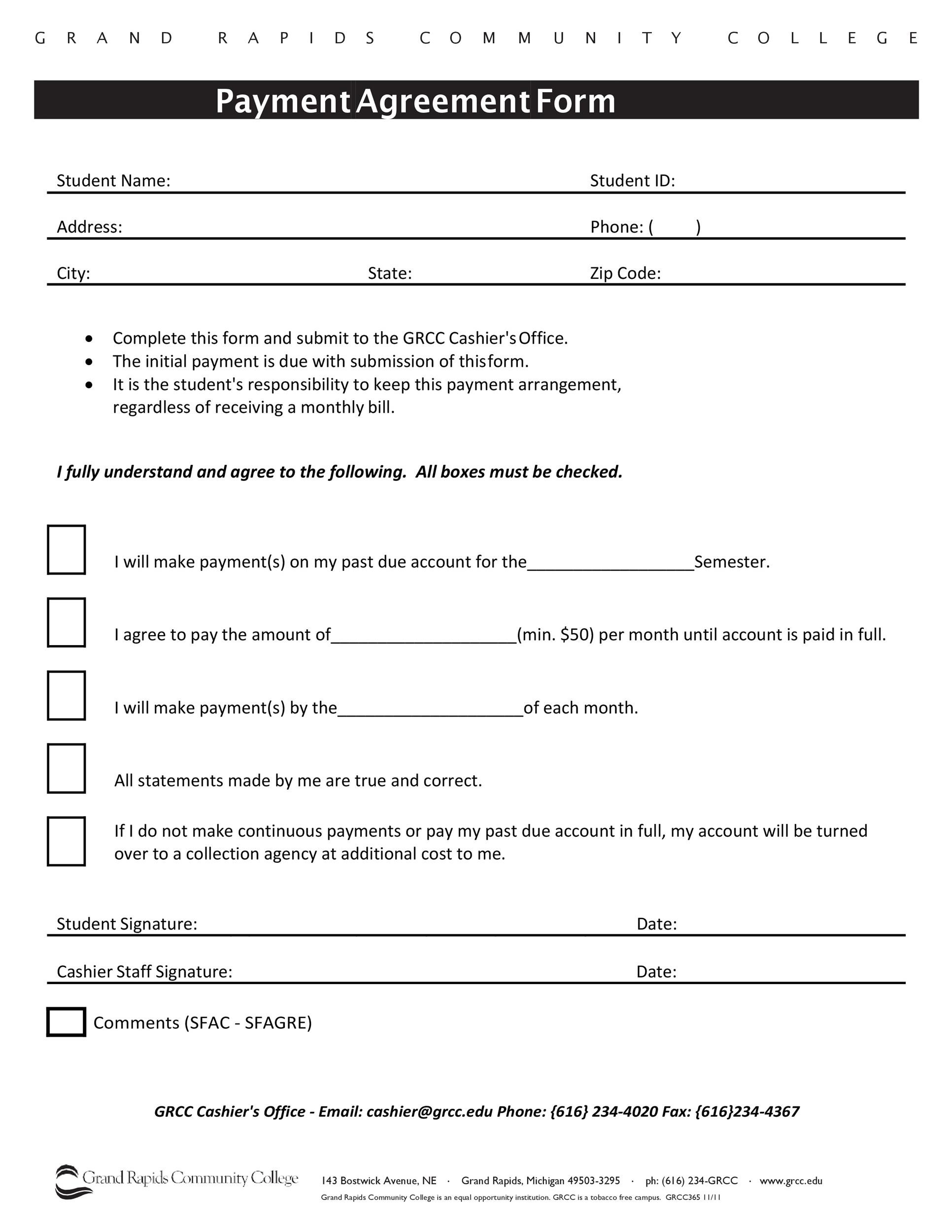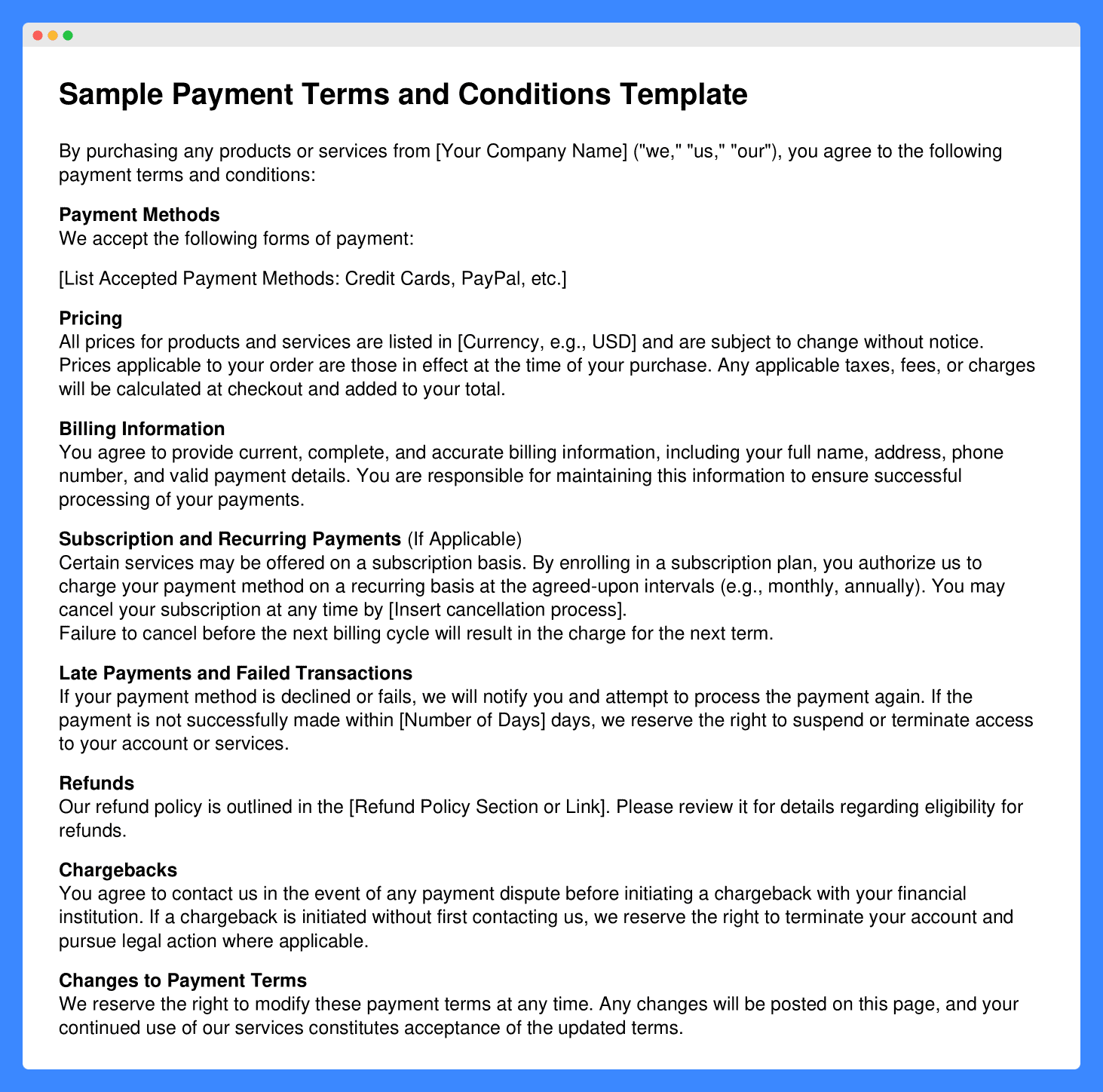
In today’s fast-paced business landscape, a well-drafted Payment Terms Agreement Template can save companies countless headaches and secure cash flow. By outlining clear expectations for invoicing, delivery, payment schedules, and penalties, this document becomes the backbone of a healthy vendor relationship and protects both parties from costly disputes.
Why Every Business Needs a Payment Terms Agreement
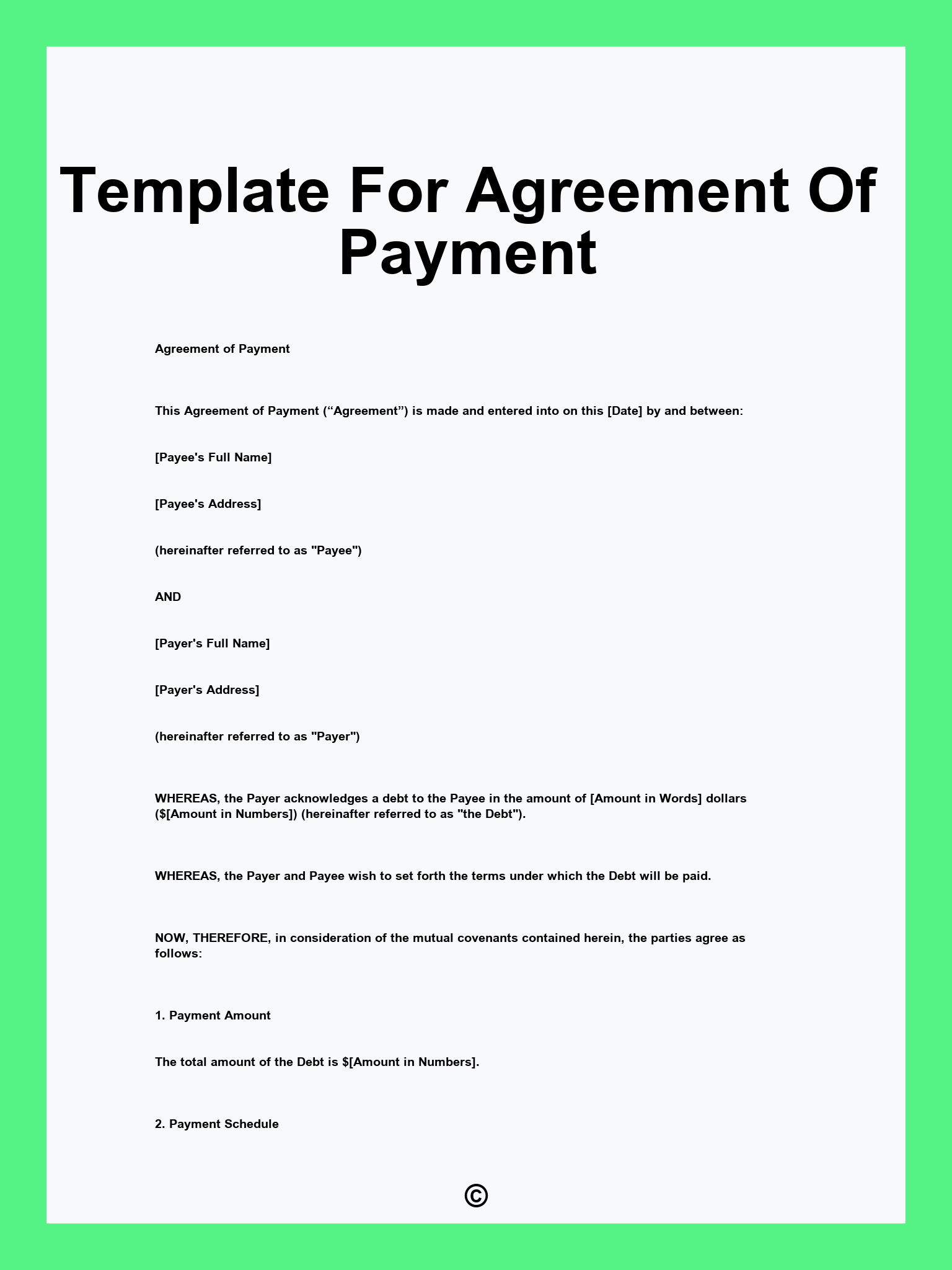
Whether you’re a freelancer, a small retailer, or a large corporation, the agreement you sign with clients or suppliers sets the tone for every transaction. Without it, you risk delayed payments, miscommunication, and legal complications that can derail even the most promising projects.
- Establishes a timeline that aligns with cash‑flow needs.
- Reduces the administrative burden of chasing overdue invoices.
- Provides a legal safeguard if the other party fails to comply.
- Encourages transparency and builds trust between partners.
Essential Elements of a Robust Template
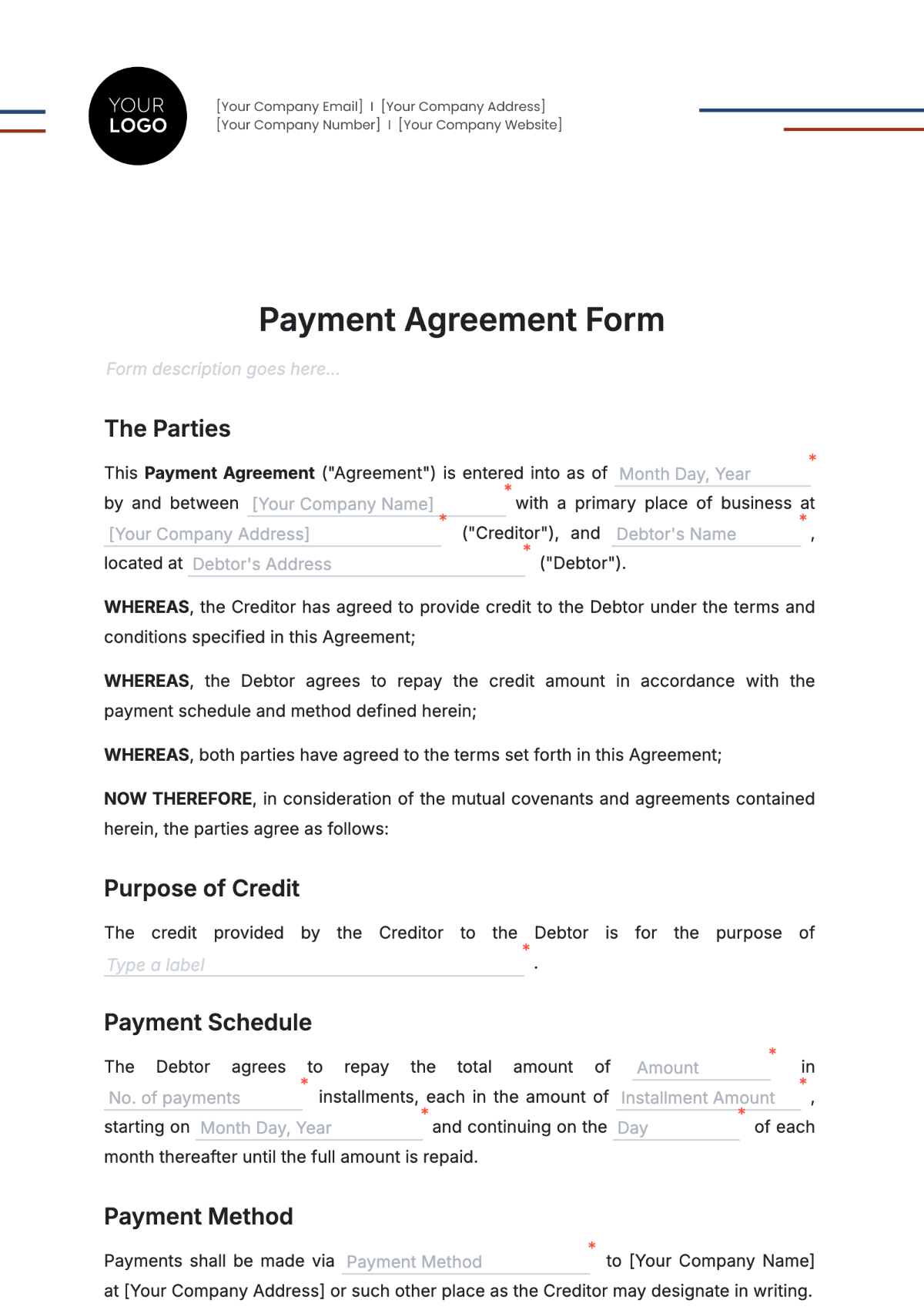
1. Parties and Effective Date
The document should begin by identifying the contracting parties—typically the buyer and the supplier—along with a clear effective date. This ensures that both sides know when obligations commence and helps avoid ambiguity during contract interpretation.
2. Scope of Work or Products
Detail exactly what is being purchased or supplied. This includes product specifications, quantity, service deliverables, and any relevant standards. Precise language prevents scope creep and sets the baseline for payment.
3. Pricing and Currency
List unit prices, total amounts, and the currency in which payments will be made. If you operate in multiple regions, specify currency conversion rules or provide a reference exchange rate to avoid confusion.
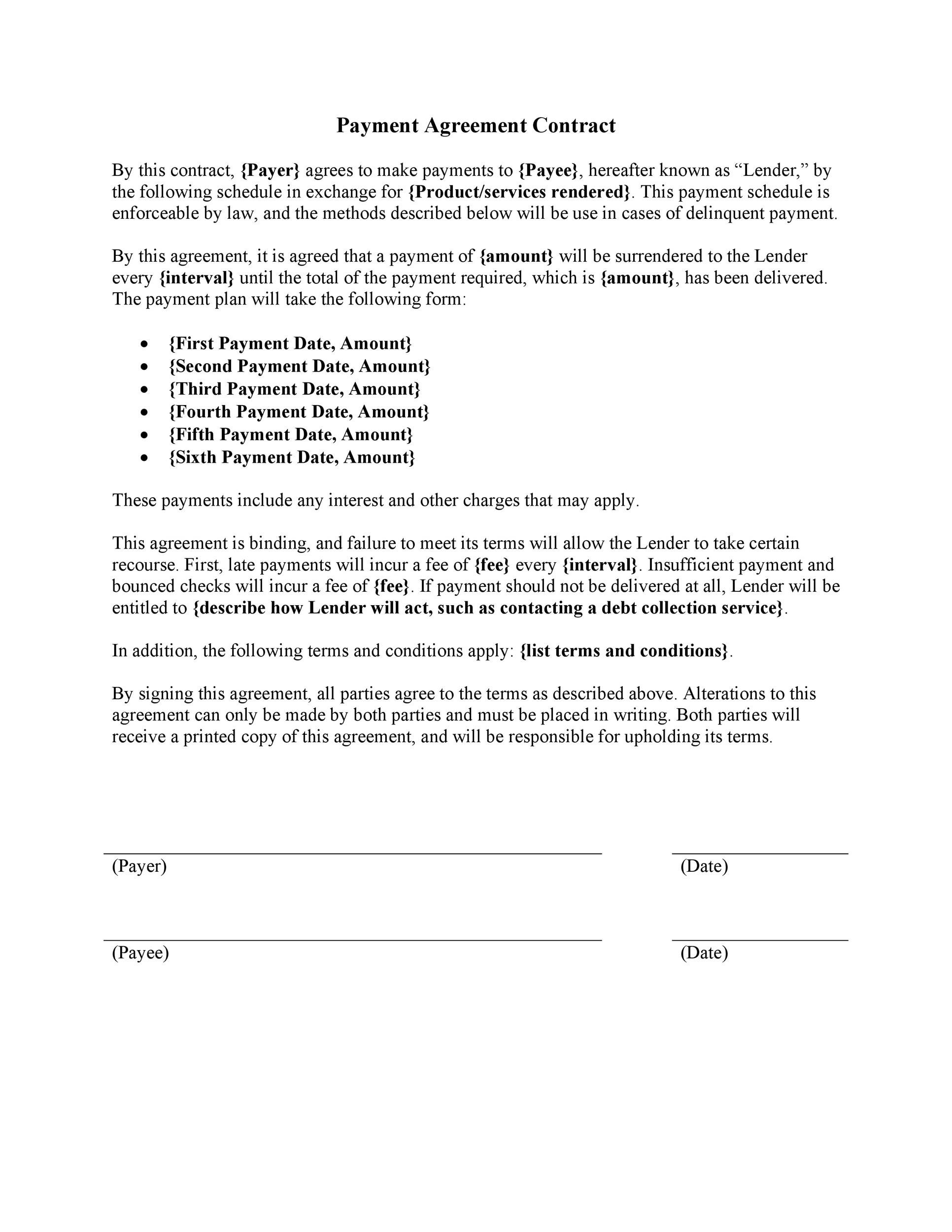
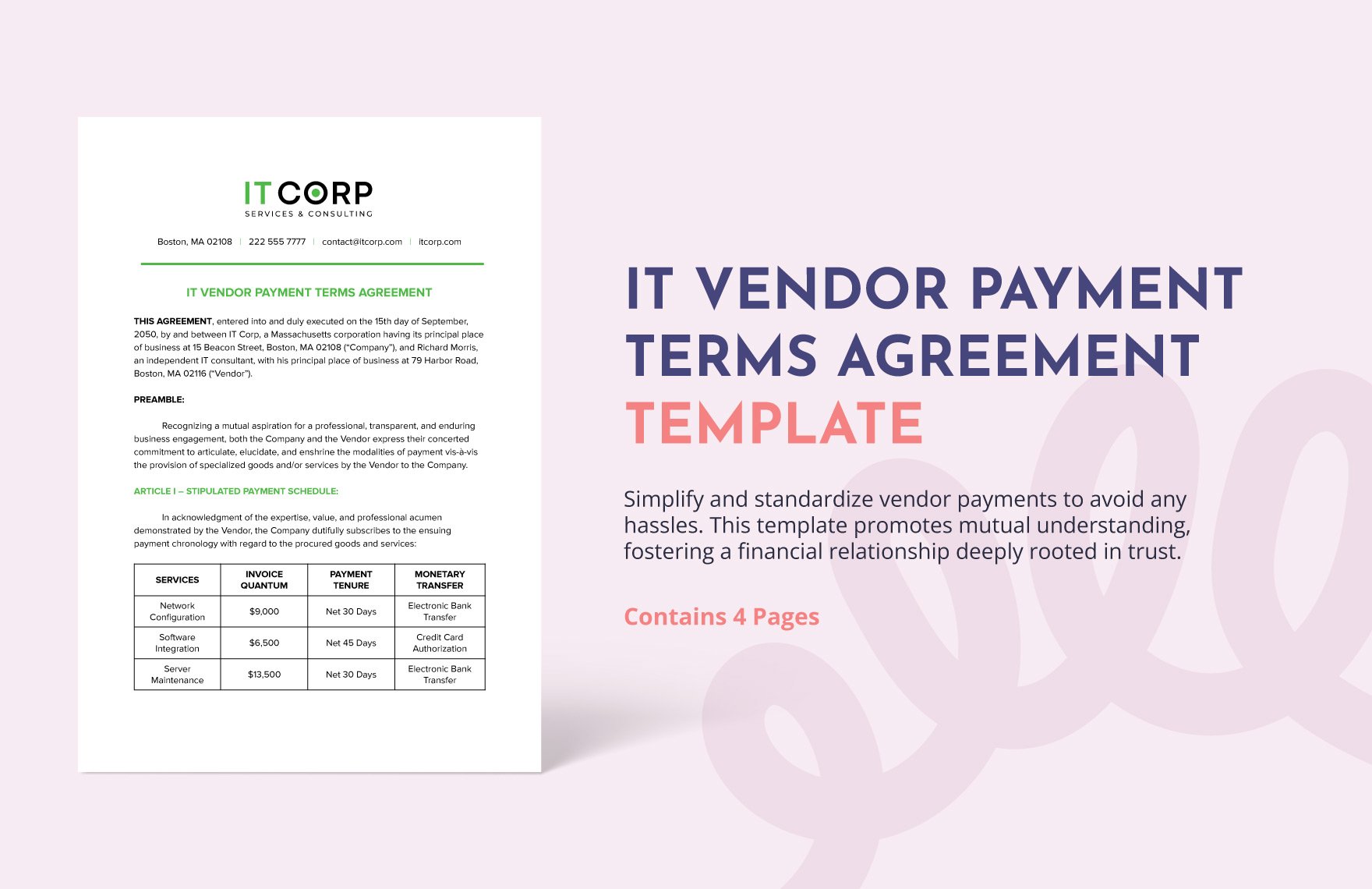
4. Payment Schedule
Define the timeline for payments. Common structures include:
- Net 30: payment due 30 days after invoice receipt.
- Milestone payments: partial payments tied to project milestones.
- Progress billing: regular invoices based on work completed.
Specify the method of payment—bank transfer, credit card, or electronic funds transfer—to streamline processing.
5. Late‑Payment Penalties
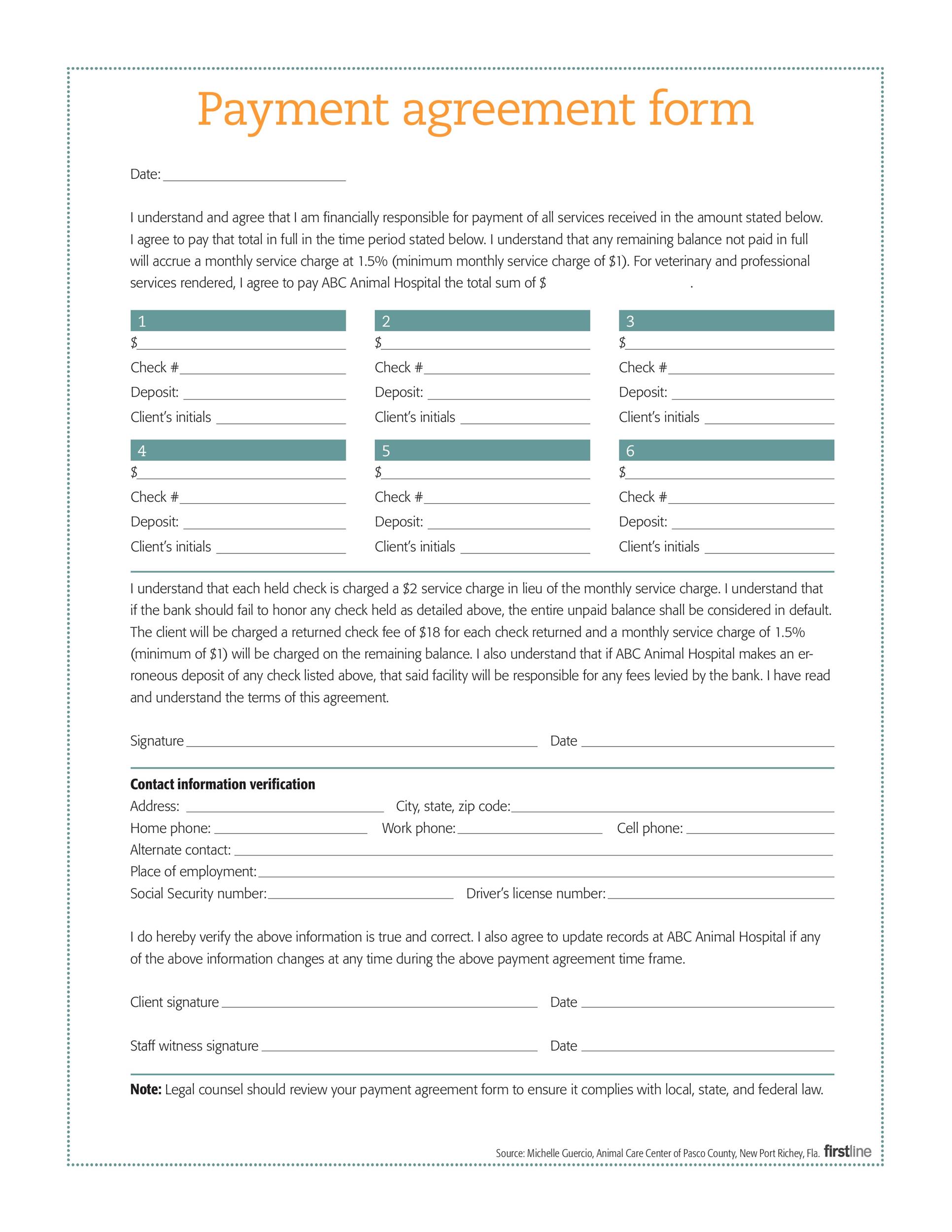
Include a clause that details interest rates or late fees for overdue invoices. A typical arrangement is a 1.5% per month penalty, which serves as a deterrent and compensates for delayed cash flow.
6. Dispute Resolution
Outline how payment disputes will be handled. A clause that requires mediation before litigation can reduce legal costs and preserve business relationships.
7. Termination and Default
State the conditions under which either party can terminate the agreement and the consequences of default, such as the right to suspend services or retain a deposit.
8. Confidentiality and Data Protection
When dealing with sensitive information, include a confidentiality clause to protect trade secrets and personal data, ensuring compliance with privacy regulations.
9. Governing Law
Specify the jurisdiction whose laws will govern the agreement, which can be critical if the parties are in different states or countries.
10. Signature Section
Provide spaces for authorized signatures, printed names, titles, and dates. Digital signatures are increasingly acceptable and can be incorporated if the jurisdiction allows.
How to Customize Your Template for Different Industries
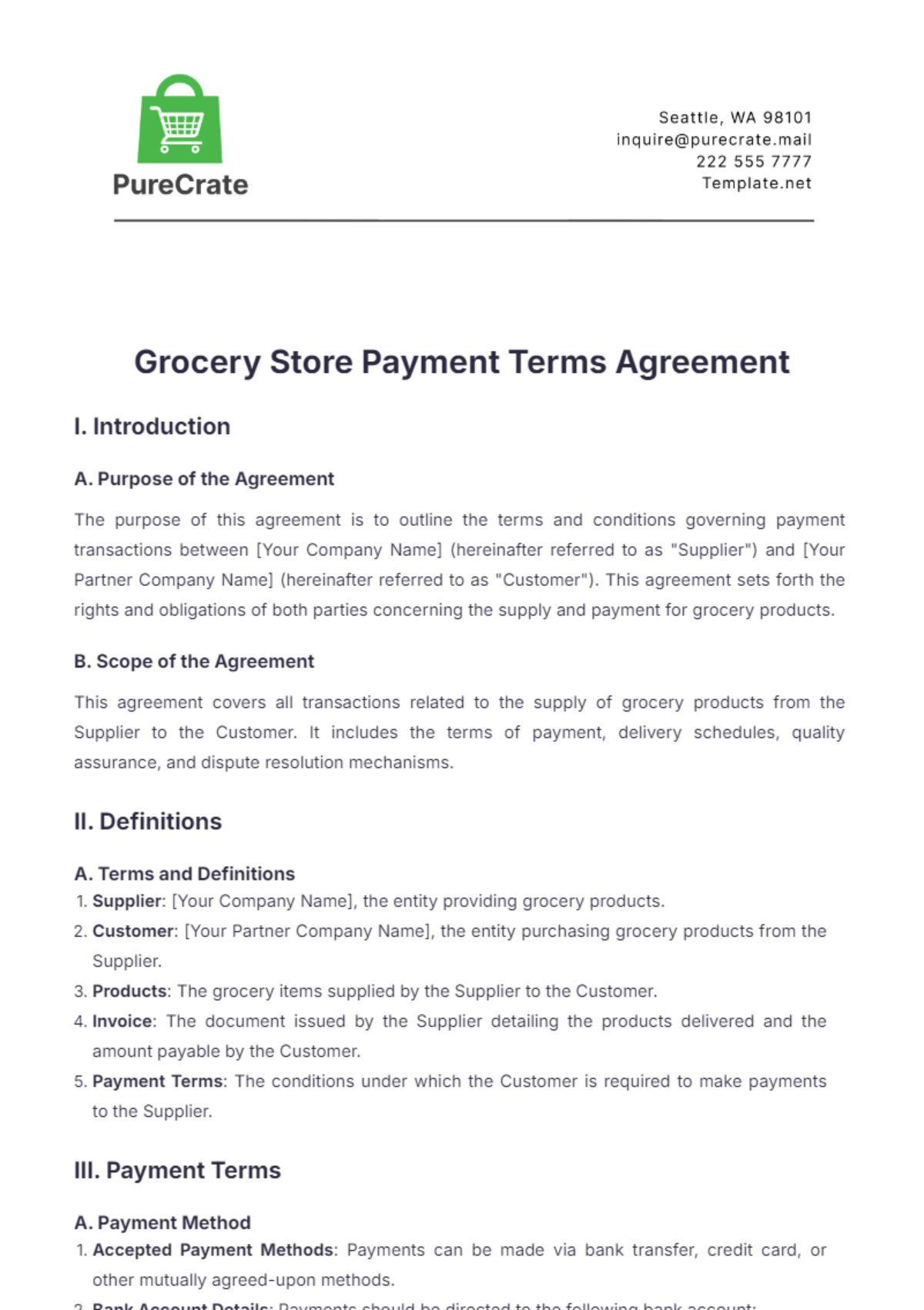
Retail and E‑Commerce
Retail agreements often involve bulk orders and seasonal discounts. Include a discount schedule tied to volume thresholds and a provision for price adjustments due to supply chain disruptions. Additionally, define return policies and how refunds will be processed.
Construction and Engineering
Construction projects benefit from milestone-based payments tied to inspection approvals or project phases. Add a clause that allows for change orders—adjustments to scope that may alter cost and schedule—and require written approval for each change.
Software Development
For SaaS or custom software projects, consider a time‑and‑materials approach or fixed‑price agreements with deliverable milestones. Include a clause for intellectual property ownership that clarifies who holds the code after payment is complete.
Professional Services
Consultants and legal firms often charge retainer fees. Define the retainer amount, renewal terms, and the hourly rate for additional services. A clear scope of work clause protects against scope creep.
Step‑by‑Step Guide to Drafting Your Own Template
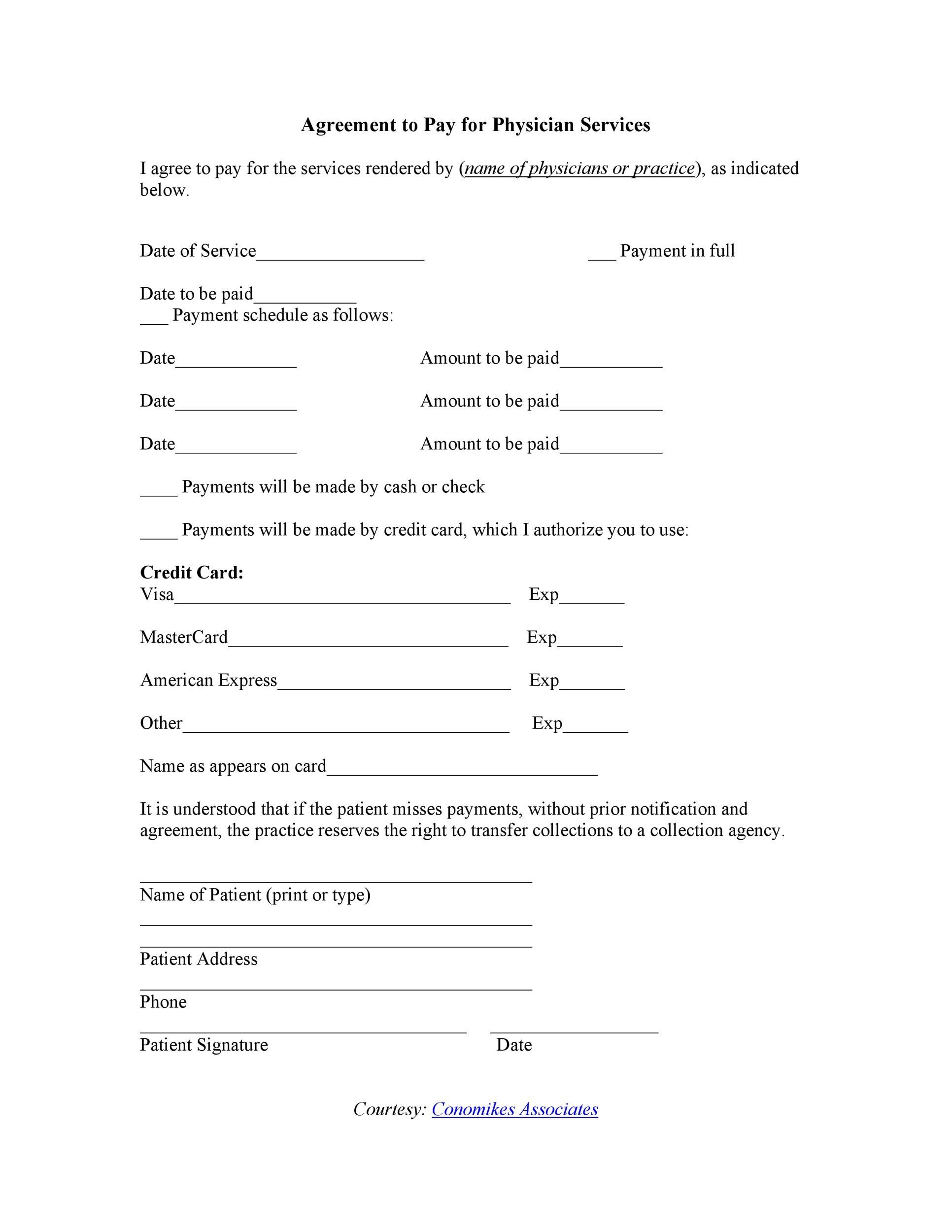
1. Identify Your Business Needs
Ask yourself what risks you face: late payments, disputes over scope, currency fluctuations? Map these concerns to specific clauses that mitigate them.
2. Research Legal Requirements
Check state or country regulations that dictate payment terms—some jurisdictions enforce a maximum late‑payment interest rate or require specific language.
3. Draft the Core Framework
Write a skeleton of the agreement, filling in the essential elements listed above. Keep the language plain and concise, avoiding legal jargon unless necessary.
4. Review with Stakeholders
Send the draft to finance, legal, and operations teams for feedback. Their insights ensure the template aligns with internal processes and compliance standards.
5. Iterate and Refine
Revise the document based on feedback, focusing on clarity, enforceability, and adaptability. Consider drafting a short version for quick deals and a full version for larger projects.
6. Implement Version Control
Maintain a master copy and track changes using version numbers or dates. This practice prevents confusion when multiple versions circulate.
Common Mistakes to Avoid
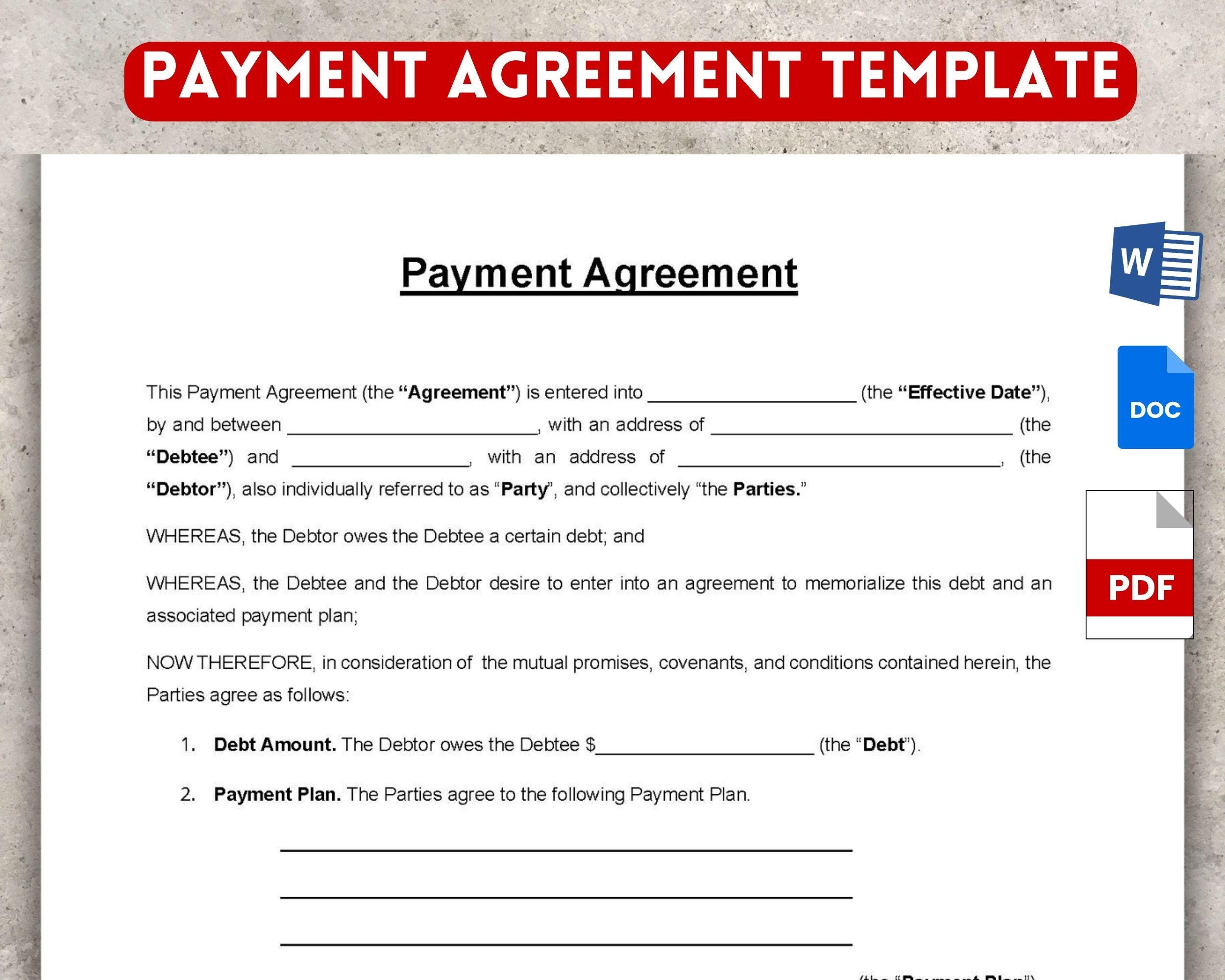
1. Vague Payment Terms
Terms like “within reasonable time” are ambiguous. Always specify a concrete number of days.
2. Neglecting Late‑Fee Clauses
Without penalties, clients have little incentive to pay on time. A simple late‑fee clause can significantly improve collection rates.
3. Overlooking Currency Risk
International clients may shift exchange rates. Include a clause that locks prices or establishes a conversion method.
4. Ignoring Dispute Resolution
Disputes that go straight to court are costly and time‑consuming. Mediation or arbitration clauses offer a faster resolution path.
5. Using One‑Size‑Fits‑All Templates
Different projects require different terms. Customizing the template to fit the specific transaction protects both parties and reduces misunderstandings.
Leveraging Technology to Manage Payment Terms
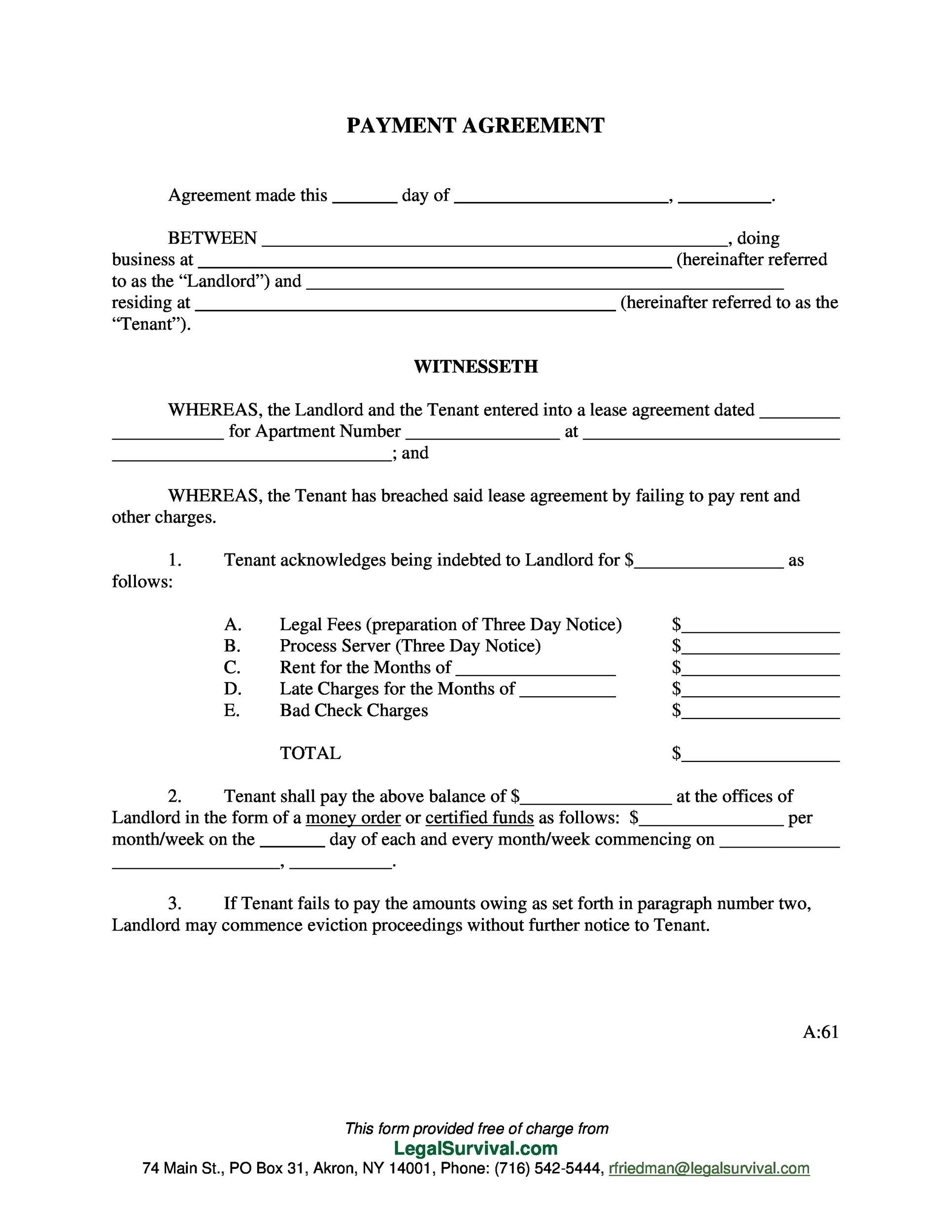
Digital Contract Platforms
Tools like DocuSign, Adobe Sign, and PandaDoc allow you to host templates, track changes, and capture signatures electronically. These platforms often integrate with accounting software, automatically posting invoices once a contract is signed.
Automated Invoice Generation
By linking your contract database to your invoicing system, you can generate invoices that automatically reflect agreed-upon terms—payment deadlines, discounts, and penalties—reducing manual errors.
Real‑Time Payment Tracking
Cloud‑based dashboards can display invoice status, outstanding balances, and aging reports. This visibility enables proactive outreach before payments become overdue.
Real‑World Case Study: A Mid‑Size Manufacturing Firm
Manufacturing Co. struggled with inconsistent payment schedules, leading to cash‑flow gaps and delayed production. By implementing a standardized Payment Terms Agreement Template, they achieved the following:
- Standardized Net 45 terms for all suppliers.
- Implemented a 2% late‑fee clause after 60 days.
- Integrated contracts with their ERP system for automated invoice posting.
Within six months, they reduced late payments from 35% to 12% and increased production efficiency by 18% due to smoother cash flow.
Conclusion
A thoughtfully crafted Payment Terms Agreement Template is more than a legal formality—it’s a strategic tool that protects cash flow, clarifies expectations, and fosters trust. By including clear sections on scope, pricing, payment schedules, and dispute resolution, and by customizing the template to match your industry’s nuances, you can convert every transaction into a predictable, risk‑managed partnership. Embrace the process, refine your templates regularly, and leverage technology to automate compliance, and you’ll build a foundation that supports sustainable growth and resilient business relationships.