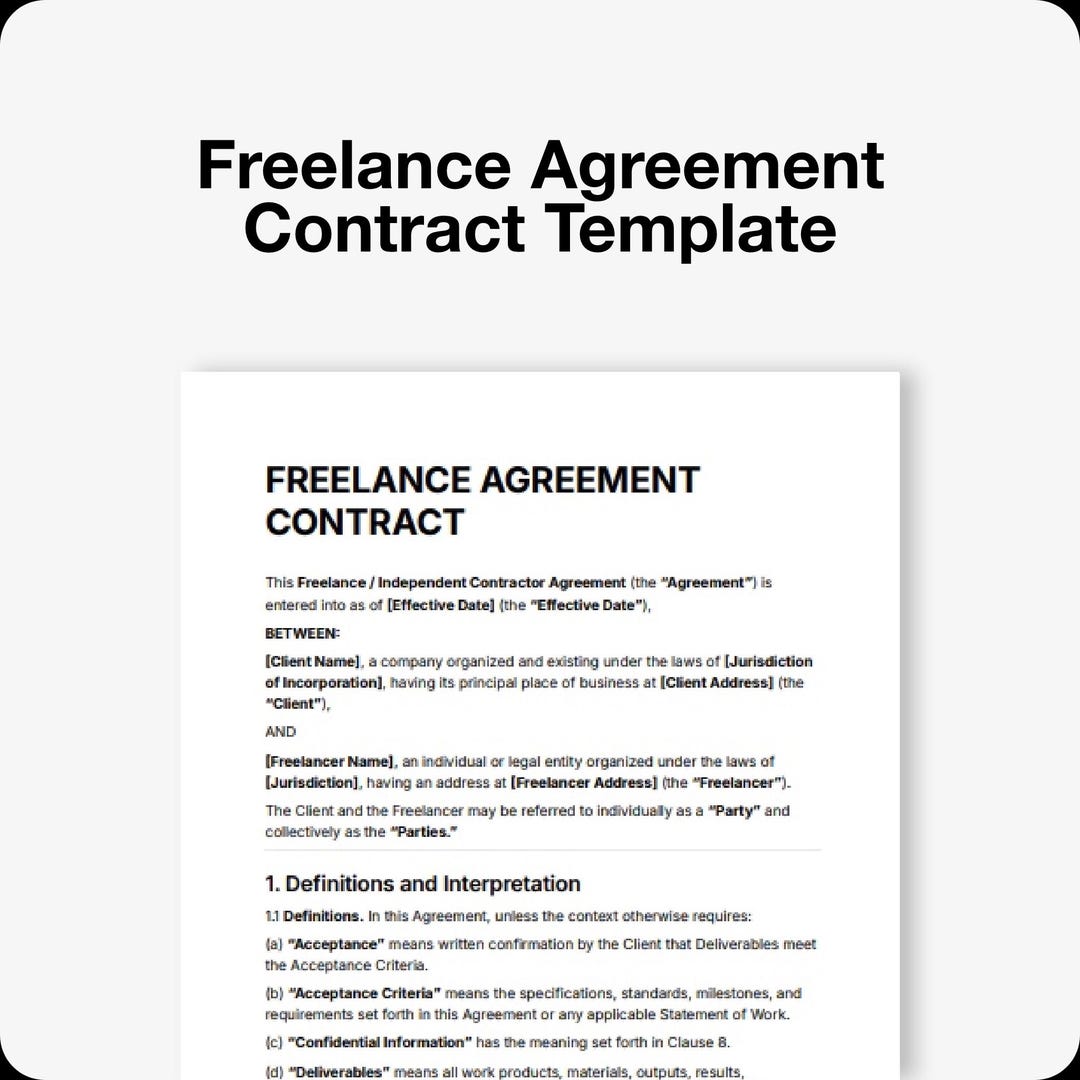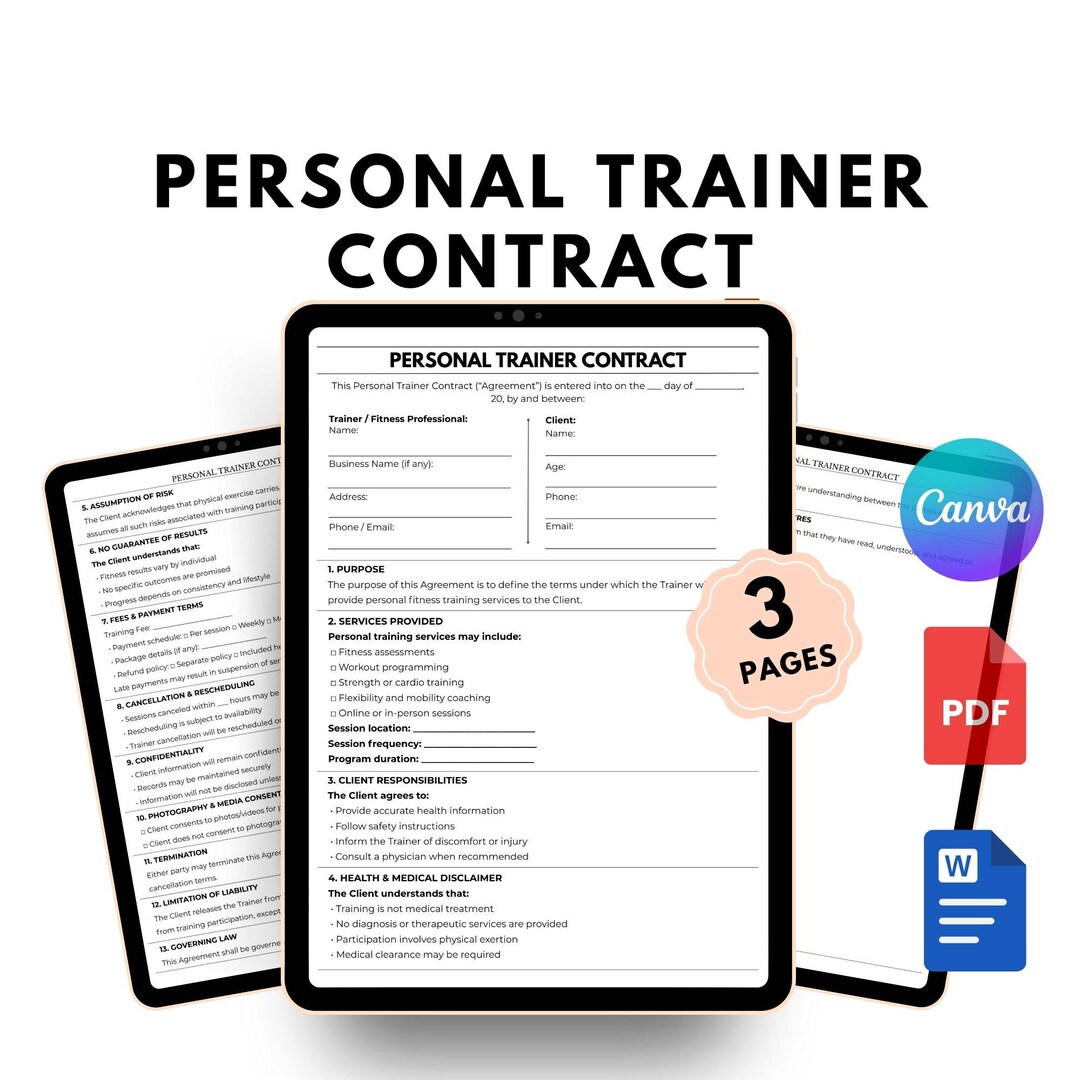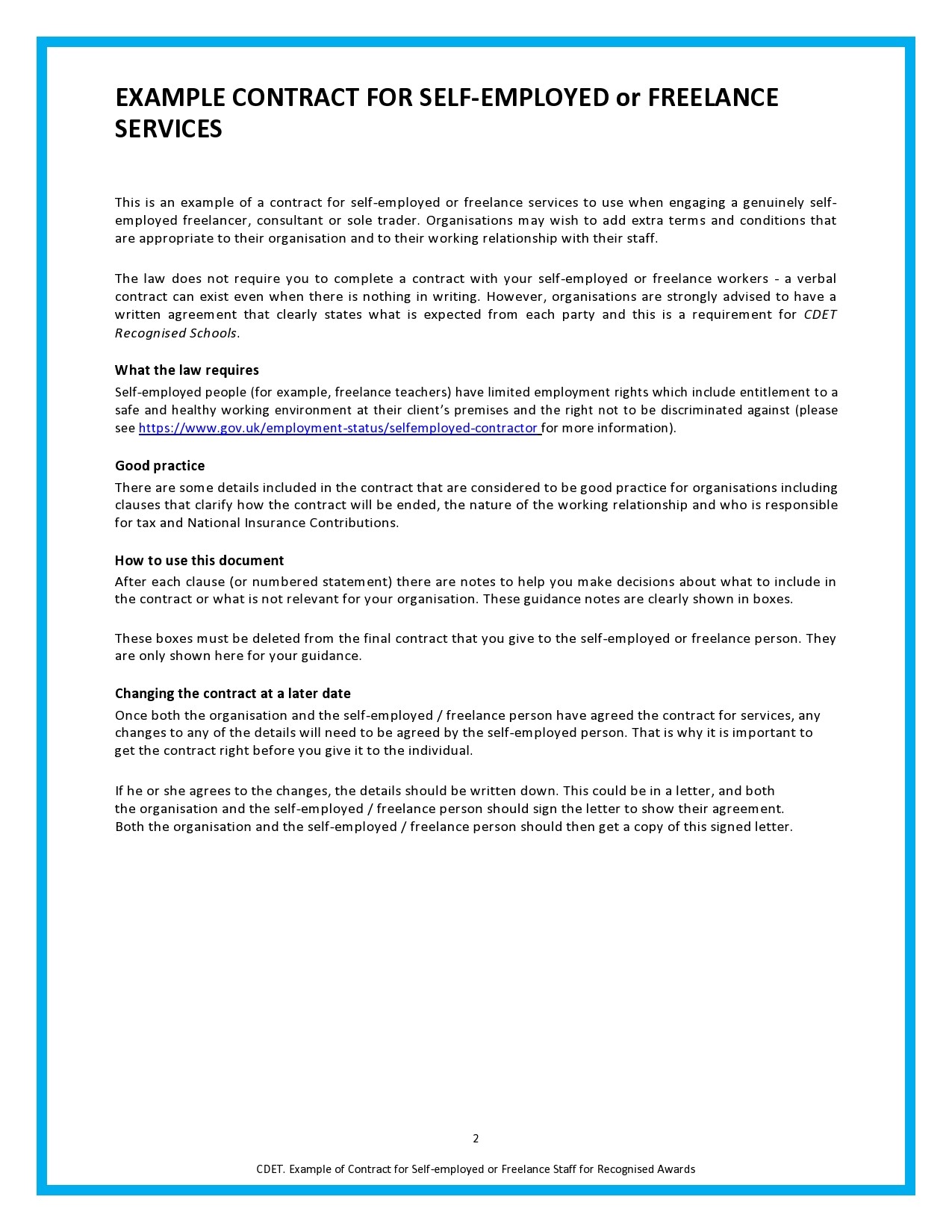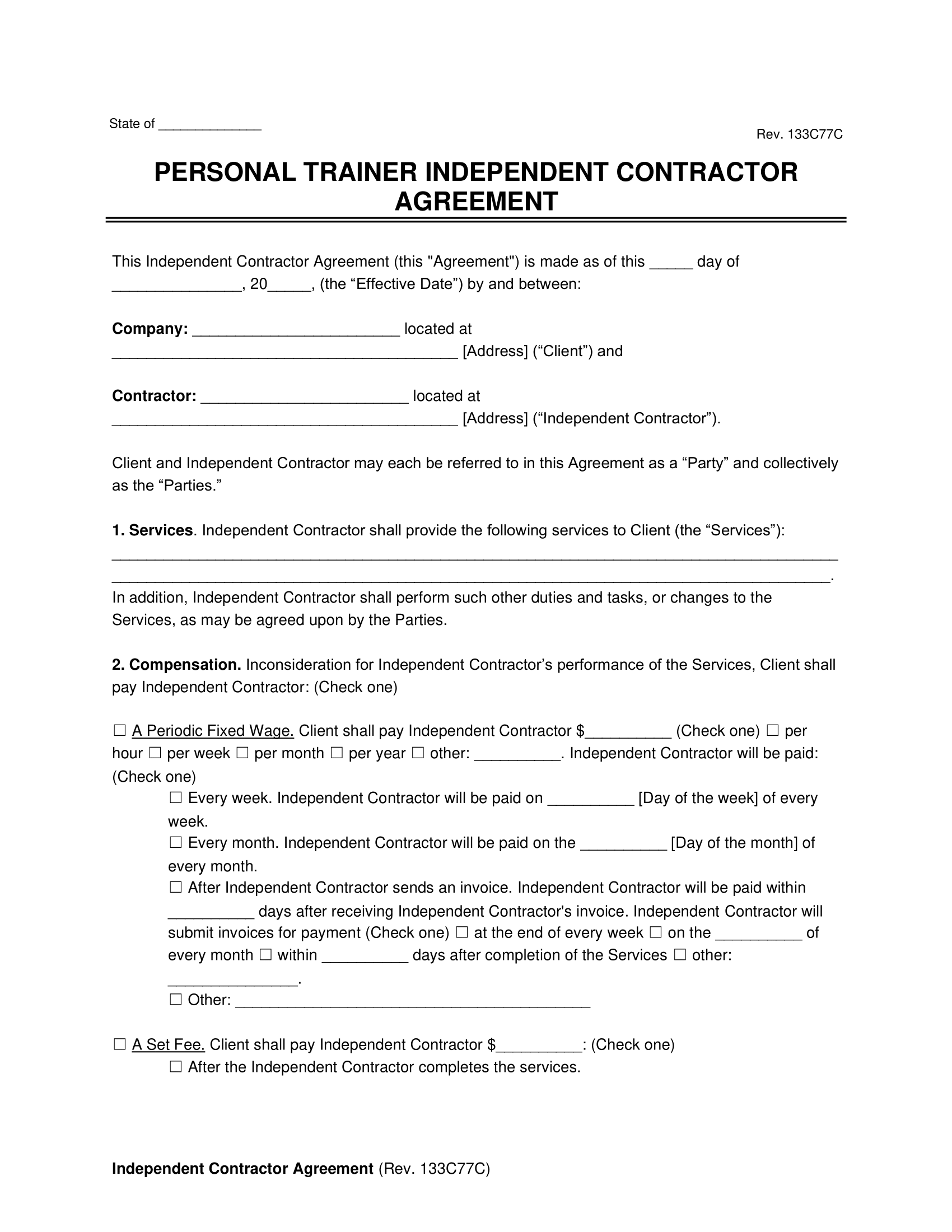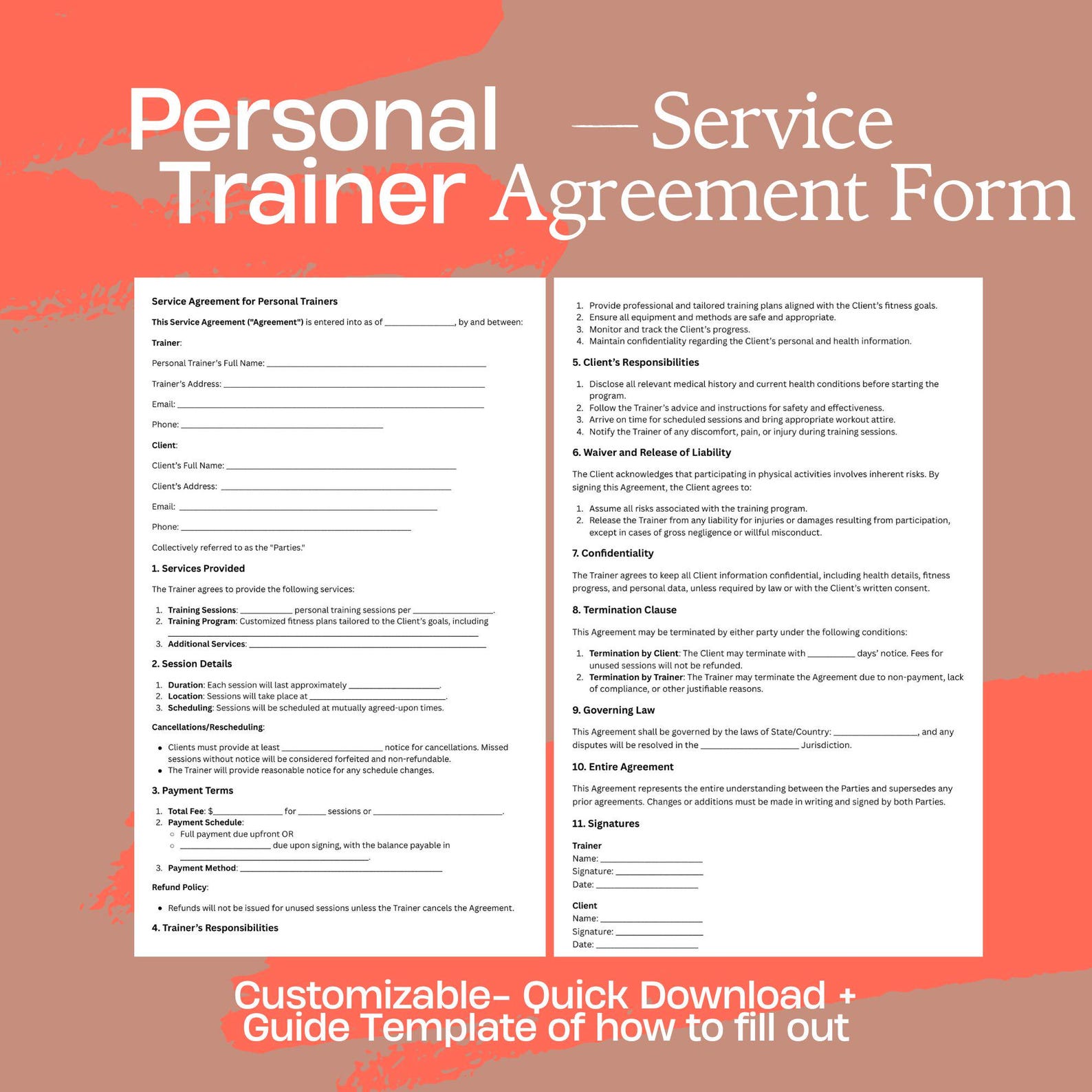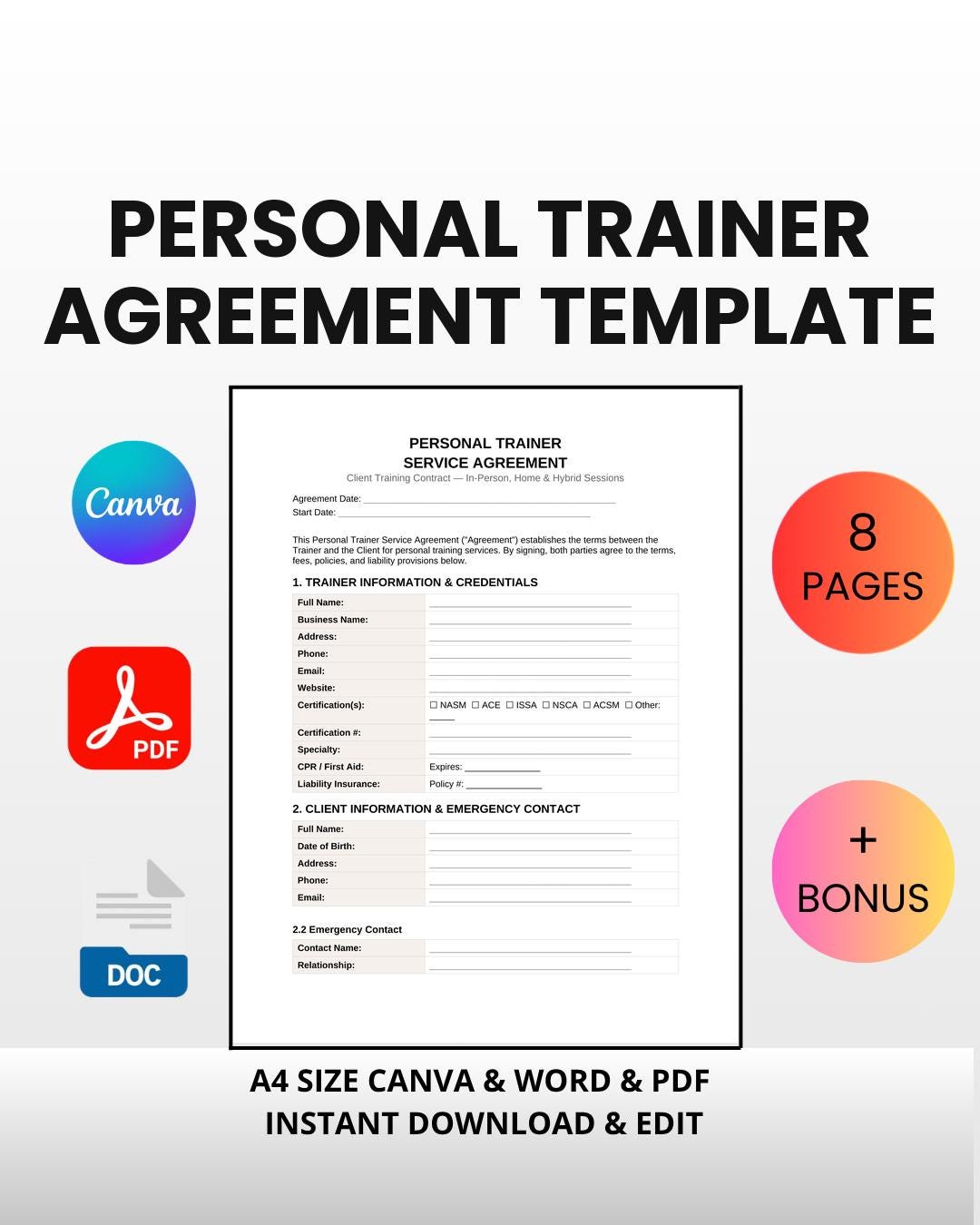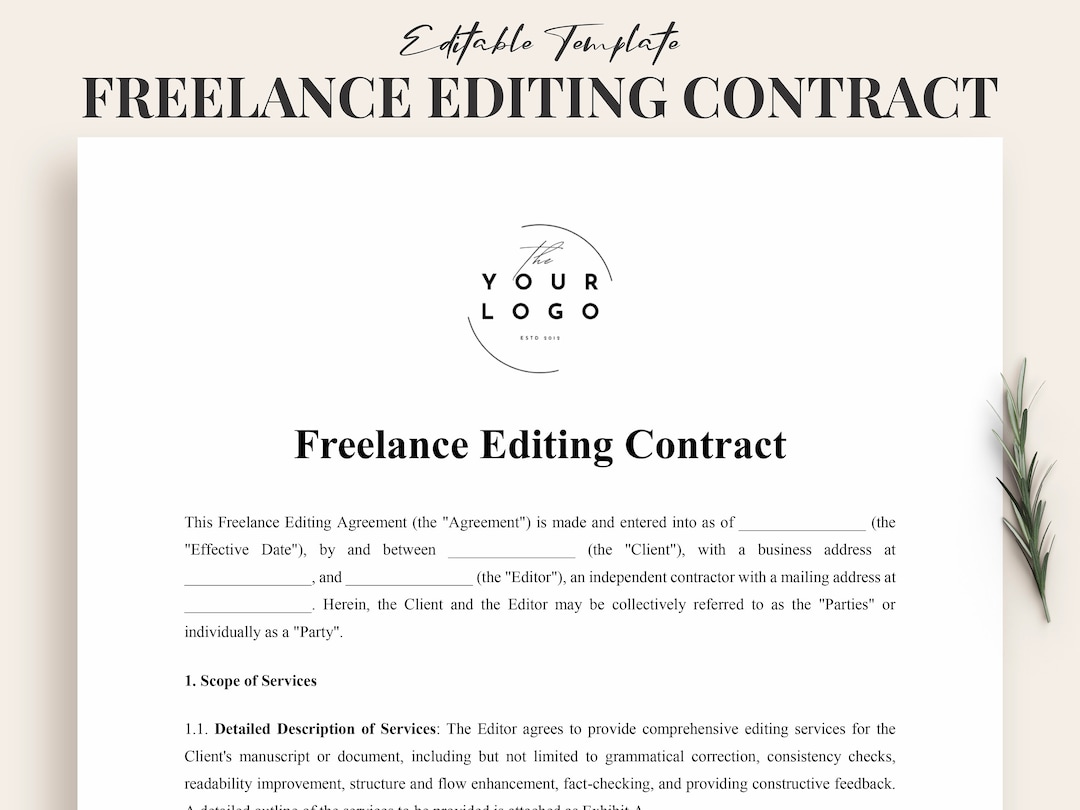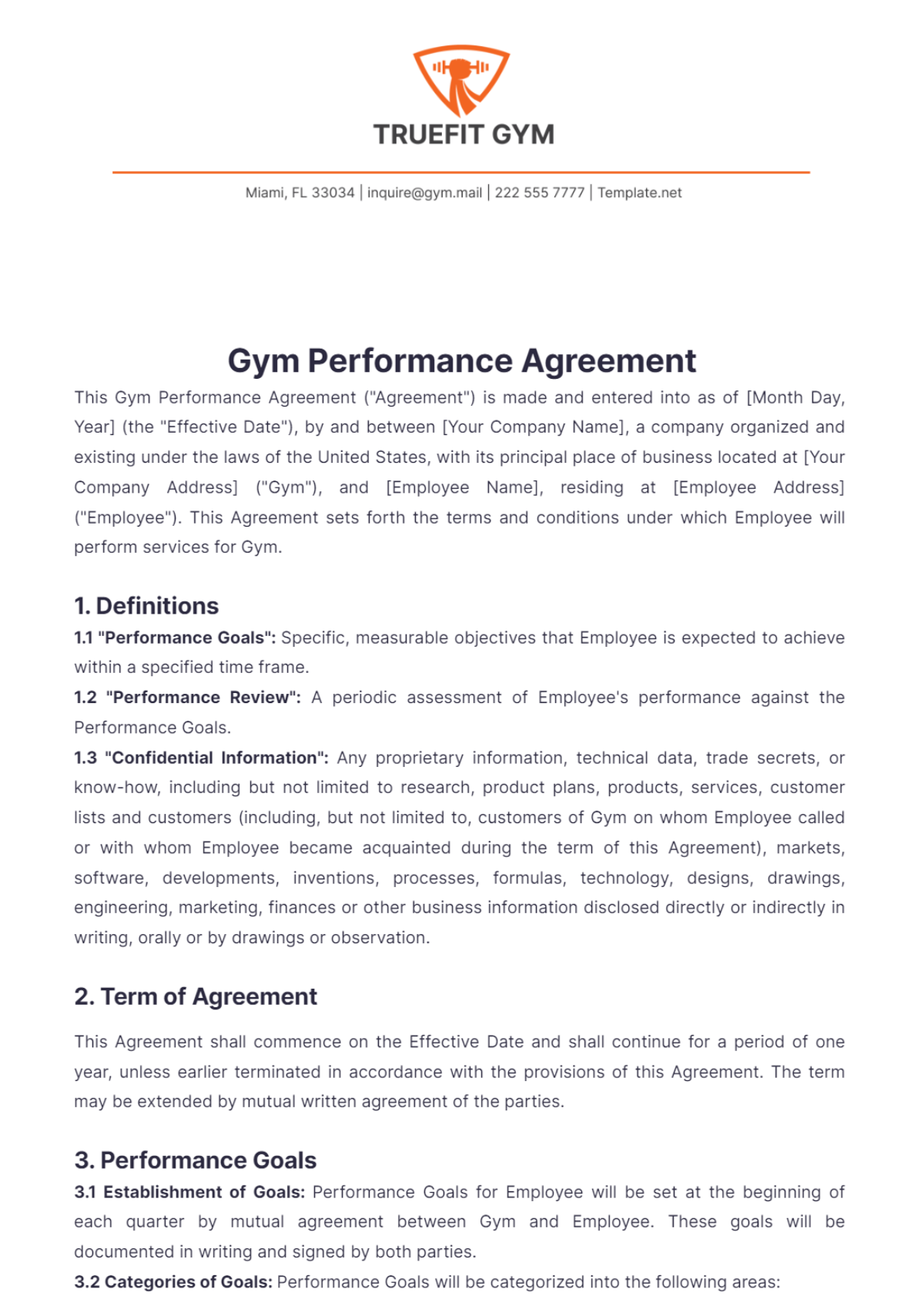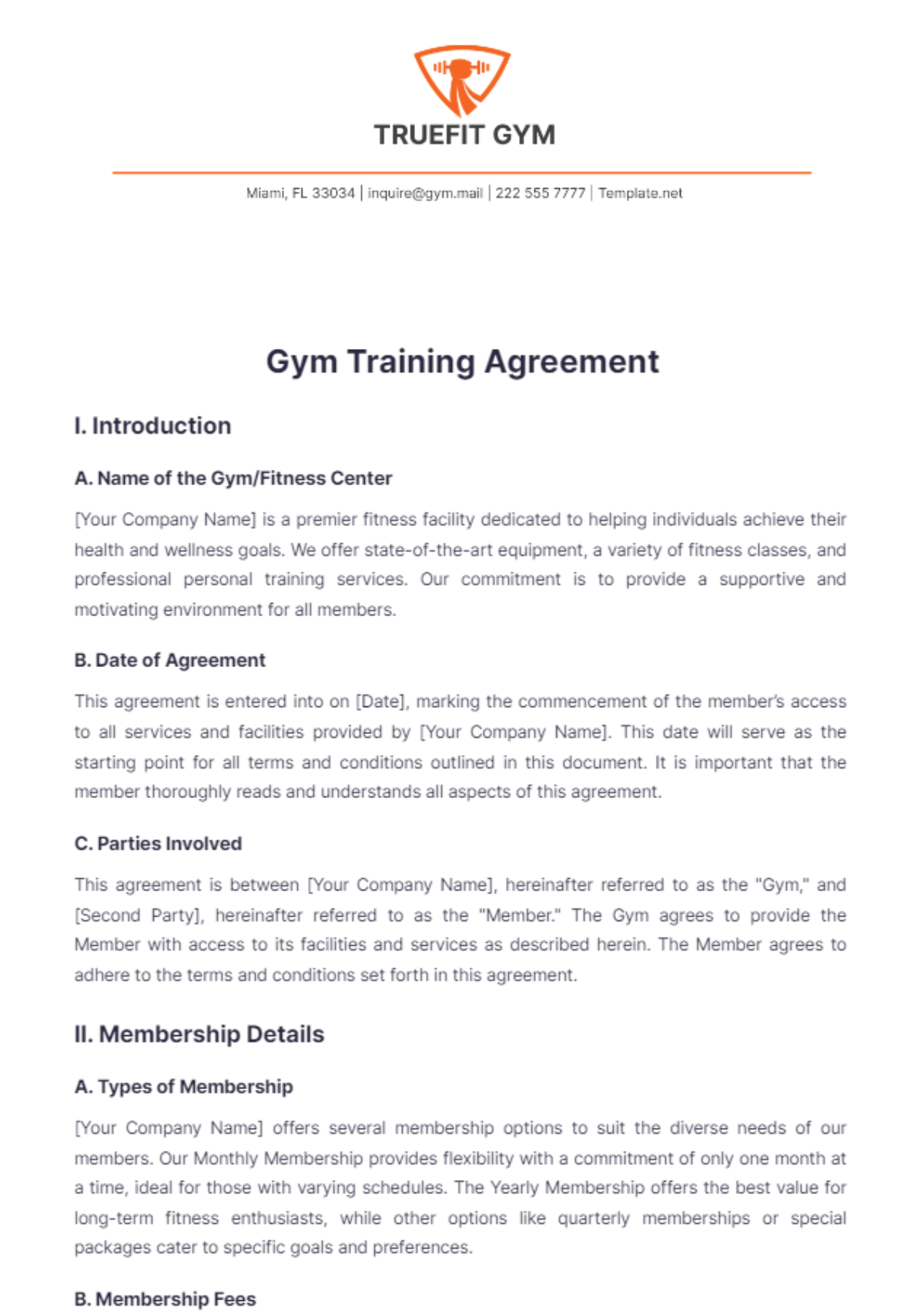
Freelance Trainer Agreement Template is the unsung guardian of every independent trainer’s hustle, turning chaotic negotiations into a clear, enforceable roadmap that protects both the trainer and the client while projecting professionalism that commands respect.
Why a Freelance Trainer Agreement Matters

Legal Protection
Without a signed contract, a trainer is vulnerable to unpaid invoices, scope creep, and liability claims that can cripple a fledgling business. A well‑crafted agreement establishes legal footing, clarifying that the trainer is an independent contractor—not an employee—thereby shielding both parties from misclassification penalties and tax complications.
Defining Scope and Expectations
Clients often assume that a trainer will adapt on the fly, but ambiguous expectations breed resentment. By spelling out the exact services, duration, and deliverables, the agreement eliminates guesswork, ensuring that the trainer can focus on delivering value instead of constantly renegotiating terms.
Core Components of a Solid Template

Parties Identification
The opening clause must list the full legal names, business entities, and contact information of both the trainer and the client. Including any DBA (Doing Business As) names prevents confusion later, especially when invoices are processed under a different corporate alias.
Services Description
Detail every training module, format (in‑person, virtual, hybrid), and any ancillary support such as handouts, assessments, or follow‑up coaching. Use precise language—e.g., “Provide three 90‑minute workshops on agile methodology” rather than “deliver training sessions.”
Compensation Structure
State the fee schedule, payment milestones, accepted payment methods, and penalties for late payment. A common structure includes a 30% upfront retainer, 40% midway, and the remaining 30% upon completion, each tied to specific deliverables. Include a clause for reimbursable expenses—travel, materials, venue rentals—if applicable.
Timeline and Deliverables
Specify start and end dates, key milestones, and any revision cycles. For multi‑phase engagements, break the timeline into phases with clear acceptance criteria, so that both parties know when a phase is considered “complete.”
Confidentiality and Intellectual Property
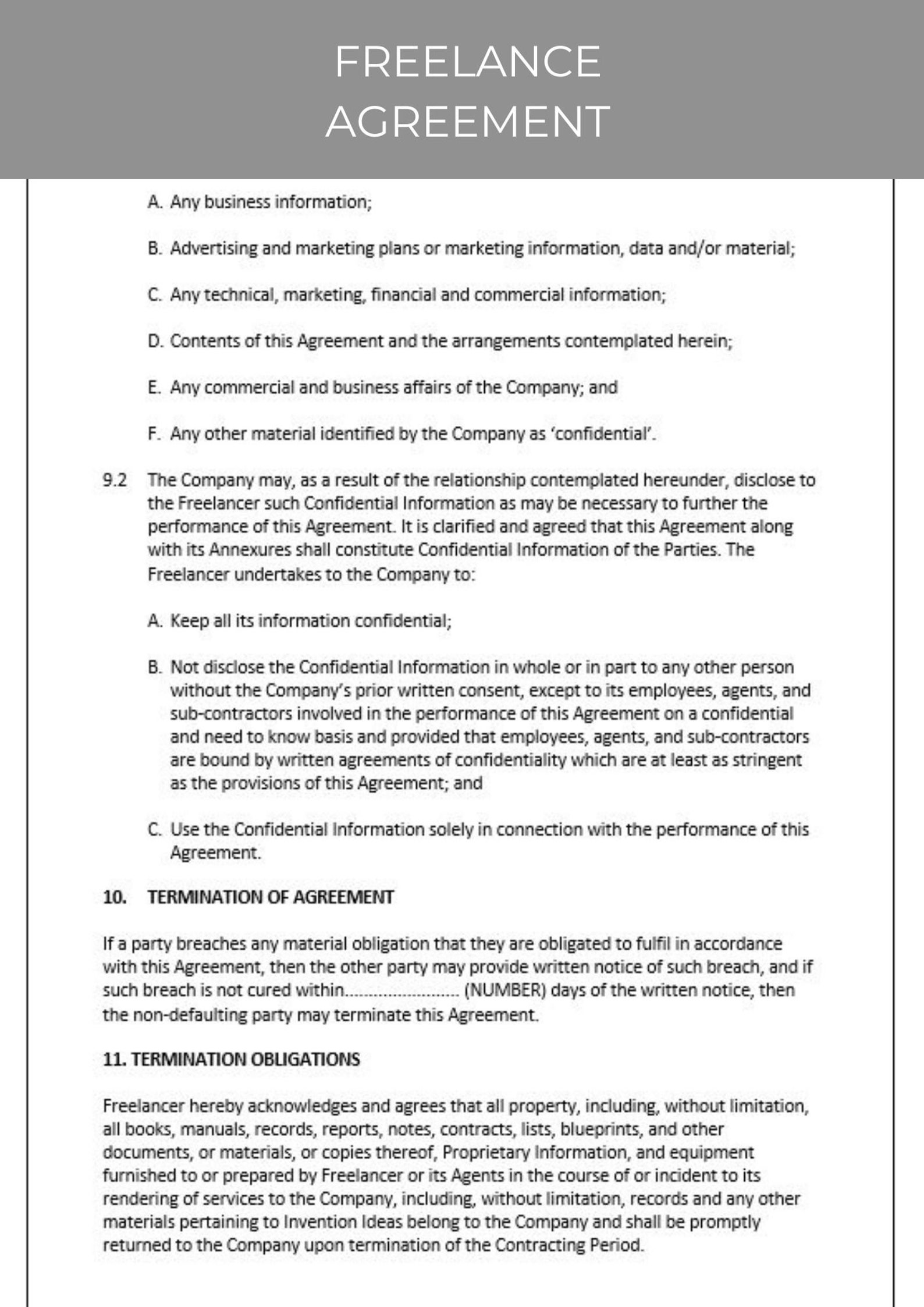
Training often involves proprietary methodologies, client data, or custom curricula. Include a non‑disclosure clause that protects confidential information and clarify ownership of any IP created. Typically, the trainer retains rights to generic frameworks, while the client owns custom content produced for their organization.
Termination Clauses
Define the circumstances under which either party may terminate the agreement—material breach, insolvency, or force majeure. Include notice periods (e.g., 10 business days) and the financial consequences, such as prorated refunds or payment for work performed up to termination.
Dispute Resolution
Specify the governing law and venue for disputes, and outline a step‑by‑step resolution process: informal negotiation, mediation, and finally arbitration. This prevents costly courtroom battles and encourages a collaborative approach to conflict.
Customizing the Template for Your Niche
Fitness and Wellness Trainers
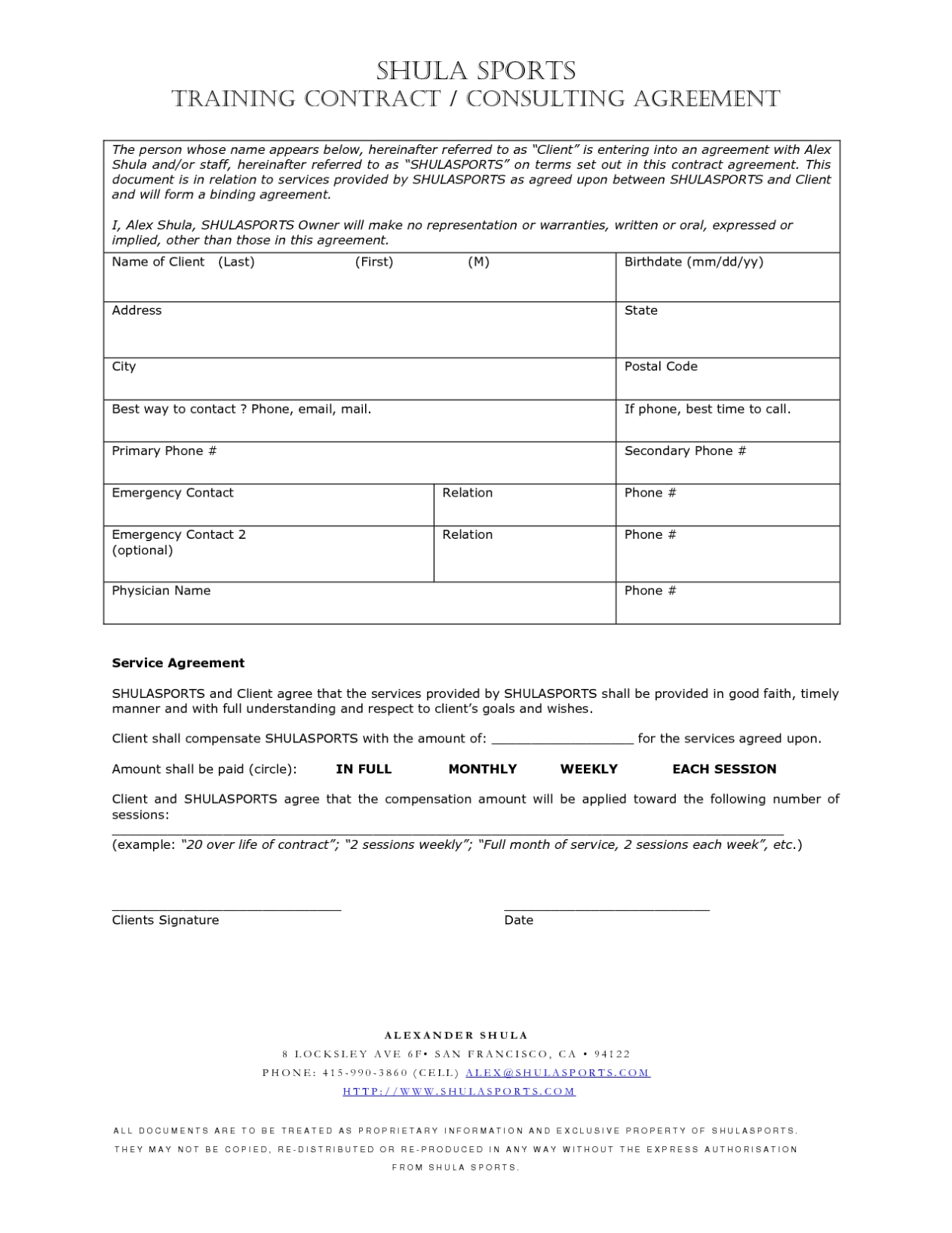
Highlight liability waivers, health assessments, and emergency protocols. Include a clause that clients acknowledge the inherent risks of physical activity and agree to sign a separate health release form.
Corporate Skill Trainers
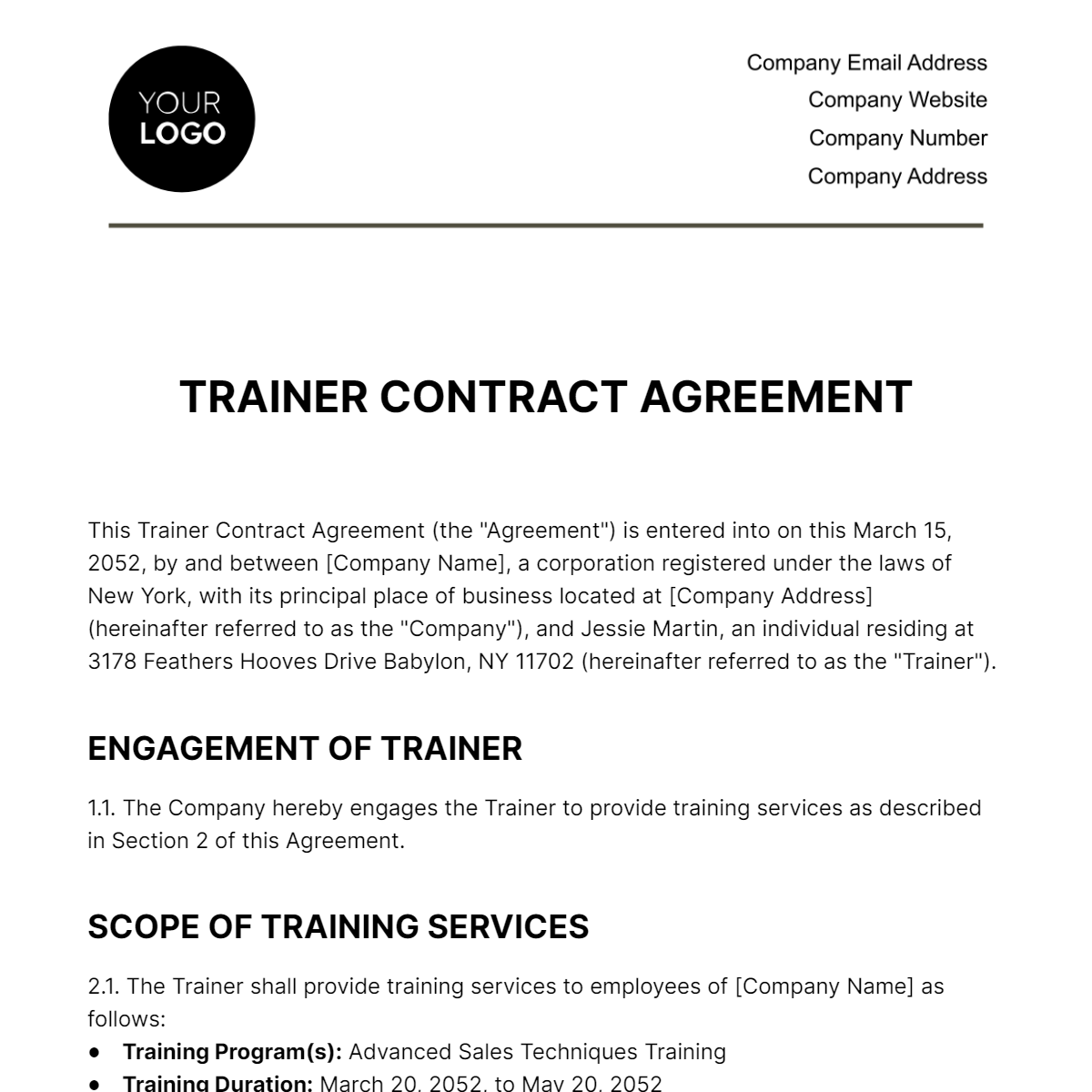
Emphasize confidentiality regarding internal processes, and consider adding a non‑compete clause that prevents the trainer from delivering identical training to direct competitors within a specified timeframe.
Tech and Software Instructors
Address software licensing, version control, and code ownership. If the trainer provides custom scripts or labs, the agreement should state whether the client receives a perpetual license or a limited‑time usage right.
Common Pitfalls and How to Avoid Them
Vague Language
Terms like “reasonable effort” or “as needed” give the other party leeway to reinterpret obligations. Replace vague phrasing with quantifiable metrics—e.g., “deliver up to five revisions within 14 days of each module’s delivery.”
Overlooking Taxes
Independent contractors are responsible for self‑employment taxes. Include a statement that the trainer will invoice without withholding, and that the client will not deduct payroll taxes. This clarity prevents surprise tax liabilities.
Ignoring Renewal Terms
Many training engagements evolve into ongoing relationships. Insert an automatic renewal clause with a clear opt‑out window, ensuring continuity while giving both parties the ability to renegotiate terms before the next cycle.
Step‑by‑Step Guide to Drafting Your Agreement

Step 1 – Gather Essential Information
Collect the legal names, tax IDs, and contact details of both parties. Determine the exact services, timeline, and deliverables. Compile a list of potential expenses that may need reimbursement.
Step 2 – Choose a Baseline Template
Start with a reputable freelance trainer agreement template that aligns with your industry. The baseline should include the core components outlined above, providing a solid structural foundation.
Step 3 – Tailor Each Clause
Replace generic placeholders with specifics: insert the exact fee, milestone dates, and detailed service descriptions. Add niche‑specific clauses—such as health waivers for fitness trainers—or remove irrelevant sections.
Step 4 – Review and Legal Vetting
Even a seasoned trainer should have the final draft reviewed by a qualified attorney, especially if the contract involves significant liability or IP concerns. A legal review catches hidden pitfalls and ensures compliance with state laws.
Step 5 – Execution and Record‑Keeping
Both parties should sign the agreement electronically or on paper, with timestamps. Store the signed document in a secure, searchable archive, and keep a copy of each invoice linked to the contract for audit trails.
Real‑World Example: A Freelance Trainer’s Contract in Action
Consider Maya, a corporate communication coach who landed a six‑month engagement with a tech startup. Using a customized Freelance Trainer Agreement Template, Maya defined a series of eight workshops, each with a 90‑minute duration, a $2,500 fee per workshop, and a 20% retainer due before the first session. She added a confidentiality clause protecting the startup’s product roadmap and a termination clause that allowed either side to cancel with 15 days’ notice, paying for any completed workshops. When the startup requested an additional two workshops, the amendment clause in Maya’s contract made it a seamless add‑on, preserving the original payment schedule while avoiding any disputes.
Frequently Asked Questions

Do I need a lawyer?
While a DIY template can be sufficient for low‑risk engagements, consulting a lawyer is advisable when the contract involves large sums, complex IP, or regulatory compliance. A brief legal review can save thousands in future litigation.
How often should I update my agreement?
Review your template annually or whenever legislation changes—such as updates to independent contractor classification rules—or when you expand into new service areas. Regular updates ensure the contract stays relevant and enforceable.
Can I use the same template for multiple clients?
Yes, but each client’s contract must be customized with specific details—service scope, fees, timelines, and any client‑specific clauses. A one‑size‑fits‑all document defeats the purpose of clear expectations.
Conclusion
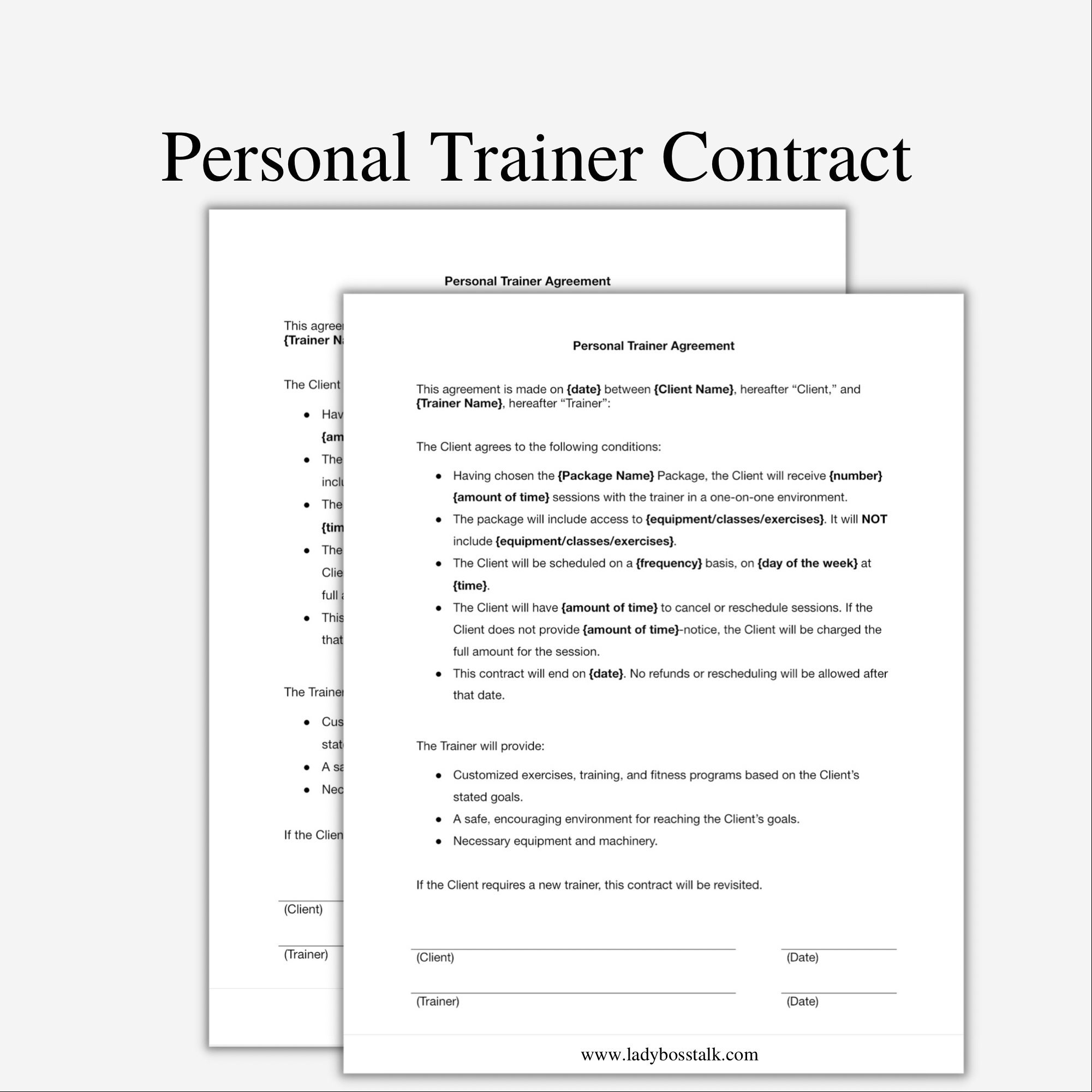
A meticulously crafted Freelance Trainer Agreement Template is more than a formality; it is the backbone of a sustainable freelance training business. By embedding legal safeguards, precise service definitions, and tailored clauses for your niche, you transform ambiguous negotiations into a predictable, professional partnership. Regularly updating the template, avoiding vague language, and seeking occasional legal counsel ensure the agreement remains a living document that grows with your practice. Armed with this knowledge, you can sign contracts with confidence, focus on delivering high‑impact training, and watch your freelance empire thrive.