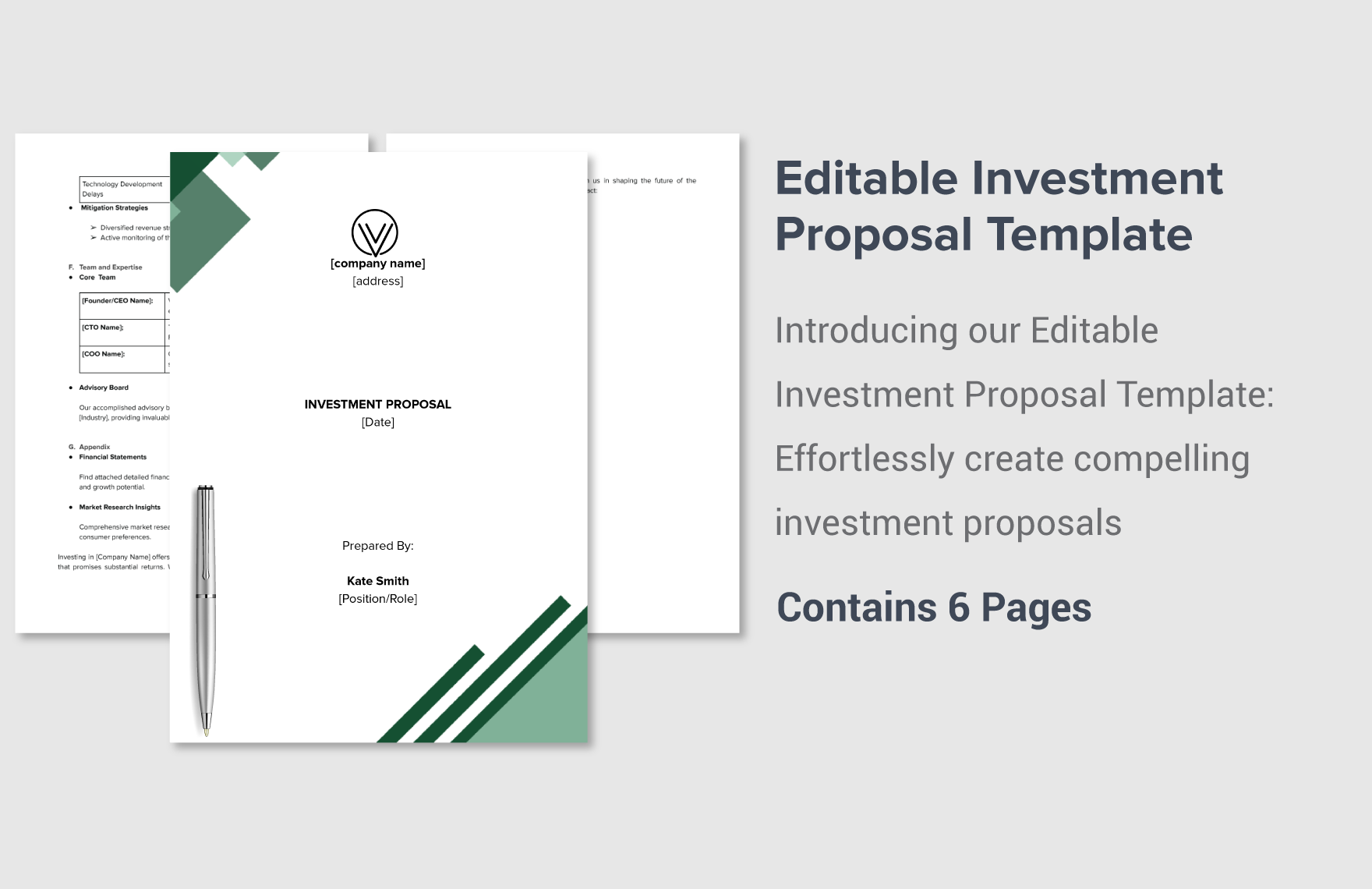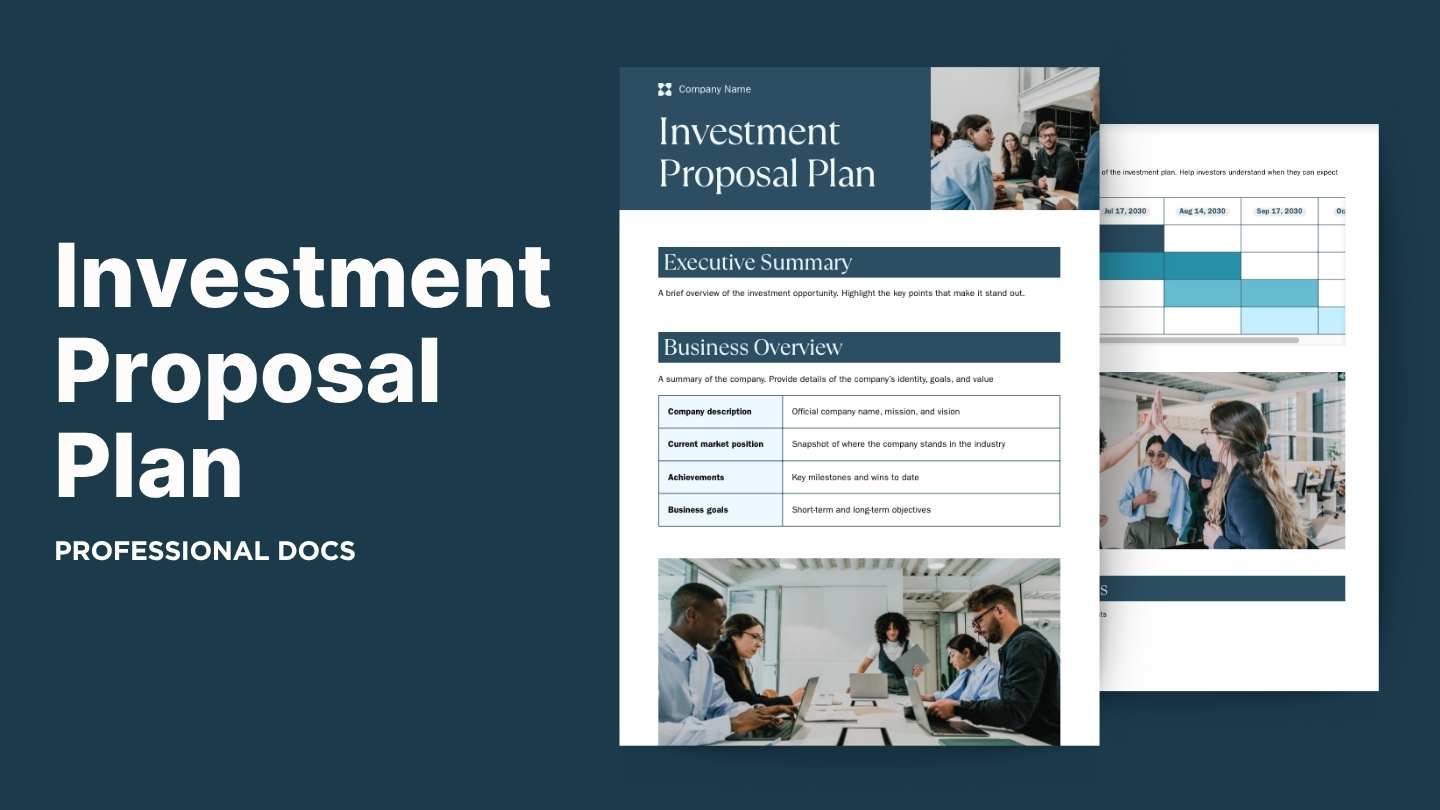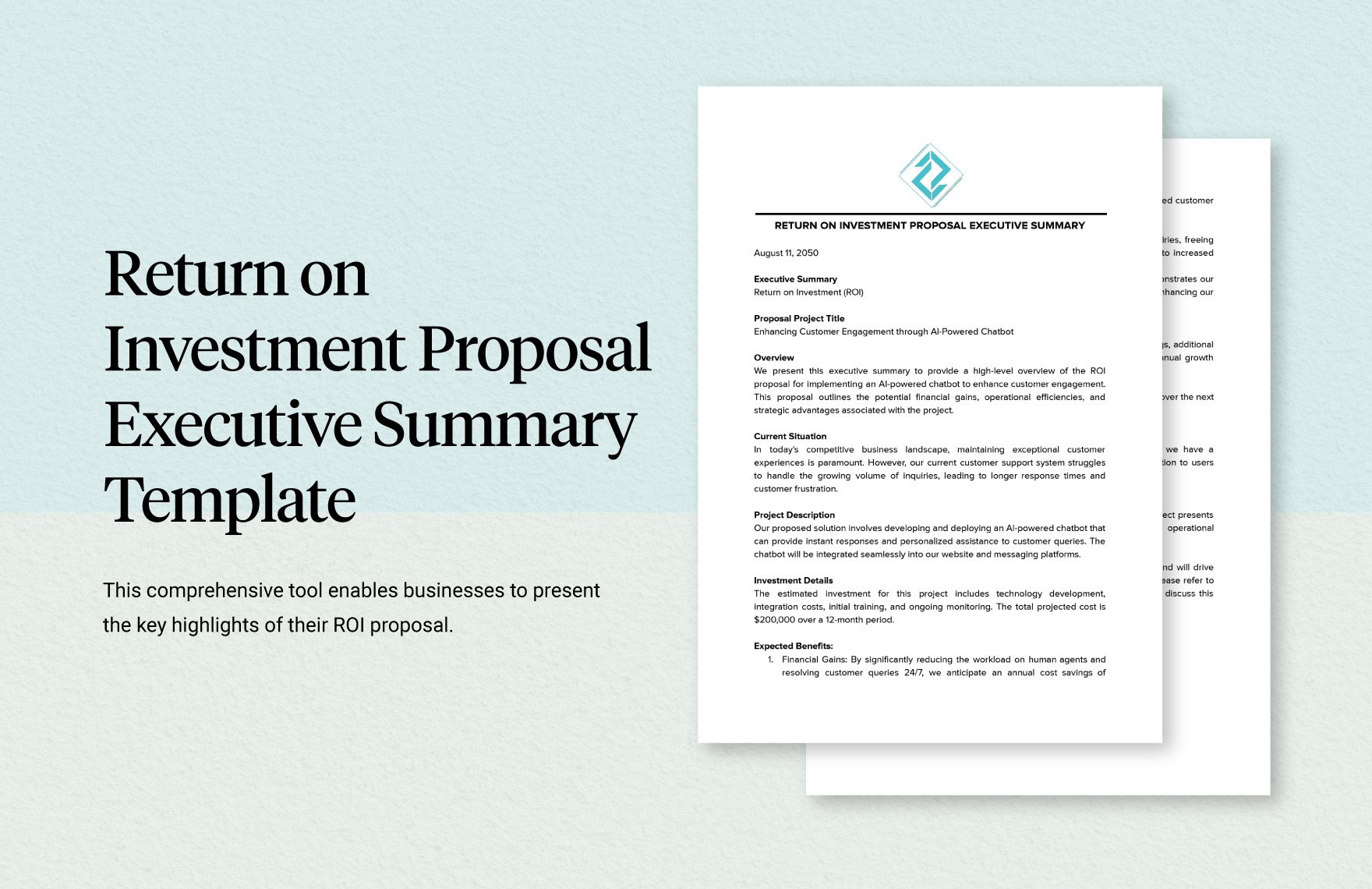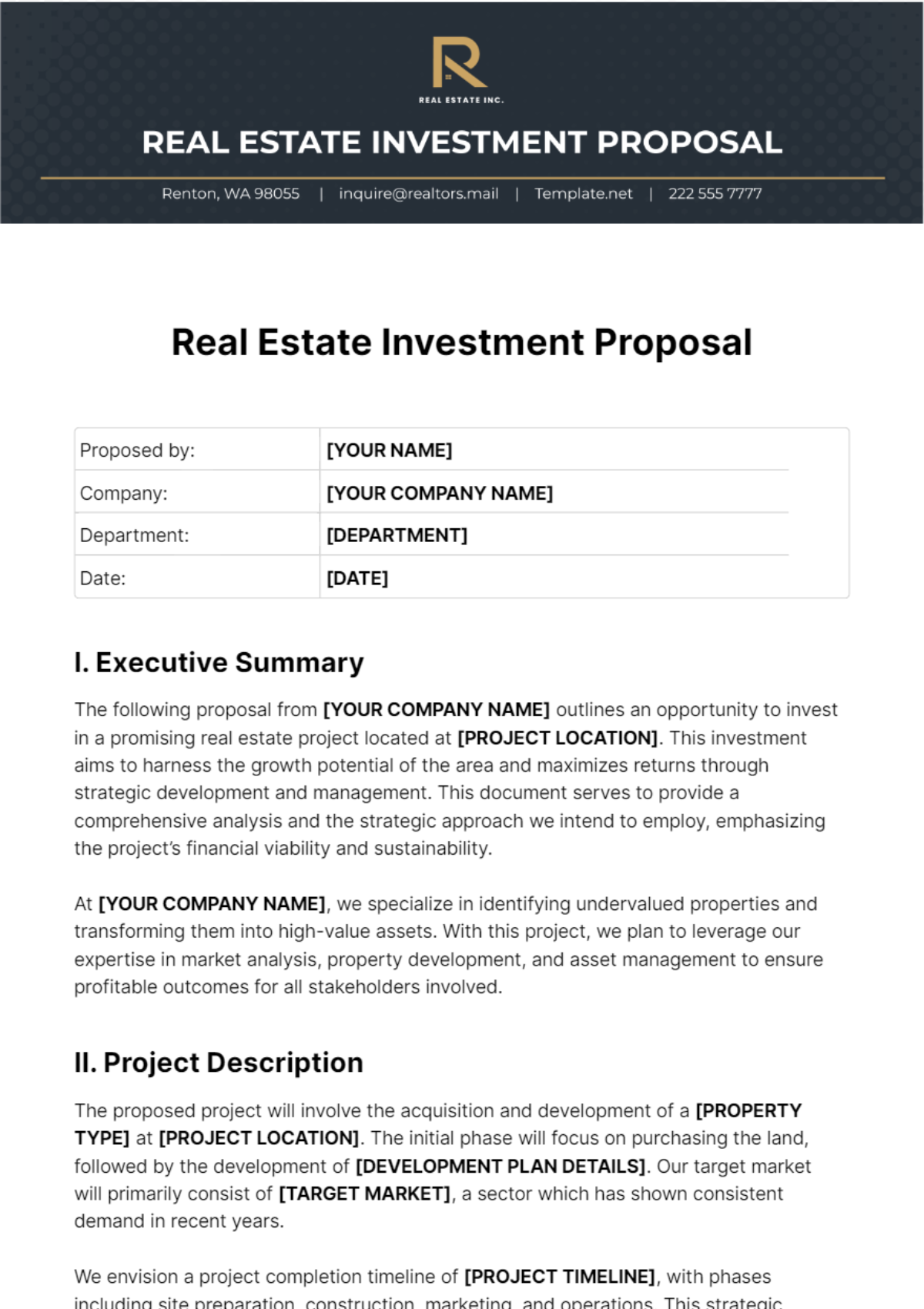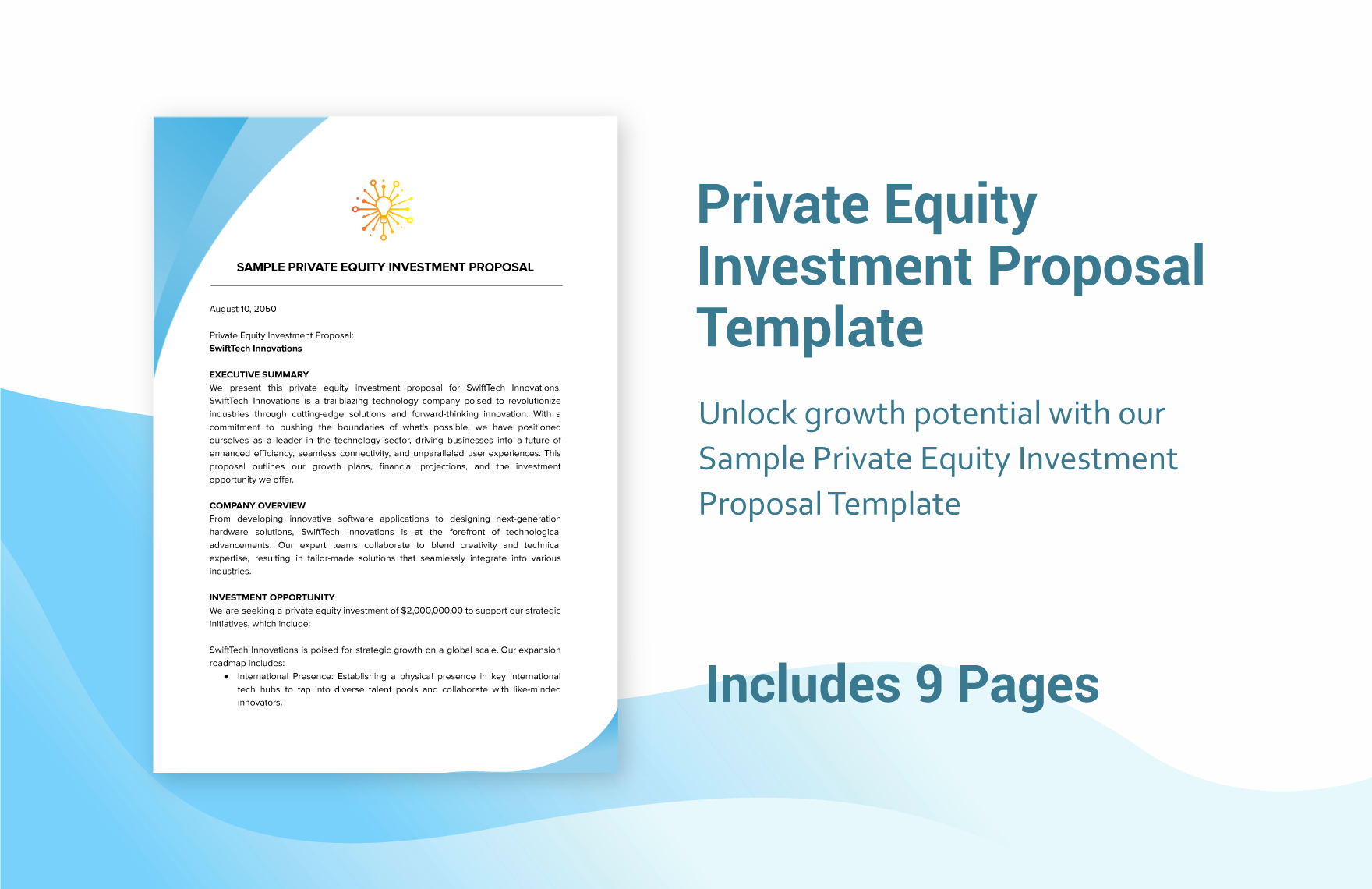
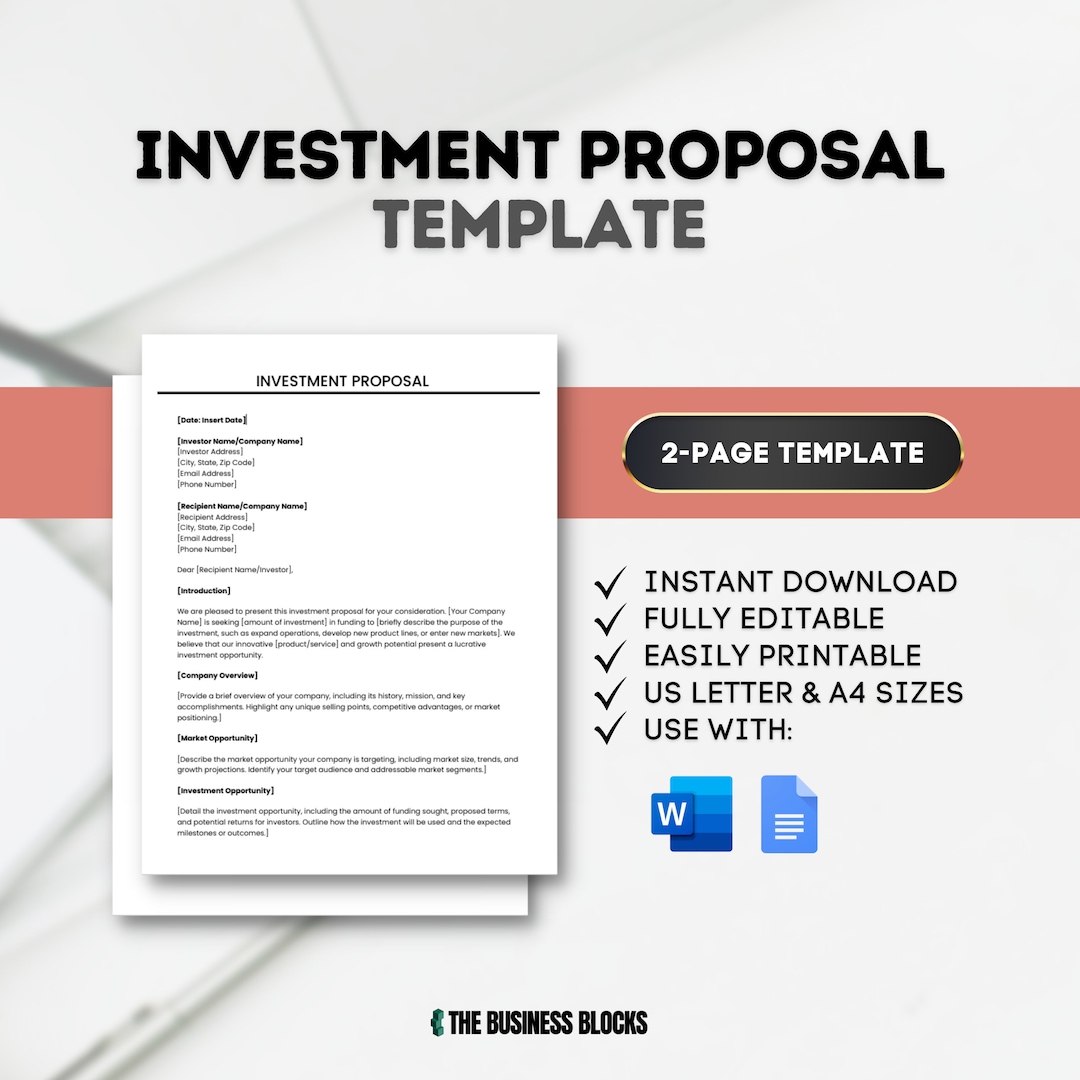
Investor Proposal Template is the bridge that connects a visionary idea to the capital that fuels its growth. When investors scan a proposal, they look for clarity, credibility, and a concise path to profit. A well‑crafted template turns raw data into a compelling narrative that can win funding, build trust, and set the stage for long‑term partnership.
What Makes an Investor Proposal Template Stand Out?
While every startup and enterprise has unique needs, the best templates share a common architecture. They balance storytelling with hard facts, and they guide the reader from a high‑level overview down to granular financials. A standout template will:
- Be visually clean: Use consistent typography, whitespace, and brand colors.
- Prioritize information: Place the most persuasive data at the top of each section.
- Provide context: Show market size, competitive advantage, and how the business scales.
- Maintain flexibility: Allow quick updates for different audiences—angel investors, venture funds, or corporate partners.
- Encourage collaboration: Include placeholders for stakeholder input and revision history.
Core Components of a Winning Template
Executive Summary
The first 1–2 pages must hook the investor. Highlight the problem you solve, your unique solution, traction to date, and the amount of capital you seek. Keep it to three key bullet points: the opportunity, your advantage, and the ask.
Market Analysis
Provide a deep dive into the target market using data from reputable sources. Break it into:
- Industry Size: Total addressable market (TAM), served available market (SAM), and share you can realistically capture.
- Trends: Growth drivers, technological shifts, or regulatory changes that favor your business.
- Competitive Landscape: Positioning matrix, major competitors, and your differentiation.
Business Model
Explain how you turn customers into revenue. Include:
- Revenue Streams: Product sales, subscriptions, licensing, or ad revenue.
- Pricing Strategy: Tiered plans or pay‑per‑use models.
- Cost Structure: Fixed, variable, and one‑off startup costs.
Financial Projections
Present realistic, data‑driven forecasts for 3–5 years. Key items:
- Projected Revenue: Monthly or quarterly growth rates.
- Gross Margin: Highlight operational efficiency.
- Cash Flow Statement: Show runway and break‑even point.
- Key Metrics: Customer acquisition cost (CAC), lifetime value (LTV), churn rate, and unit economics.
Risk Assessment and Mitigation
Identify potential obstacles—market, regulatory, execution, and technology risks. Pair each with a concrete mitigation plan. This transparency builds investor confidence.
Exit Strategy
Venture investors want a clear exit. Outline:
- Potential acquirers or IPO pathways.
- Projected valuation ranges based on comparable deals.
- Time horizon for exit.
Appendices and Supporting Documents
Include detailed charts, product screenshots, legal agreements, and team bios. These serve as proof points and reduce the need to rewrite sections.
Step‑by‑Step Guide to Building Your Investor Proposal Template
Choosing a Format
Decide whether to use a PDF, PowerPoint deck, or a live document. For most startups, a single PDF with a concise layout works best because it is universally shareable and print‑ready. Make sure the file size remains under 10 MB to avoid email rejections.
Crafting the Narrative
Start with a story that captures the investor’s imagination. Use the “Problem – Solution – Value” framework to weave data into a human tale. Avoid jargon; instead, use analogies that resonate with a broad audience.
Designing Visuals
Graphs, charts, and infographics turn numbers into memorable visuals. Use:
- Bar charts for revenue growth.
- Pie charts to illustrate market share.
- Heat maps for geographic expansion.
- Infographics for the value chain.
Refining Numbers
Validate your financials with industry benchmarks. Cross‑check assumptions with mentors or advisors. Include sensitivity analysis to show how variations in key inputs affect outcomes.
Proofreading & Feedback
Ask a neutral third party to review grammar, logic, and formatting. A fresh pair of eyes can spot inconsistencies that founders often miss.
Common Mistakes to Avoid
- Overloading with Data: Too many tables or dense text can overwhelm investors.
- Lack of Focus: Trying to pitch multiple products or markets dilutes the core message.
- Ignoring Key Performance Indicators: Failing to highlight metrics like CAC or LTV erodes credibility.
- Weak Storytelling: A template that reads like a spreadsheet lacks engagement.
Real‑World Success Stories
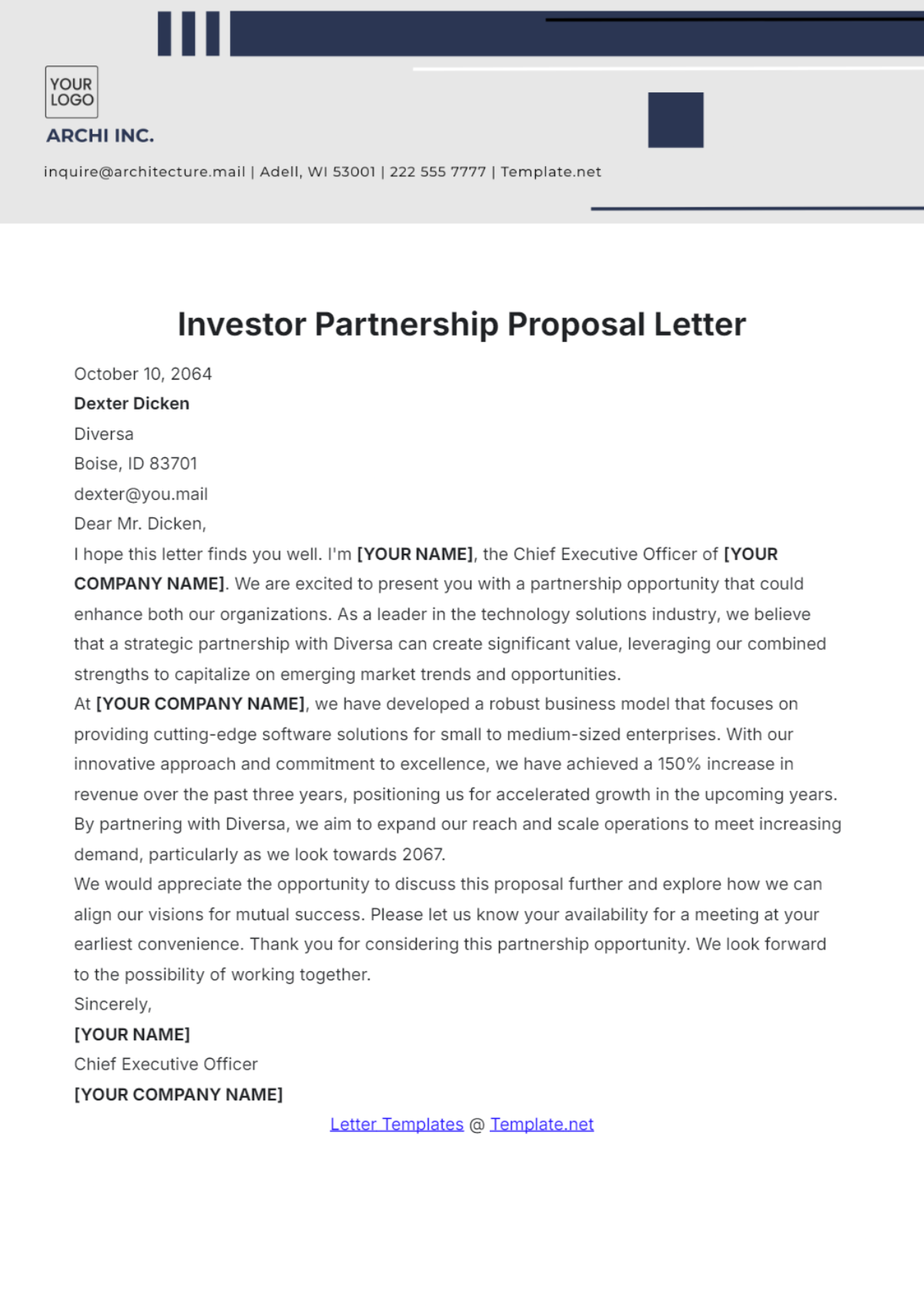
Consider a SaaS company that leveraged a simple, one‑page template to secure $2M from a seed round. By focusing on a clear TAM, demonstrating a 30% month‑over‑month growth rate, and presenting a scalable pricing model, the proposal cut due diligence time in half.
Another example is a clean‑tech startup that used a visual dashboard within the template to illustrate its carbon‑offset calculations. Investors appreciated the transparency and agreed to a larger stake based on the credibility of the data.
Tips for Customizing Templates Across Industries
- Technology: Include technical roadmaps, patent status, and R&D spend.
- Health Care: Highlight regulatory approvals, clinical trial milestones, and patient outcomes.
- Consumer Goods: Provide supply chain details, retail partnerships, and shelf‑share projections.
- Financial Services: Focus on compliance frameworks, AML procedures, and risk modeling.
Tools and Resources to Enhance Your Template
- Design: Canva for quick, clean visuals; Adobe Illustrator for custom graphics.
- Data: Statista, CB Insights, and Crunchbase for market research.
- Financial Modeling: Excel or Google Sheets with pre‑built templates.
- Collaboration: Google Docs or Notion for real‑time edits.
Final Checklist Before Sending to Investors
- Executive summary is compelling and concise.
- All data sources are cited and credible.
- Visuals are high quality and not pixelated.
- Financial assumptions are clearly stated.
- Risk sections are honest and mitigated.
- The document is no longer than 20 pages.
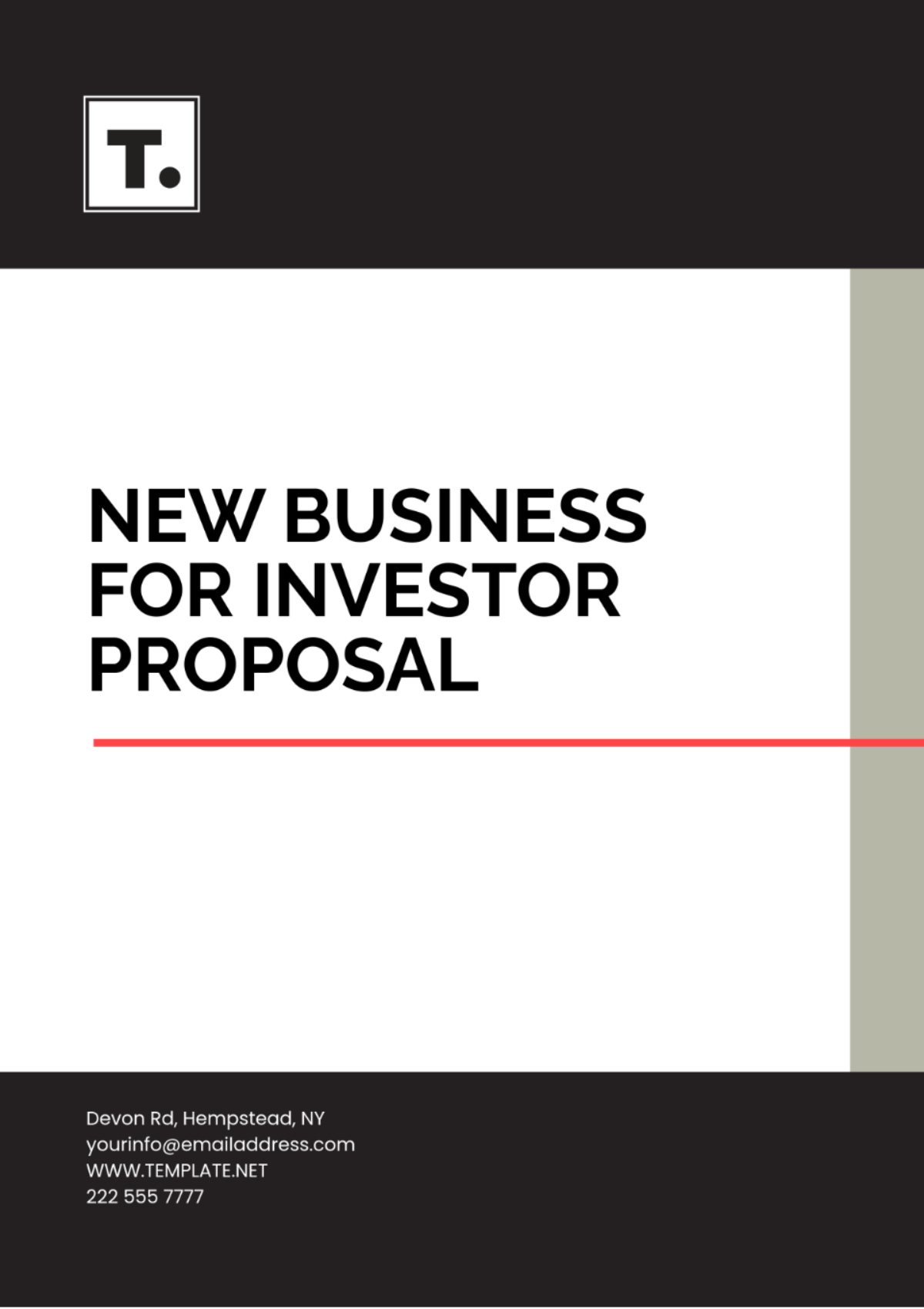
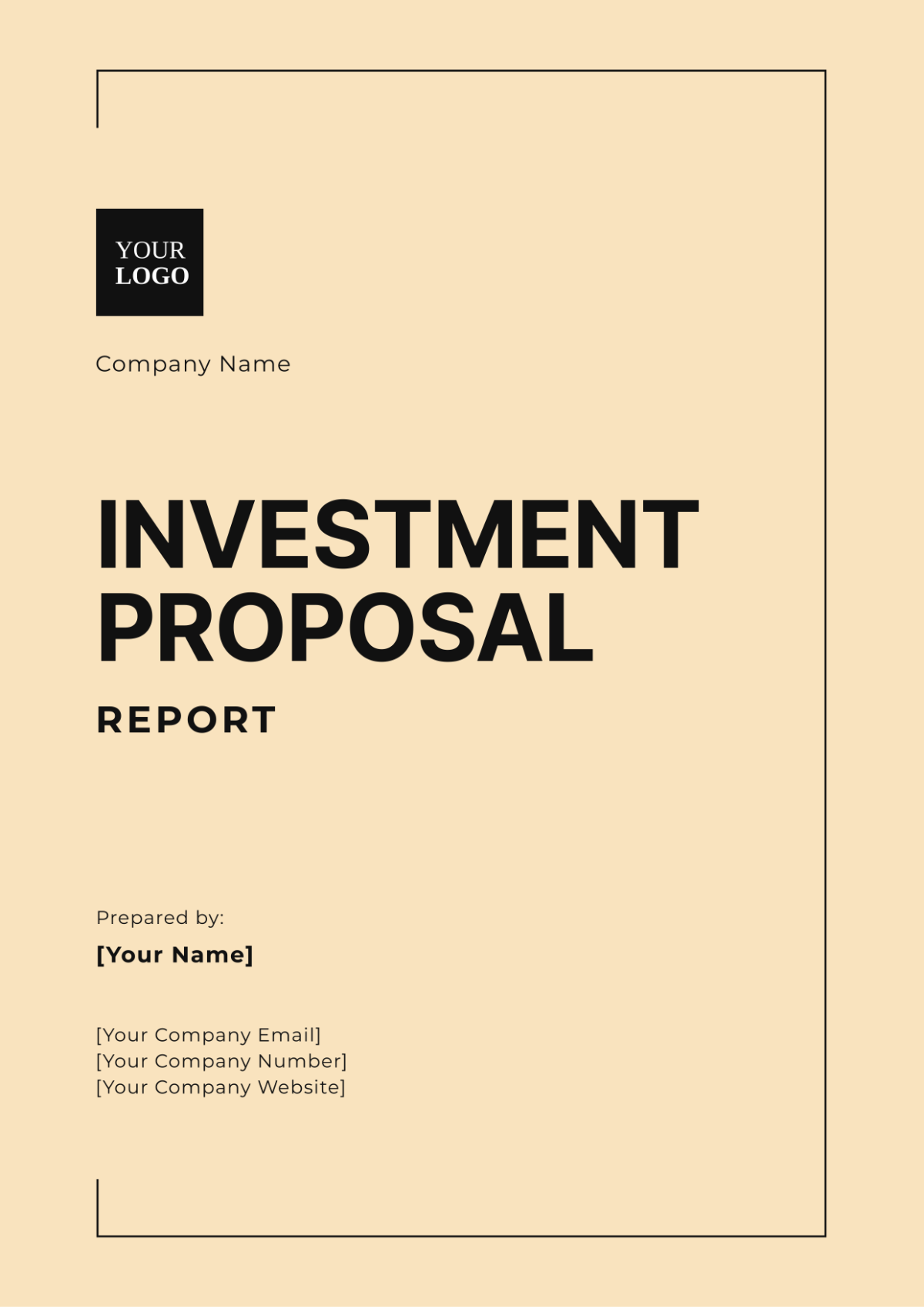
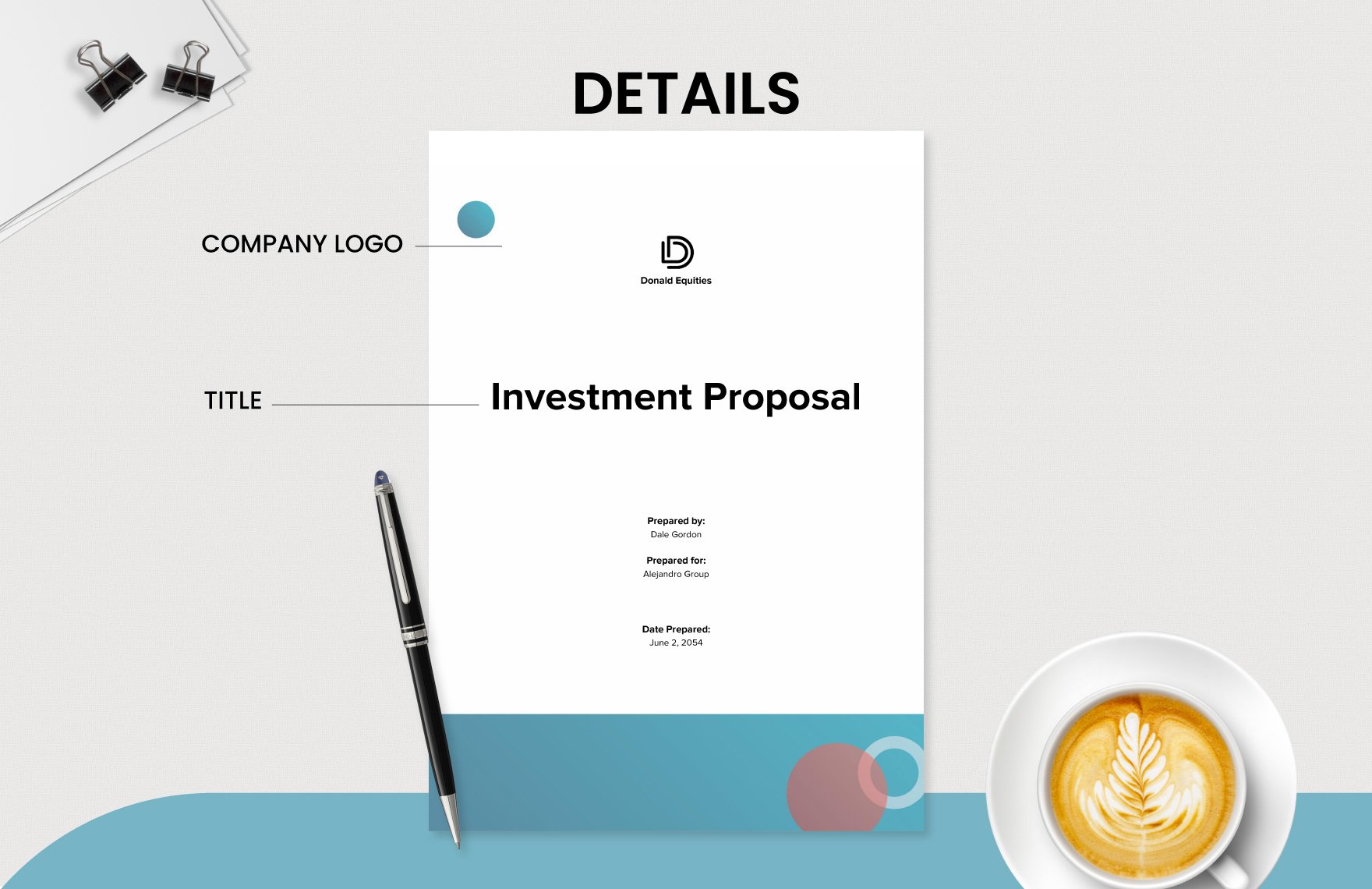
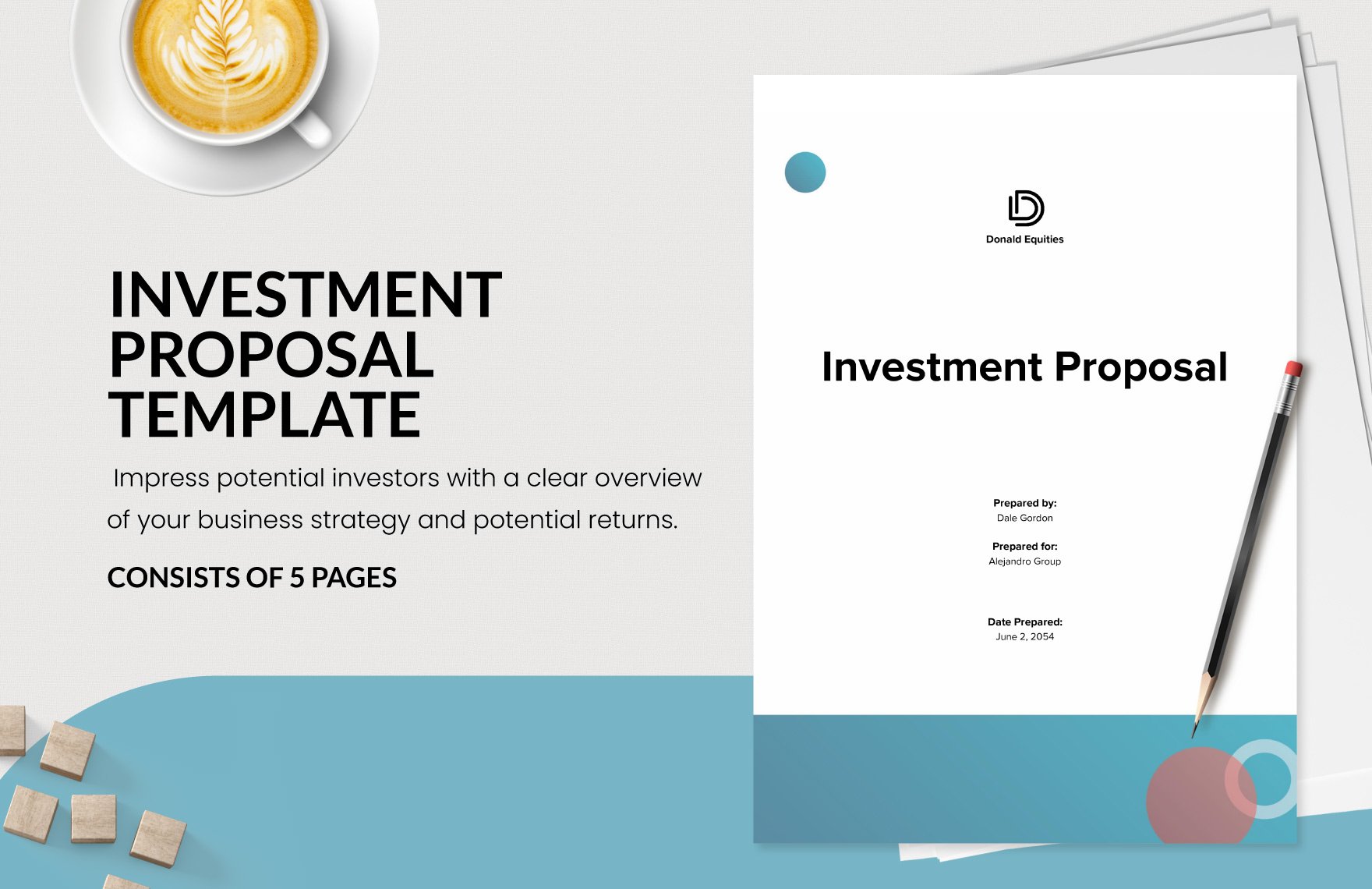
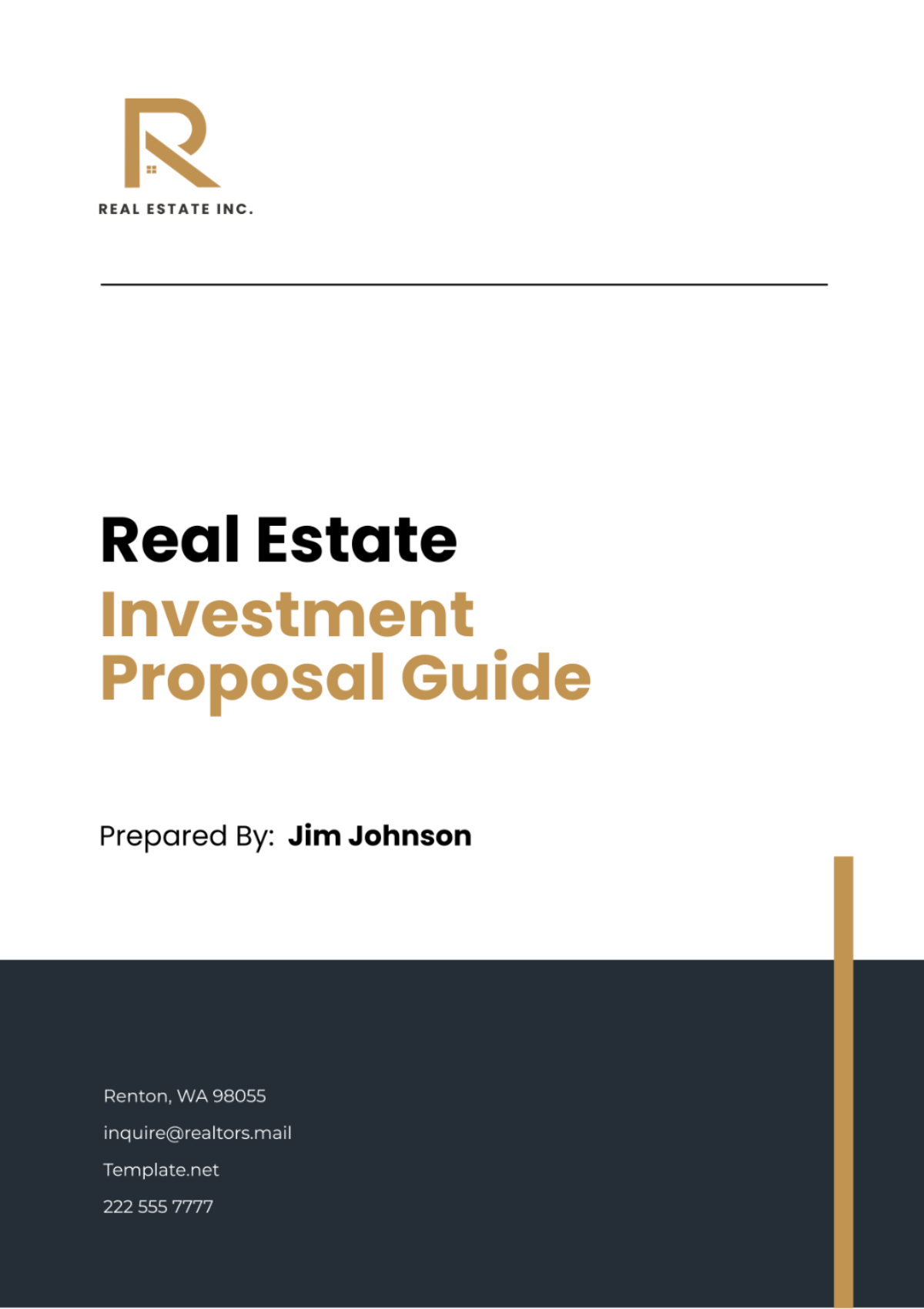
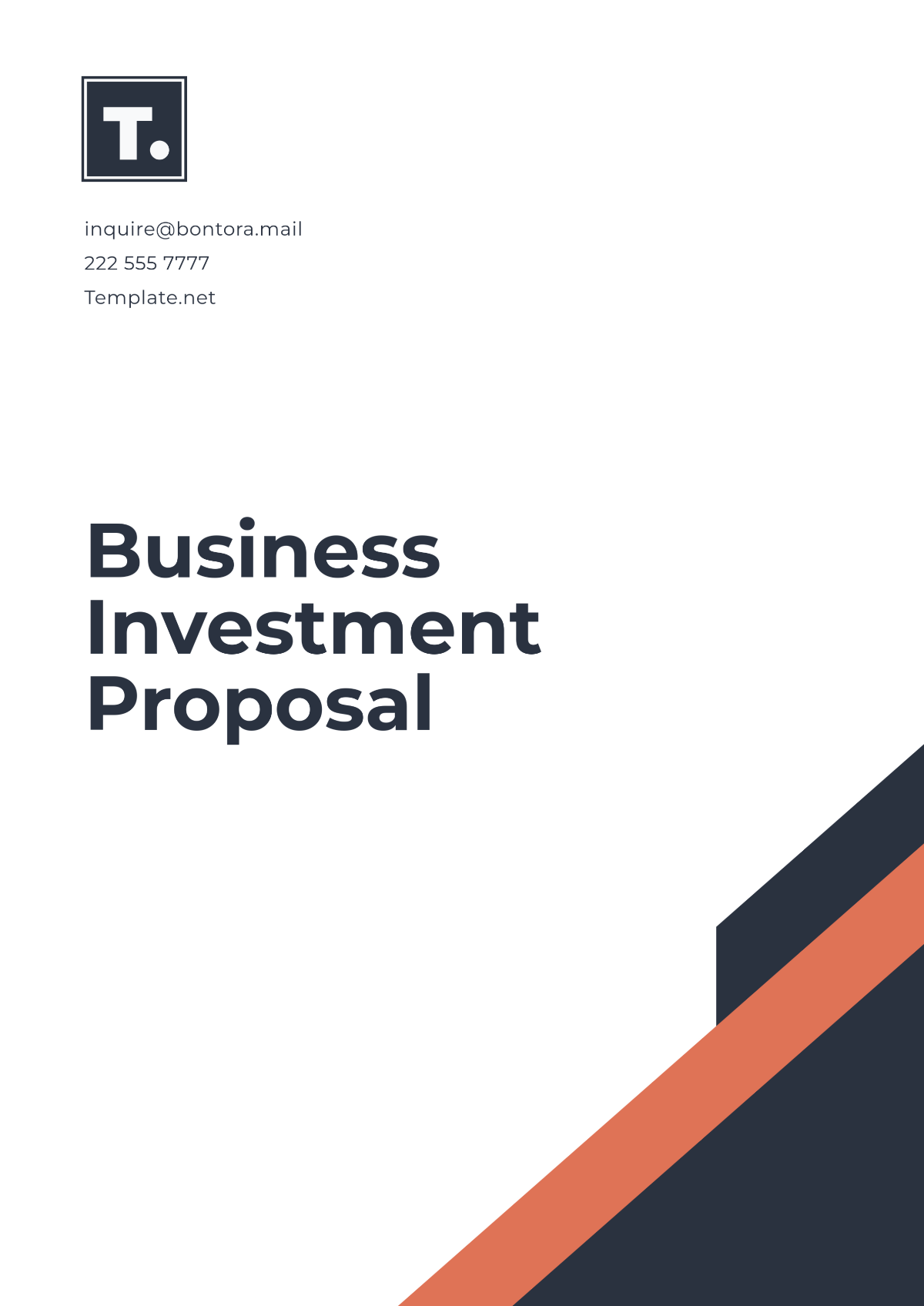
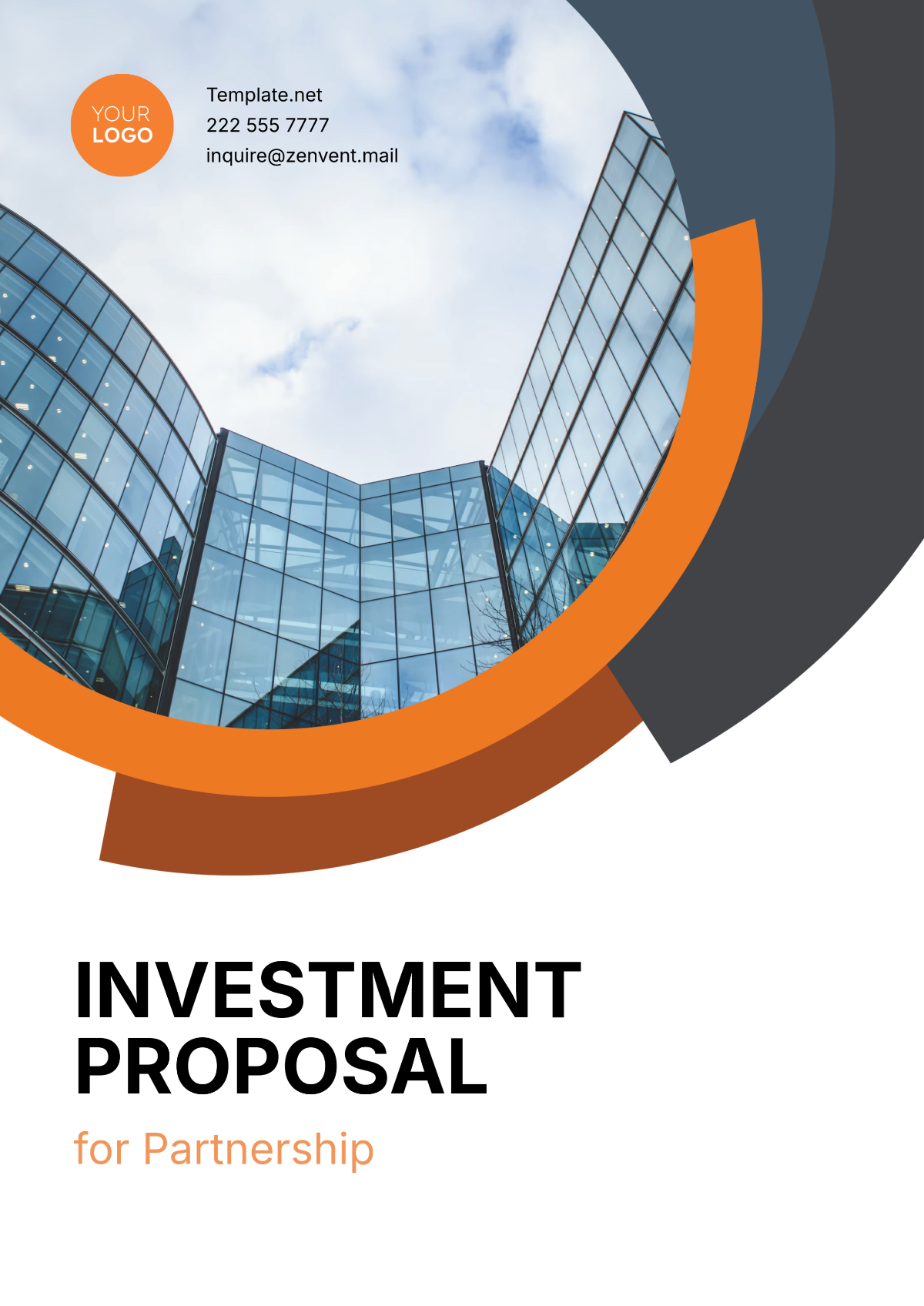
- A professional cover page with company logo and contact information is included.
- The file is password‑protected if sensitive data is included.
Conclusion
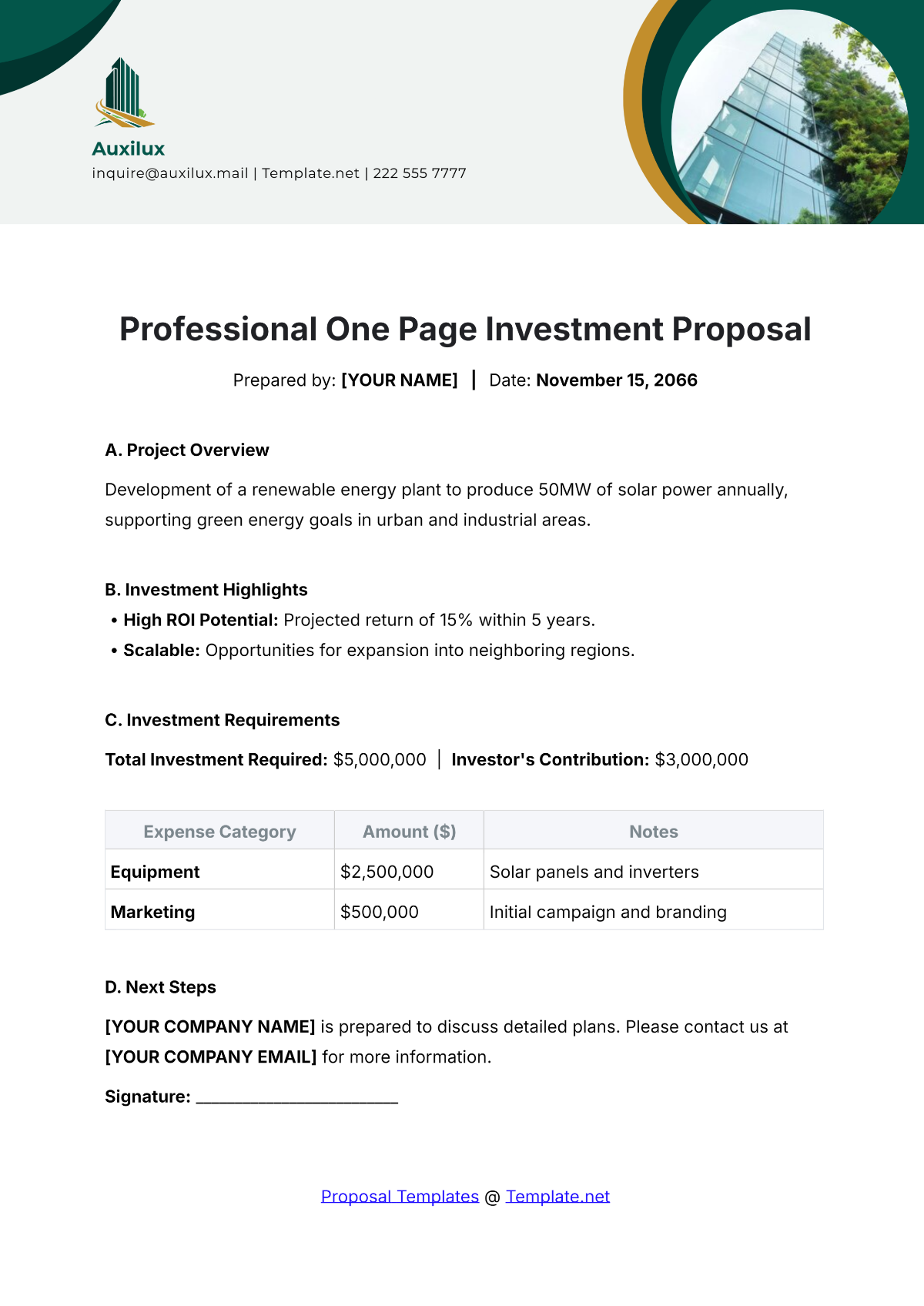
Creating a polished, investor‑ready template is an iterative process that blends strategic insight, financial rigor, and design elegance. By following the outlined structure, avoiding common pitfalls, and tailoring your document to the specific needs of each investor group, you can transform a simple proposal into a powerful funding catalyst. Remember, the goal is not just to present numbers, but to tell a story that invites collaboration, showcases traction, and outlines a clear path to shared success. A well‑crafted Investor Proposal Template becomes more than a document—it becomes the first chapter of a partnership that propels your vision forward.