Share Certificate Template Companies House might sound like a dry legal term, but think of it as the fancy piece of paper that says, “Hey, you own a slice of the corporate pizza!” In the United Kingdom, Companies House is the official registrar for all things corporate, and a well‑crafted share certificate is the glittery proof that shareholders get to brag about their ownership at family gatherings, cocktail parties, and—most importantly—tax season. This guide will walk you through everything you need to know about creating, customizing, and complying with share certificate templates, all while keeping the tone light enough that you won’t fall asleep mid‑sentence. Grab your favorite caffeinated beverage, and let’s dive into the wonderfully bureaucratic world of share certificates.
What Exactly Is a Share Certificate?

Definition and Legal Backbone
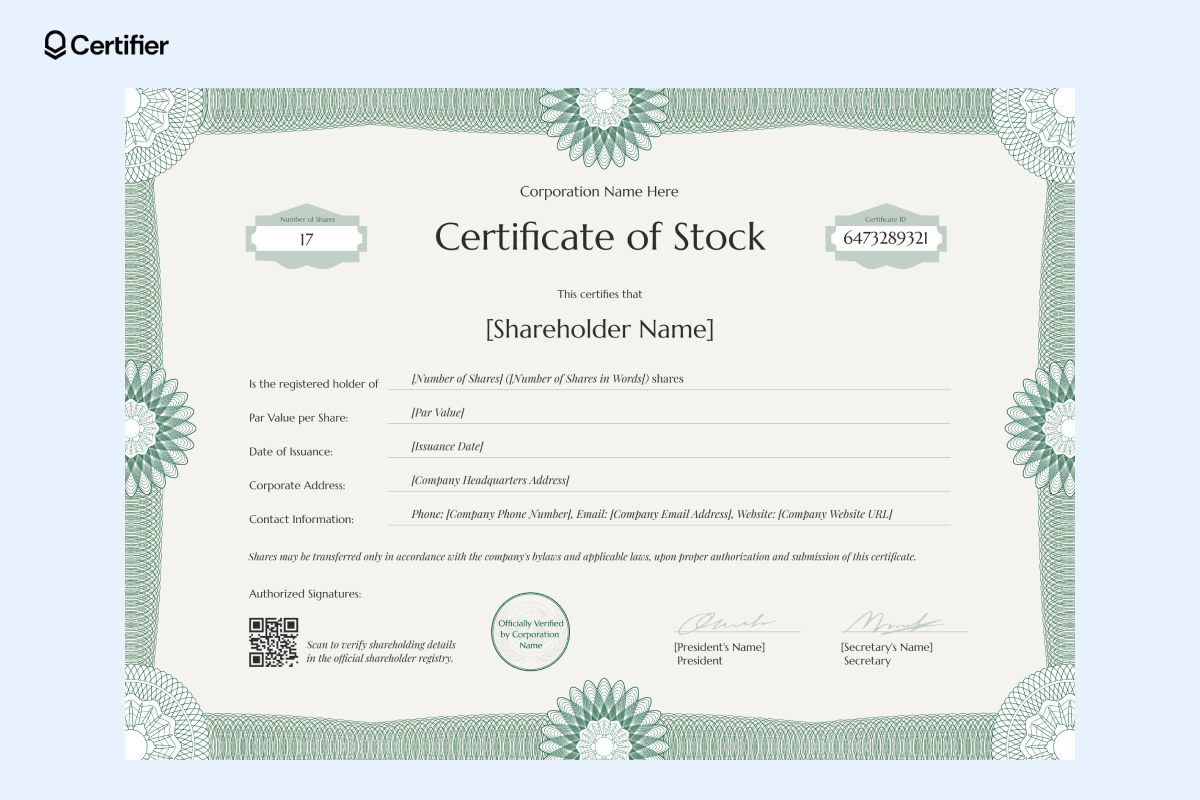
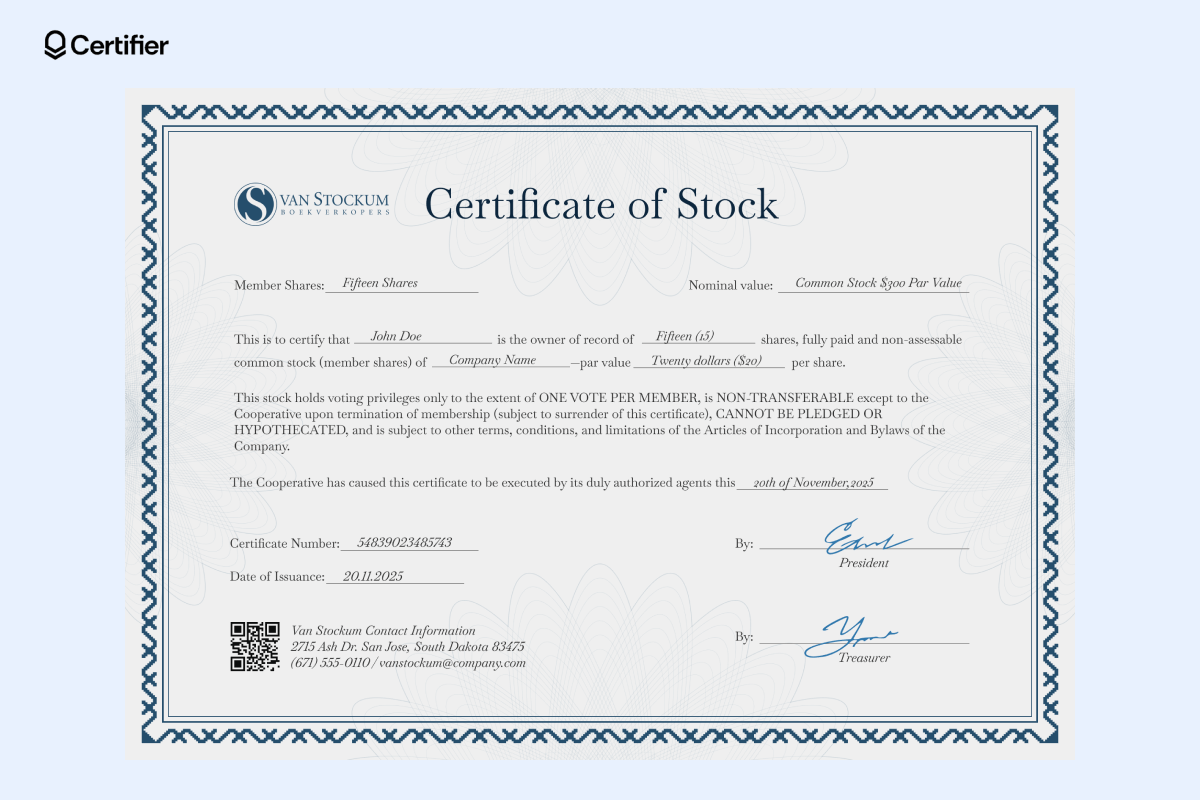
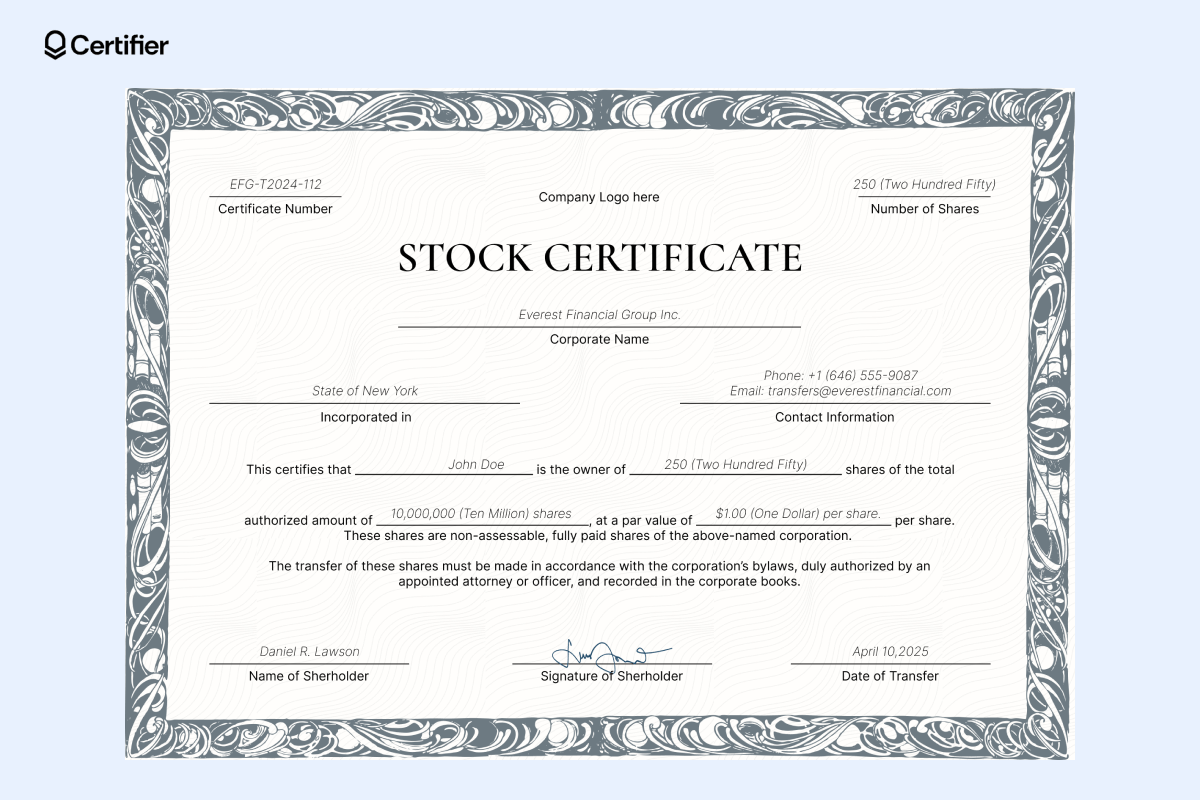
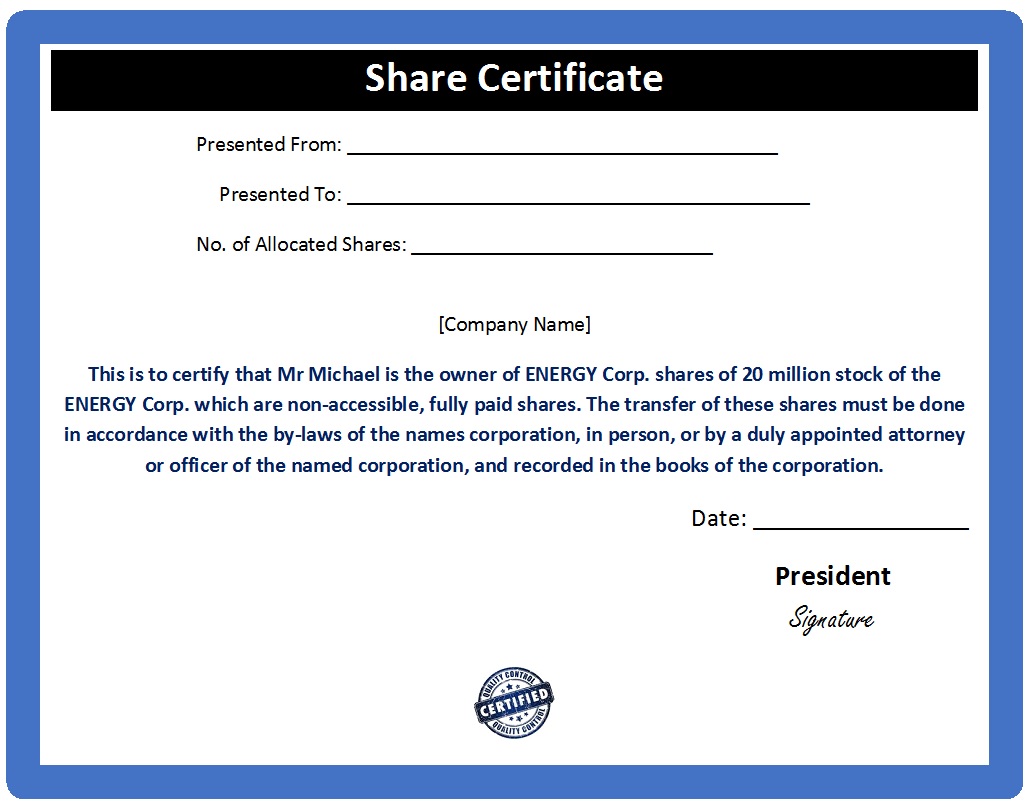
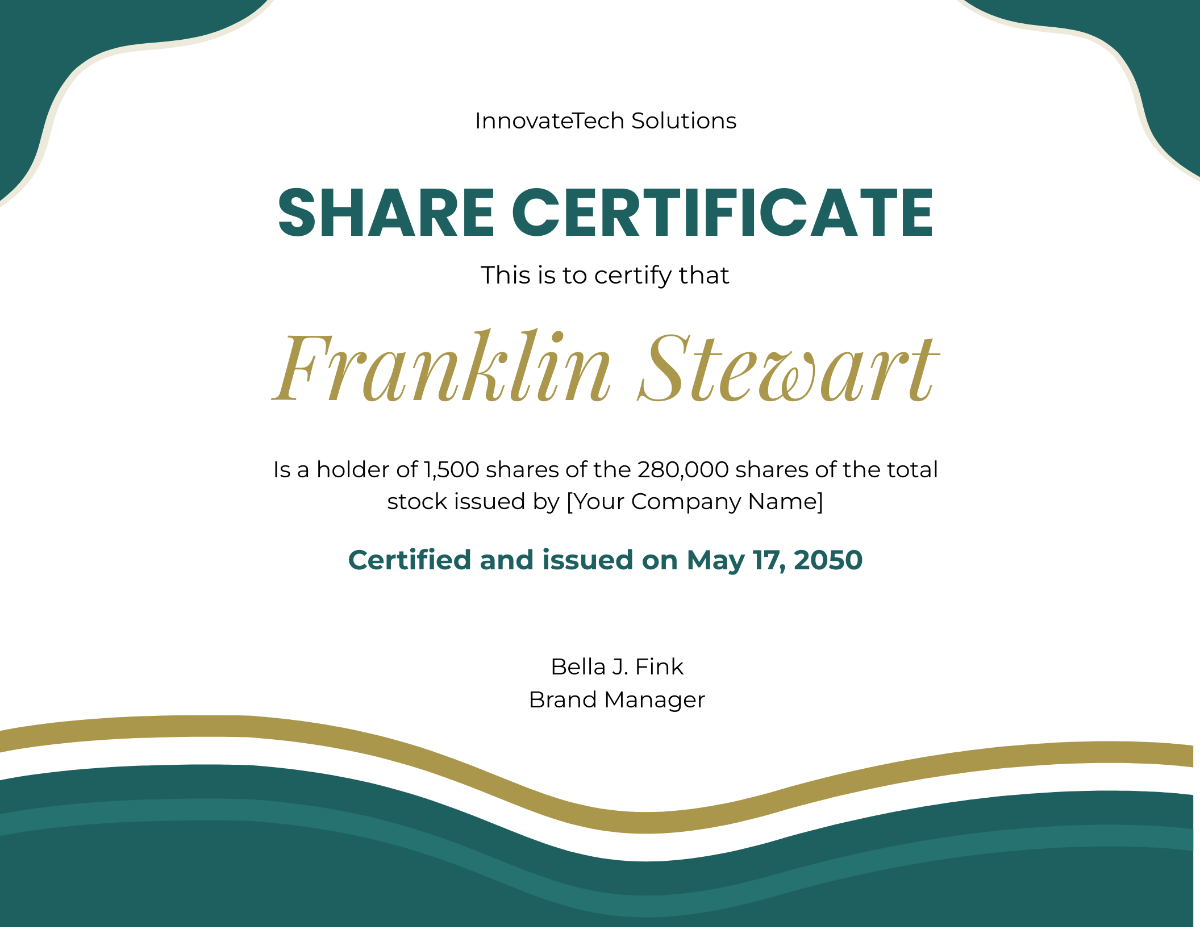
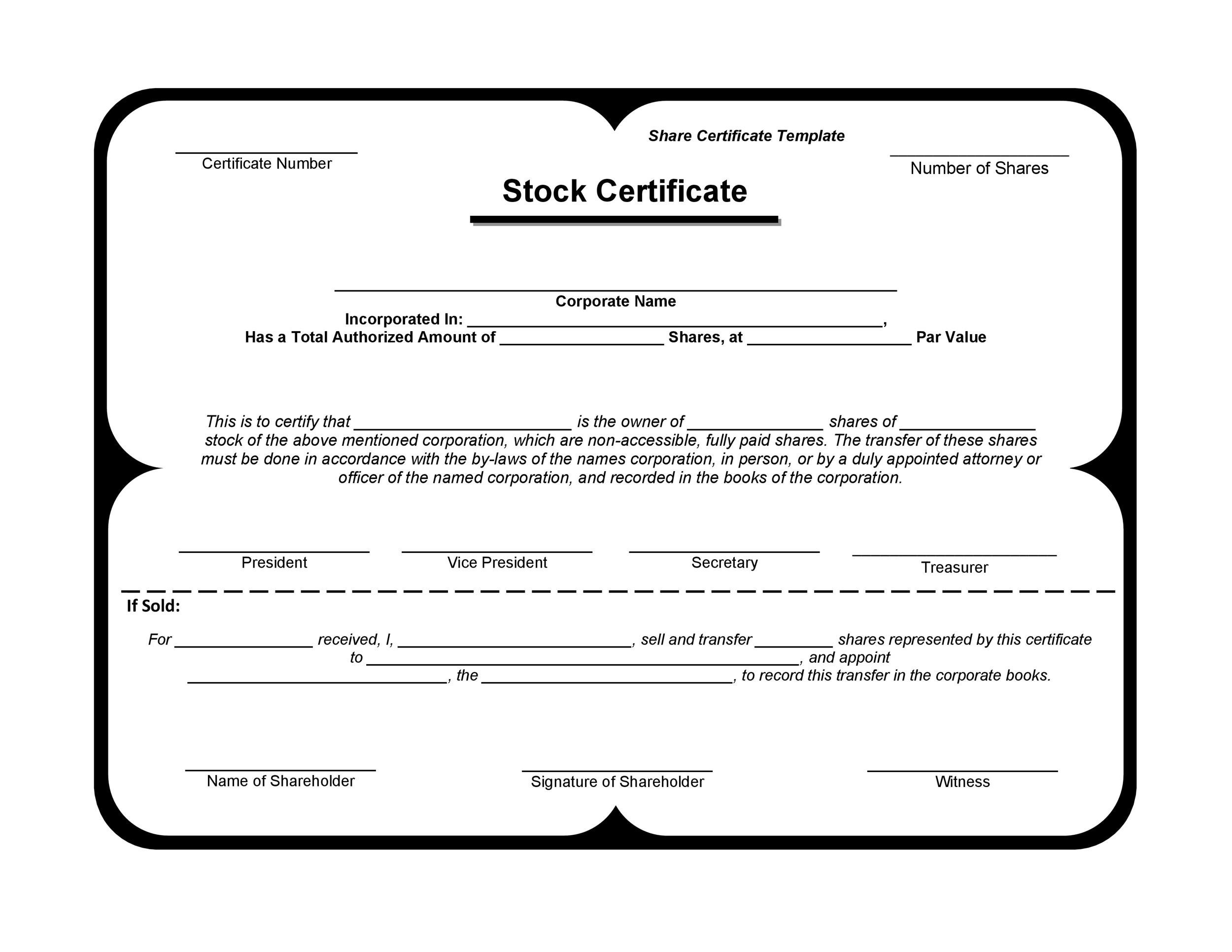
A share certificate is a formal document issued by a company to evidence the ownership of a specific number of shares. It includes essential details such as the company’s name, the shareholder’s name, the class and number of shares, the issue date, and a unique certificate number. Under the Companies Act 2006, a share certificate must be issued within two months of a share allotment, otherwise the company risks non‑compliance penalties.
Why It Still Matters in a Digital Age
Even though many companies now maintain electronic registers, the physical share certificate remains a cherished relic for several reasons. First, it serves as a tangible proof of ownership that can be presented to banks, auditors, or potential investors. Second, it adds a layer of authenticity and professionalism to your corporate image—nothing says “we mean business” like a beautifully designed certificate perched on a mahogany desk. Finally, shareholders often enjoy the ceremonial aspect of receiving a certificate, especially when it’s personalized with a dash of humor or company branding.
Companies House and Share Certificate Requirements
The Legal Checklist
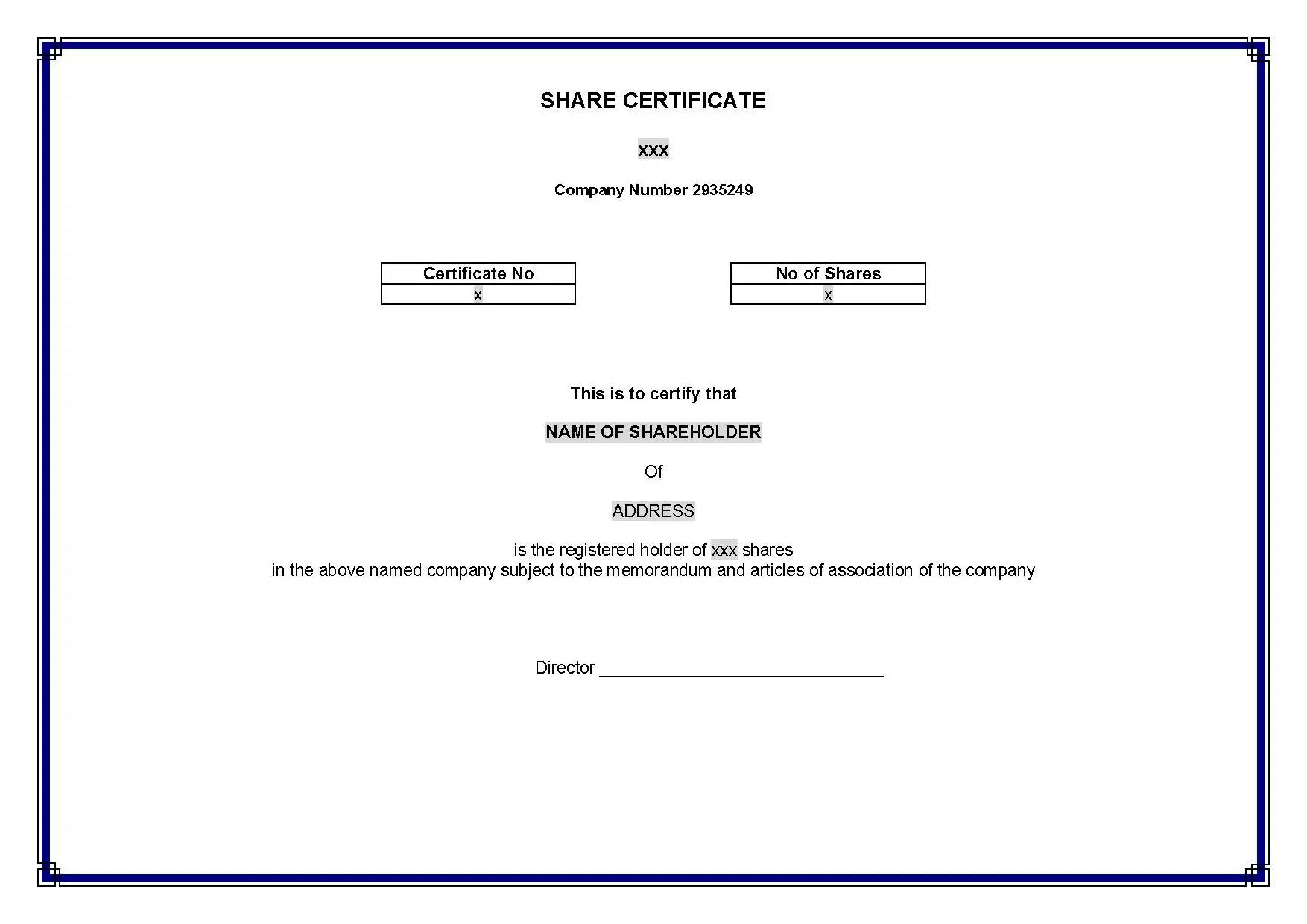
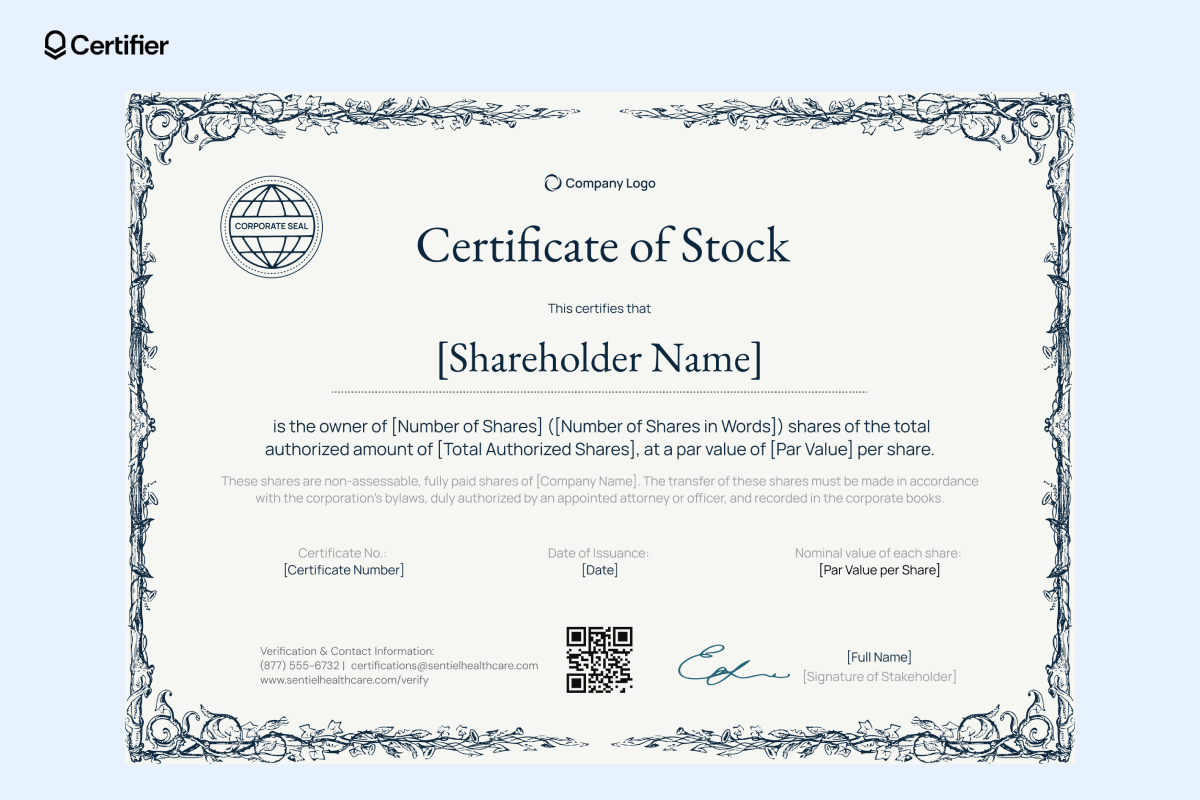
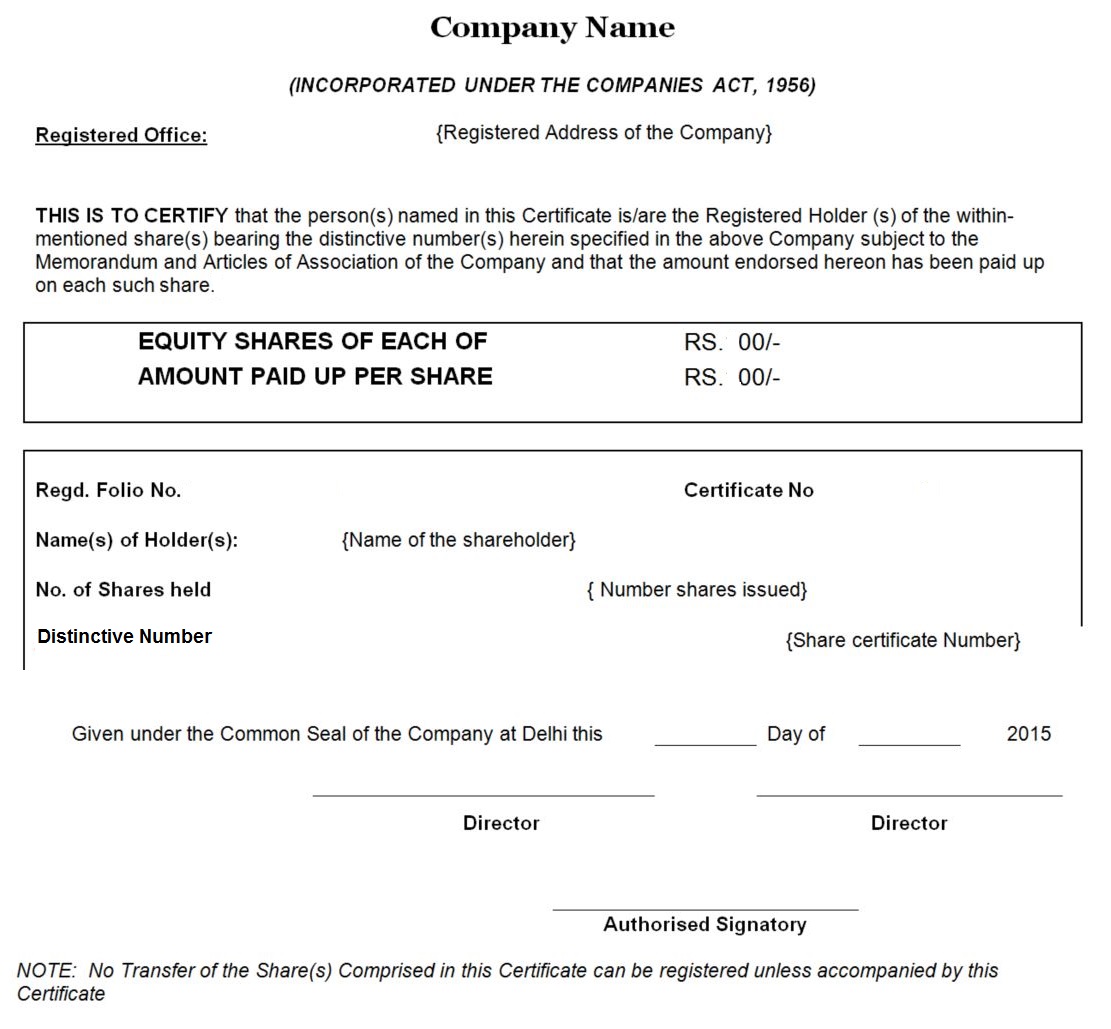
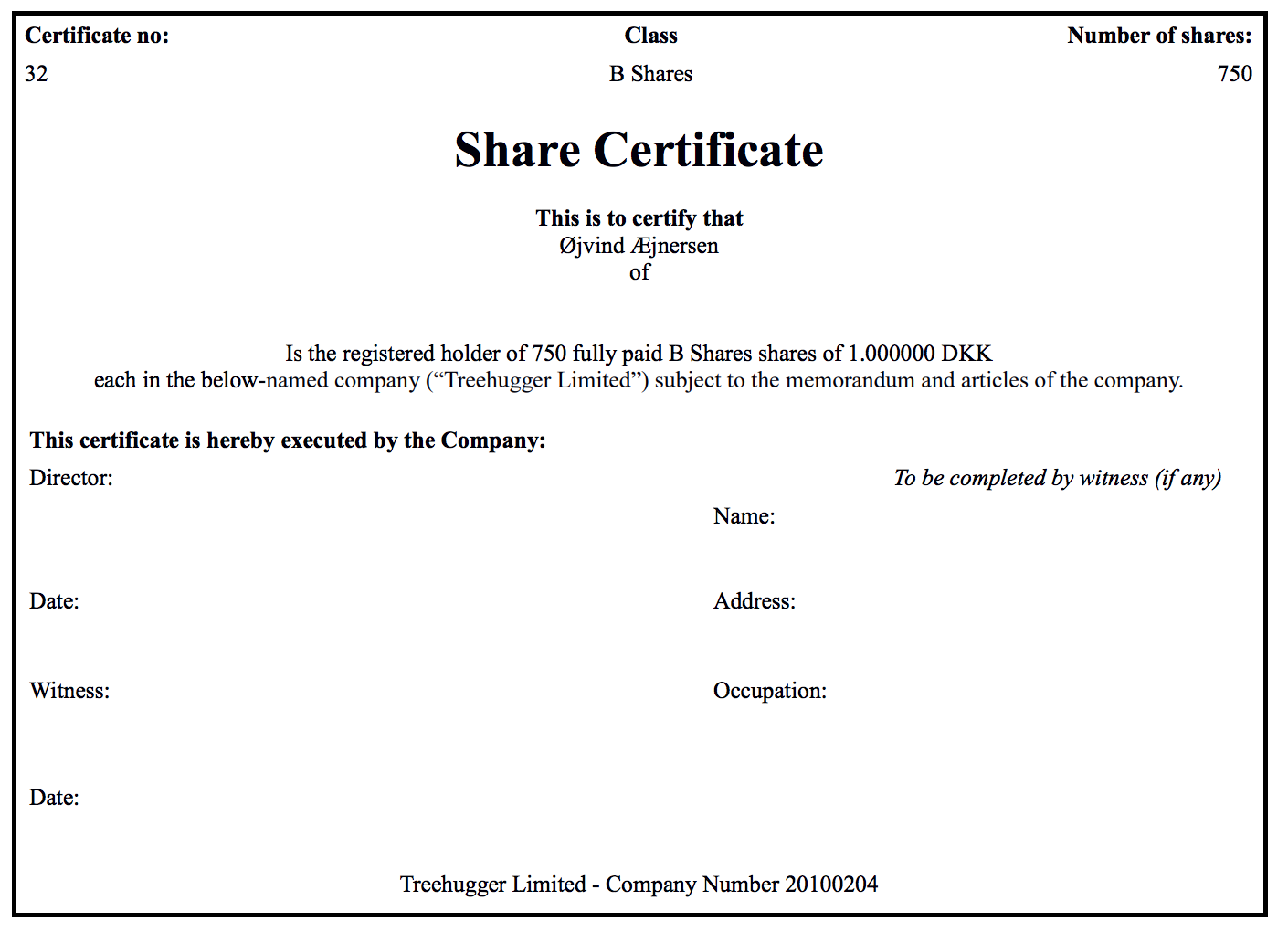
Companies House does not prescribe a specific layout for share certificates, but it does enforce certain content requirements. Your template must include:
- Company name exactly as registered with Companies House
- Company registration number
- Shareholder’s full name (or entity name)
- Number and class of shares allotted
- Certificate number (unique for each certificate)
- Date of issue
- Signature(s) of authorized officer(s) – typically a director and the company secretary
- Company seal (optional but traditional)
Failure to include any of these elements could render the certificate ineffective, potentially complicating share transfers or triggering compliance headaches.
Signature and Seal Etiquette
While the Companies Act does not mandate a corporate seal, many founders still opt for one because it looks impressive and adds an extra layer of authenticity. If you decide to use a seal, make sure it’s placed in the bottom right corner, opposite the signature line. As for signatures, at least one director must sign the certificate; a second signature from the company secretary is considered best practice and can speed up future verification processes.
Designing a Share Certificate Template: The Fun Part
Balancing Professionalism and Personality
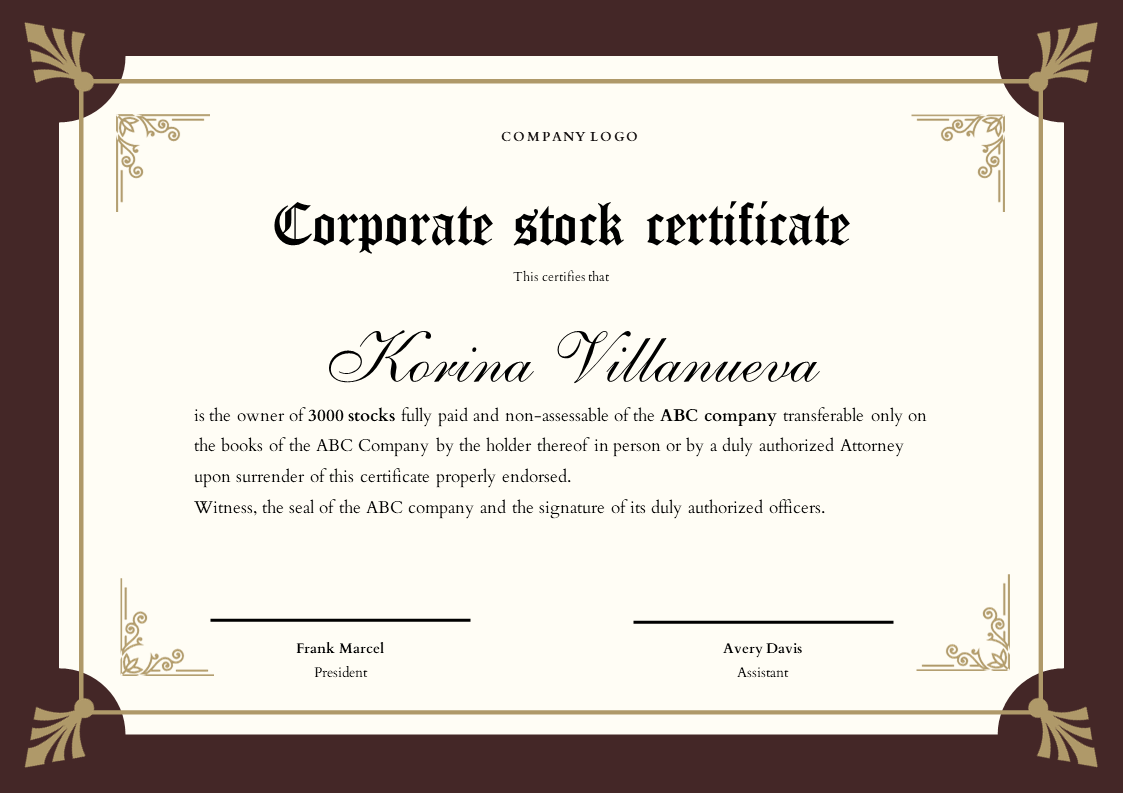
Creating a share certificate that meets legal standards while still looking snazzy is like walking a tightrope in a tuxedo—possible, but you need balance. Here are some design principles to keep you from looking like a courtroom drama set:
- Typography: Use classic fonts such as Times New Roman, Garamond, or Georgia for the main text. For headings or decorative elements, you can spice things up with a subtle script font—just don’t go full‑blown Comic Sans.
- Color Scheme: Stick to a professional palette—navy, deep green, or charcoal—with a splash of your brand’s accent color for borders or seals.
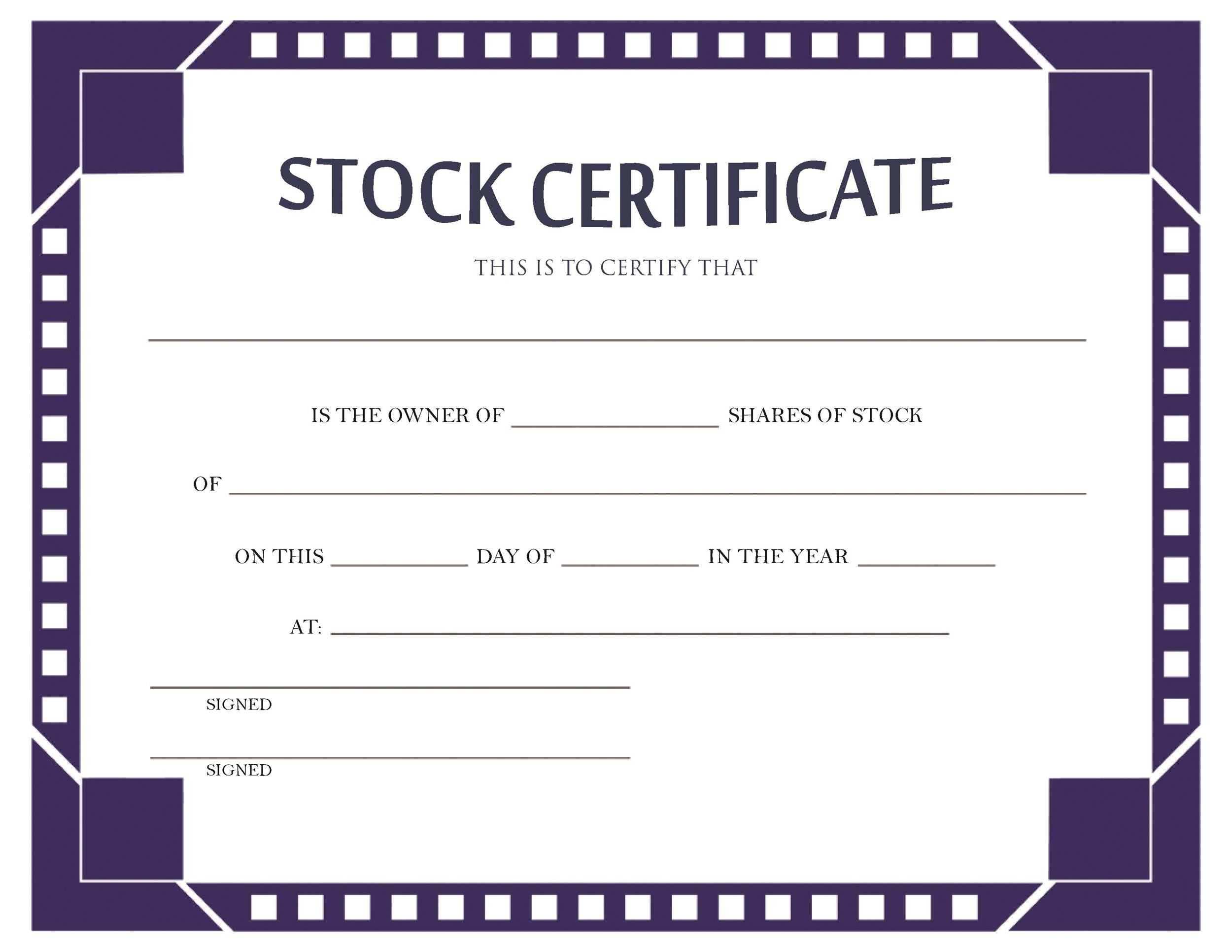
- Layout: Traditional certificates follow a portrait orientation with generous margins. Include a decorative border (think subtle embossing or a thin line) and leave space for the signature and seal.
- Imagery: A faint watermark of your company logo adds a sophisticated touch without distracting from the essential details.
Free Templates vs. Custom Design
There’s an abundance of free share certificate templates available online—some look like they were designed by a committee of accountants, while others could pass for a wedding invitation. Free templates are great for startups on a shoestring budget, but they often require tweaks to meet Companies House requirements. If you have a design team or a decent eye for aesthetics, customizing a template can make your certificates truly unique and memorable.
Step‑by‑Step Template Creation
Follow this simple workflow to craft a compliant yet eye‑catching certificate:
- Gather Legal Information: Pull the company name, registration number, share class, and shareholder details from your statutory registers.
- Select a Base Template: Choose a free template that closely matches your desired layout or start from scratch using a design tool like Adobe Illustrator, InDesign, or even Microsoft Word.
- Insert Mandatory Fields: Populate the template with the required legal details. Use placeholder text (e.g., “[Shareholder Name]”) if you’ll be generating multiple certificates.
- Design the Header and Footer: Add your logo, company name, and a decorative border. Place the certificate number in the footer for easy reference.
- Set Up Signature Blocks: Include lines for the director’s signature, company secretary’s signature, and, if desired, a corporate seal.
- Proofread and Validate: Double‑check every field for accuracy. A missing registration number could cause a compliance nightmare.
- Export as PDF: Save the final design as a high‑resolution PDF to preserve formatting and ensure it prints cleanly.
- Print on Quality Paper: Use heavyweight, acid‑free paper (at least 120 gsm) for a premium feel. Consider a matte finish to avoid glare.
DIY Printing vs. Professional Print Services
When to DIY
If your company issues only a handful of certificates each year, printing them in-house can save time and money. A decent laser printer, quality cardstock, and a good paper cutter are all you need. Just remember to test a print run first—nothing ruins a professional image like misaligned text or smudged ink.
When to Go Pro
For larger issuances, or if you want that extra “wow” factor, a professional print service can handle embossing, foil stamping, and custom die‑cut shapes. These finishing touches make the certificate feel like a genuine piece of corporate art, perfect for impressing investors or celebrating milestone share allocations.
Common Pitfalls and How to Avoid Them
Missing or Inaccurate Information
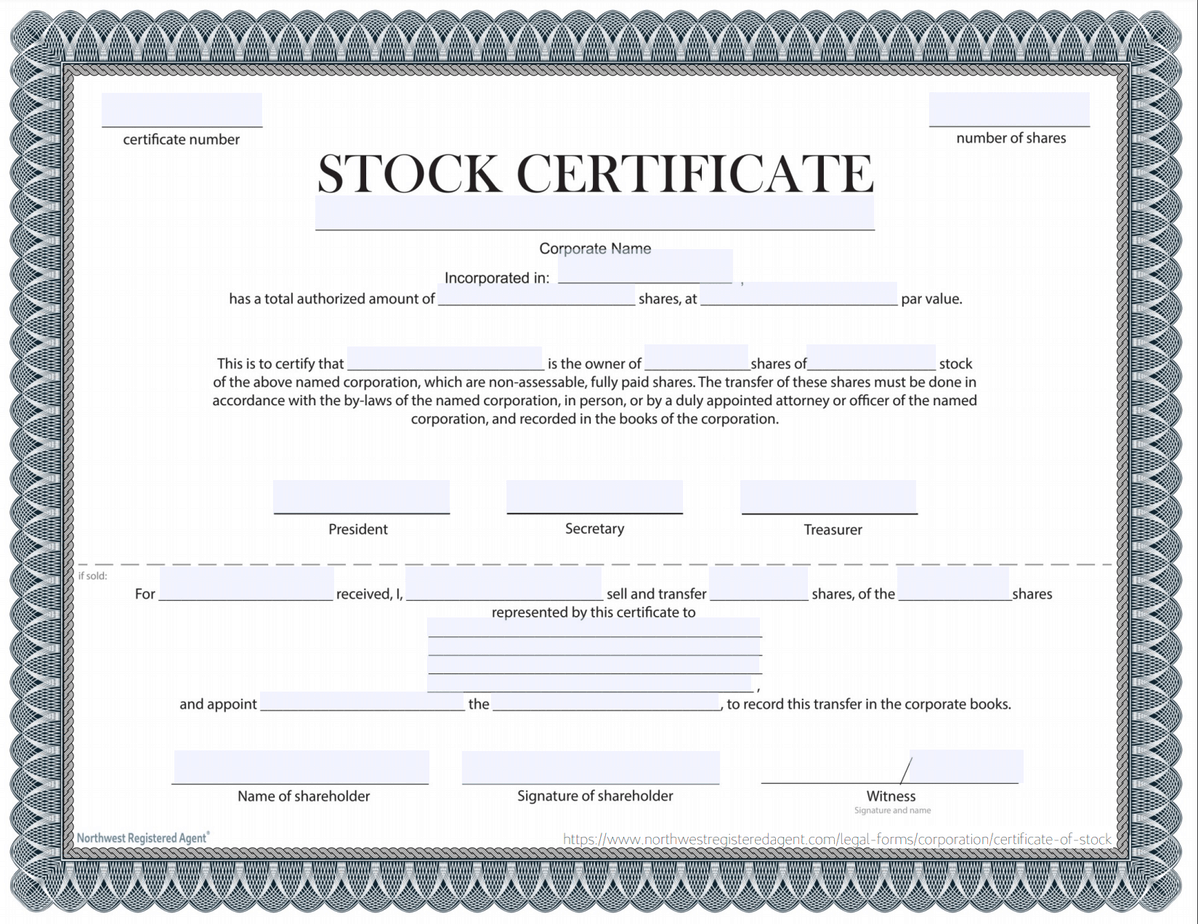
The most common cause of non‑compliance is forgetting a required field. Create a checklist based on the Companies Act requirements and run through it before printing each batch. Even a tiny typo in the company registration number can trigger a request for correction from Companies House.
Using the Wrong Share Class
Many startups issue “ordinary” shares, but if you have multiple classes (e.g., preference shares, redeemable shares), make sure the certificate clearly states the correct class. Mixing up share classes can lead to disputes over voting rights and dividend entitlements.
Improper Signature Authority
Only authorized officers—usually directors and the company secretary—can sign share certificates. If you let an intern sign, you’ll be in a legal quagmire faster than you can say “board meeting.” Verify authority levels in your company’s governance documents before signing.
Overlooking the Two‑Month Issuance Window
Companies must issue the certificate within two months of allotment. Set calendar reminders for each share issuance date, and automate the process where possible using corporate secretary software. Late issuance can result in fines and a tarnished reputation with shareholders.
Step‑by‑Step Guide to Filing Share Certificates with Companies House
Step 1: Record the Allotment in the Statutory Register
Before you even think about printing, log the share allotment in your company’s statutory register of members. This register must contain details of each shareholder, the number and class of shares, and the date of allotment.
Step 2: Update the Register of Allotments
Maintain a separate register of allotments that records the same information as the register of members, but focuses on the date and terms of each allotment. This is a requirement under the Companies Act and is essential for future audits.
Step 3: Issue the Physical Certificate
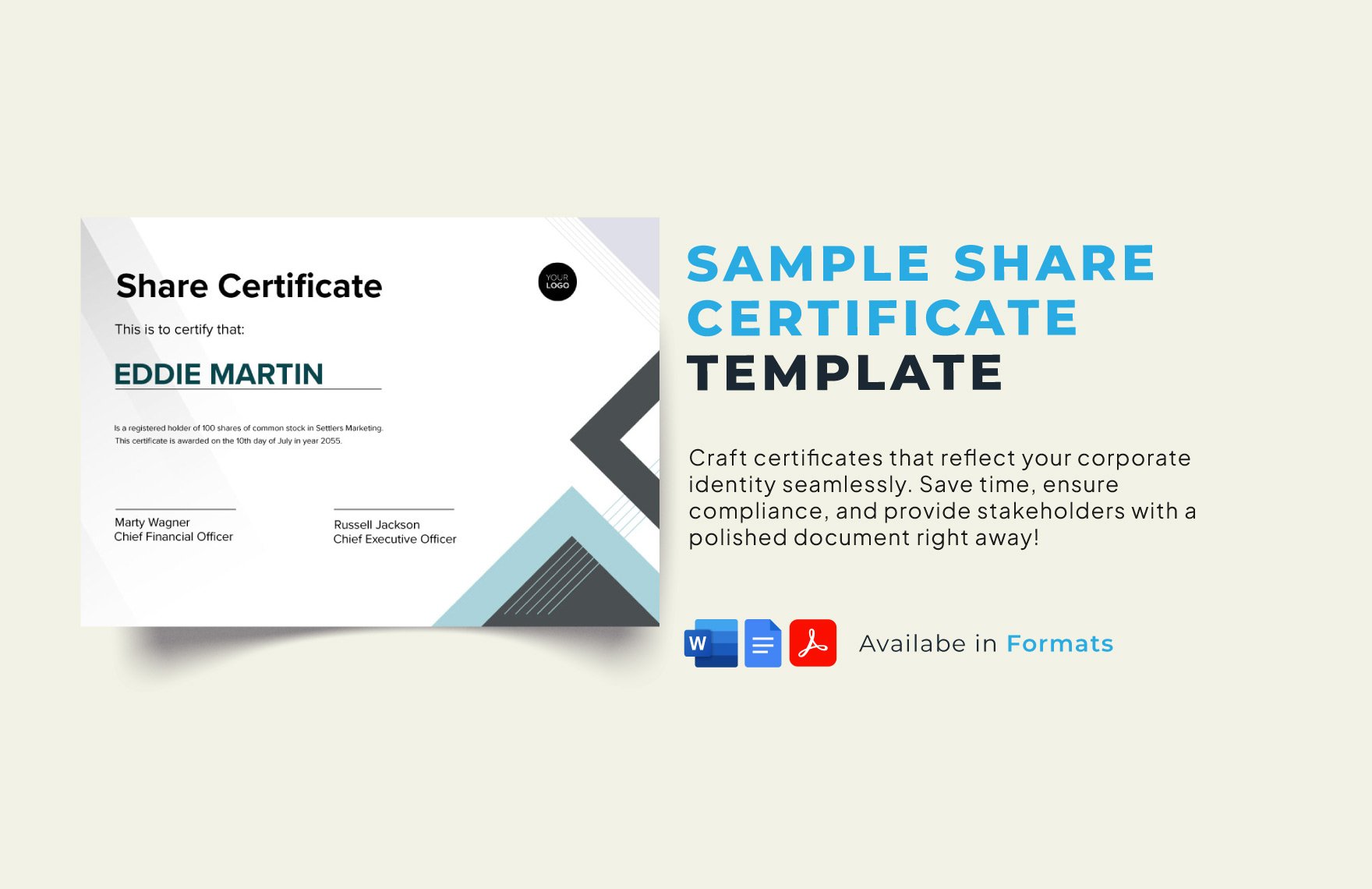
Print and sign the certificate, then hand it over to the shareholder. Keep a copy (or a scanned PDF) for your records, and note the certificate number in the register of members.
Step 4: File the Confirmation Statement
When you file your next confirmation statement (previously known as the annual return), you’ll need to confirm the total number of shares issued and outstanding. Ensure that the data matches the information on your share certificates.
Step 5: Notify Companies House of Any Changes
If a share certificate is lost, destroyed, or needs to be reissued, you must file a form SH01 (Return of Allotment of Shares) or a SH02 (Notice of Change of Share Capital) depending on the nature of the change. Failure to notify Companies House can lead to penalties and potential challenges to the validity of the shares.
Frequently Asked Questions
Do I need a corporate seal on my share certificate?
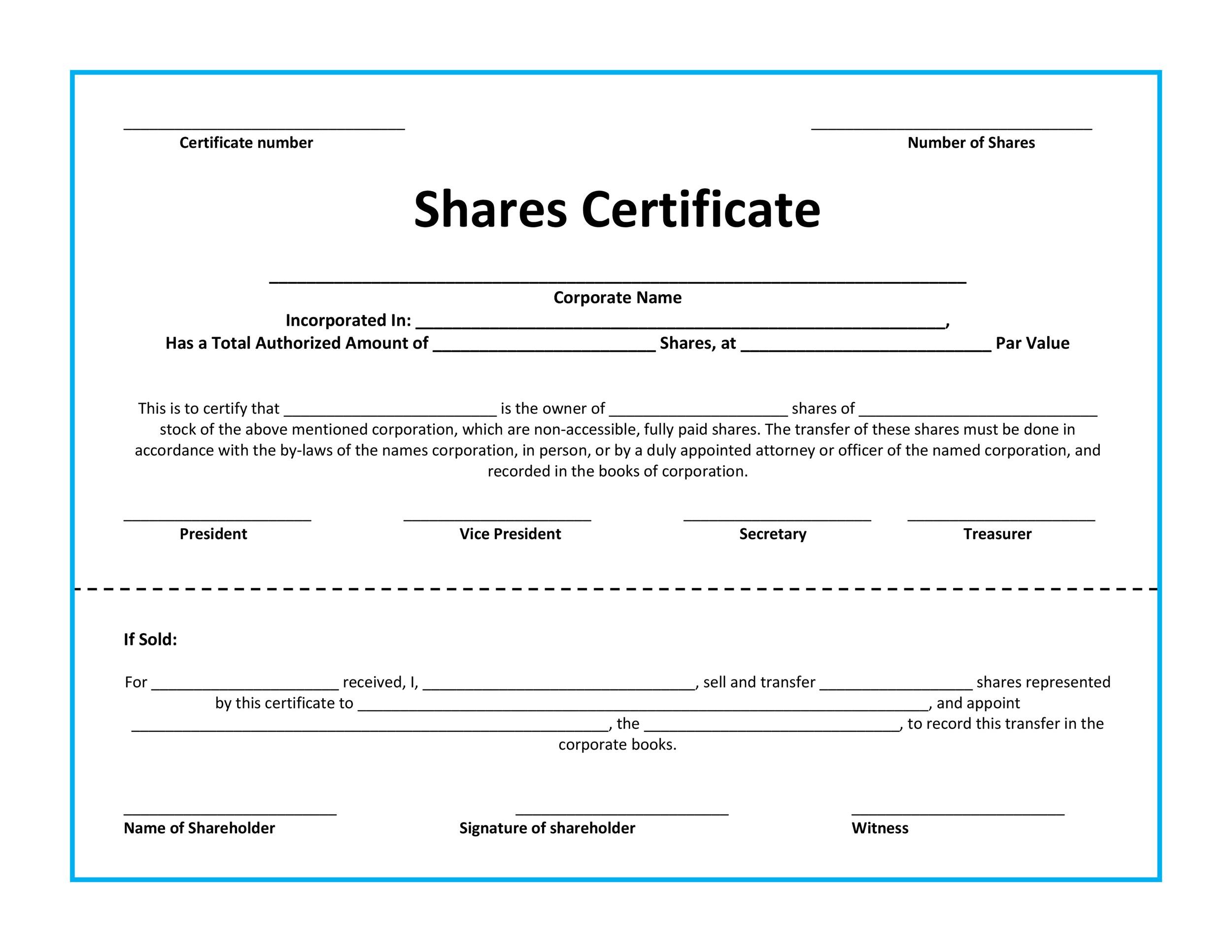
No, a seal is not legally required, but it adds a traditional touch that many shareholders appreciate. If you choose to use one, ensure it’s placed opposite the signature line.
Can I issue electronic share certificates?
Yes, electronic certificates are permissible under the Companies Act, provided the company’s constitution allows for them and the shareholder consents. However, many founders still issue physical certificates for the ceremonial value.
What if a shareholder loses their certificate?
You’ll need to issue a replacement certificate and record the loss in the statutory register. It’s advisable to have a “lost certificate” clause in your shareholders’ agreement to streamline the process.
How many copies of a share certificate should I keep?
Keep at least one signed copy for your records, preferably scanned and stored securely in a digital archive. This helps with future audits and any disputes that may arise.
Real‑World Example: A Startup’s Journey from Blank Paper to Polished Certificate
Consider “TechNova Ltd,” a fictional fintech startup that launched with three founders holding equal shares. Initially, they printed basic certificates on standard office paper—nothing fancy, just the legal essentials. After their first round of angel investment, the new investor requested a professionally designed certificate as part of the due diligence package. The founders hired a freelance designer, incorporated their brand colors, added a subtle watermark of their logo, and upgraded to 200 gsm foil‑stamped paper. The result? The investor was impressed, the boardroom atmosphere felt more official, and the founders learned the value of a well‑presented share certificate. Within six months, TechNova’s next funding round went smoothly, partially because the share certificates looked as polished as the pitch deck.
Tips for Keeping Your Share Certificates Fresh and Compliant
- Annual Review: Conduct an annual audit of all issued certificates to verify that details remain accurate and that no certificates are missing.
- Version Control: If you update your template design, maintain version numbers and keep a record of which certificates were issued under each version.
- Secure Storage: Store physical certificates in a fire‑proof safe or a locked filing cabinet. For digital copies, use encrypted cloud storage with regular backups.
- Educate New Directors: Ensure that any newly appointed directors understand the signing authority and the importance of maintaining proper documentation.
- Leverage Software: Use corporate secretarial software to automate the issuance, tracking, and filing processes, reducing human error and saving time.
Conclusion
While a Share Certificate Template Companies House may seem like a bureaucratic afterthought, it actually plays a pivotal role in solidifying shareholder rights, enhancing corporate credibility, and adding a dash of ceremony to the often dry world of company law. By adhering to the legal requirements, injecting a touch of design flair, and following a disciplined issuance process, you can turn a simple piece of paper into a powerful tool for growth, investor confidence, and shareholder satisfaction. Whether you opt for a free template, a DIY print run, or a fully custom professional finish, remember that the certificate is more than just ink on cardstock—it’s a tangible representation of ownership, trust, and the shared journey toward your company’s future success.